
If you’ve ever dealt with tension-related head pain, you understand how much it can disrupt your daily life. This discomfort often arises from poor posture, stress, and prolonged hours in front of screens. The good news is that there are effective, natural techniques you can adopt to alleviate this pain. By gaining insight into your triggers and making some straightforward adjustments, you can significantly lessen the frequency and intensity of these headaches.
As a chiropractor, I believe that understanding your spine’s health is key to overall wellness. Poor posture can lead to misalignments that contribute to tension headaches. Here are some practical strategies to help you find relief:
- Posture Check: Be mindful of your posture, especially when sitting for long periods. Ensure your back is straight, shoulders relaxed, and your computer screen is at eye level. Regular breaks to stretch can also help reset your posture.
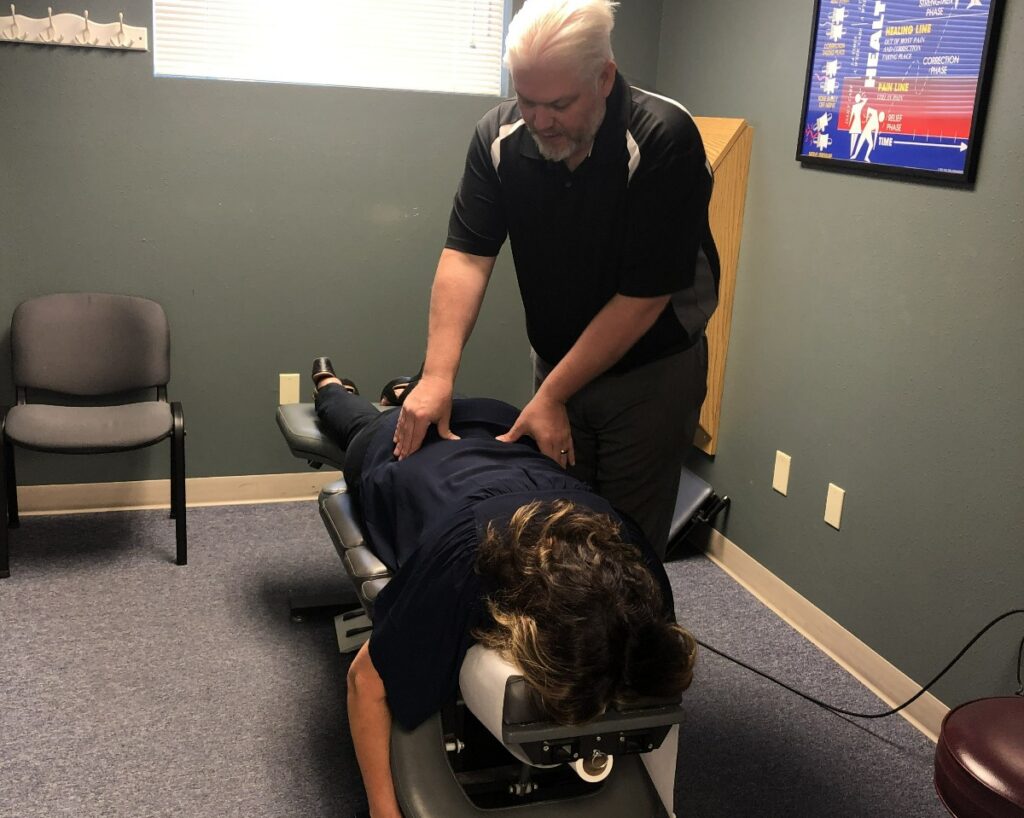
- Chiropractic Care: Regular chiropractic adjustments can help realign your spine, reducing tension in your neck and shoulders which can lead to headaches. A skilled chiropractor can provide personalized care that addresses your unique needs.
- Hydration: Staying hydrated is crucial. Dehydration can contribute to headaches, so make sure to drink plenty of water throughout the day.
- Stress Management: Incorporate stress-relief techniques into your routine, such as deep breathing exercises, meditation, or even gentle yoga. These practices can help calm your mind and reduce physical tension.
- Ergonomic Workspace: Optimize your workspace to support your body. Using an ergonomic chair and ensuring your desk setup promotes good posture can make a significant difference.
- Regular Exercise: Physical activity is essential for tension relief. Even simple exercises like walking or stretching can help alleviate stress and promote better overall body function.
Remember, the goal is to create a lifestyle that promotes natural healing and wellness. By focusing on these strategies and considering regular chiropractic care, you can take proactive steps towards reducing tension-related head pain and enhancing your overall health. Your journey to a pain-free life starts with understanding your body and seeking the right support.
Key Takeaways
- Ensure your posture is optimal by aligning your head directly over your spine and allowing your shoulders to relax. This simple adjustment can significantly reduce strain in your neck and shoulders, which are often culprits for tension-related headaches.
- Regular stretching of your neck and shoulders is essential. These gentle stretches help relieve tightness and promote better blood circulation, which can alleviate discomfort. Incorporating these stretches into your daily routine can support your overall spinal health.
- Staying hydrated is vital for your overall well-being. Make it a habit to drink water consistently throughout the day. Proper hydration can help prevent headaches that may arise from dehydration, allowing your body to function optimally.
- Practicing deep breathing exercises and mindfulness techniques can be incredibly beneficial in managing stress and reducing muscle tension. These practices not only promote relaxation but also support the health of your spine by encouraging a more relaxed state of body and mind.
- Remember to take regular breaks throughout your day. Stand up, stretch, and reset your workstation posture to give your body a chance to relieve tension. This simple practice can make a big difference in how you feel, especially if you spend long hours at a desk.
By utilizing these tips and integrating chiropractic care into your wellness routine, you can achieve natural pain relief and promote a healthier lifestyle. Your spine is the foundation of your overall health, and chiropractic adjustments can help you maintain its optimal function, supporting both your physical and emotional well-being.
Understanding Tension-Related Head Pain
When you experience a tension-related headache, it can feel like a tight band is wrapped around your head, causing discomfort that can stem from various factors such as stress, muscle tension, and poor posture. This type of headache often develops gradually and can linger from 30 minutes to several days. Unlike migraines, tension headaches typically don’t come with nausea or sensitivity to light, which is a relief for many.
You may notice pressure or tightness, especially around your forehead, temples, or neck. The pain can range from mild to moderate, allowing you to go about your daily activities but still being distracting enough to hinder your focus.
Understanding the nature of tension headaches is crucial for effective management, and this is where chiropractic care can make a significant difference.
Chiropractic care focuses on the spine and the nervous system, addressing the root causes of tension headaches related to muscle contraction and stress. By aligning your spine and relieving tension in your muscles, chiropractors can help restore balance to your body, potentially reducing the frequency and intensity of your headaches.
Here are some general tips and tricks to help alleviate tension-related headaches:
- Posture Check: Be mindful of your posture throughout the day. Whether you’re sitting at a desk or standing, maintaining proper alignment can help reduce muscle strain.
- Stretching: Incorporate gentle stretching exercises into your routine. Simple neck and shoulder stretches can relieve tightness and improve circulation.
- Stay Hydrated: Drinking plenty of water is essential for overall health and can help prevent headaches caused by dehydration.
- Stress Management: Engage in relaxation techniques such as deep breathing, yoga, or meditation to reduce stress levels.
- Regular Chiropractic Visits: Make chiropractic adjustments a part of your wellness routine. Regular visits can help keep your spine aligned and your muscles relaxed, promoting overall health.
By understanding the link between tension headaches and muscle tension, and by taking proactive steps, you can effectively manage and potentially reduce the discomfort.
Embracing chiropractic care as a natural and holistic approach can be a key element in achieving optimal health and wellness. Your journey to a headache-free life starts with awareness and action!
Identifying Triggers and Symptoms
Identifying the specific triggers and symptoms of tension headaches is crucial for effective management, particularly when considering the benefits of chiropractic care for natural relief. By understanding your body and its signals, you can take proactive steps to minimize the frequency and intensity of these headaches.
Start by keeping a headache diary. This will help you track when headaches occur, how intense they are, and how long they last. Look for patterns that may emerge; for instance, stress, lack of sleep, or dehydration can be common culprits.
When it comes to symptoms, tension headaches often manifest as a dull, aching pain around the forehead, accompanied by a tight feeling and sensitivity to light or sound. You may also experience tension in your neck or shoulders. Recognizing these signs early can give you the upper hand, allowing you to take steps to alleviate discomfort before it escalates.
It’s also important to pay attention to your emotional state. Feelings of anxiety or irritability can often precede a headache. By identifying your unique triggers and symptoms, you can work on personalized strategies to reduce their impact.
Incorporating regular chiropractic adjustments into your wellness routine can be an effective way to manage tension headaches. Chiropractic care focuses on spinal alignment, which can alleviate tension and improve overall body function.
Additionally, consider implementing stress-reducing techniques such as deep breathing exercises, regular physical activity, and maintaining proper hydration.
Practicing Good Posture
Practicing good posture is essential for maintaining proper spinal alignment and preventing discomfort, including tension headaches. As a chiropractor, I emphasize the importance of creating an ergonomic workspace that supports your body in a natural position. By making simple adjustments to your workstation, you can significantly reduce strain on your spine and enhance your overall comfort and well-being.
Here are some easy tips to help you improve your posture:
- Chair Height: Make sure your chair is at a height where your feet can rest flat on the ground, and your knees are at a 90-degree angle. This helps keep your spine in a neutral position.
- Screen Level: Position your computer screen at eye level so that you don’t have to tilt your head up or down. This can help prevent neck strain and promote better posture.
- Wrist Alignment: Keep your wrists straight and hands slightly above your keyboard when typing. This reduces tension in your wrists and contributes to better overall alignment.
- Frequent Breaks: Take regular breaks to stand, stretch, and move around. This not only helps relieve tension but also encourages blood flow and keeps your muscles engaged.
- Chiropractic Care: Regular visits to a chiropractor can help you maintain optimal spinal health. Chiropractic adjustments can relieve pain, improve mobility, and support your body’s natural healing processes.
By incorporating these tips into your daily routine, you can create a healthier work environment that supports your spine and overall wellness.
Importance of Alignment
Maintaining good posture is crucial for reducing tension headaches, as misalignment of the spine can lead to muscle strain and discomfort. When you slouch or lean forward, it puts extra pressure on your neck and shoulders, making headaches more likely. As your local chiropractor, I want to emphasize the importance of keeping your head aligned over your spine, with shoulders relaxed and pulled back.
During everyday activities, whether you’re sitting at a desk or standing in line, remember to engage your core muscles to help support your posture. It’s also helpful to regularly check in with your body; if you start to feel tension building, take a moment to adjust your position. Incorporating simple stretching and strengthening exercises into your routine can improve your alignment over time.
Ergonomic Workspace Setup
Creating an ergonomic workspace is vital for maintaining good posture and preventing discomfort such as tension headaches. As a chiropractor, I emphasize the importance of setting up your workspace to support your spine and overall well-being.
Start by adjusting your chair height so that your feet rest flat on the floor, ensuring your knees form a right angle. This simple adjustment helps keep your lower back aligned, reducing strain.
Position your monitor at eye level, approximately an arm’s length away. This helps prevent unnecessary neck and eye strain, allowing you to work comfortably for longer periods.
Choose a chair that provides adequate support for your lower back, and consider using a cushion for additional comfort.
Your keyboard and mouse should be at a height that allows your wrists to remain straight while typing. When typing, keep your elbows close to your body, forming another right angle. This alignment is crucial for preventing tension in your arms and shoulders.
Incorporating regular breaks is essential. Stand up, stretch, and reset your posture every so often. These small adjustments can significantly reduce tension and enhance your overall comfort.
Incorporating Regular Breaks
Incorporating regular breaks into your daily routine can significantly help reduce the occurrence and intensity of tension headaches. When you work for long periods without taking a pause, your muscles can become tight, leading to discomfort and pain. As a chiropractor, I recommend setting a timer to remind yourself to take a short break every hour. During these breaks, take a moment to stand, stretch, or simply walk around.
Focus on loosening your neck and shoulder muscles during these intervals, as they often hold the most tension. Even a few minutes of gentle movement can enhance circulation and alleviate stress. Remember to stay hydrated during your breaks as well; dehydration can also be a contributing factor to headaches.
It’s also a great idea to step away from screens during these breaks to allow your eyes a rest. This simple practice can help prevent eye strain and reduce potential headache triggers. By prioritizing regular breaks, you’re not only enhancing your productivity but also taking crucial steps toward protecting your well-being and relieving tension-related head pain.
Chiropractic care can be a powerful ally in your journey toward optimal health. Regular adjustments can help keep your spine aligned, reduce muscle tension, and support overall wellness. By integrating these breaks into your routine and considering chiropractic care, you’re taking proactive measures for a healthier, pain-free life. Remember, your well-being is a priority, and small changes can make a big difference!
Engaging in Relaxation Techniques
To effectively manage tension headaches, engaging in relaxation techniques can be a game changer, especially when combined with chiropractic care. These techniques help reduce stress and promote a sense of calm, allowing you to release the tension that often leads to headaches. Start by practicing deep breathing exercises. Inhale slowly through your nose, hold for a moment, and exhale through your mouth. This simple practice can lower your heart rate and ease muscle tension, complementing the adjustments made during chiropractic sessions.
You might also try progressive muscle relaxation, where you tense and then relax each muscle group in your body, starting from your toes and working up to your head. This can help you become more aware of where you hold tension, making it easier to address these areas during your chiropractic visits. Additionally, incorporating mindfulness meditation can be another effective tool. Find a quiet space, close your eyes, and focus on your breath or a calming mantra.
Utilizing Heat and Cold Therapy
Heat and cold therapy can be a valuable addition to your self-care routine, especially when it comes to managing tension headaches. These methods can provide quick relief and complement the benefits of chiropractic care in achieving optimal health and wellness.
For heat therapy, consider these options:
- Warm compress: Gently applying a warm towel or heating pad to your neck or shoulders can help relax tight muscles and improve blood flow, which is beneficial for headache relief.
- Warm bath: Soaking in a warm bath not only relaxes your body but also can ease tension in your spine and muscles, contributing to overall relaxation.
- Heat wrap: Using a heat wrap specifically designed for the forehead or neck can target areas that hold tension, providing soothing relief.
When it comes to cold therapy, here are some simple methods you can try:
- Ice pack: Wrapping an ice pack in a cloth and placing it on your forehead or temples can help numb pain and reduce inflammation, offering quick relief.
- Cold compress: A cool, damp cloth on the back of your neck can be refreshing and help alleviate headache symptoms.
- Frozen gel pack: Keeping a gel pack in the freezer allows for easy access when you need to cool down and soothe discomfort.
While these therapies can help manage headache pain, remember that regular chiropractic adjustments can address the underlying issues contributing to your headaches. By promoting proper spinal alignment and nerve function, chiropractic care is a holistic approach that can lead to long-term relief and improved overall health.
Incorporating these simple self-care techniques alongside your chiropractic treatments can enhance your journey toward wellness.
Exploring Stretching and Strengthening Exercises
Incorporating stretching and strengthening exercises into your daily routine can greatly enhance the benefits of heat and cold therapy in managing tension headaches. These exercises not only help relieve muscle tightness but also improve your posture and promote overall relaxation. As a chiropractor, I believe that these simple yet effective practices can be a powerful addition to your wellness journey.
Here’s a straightforward table to help you get started on your path to better health:
| Exercise | Duration | Frequency |
|---|---|---|
| Neck Stretch | 30 seconds | 3 times daily |
| Shoulder Shrugs | 1 minute | 2 times daily |
| Upper Back Strengthening | 10-15 reps | 3 times weekly |
Tips to Enhance Your Routine:
- Listen to Your Body: Always pay attention to how your body feels during these exercises. If something doesn’t feel right, it’s okay to modify or skip that exercise.
- Breathe Deeply: Remember to breathe deeply and slowly while stretching. This helps promote relaxation and increases the effectiveness of the stretch.
- Stay Consistent: Consistency is key! Try to incorporate these exercises into your daily routine to see the best results over time.
- Combine with Chiropractic Care: Regular visits to your chiropractor can help align your spine and improve your overall well-being, making these exercises even more effective.
Maintaining Proper Hydration
Staying properly hydrated is crucial for maintaining overall wellness and can play a significant role in preventing tension headaches. As a local chiropractor, I want to emphasize that dehydration can often sneak up on you, leading to discomfort and tension in your body. It’s important to recognize the signs early and take action to maintain your hydration levels.
So, how much water do you really need to keep those headaches at bay? While individual needs can vary, a good rule of thumb is to aim for at least half your body weight in ounces of water each day. For example, if you weigh 150 pounds, try to drink around 75 ounces of water daily. This can help support your spinal health, as proper hydration is essential for keeping your discs and joints lubricated.
Here are some simple tips to help you stay hydrated:
- Carry a Water Bottle: Keep a reusable water bottle with you throughout the day to remind you to drink water regularly.
- Set Reminders: Use your phone or an app to set hourly reminders to take a sip of water.
- Eat Water-Rich Foods: Incorporate fruits and vegetables like cucumbers, oranges, and watermelon into your diet, as they can contribute to your overall hydration.
- Start Your Day with Water: Make it a habit to drink a glass of water first thing in the morning to kickstart your hydration for the day.
- Listen to Your Body: Pay attention to signs of dehydration like dry mouth, fatigue, or headaches. If you notice these symptoms, increase your water intake.
Remember, chiropractic care is also a fantastic way to promote natural healing and overall wellness. Regular adjustments can help alleviate tension in your body, which may reduce the frequency and severity of headaches.
Importance of Hydration
As a local chiropractor, I want to highlight the importance of proper hydration, especially when it comes to preventing tension headaches. Staying well-hydrated is a simple yet powerful way to support your overall health and wellness, and it can significantly reduce stress and discomfort in your body.
Here are some key reasons why hydration is essential for maintaining optimal health:
- Improves circulation: When you’re hydrated, your blood flows more freely, ensuring that essential nutrients reach your brain. This can help alleviate tension and support your spinal health as well.
- Regulates temperature: Keeping your body well-hydrated assists in maintaining a stable temperature, which can lower the stress on your body that often leads to headaches.
- Promotes energy levels: Adequate hydration is vital for energy production. When you’re energized, you’re less likely to feel fatigued, which can contribute to tension and discomfort.
- Supports cognitive function: Drinking enough water helps enhance your focus and mental clarity. This can minimize stress-related triggers that may lead to headaches or other discomforts.
To support your hydration needs, aim to drink plenty of water throughout the day, and consider incorporating hydrating foods like fruits and vegetables into your diet.
Signs of Dehydration
Often, people overlook the early signs of dehydration, which can sneak up on you and lead to discomfort in various forms, including tension headaches. As a chiropractor, I understand how vital it’s to stay hydrated for your overall health and well-being. When you notice a dry mouth or feel unusually thirsty, these are classic indicators that your body needs more fluids.
Other signs to watch for include fatigue, dizziness, and dark-colored urine. These symptoms can indicate that your body isn’t operating at its best, which can affect your spinal health and overall wellness. If you find yourself feeling lightheaded or having trouble concentrating, dehydration might be the underlying issue.
Don’t ignore these signs; they’re your body’s way of signaling for hydration. By staying aware of these symptoms, you can take proactive steps to prevent discomfort and maintain optimal health. Remember, proper hydration supports not just your body but also your spine, ensuring that you feel your best.
Here are some general tips to help you stay hydrated:
- Drink Water Regularly: Aim to drink water consistently throughout the day, rather than waiting until you feel thirsty.
- Eat Hydrating Foods: Incorporate fruits and vegetables with high water content, such as cucumbers, watermelon, and oranges, into your diet.
- Set Reminders: Use your phone or a timer to remind you to drink water at regular intervals.
- Limit Dehydrating Beverages: Reduce your intake of caffeinated or alcoholic drinks, as they can contribute to dehydration.
- Listen to Your Body: Pay attention to what your body is telling you. If you’re feeling off, don’t hesitate to drink more water.
Optimal Water Intake
Staying properly hydrated is essential for your overall well-being, and it’s often overlooked how much water your body really needs. Dehydration can contribute to discomfort, such as tension headaches, fatigue, and difficulty concentrating. As a chiropractor, I want to emphasize that maintaining optimal hydration is part of a holistic approach to health that supports your spine and overall wellness.
Here are some simple guidelines to ensure you’re drinking enough water:
- Aim for at least 8 cups (64 ounces) of water each day. This is a good starting point for most people.
- Adjust your water intake based on your activity level, the weather, and your personal needs. If you’re more active or it’s hotter outside, you may need to drink more.
- Keep an eye on the color of your urine; a light yellow color indicates that you’re well-hydrated.
- Carry a reusable water bottle with you. This will serve as a great reminder to sip water throughout your day, helping to keep your body and spine in top condition.
Remember, proper hydration supports not just your body’s functions, but also your spinal health. When you take care of your hydration, you’re taking a step toward a healthier, pain-free life.
Incorporating these simple habits can enhance your overall wellness and complement the benefits of chiropractic care. Stay hydrated and let your body thrive!
Considering Dietary Adjustments
Adjusting your diet can be a valuable part of managing tension headaches, and as your local chiropractor, I want to share some natural tips that can complement your chiropractic care for optimal health.
One of the first steps is to identify any food triggers that may contribute to your headaches. Common culprits include caffeine, alcohol, and processed foods. By reducing or eliminating these items from your diet, you may notice a decrease in the frequency of your headaches.
Instead, focus on nourishing your body with whole foods like fresh fruits, vegetables, whole grains, and lean proteins. These foods provide essential nutrients that support overall wellness. In particular, magnesium-rich foods such as spinach, nuts, and seeds can be beneficial since magnesium deficiency has been linked to headaches.
Hydration is another key factor—dehydration can worsen tension headaches. Make it a priority to drink water consistently throughout the day. Keeping your body well-hydrated can aid in preventing headaches and supporting your overall health.
Establishing regular meal patterns is also important. Skipping meals can lead to drops in blood sugar, which might trigger headaches. Aim to eat balanced meals and healthy snacks throughout the day to maintain stable energy levels.
Finally, consider keeping a food diary. This can help you track what foods work well for you and which ones may be contributing to your headaches. By being mindful of your diet and making these simple adjustments, you can take proactive steps towards reducing tension-related headaches and enhancing your overall wellness.
Seeking Professional Help
If your tension headaches persist despite your best self-care efforts, it’s a great idea to consider seeking professional help from a chiropractor.
Chiropractors specialize in understanding how the spine and nervous system work together to influence overall health. By addressing misalignments in your spine, a chiropractor can help relieve tension headaches naturally without the need for medications or invasive procedures.
Identifying the right chiropractor can make a significant difference in managing your headaches effectively. They can provide tailored treatment options, such as spinal adjustments and lifestyle advice, which not only target your headaches but also promote overall wellness.
In the meantime, here are some helpful tips you can try at home:
- Stay Hydrated: Dehydration can lead to headaches, so make sure you’re drinking enough water throughout the day.
- Practice Good Posture: Poor posture can strain your neck and shoulders, contributing to tension headaches. Be mindful of your posture while sitting, especially if you work at a desk.
- Regular Stretching: Gentle neck and shoulder stretches can relieve muscle tension and improve circulation, helping to prevent headaches.
- Manage Stress: Techniques such as deep breathing, meditation, or yoga can help reduce stress levels, which may contribute to headache frequency and intensity.
When to Seek Help
While most tension headaches can often be managed with simple home remedies, there are moments when seeking professional help is crucial. As a chiropractor, I believe in the power of natural healing and spinal health to alleviate pain and promote overall wellness.
Here are some signs that indicate it’s time to consult a healthcare provider, particularly a chiropractor:
- Frequent headaches that occur more than twice a week
- Intense pain that interferes with your daily activities
- Symptoms that worsen or change over time
- Headaches accompanied by vision changes, numbness, or difficulty speaking
Recognizing these signs early on can’t only prevent more severe issues but also enhance your quality of life. Chiropractic care focuses on the root causes of headaches, often related to spinal misalignments and tension in the neck and upper back.
By addressing these issues, you can achieve pain relief without the need for medications or invasive procedures.
In addition to seeking chiropractic care, here are some general tips to help manage your tension headaches naturally:
- Stay Hydrated: Dehydration can lead to headaches, so make sure to drink plenty of water throughout the day.
- Practice Good Posture: Maintaining proper posture, especially while sitting at a desk, can reduce strain on your neck and upper back.
- Incorporate Regular Exercise: Gentle exercises like stretching, yoga, or walking can relieve tension and improve blood circulation.
- Manage Stress: Techniques such as deep breathing, meditation, or progressive muscle relaxation can help reduce stress and minimize headache occurrences.
- Sleep Well: Ensure you get adequate sleep and maintain a consistent sleep schedule to help your body recover.
Remember, your body communicates with you, and it’s important to listen to its signals. Consulting a chiropractor can provide you with tailored treatment options that focus on achieving optimal health and wellness.
Embrace a natural approach to headache relief, and take the first step towards feeling better today!
Types of Professionals
When you’re ready to seek professional help for tension headaches, consider starting with chiropractic care. As a chiropractor, I believe that understanding the root cause of your headaches is essential for effective relief. Often, tension headaches are linked to muscle tightness and misalignments in your spine.
By visiting a chiropractor, you can receive targeted spinal adjustments aimed at restoring proper alignment and relieving tension in your neck and back. This approach not only addresses the immediate discomfort but can also promote long-term wellness by improving your overall spinal health.
In addition to adjustments, I recommend incorporating gentle stretches and exercises into your daily routine. These can help alleviate muscle tension and improve flexibility, which may contribute to reducing the frequency and intensity of your headaches. Remember to also pay attention to your posture throughout the day—sitting up straight and taking regular breaks can make a significant difference.
If stress is a contributing factor, consider mindfulness practices such as meditation or deep-breathing exercises. These can help you manage stress more effectively, further reducing the likelihood of tension headaches.
Choosing chiropractic care is a natural and holistic way to address headaches, promoting not only pain relief but also a healthier lifestyle. Your journey to optimal health starts with understanding your body and how it functions, and I’m here to support you every step of the way.
Treatment Options Available
Exploring treatment options for tension headaches can lead you to various effective therapies, and chiropractic care is one of the best choices for achieving natural pain relief and overall wellness.
Here are some options you might consider, with a focus on the benefits of chiropractic care:
- Chiropractic Adjustments: Regular chiropractic adjustments can help align your spine and relieve tension in the muscles surrounding your neck and shoulders. This can significantly reduce the frequency and intensity of your headaches.
- Cognitive Behavioral Therapy (CBT): While chiropractic care addresses the physical aspects of headaches, CBT can help you manage stress and develop coping strategies for any emotional triggers that may contribute to your pain.
- Physical Therapy: A chiropractor can guide you through specific exercises and stretches to improve your posture and strengthen the muscles that support your spine, which can help alleviate tension headaches.
- Massage Therapy: Incorporating massage into your wellness routine can complement chiropractic care by reducing muscle tension and promoting relaxation, further preventing headaches.
- Lifestyle Tips: Make sure to stay hydrated, maintain a balanced diet, and get regular exercise. Additionally, practicing good posture at your workstation and taking breaks throughout the day can make a big difference in reducing tension.
Consulting with a chiropractor can provide you with a personalized treatment plan tailored to your specific needs, focusing on natural healing and wellness.
Conclusion
By prioritizing good posture, taking regular breaks, and practicing relaxation techniques, you can effectively manage tension-related head pain. Staying hydrated and making mindful dietary choices also play a crucial role in supporting your overall well-being. One of the most effective ways to relieve tension in your neck and shoulders is through gentle stretching and strengthening exercises, which can help to improve your spinal alignment.
As a chiropractor, I believe that chiropractic care is one of the best ways to achieve optimal health and alleviate head pain naturally. Regular chiropractic adjustments can help to restore proper alignment in your spine, reducing tension and promoting overall wellness. If your headaches persist or worsen, I encourage you to seek a professional chiropractic assessment.
Taking these steps not only leads to a more comfortable and pain-free life but also allows you to focus on what truly matters. Embrace the benefits of chiropractic care and make it a part of your wellness journey. Remember, a healthy spine is key to a healthy life!