
As a local chiropractor, I want to assure you that if you’re experiencing muscle strain or back pain, you’re not alone in this struggle. Many individuals face discomfort that can interfere with their daily activities. The good news is that there are several effective strategies to help ease this pain and facilitate your recovery naturally.
One of the first approaches I recommend is ice and heat therapy. These methods can reduce inflammation and promote blood flow to the affected areas, aiding in the healing process. Additionally, maintaining proper posture is crucial. Poor posture can exacerbate pain and lead to further discomfort, so being mindful of how you sit and stand can make a significant difference.
By incorporating these tips into your routine, you can take proactive steps toward managing your pain and enhancing your overall well-being. If you have any questions or would like to learn more about chiropractic care and its benefits, I’m here to help guide you on your journey to recovery.
Apply Ice and Heat Therapy
As a local chiropractor, I want to share some valuable information about managing muscle strain and back pain through ice and heat therapy. Many of my patients find that these simple techniques can significantly enhance their recovery process.
When you first experience pain, it’s beneficial to start with ice therapy. The cold helps reduce inflammation and numb the affected area. I recommend wrapping an ice pack in a cloth to protect your skin, and applying it for about 15-20 minutes. This method constricts blood vessels, which can help lessen swelling and alleviate pain.
Just remember to take breaks between applications to prevent frostbite.
After the initial 48 hours, it’s time to switch to heat therapy. Heat is excellent for promoting blood flow, which aids in relaxing and soothing tight muscles. You can use a heating pad or a warm towel, applying it for 15-30 minutes.
Always pay attention to how your body responds; if you feel any discomfort, it’s important to stop immediately.
One of the most effective ways to manage pain is to alternate between ice and heat therapy. This combination often yields better results than using one method alone.
Incorporate Gentle Stretching and Strengthening Exercises
As a local chiropractor, I want to share some valuable insights on managing your pain and supporting your recovery. After utilizing ice and heat therapy, incorporating gentle stretching and strengthening exercises can play a crucial role in your healing process.
Begin with simple stretches that focus on the muscles affected by your discomfort. Aim to hold each stretch for about 20-30 seconds. This not only helps increase flexibility but also encourages relaxation, so don’t forget to focus on your breathing during these moments.
Once you feel comfortable with the stretches, it’s important to add some strengthening exercises to enhance your stability. Movements like pelvic tilts, bridges, and gentle yoga poses can be particularly beneficial.
I recommend aiming for a routine that lasts around 15-20 minutes, several times a week, to effectively support your recovery.
Always listen to your body. If you encounter any discomfort during an exercise, it’s perfectly okay to modify or skip it altogether. Your safety and well-being are paramount, so prioritize maintaining proper form over pushing for intensity.
As you become more accustomed to the routine, you can gradually increase the difficulty or duration of your workouts.
Maintain Proper Posture
As a local chiropractor, I want to emphasize the importance of maintaining proper posture for the health of your muscles and spine, especially during your daily activities.
Many people aren’t aware that poor posture can lead to discomfort and long-term health issues, which is why it’s crucial to be aware of how you sit, stand, and move throughout the day.
Here are some practical tips to help you cultivate good posture:
- Sit with your back straight: When sitting, ensure your back is straight and your feet are flat on the floor. Avoid the temptation to slouch in your chair, as this can create unnecessary strain on your spine.
- Align your screen: If you work on a computer, it’s important to position your monitor at eye level. This simple adjustment can significantly reduce neck strain and promote better alignment of the spine.
- Stand tall: When standing, distribute your weight evenly across both feet. Engaging your core muscles will provide support for your spine, helping you maintain a strong and upright posture.
By making these small adjustments to your daily habits, you can greatly improve your posture and overall well-being.
Stay Hydrated and Nourished
As a chiropractor, I want to emphasize the importance of staying hydrated and nourished for your muscle recovery and overall health, particularly if you’re experiencing muscle strain or back pain.
Proper hydration is crucial; when you drink enough water, your muscles operate more efficiently and can recover more swiftly. I recommend aiming for at least eight glasses of water each day, tailoring that amount to your level of physical activity.
In addition to hydration, it’s vital to incorporate nutrient-dense foods into your diet. Focus on consuming lean proteins, whole grains, colorful fruits, and vegetables.
These foods are packed with essential vitamins and minerals that support your body’s healing processes. Don’t forget about omega-3 fatty acids, which are found in fish and flaxseeds, as they can play a significant role in reducing inflammation.
Be mindful of excessive caffeine and alcohol consumption, as these can lead to dehydration. Instead, consider herbal teas or adding fruits to your water for a refreshing twist.
Consider Professional Treatment Options
As a local chiropractor, I want to emphasize the importance of hydration and nutrition in your recovery journey. However, complementing these foundational elements with professional treatment options can significantly enhance your healing process.
It’s essential to consider various avenues that can provide relief and expedite your recovery from muscle strain and back pain.
Here are some professional options that I recommend:
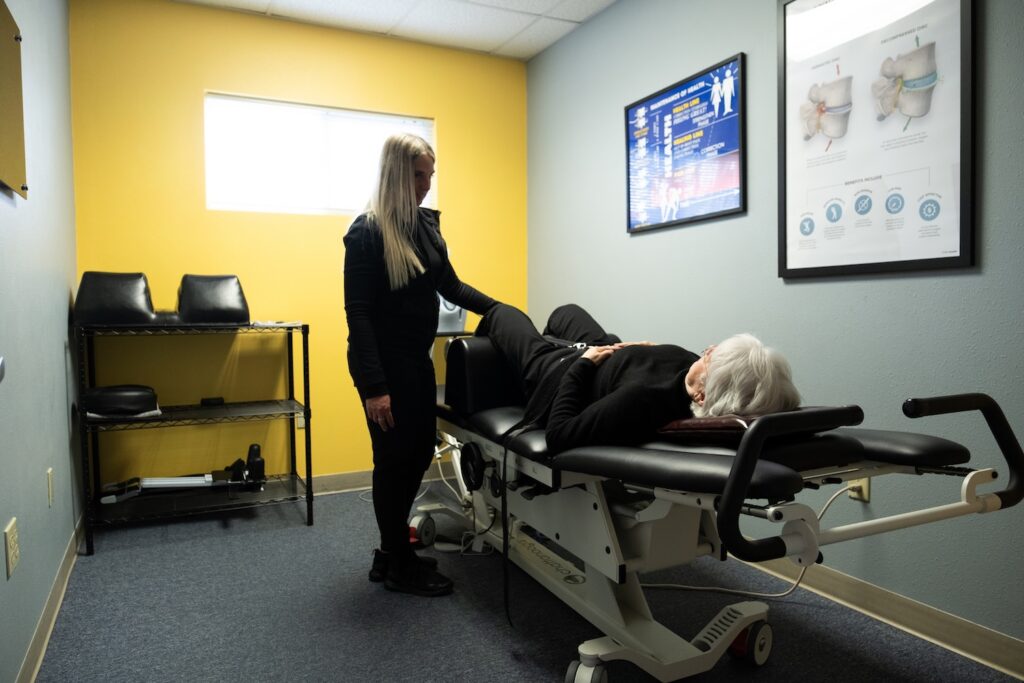
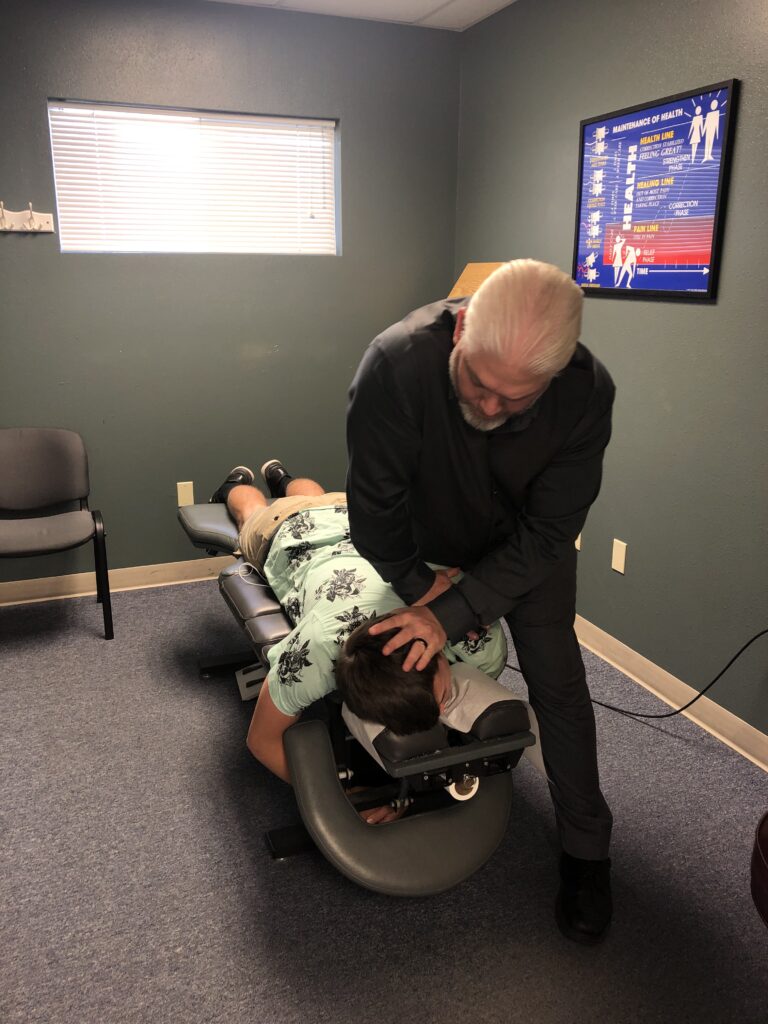
- Chiropractic Care: As a chiropractor, I specialize in hands-on spinal manipulation to improve alignment and alleviate pain. This method helps restore mobility and enables your body to function optimally. Many patients are surprised by how effective chiropractic adjustments can be in relieving discomfort and promoting healing.
- Physical Therapy: Collaborating with a licensed physical therapist can be beneficial. They can create a personalized program focusing on strengthening and stretching exercises that are tailored to your specific needs, ultimately supporting your recovery.
- Acupuncture: This traditional technique involves inserting thin needles at specific points in the body to promote pain relief and enhance your overall well-being. Many patients find that acupuncture complements chiropractic care beautifully.
By exploring these professional treatment options, you’re not just addressing the pain; you’re also tackling the underlying issues that contribute to your discomfort.
Consulting with a professional like myself can guide you toward a more effective and holistic recovery journey.
Conclusion
As a local chiropractor, I want to share some valuable tips for relieving muscle strain and back pain that can easily be integrated into your daily routine. First, consider starting with ice and heat therapy to help reduce inflammation and promote blood flow. Incorporating gentle exercises is also crucial for strengthening your muscles and improving flexibility.
Maintaining good posture throughout the day can make a significant difference in how your body feels. Additionally, don’t underestimate the importance of staying hydrated and nourishing your body with healthy foods. These lifestyle choices can greatly support your overall well-being.
If you find that your pain persists despite trying these methods, please don’t hesitate to reach out for professional treatments. As a chiropractor, I’m here to help you understand how natural healing can enhance your quality of life. By following these steps, you’ll be on your path to feeling better and enjoying a more active, pain-free life.