
Tension headaches can be a real nuisance, often creeping in when you least expect them. As a local chiropractor, I understand how debilitating they can be and want to help you find relief through natural methods. Chiropractic care is a fantastic option for managing tension and promoting overall wellness, but there are also several simple strategies you can incorporate into your daily routine to ease discomfort.
- Breathing Techniques: Deep breathing exercises can help reduce stress and tension. Try taking slow, deep breaths through your nose, filling your belly, and then exhaling through your mouth. This practice not only relaxes your body but also helps improve oxygen flow to your muscles.
- Posture Awareness: Poor posture can lead to tension buildup in your neck and shoulders, contributing to headaches. Pay attention to your sitting and standing posture throughout the day. Ensure your workspace is ergonomically friendly to support spinal health.
- Essential Oils: Integrating essential oils like lavender or peppermint into your routine can promote relaxation and alleviate headache symptoms. You can diffuse them in your home or apply diluted oils to your temples for a soothing effect.
- Hydration: Staying well-hydrated is essential for overall health and can help prevent headaches. Make sure to drink plenty of water throughout the day and limit caffeine and alcohol, which can contribute to dehydration.
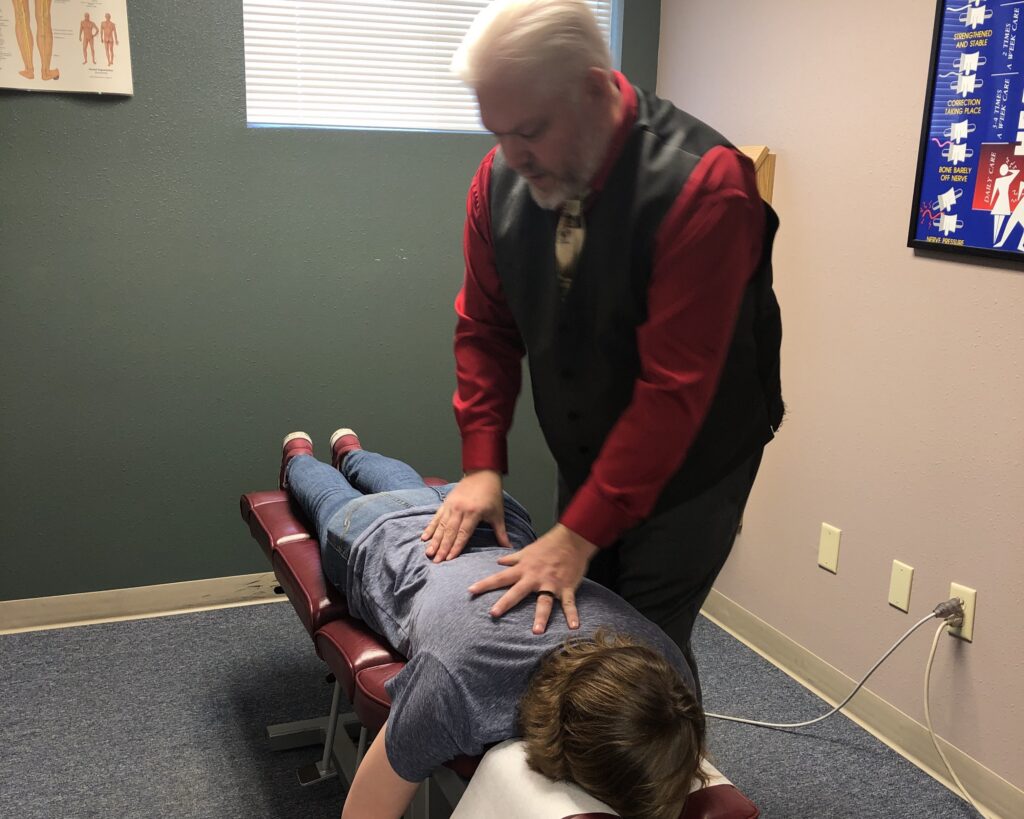
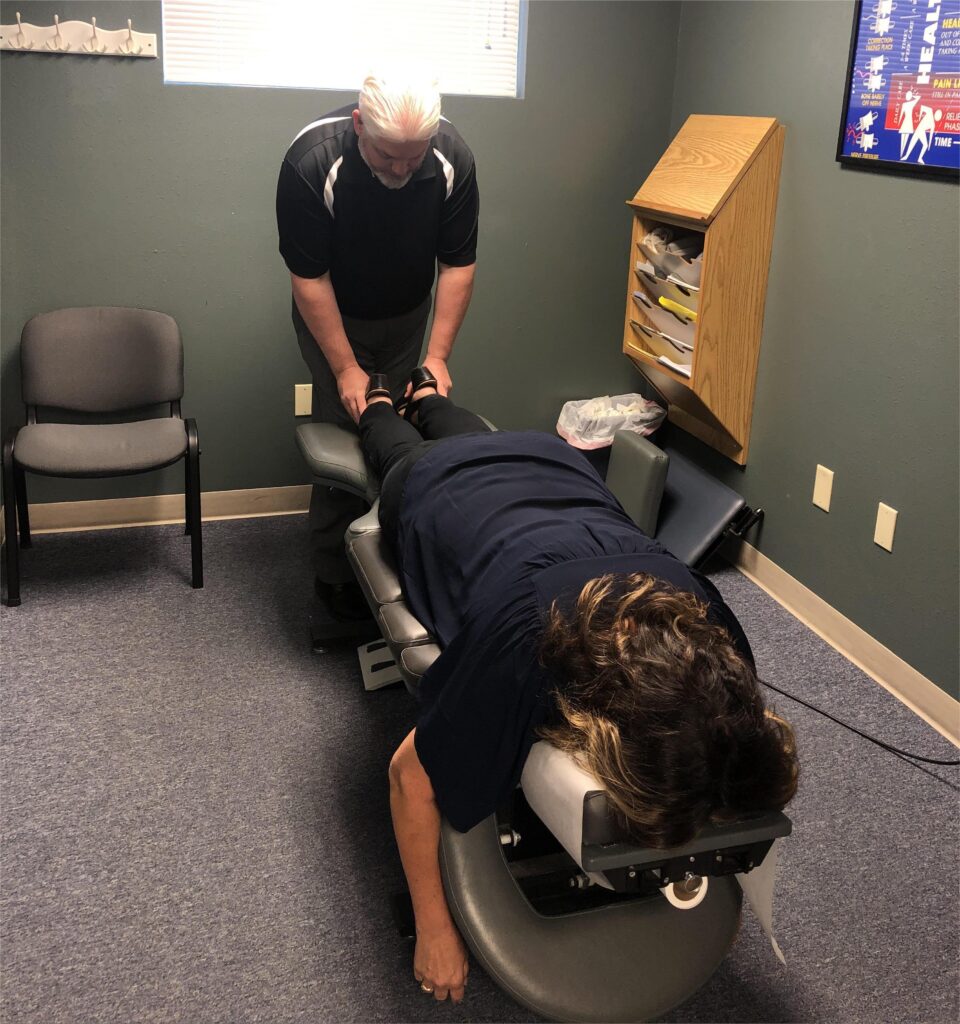
- Regular Chiropractic Adjustments: Regular visits to your chiropractor can significantly reduce the frequency and intensity of tension headaches. Chiropractic adjustments help align your spine, relieve pressure on nerves, and promote overall spinal health, leading to fewer headaches.
- Stretching and Movement: Incorporate gentle stretching and movement into your daily routine. Simple neck and shoulder stretches can help release tension in those areas, while regular physical activity promotes overall well-being.
- Mindfulness and Relaxation: Practicing mindfulness techniques, such as meditation or yoga, can help you manage stress and reduce tension. Set aside some time each day to focus on relaxation and self-care.
By integrating these tips into your lifestyle and prioritizing regular chiropractic care, you can take significant steps toward relieving tension headaches naturally. Remember, your spinal health plays a crucial role in your overall wellness, so don’t hesitate to reach out to your chiropractor for personalized guidance and support.
Key Takeaways
- Start your day with a few minutes of deep breathing and mindfulness. This practice helps to reduce stress and muscle tension, which are common triggers for tension headaches. Remember, a relaxed mind often leads to a relaxed body.
- Pay attention to your posture throughout the day. Maintaining proper posture and setting up your workspace ergonomically can significantly reduce neck and back strain, which are often linked to headaches. A chiropractor can help you assess your posture and make necessary adjustments.
- Stay well-hydrated by drinking water regularly. Dehydration is a key factor that can lead to tension headaches. Keeping your body well-hydrated supports overall health and wellness.
- Applying cold or warm compresses to your forehead or neck can offer relief from headache pain. Cold compresses can reduce inflammation, while warm compresses can help relax tight muscles. This simple practice can be an effective way to ease discomfort at home.
- Incorporate regular physical activity into your routine, such as walking or yoga. Exercise not only releases endorphins that boost your mood, but it also promotes better spinal health, which can lead to a decrease in headache frequency. A chiropractor can guide you on exercises that are particularly beneficial for your spine and overall wellness.
By focusing on these natural approaches and considering chiropractic care, you can effectively manage and reduce the occurrence of tension headaches while improving your overall health. Remember, your spine plays a crucial role in your health, and caring for it can lead to a happier, healthier life.
Practice Deep Breathing Techniques
When it comes to alleviating tension headaches, incorporating deep breathing techniques into your routine can be a transformative practice. Many people are unaware of how much stress affects their bodies until they take a moment to focus on their breath. Start by finding a comfortable position, whether you’re seated or lying down. Close your eyes and take a deep breath in through your nose, allowing your abdomen to rise. Hold that breath for a few seconds, then slowly release it through your mouth. Concentrate on the rhythm of your breathing and consciously relax any areas of tension in your body.
Repeat this deep breathing process for several minutes. With each exhale, imagine letting go of built-up stress. This simple practice not only promotes relaxation but also enhances oxygen flow throughout your body, which can help calm your mind and alleviate tight muscles in your neck and shoulders—areas often affected by tension headaches.
In addition to deep breathing, it’s essential to maintain proper spinal alignment to support overall wellness. Regular chiropractic care can play a crucial role in managing headaches by addressing posture and spinal health. A chiropractor can help identify any misalignments that may be contributing to your discomfort and provide gentle adjustments to restore balance.
Incorporating deep breathing and regular chiropractic visits into your daily routine can significantly reduce the frequency and intensity of tension headaches. So, take a moment to breathe deeply, prioritize your spinal health, and experience the relief and wellness that comes with a natural approach to health. Your body will thank you!
Maintain Good Posture
Maintaining good posture is crucial for preventing tension headaches and enhancing your overall well-being. As a chiropractor, I often see how poor posture can lead to increased strain on the neck and back, resulting in discomfort and headaches. By making a conscious effort to align your head over your shoulders and keep your spine straight, you can significantly reduce this strain.
If you spend long hours at a desk, it’s important to adjust your chair and computer screen so that your eyes are level with the top of the monitor. This simple adjustment can help promote better posture and reduce the risk of headaches. Remember to take breaks every hour to stretch and reset your posture—standing up and gently stretching your neck, shoulders, and back can work wonders.
When you’re on the go, be mindful of how you hold your phone or carry your bag. Avoid hunching over by keeping your devices at eye level and distributing the weight of your bag evenly across your shoulders.
Strengthening your core muscles is another effective way to support good posture. Exercises like planks and bridges can be easily incorporated into your daily routine. A strong core helps maintain proper alignment and stability, making it easier to hold good posture throughout the day.
Stay Hydrated
Staying hydrated is essential for preventing tension headaches, a common issue that many of my patients face. As a chiropractor, I understand that dehydration can lead to an array of discomforts, including fatigue and irritability, which can further exacerbate tension in your body and spine. Proper water intake can play a significant role in maintaining not just hydration, but also overall wellness and spinal health.
When your body is well-hydrated, it can better support the function of your muscles and joints, making it easier for your spine to stay aligned. This means less tension in your neck and back, which can help alleviate pain and discomfort. Here are some easy tips to keep you hydrated throughout the day and promote a healthier lifestyle:
- Carry a Water Bottle: Keep a reusable water bottle with you at all times. This not only makes it convenient to drink water but also serves as a reminder to hydrate regularly.
- Set Reminders: Use your phone or a timer to remind you to take a sip of water every hour. This can help you develop a routine and ensure you’re getting enough fluids.
- Infuse Your Water: If plain water doesn’t excite you, try infusing it with fruits like lemon, lime, or berries. This adds flavor without any added sugars and can encourage you to drink more.
- Eat Hydrating Foods: Incorporate fruits and vegetables with high water content into your diet, such as cucumbers, watermelon, and oranges. These can contribute to your overall hydration levels while providing essential nutrients.
- Listen to Your Body: Pay attention to the signs your body gives you. If you’re feeling thirsty, don’t ignore it! Make it a priority to drink water whenever you feel that urge.
By making hydration a priority, you can support your spine and overall health, as well as reduce the risk of tension headaches. Remember, chiropractic care can also help maintain your body’s natural balance and alignment, further enhancing your wellness journey.
If you’re experiencing any discomfort or would like to learn more about how chiropractic care can assist you, don’t hesitate to reach out for a consultation. Together, we can work towards achieving optimal health and wellness!
Importance of Water Intake
Staying well-hydrated is essential not just for your overall health but also for preventing tension headaches, which can be a common issue for many. When your body is properly hydrated, blood circulation improves, allowing your brain to receive the nutrients and oxygen it needs. This process helps keep your muscles relaxed, reducing the tension that can lead to headaches.
As a chiropractor, I often emphasize the importance of hydration in maintaining a healthy spine and overall wellness. When the body is dehydrated, it can lead to increased muscle tension and discomfort, which may affect your posture and spinal alignment. Drinking water consistently throughout the day is important—don’t wait until you’re thirsty! A simple tip is to sip water during meals and keep a water bottle with you while you work or exercise.
Incorporating herbal teas and water-rich fruits into your diet can also help with hydration. Remember, prioritizing your water intake is a proactive step towards optimal health and can significantly reduce the chances of experiencing annoying tension headaches.
If you do experience headaches, consider visiting your chiropractor for a natural approach to pain relief. Chiropractic care focuses on aligning your spine and improving your overall body function, which can help alleviate headache symptoms in the long run. Taking care of your hydration, combined with regular chiropractic adjustments, can lead to a healthier, headache-free life!
Signs of Dehydration
When you don’t drink enough water, your body can show several signs of dehydration that are important to recognize, especially if you’re looking to maintain optimal health and wellness. As a chiropractor, I want to emphasize how hydration plays a crucial role in overall body function, including spinal health.
You might notice a dry mouth or increased thirst, which can sometimes feel overwhelming, as if nothing you drink can satisfy your need for hydration. Fatigue is another common indicator; you may find yourself feeling unusually tired or sluggish, which can affect your daily activities and overall well-being. Headaches, including tension headaches, can also arise when your body isn’t adequately hydrated.
It’s essential to pay attention to changes in your urine; if it appears dark yellow or amber, it’s a strong sign that you need to drink more water. Additionally, you might experience dizziness or lightheadedness, especially when you stand up quickly.
These symptoms can lead to discomfort and even affect your spinal health, as dehydration can alter how your body functions.
Recognizing these signs early allows you to take action and maintain your hydration levels, which is vital for supporting your overall wellness. Staying well-hydrated can also help reduce headache occurrences and enhance your body’s ability to heal naturally.
As a simple tip, try to carry a water bottle with you throughout the day to remind yourself to drink regularly. Incorporate hydrating foods like fruits and vegetables into your diet as well. Remember, maintaining good hydration habits can complement the benefits of chiropractic care, helping you achieve a healthier, pain-free life!
Hydration Tips and Tricks
Staying properly hydrated is a key part of maintaining overall health and wellness, and it can even support your spinal health. As a chiropractor, I can tell you that hydration plays a vital role in keeping your body functioning optimally.
Start your day with a glass of water; it’s a fantastic way to kickstart your metabolism and help you feel refreshed.
Carrying a reusable water bottle can make it easier to sip throughout the day, creating a healthy habit that supports not just your hydration but your overall wellness. For an added boost, try infusing your water with slices of fruits like lemon or berries, or refreshing herbs like mint. This can make drinking water more enjoyable and encourage you to drink more.
Setting reminders on your phone to drink water every hour can be an effective way to ensure you’re staying hydrated. It’s especially important to increase your water intake if you’re active or if the weather is warm, as you’ll lose more fluids through sweat.
Don’t forget that hydration comes from more than just water! Herbal teas and foods with high water content, such as fruits and vegetables, can also help you meet your hydration needs. Staying mindful about your hydration not only helps your body but also supports your spine and overall health.
Apply Cold or Warm Compresses
When a tension headache strikes, applying cold or warm compresses can significantly enhance your comfort and support your journey toward natural healing.
Cold compresses can numb the pain and reduce inflammation, making them a great choice for immediate relief. On the other hand, warm compresses can help relax tense muscles, promoting better circulation and soothing discomfort.
As a chiropractor, I often recommend using these compresses as complementary tools to support spinal health and overall wellness. By alleviating tension and discomfort, you create a more conducive environment for your body to heal itself naturally.
Here are some general tips for using compresses effectively:
- Cold Compress: Apply a cold pack wrapped in a cloth to your forehead or the back of your neck for 15-20 minutes. This can help numb the area and reduce swelling.
- Warm Compress: Use a warm towel or heating pad on tense muscles, especially around the neck and shoulders, for about 15-20 minutes. This can help loosen tight areas and promote relaxation.
Cold Compress Benefits
Applying a cold or warm compress can be a simple yet effective way to alleviate tension headaches, which are often linked to stress and spinal misalignments. As a chiropractor, I believe in the power of natural methods to promote wellness and relieve pain.
When you use a cold compress, it can help numb the pain and reduce inflammation. The cool sensation constricts blood vessels, potentially lessening the pressure in your head.
You can easily create your own cold compress by wrapping ice in a cloth or using a cold pack. Apply it to your forehead or the back of your neck for about 15-20 minutes. This method not only helps relieve headache pain but can also promote relaxation, which is essential for overall health.
Incorporating regular chiropractic care can further support your body’s ability to heal naturally by addressing the root causes of tension headaches, such as spinal misalignments. Remember to take breaks between applications to avoid skin irritation, and consider combining cold compresses with gentle stretches or chiropractic adjustments for even better results.
Warm Compress Advantages
While cold compresses can numb pain and reduce inflammation, warm compresses have their own unique advantages, especially for those dealing with tension headaches. As a chiropractor, I want to emphasize that incorporating warm compresses into your self-care routine can be a natural and effective way to promote healing and alleviate discomfort.
Here are some beneficial effects of warm compresses:
- Muscle Relaxation: The warmth helps to ease tension in tight neck and shoulder muscles, which are often culprits behind headache pain. This relaxation can complement the adjustments you receive during chiropractic care.
- Enhanced Circulation: Applying a warm compress increases blood flow to the affected areas, ensuring that essential nutrients and oxygen reach your muscles. This improved circulation supports your body’s natural healing processes.
- Stress Relief: The soothing warmth can create a calming effect, promoting relaxation and reducing overall stress levels. Managing stress is vital for maintaining spinal health and preventing tension-related headaches.
- Pain Reduction: By relieving muscle tightness, warm compresses may help reduce the intensity of your headaches. When combined with chiropractic adjustments, this approach can lead to more effective pain management.
Incorporating warm compresses into your wellness routine, alongside regular chiropractic care, can be a simple yet powerful strategy to manage tension headaches. Remember, taking care of your spine and overall health naturally can lead to lasting benefits.
If you’re experiencing frequent headaches, consider discussing this with your chiropractor to explore a comprehensive approach to your well-being.
Incorporate Regular Exercise
Regular exercise is an excellent way to reduce the frequency and intensity of tension headaches, and it’s a natural approach that aligns beautifully with chiropractic care.
When you engage in physical activity, your body releases endorphins, which serve as natural pain relievers and can uplift your mood. You don’t need to dive into intense workouts; even moderate activities such as walking, swimming, or practicing yoga can make a significant difference. Aim for at least 30 minutes of exercise most days of the week to reap the benefits.
In addition to regular exercise, incorporating stretching and relaxation techniques into your routine can further ease muscle tension, which is often a trigger for headaches. A consistent exercise schedule not only helps reduce headache occurrences but also enhances your overall well-being, which is a core aspect of chiropractic care.
It’s essential to listen to your body and choose activities that you genuinely enjoy; this will help you stay motivated and committed. Remember, consistency is key. By making exercise a regular part of your life, you’re actively taking steps toward managing and reducing tension headaches naturally.
As a chiropractor, I encourage you to consider how spinal health plays a role in your overall wellness. Regular adjustments can support your body’s natural ability to function optimally, enhancing the benefits of your exercise routine. Together, chiropractic care and regular physical activity are powerful tools in achieving and maintaining your health.
Try Essential Oils
When it comes to relieving tension headaches naturally, chiropractic care is a powerful option. By addressing spinal alignment and muscle tension, chiropractors can help alleviate the root causes of headaches.
However, incorporating essential oils into your wellness routine can also enhance your relief. These concentrated plant extracts not only promote relaxation but also support your overall health. Here are some popular essential oils that you may find beneficial:
- Peppermint Oil: This oil has a refreshing cooling effect that can improve blood flow and help to relax tight muscles. It’s a great addition to your relaxation practices alongside chiropractic adjustments.
- Lavender Oil: Known for its calming properties, lavender can help reduce stress and promote relaxation, which is essential for maintaining a healthy spine and overall wellness.
- Eucalyptus Oil: If your headache is related to sinus pressure, eucalyptus oil might be helpful. It can support your respiratory health, allowing for better oxygen flow and relief from tension.
- Rosemary Oil: This oil is known to improve circulation and can uplift your mood, which is important for your overall mental and physical health.
To incorporate these oils into your routine, consider diffusing them in your home or mixing a few drops with a carrier oil for a gentle massage on your temples. While essential oils can provide soothing relief, remember that regular chiropractic care is key for long-term wellness and headache prevention.
Taking care of your spine through chiropractic adjustments can help maintain proper alignment, reduce muscle tension, and ultimately decrease the frequency and intensity of headaches. Embrace a holistic approach to your health by combining chiropractic care with these natural remedies for the best results.
Explore Mindfulness and Meditation
How can mindfulness and meditation support your journey toward alleviating tension headaches? These practices center your mind, diminish stress, and promote relaxation, making them valuable allies in managing headache triggers. By cultivating awareness of your body, you can recognize the tension that builds up and address it before it turns into pain.
To get started, try dedicating just a few minutes each day to mindfulness. Find a peaceful spot, sit comfortably, and focus on your breath. When thoughts come to mind, simply acknowledge them, then gently redirect your attention back to your breathing. This straightforward practice can help lower stress levels and enhance your overall wellness.
As a chiropractor, I encourage you to consider how spinal alignment can also play a significant role in reducing tension headaches. Regular chiropractic adjustments can help relieve pressure on your nerves, improve circulation, and promote relaxation in your muscles. Combining chiropractic care with mindfulness practices can greatly enhance your results.
You might also want to explore resources like guided meditations or mindfulness apps, which can help you stay on track. With consistent practice, you may notice a reduction in the frequency and intensity of your tension headaches. Remember, the goal is to create a routine that supports both your mental and physical health. Embrace mindfulness alongside regular chiropractic care, and you’ll find a natural path to headache relief and overall wellness.
Conclusion
By integrating these natural strategies into your everyday life, you can not only relieve tension headaches but also enhance your overall well-being. As a chiropractor, I believe that optimal health starts with a healthy spine and nervous system, so let’s focus on some practical tips that can make a real difference.
First, practice deep breathing exercises. This helps to calm your mind and reduce muscle tension. Maintaining good posture is crucial as well—sitting or standing up straight can alleviate stress on your neck and back, preventing headaches from developing.
Staying hydrated is another key factor. Dehydration can often lead to headaches, so make sure to drink plenty of water throughout the day. You might also find relief by using warm or cold compresses on your forehead or neck, which can ease muscle tension.
Regular exercise is vital for spinal health and can help prevent tension headaches. Simple activities, like walking or stretching, can release endorphins, which are natural pain relievers. Don’t forget about the power of essential oils, such as lavender or peppermint, which can promote relaxation and reduce headache symptoms when used in moderation.
Mindfulness and meditation are also excellent practices to incorporate into your routine. They help reduce stress and promote mental clarity, which can alleviate the frequency and intensity of headaches.
Remember, chiropractic care is an excellent option for managing headaches naturally. Regular adjustments can help ensure that your spine is aligned, reducing nerve interference and promoting overall wellness. By embracing these tips, you can take control of your health and find relief from those pesky headaches without relying on medications or invasive treatments. Your journey to better health starts with a healthy spine!