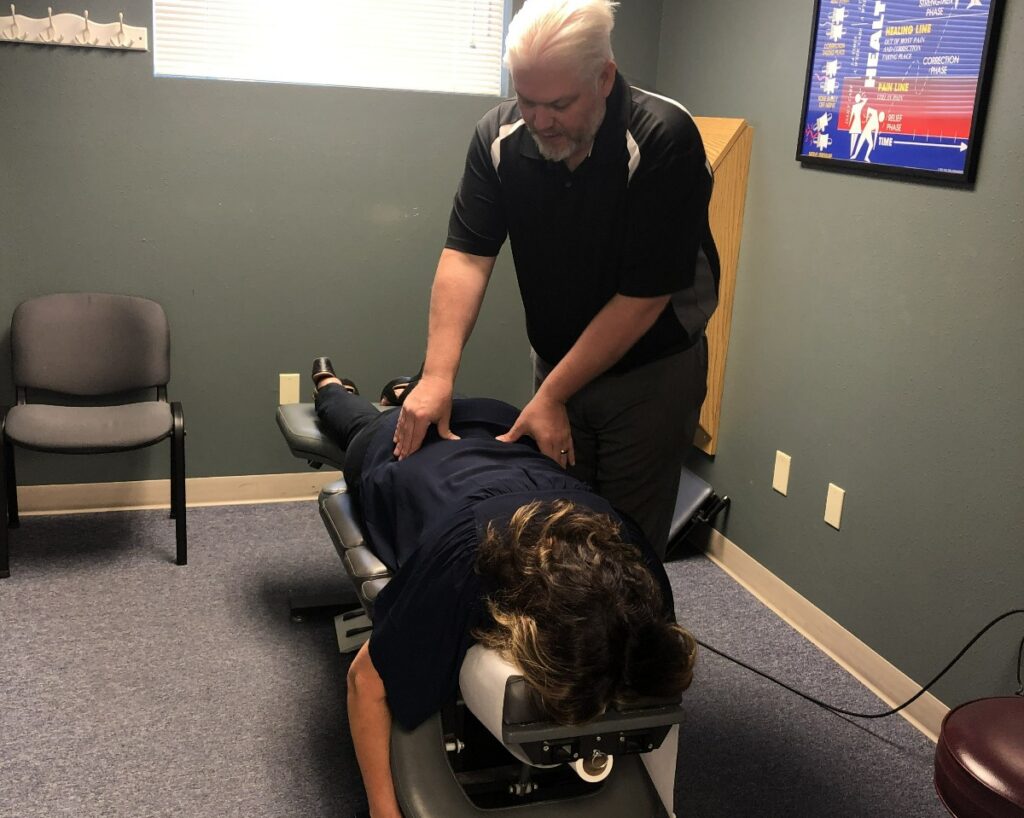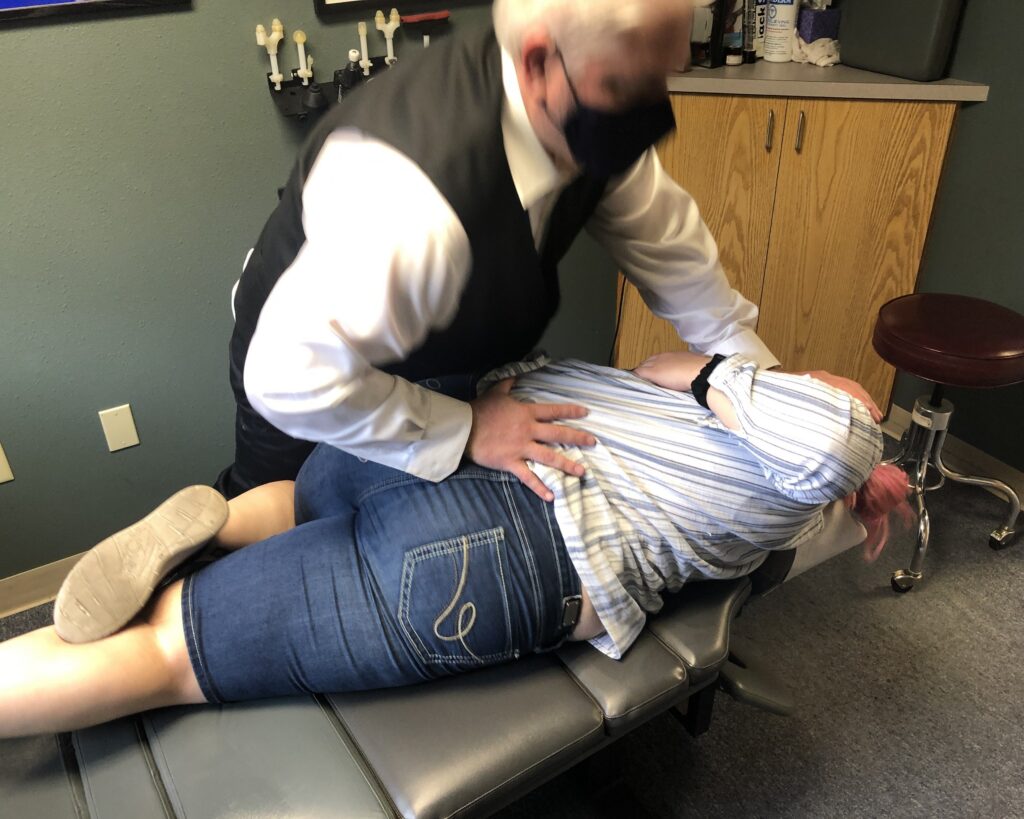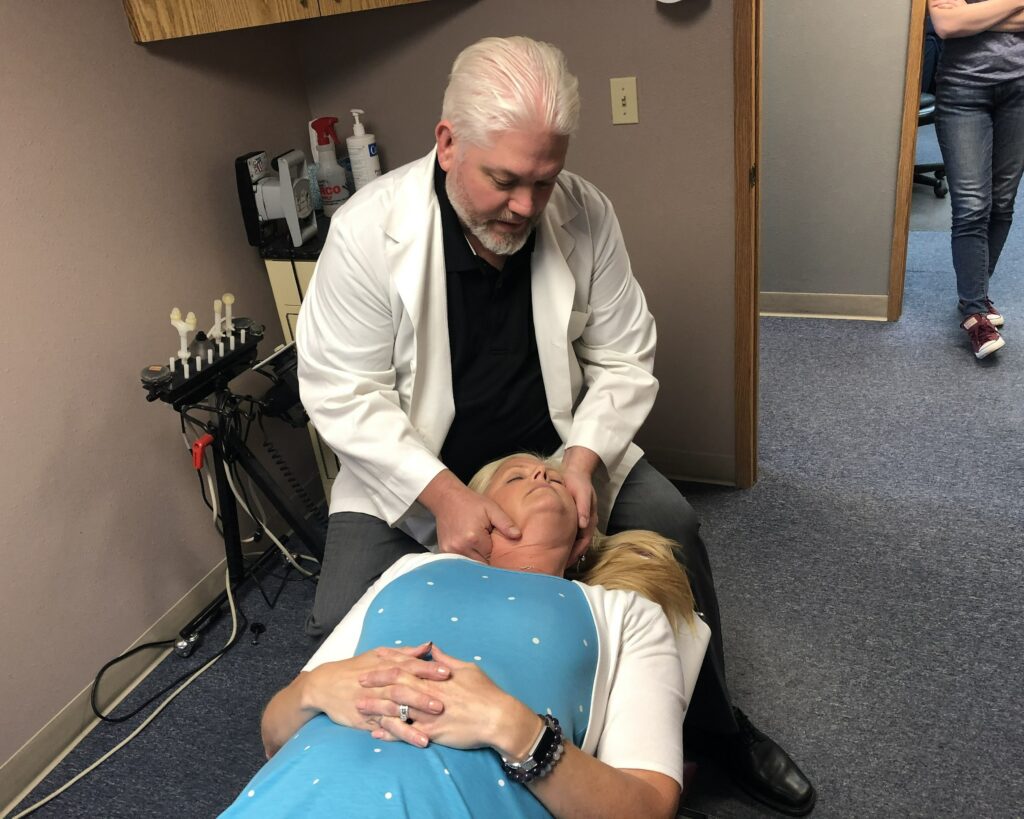

As a local chiropractor, I want to share some valuable strategies for managing chronic pain that can significantly enhance your quality of life. It's important to start by understanding the nature of your pain. This is where we, as chiropractors, can help you gain insight into how your body functions and how spinal alignment plays a critical role in pain management.
Practicing mindfulness is another effective strategy. By being present and aware of your body, you can learn to manage your pain more effectively. We often incorporate mindfulness techniques into our chiropractic sessions to help you develop a deeper connection with your body.
Regular exercise is also essential. Gentle movements and specific exercises can strengthen your muscles and improve flexibility, which is crucial for alleviating pain. I can guide you on safe exercises tailored to your condition.
A healthy diet should not be overlooked, as it can significantly impact inflammation levels in your body. I encourage my patients to explore nutritional options that support their overall health and well-being.
Additionally, exploring alternative therapies, including chiropractic adjustments, can provide relief by addressing the root causes of pain rather than just the symptoms. Many patients find that chiropractic care, combined with other holistic approaches, leads to a more balanced and effective pain management strategy.
Don't underestimate the importance of a strong support system. Surrounding yourself with friends, family, and healthcare providers who understand your journey can make a world of difference. Effective communication with your healthcare team, including your chiropractor, ensures you receive the best possible care tailored to your needs.
As you consider these strategies, remember that each approach is unique to you. Together, we can create a personalized plan that empowers you in your journey toward better pain management and improved quality of life.
Understand Your Pain
Understanding Your Pain: A Chiropractic Perspective
As a chiropractor, my goal is to help you understand your pain and how it affects your overall well-being. It's crucial to realize that pain goes beyond just a physical sensation; it also includes emotional and psychological factors. To effectively manage chronic pain, I encourage you to explore its nature and how it impacts your daily life.
Ask yourself key questions: When did you first notice the pain? Are there specific activities or situations that trigger it? How does the pain influence your mood and daily activities? By delving into these questions, we can start to unravel the complexity of your pain together.
It's also important to recognize the difference between acute and chronic pain. Acute pain often arises from an injury or a specific medical condition, while chronic pain persists long after the initial cause has been addressed. Understanding this distinction is vital as it helps us tailor your treatment plan and set realistic expectations for your recovery.
One effective tool for understanding your pain is keeping a pain diary. In this diary, you can track when you experience pain, its intensity, and any other symptoms that accompany it. By documenting these details, you may uncover patterns that can inform our approach to your care.
You might discover that certain activities or times of day worsen your discomfort, and we can work together to adjust your routine accordingly.
Finally, I want to emphasize the importance of professional support in your healing journey. As your chiropractor, I'm here to conduct a thorough evaluation and discuss your findings from your pain diary.
Together, we can identify any underlying issues and create a personalized treatment plan that addresses your unique situation. By gaining a deeper understanding of your pain, you empower yourself to make informed decisions and take control of your path toward relief and improved health.
Practice Mindfulness Techniques
As your local chiropractor, I want to share how practicing mindfulness techniques can serve as a valuable complement to your chiropractic care in managing chronic pain and improving your overall well-being. Mindfulness allows you to stay grounded in the present moment, enabling you to observe your pain without judgment. By focusing on the here and now, you can alleviate anxiety and stress that often worsen your discomfort.
Let's start with a simple mindfulness exercise. Find a quiet and comfortable space where you can relax. You can either sit or lie down, and take a few deep breaths. Pay attention to the rhythm of your breath as it flows in and out. If thoughts about your pain come to mind, simply acknowledge them without resistance and gently redirect your focus back to your breathing. This practice helps train your mind to respond to pain with awareness rather than fear or frustration.
I also encourage you to explore guided meditations tailored for pain management. There are many apps and online resources available that offer sessions designed to enhance your mindfulness practice. These guided meditations often incorporate visualizations and relaxation techniques, which can significantly help you cope with discomfort.
Another effective technique is body scanning. This involves mentally checking in with various parts of your body. Start at your toes and work your way up, paying attention to any areas of tension or pain. As you focus on each area, breathe deeply into it, allowing any tension to dissipate.
Incorporating mindfulness into your daily routine can yield significant benefits. Try to set aside just a few minutes each day for practice, gradually increasing the duration as you grow more comfortable.
Over time, you'll likely discover that mindfulness not only aids in managing your chronic pain but also enhances your overall quality of life, making your journey to wellness even more fulfilling. Together with chiropractic adjustments, these practices can lead to a holistic approach to your health and healing.
Incorporate Regular Exercise
As a local chiropractor, I want to highlight the essential role that regular exercise plays in managing chronic pain and promoting overall health. Engaging in physical activity isn't just about building muscle or losing weight; it can significantly improve your flexibility, strength, and endurance, all of which can help alleviate discomfort associated with chronic pain.
By incorporating regular exercise into your daily routine, you can take proactive steps to manage your pain, rather than allowing it to dictate your life.
I encourage you to start with activities that you genuinely enjoy. This could include walking, swimming, cycling, or even practices like yoga and Pilates. The key is to find something that feels good and inspires you to stay active.
Aim for at least 30 minutes of moderate exercise most days of the week, but it's crucial to listen to your body and adjust your activities as needed. If you're new to exercise, consider breaking that time into shorter sessions throughout the day to make it more manageable.
Strength training is particularly beneficial for those dealing with chronic pain. It helps build the muscle strength that supports and stabilizes painful areas. If you're unsure about where to start or which exercises are appropriate for your specific condition, don't hesitate to reach out to a physical therapist or a fitness trainer for guidance. They can provide tailored advice to ensure you're exercising safely and effectively.
Beyond the physical benefits, regular exercise also has a profound impact on your mental well-being. It can boost your mood and reduce anxiety, which often accompany chronic pain.
By committing to a consistent exercise routine, you're not only working on your body but also nurturing your mental health. Remember, consistency is key. Celebrate every step of your progress, no matter how small, and stay dedicated to your journey toward a more active and pain-managed life.
At our chiropractic clinic, we're here to support you every step of the way.
Maintain a Healthy Diet
As a local chiropractor, I want to emphasize the importance of maintaining a healthy diet in managing chronic pain. Many of my patients may not realize how significantly their food choices can affect their physical and mental well-being. The right nutrition can impact inflammation levels, energy, and even mood, which are all crucial for anyone dealing with pain.
I encourage you to incorporate whole, nutrient-dense foods into your diet. Fresh fruits, vegetables, whole grains, lean proteins, and healthy fats not only provide essential nourishment but also help reduce inflammation that can worsen your pain.
Focus on foods that are high in antioxidants, such as berries, leafy greens, and nuts. These can help combat oxidative stress in your body. Additionally, omega-3 fatty acids found in fatty fish like salmon, as well as walnuts and flaxseeds, are renowned for their anti-inflammatory properties.
Don't hesitate to spice up your meals with turmeric and ginger, as they've been shown to offer additional pain-relief benefits.
Hydration is another key element. Drinking plenty of water is vital for flushing out toxins and keeping your joints lubricated, which can help alleviate discomfort.
I also recommend limiting processed foods, sugar, and unhealthy fats, as these can contribute to inflammation and intensify your pain.
It's equally important to practice portion control. Eating smaller, more frequent meals can help maintain steady energy levels throughout the day, which is essential for combating the fatigue that often accompanies chronic pain.
Lastly, I advise you to pay attention to how certain foods affect your body. Keeping a food diary can be a useful tool in identifying triggers that may worsen your pain, enabling you to make informed dietary choices.
Explore Alternative Therapies
As a local chiropractor, I want to share some insights on how alternative therapies can be an effective way to manage chronic pain alongside maintaining a healthy diet. Many of my patients have found that incorporating complementary methods not only enhances their overall well-being but also helps alleviate discomfort in various ways.
One of the techniques I often recommend is acupuncture, a practice with roots in Traditional Chinese Medicine. By targeting specific points on your body, acupuncture can stimulate the release of endorphins, which may help increase your pain threshold. This can be a great addition to your pain management plan.
Mindfulness meditation is another approach worth considering. This practice focuses on bringing your attention to the present moment, which can significantly reduce anxiety and stress—factors that often worsen pain. Even starting with just a few minutes a day can make a difference, and you can gradually extend your practice as you become more comfortable.
Yoga is also beneficial for many of my patients. By combining gentle movement with breath control, yoga not only improves flexibility but also helps relieve tension in your muscles. It's a wonderful way to incorporate physical activity into your routine while managing pain.
Herbal remedies can also support your journey towards pain relief. For example, turmeric contains curcumin, known for its anti-inflammatory properties. However, it's essential to consult with me or your healthcare provider before starting any new supplements to ensure they're safe and appropriate for your individual needs.
Lastly, I can't emphasize enough the benefits of massage therapy. Regular massage sessions can help relieve muscle tension and improve circulation, which may lead to reduced pain levels. Communication with your therapist is crucial—be open about your specific pain points so they can tailor the treatment to suit your needs.
Utilize Pain Management Tools
As a local chiropractor, I want to share some valuable insights on managing chronic pain through natural healing methods. One effective approach is to utilize various pain management tools that can support your journey towards relief.
For instance, digital pain trackers can help you keep a close eye on your symptoms and identify potential triggers, allowing us to tailor your treatment plan more effectively.
Additionally, physical therapy devices can play a crucial role in your recovery process. These tools can aid in strengthening your body and improving mobility, which is essential for alleviating pain.
Beyond these traditional methods, I encourage you to consider alternative therapies, such as chiropractic adjustments, acupuncture, or massage therapy. Incorporating these options into your pain management strategy can enhance your overall well-being and promote a more holistic approach to healing.
Together, we can work towards better pain management and help you regain control over your life.
Explore Digital Pain Trackers
As a local chiropractor, I want to introduce you to an innovative approach to managing chronic pain through the use of digital pain trackers. These valuable tools can significantly enhance your understanding of your pain and its underlying causes. By utilizing apps and online platforms, you can monitor your pain levels, symptoms, and potential triggers in real time.
By documenting your experiences daily, you can gain insights into the fluctuations of your pain and identify factors that may be contributing to it. You have the flexibility to customize your entries to include important details such as your medication use, physical activities, and even your emotional state. This comprehensive data allows you to recognize patterns that can inform your pain management strategies.
Sharing this information with me during our appointments can lead to more productive discussions about your care. It helps us develop a tailored plan that addresses your unique needs. Additionally, many digital pain trackers offer reminders for medication and self-care routines, ensuring you stay on track with your health regimen. Some also provide educational resources that are specifically aligned with your condition, empowering you to make informed choices about your healing journey.
Integrating these tools into your daily routine can deepen your understanding of chronic pain and lead to more effective management strategies. I encourage you to take advantage of the technology available to you. Whether you opt for a mobile app or a web-based platform, using digital pain trackers can greatly improve your quality of life as you work to regain control over your pain.
Implement Physical Therapy Devices
As a local chiropractor dedicated to your health and well-being, I understand that effective pain management is essential for your recovery and overall quality of life. One way we can achieve this is through the use of physical therapy devices that complement our chiropractic care.
These tools can support your rehabilitation, enhance your mobility, and help alleviate discomfort. Here are four important types of physical therapy devices that I recommend you consider:
- TENS Units: Transcutaneous Electrical Nerve Stimulation (TENS) units are fantastic for pain relief. They work by sending low-voltage electrical currents to stimulate the nerves, providing relief without relying on medication. This can be especially beneficial for those experiencing chronic pain.
- Therapeutic Ultrasound: This device utilizes sound waves to promote healing in your tissues and reduce inflammation. It's particularly effective for soft tissue injuries, which are common in both active individuals and those recovering from injury.
- Resistance Bands: These are excellent for building strength and improving flexibility. Resistance bands are versatile and can be customized to meet your specific rehabilitation needs. They can easily be used at home or in conjunction with our therapy sessions, making them a convenient option.
- Hot/Cold Packs: Sometimes, the simplest solutions are the most effective. Hot and cold packs can help manage pain by reducing swelling or relaxing tense muscles, depending on whether you need heat or cold therapy. These are easy to use at home and can provide immediate relief.
Incorporating these devices into your recovery plan can significantly enhance your experience and outcomes.
I encourage you to consult with me to ensure you're using the right tools tailored to your individual condition. Together, we can develop a comprehensive pain management strategy that aligns with your natural healing journey.
Consider Alternative Therapies
As a local chiropractor, I'm here to share how exploring alternative therapies can truly transform your experience in managing chronic pain. While traditional medical approaches are valuable, integrating complementary therapies can significantly enhance your overall well-being and quality of life.
One effective method I often recommend is acupuncture. This ancient practice can stimulate your body's natural pain relief systems. Many of my patients have reported experiencing significant improvements after just a few sessions, which can be a wonderful addition to your pain management routine.
Mindfulness meditation is another powerful tool. By concentrating on your breath and being present in the moment, you can effectively reduce stress and anxiety—two factors that frequently worsen pain.
Additionally, practices like yoga and tai chi combine gentle movement with mindfulness, helping to improve flexibility and strength while soothing your mind.
Herbal supplements and essential oils deserve your attention as well. Some research suggests that specific herbs may help alleviate pain and reduce inflammation. However, it's crucial to consult with me or your healthcare provider before starting any new supplements to ensure safety and prevent any potential interactions with your current medications.
Lastly, let's not forget about biofeedback. This innovative technique empowers you to gain control over certain bodily functions, which can aid in managing pain more effectively.
Establish a Support System
Creating a robust support system is crucial for anyone dealing with chronic pain, and at our chiropractic clinic, we understand the importance of surrounding yourself with the right people. You don't have to face this journey alone; having a supportive network can significantly enhance your overall well-being.
Here are some steps to help you establish a strong support system while navigating your pain management:
- Communicate Openly: It's vital to share your experiences with family and friends. Let them know what you're going through, including how chronic pain affects your daily life. This kind of openness encourages empathy and helps them understand how best to support you.
- Join Support Groups: Consider looking for local or online support groups focused on chronic pain or wellness. Connecting with others who share similar experiences can offer both comfort and practical strategies for managing pain. These groups can also be a great resource for learning about natural healing approaches, including chiropractic care.
- Seek Professional Help: Don't hesitate to reach out to healthcare professionals, such as chiropractors, therapists, or social workers. We can provide you with tools, techniques, and holistic approaches to help manage your pain and improve your quality of life. Our goal is to empower you with knowledge and methods that work for your unique situation.
- Lean on Trusted Friends: Identify a few close friends who understand your situation and can serve as your support system. Whether it's discussing your challenges or asking for assistance with daily tasks, having reliable friends can be a tremendous relief as you cope with chronic pain.
Establishing a support system isn't only about receiving help; it's about fostering meaningful connections. Surrounding yourself with understanding and compassionate individuals can greatly improve your ability to manage chronic pain.
Prioritize Sleep Hygiene
As your local chiropractor, I want to emphasize how crucial sleep hygiene is for managing chronic pain and enhancing your overall health. Quality sleep plays a significant role in how your body handles pain and stress. When you're well-rested, you're in a better position to cope with discomfort, making it essential to develop a consistent sleep routine.
First and foremost, let's focus on creating a sleep-friendly environment. Ensure your bedroom is cool, dark, and quiet. You might want to consider blackout curtains, earplugs, or a white noise machine to minimize disruptions. A supportive mattress and pillows tailored to your sleeping position can also make a big difference in your comfort level.
Next, it's important to stick to a consistent sleep schedule. Try to go to bed and wake up at the same time each day, including weekends. This consistency helps regulate your body's internal clock, which can make falling and staying asleep much easier.
I also recommend limiting screen time before bed. The blue light from phones and computers can hinder your ability to drift off. Aim to disconnect at least an hour before you plan to sleep. Instead, engage in relaxing activities such as reading, meditating, or gentle stretching. These activities signal your body that it's time to unwind.
Additionally, pay attention to your diet and caffeine intake, especially in the hours leading up to bedtime. It's best to avoid heavy meals and stimulants close to when you're trying to sleep.
By incorporating these practices into your daily routine, you can significantly improve your sleep quality, which in turn can help you manage chronic pain more effectively.
Set Realistic Goals
Setting realistic goals is crucial when managing chronic pain, especially as you explore the benefits of chiropractic care and natural healing. Establishing clear, attainable objectives not only helps you navigate the complexities of chronic conditions but also empowers you to take control of your health journey.
Rather than striving for perfection or an unrealistic level of comfort, it's important to focus on achievable goals that can lead to gradual improvements in your quality of life.
Here are four strategies I recommend to help you set realistic goals:
- Identify Your Priorities: Consider what aspects of your health matter most to you. Whether it's reducing pain, enhancing your mobility, or improving your overall well-being, prioritizing these areas will allow you to set goals that truly resonate with you.
- Break Goals Into Smaller Steps: Instead of trying to make significant changes all at once, it's more effective to break your goals into smaller, manageable steps. For instance, if your goal is to increase your physical activity, begin with short, 10-minute chiropractic-approved exercises, and gradually build your endurance over time.
- Be Flexible: It's important to remain adaptable. Your pain levels and other factors may influence your ability to meet certain goals. Be open to adjusting your plans as necessary, and remember to be kind to yourself if things don't unfold as you anticipated.
- Celebrate Small Wins: Acknowledge and celebrate each step forward, no matter how minor it may seem. Every bit of progress is a victory, and recognizing these achievements can inspire you to continue pursuing your health goals.
Communicate With Healthcare Providers
Effective communication with your chiropractor can significantly enhance your experience and outcomes in managing chronic pain. When you clearly articulate your symptoms, it allows us to better understand your unique situation and tailor our treatment options to meet your specific needs.
Don't hesitate to share the details of your pain, including its intensity, frequency, and what seems to trigger it. This information is crucial in developing an effective chiropractic care plan.
Before your appointment, consider jotting down any questions or concerns you might have. This preparation ensures that you won't overlook discussing important aspects during our time together.
Be open about any past treatments or therapies you've tried, including what worked and what didn't. If something hasn't been effective, please inform us so we can explore alternative chiropractic techniques or approaches.
It's also essential to talk about your goals for pain management. Whether you aim to enhance your daily function or reduce pain levels, sharing these objectives will help guide us in crafting a suitable plan tailored just for you.
Remember, you play an active role in your healing journey. If something I say isn't clear or you need more information, don't hesitate to ask. It's my responsibility to ensure you feel informed and comfortable with your treatment choices.
Lastly, let's keep the conversation going. Managing chronic pain isn't a one-time fix; your needs may evolve over time. Regular check-ins will help us ensure your chiropractic care plan remains effective and up to date.
Open communication fosters a collaborative relationship, empowering you to take control of your pain management through natural healing.
Conclusion
As a local chiropractor, I want to share some valuable insights on managing chronic pain through a holistic approach. Understanding your pain is the first step in your journey toward relief. Incorporating mindfulness practices can help you stay grounded and aware of your body's signals. Staying active is crucial—gentle movement can alleviate discomfort and improve your overall health.
Nutrition also plays a vital role; a healthy diet can reduce inflammation and support your body's healing processes. Don't shy away from exploring alternative therapies, such as chiropractic adjustments, which can effectively address pain at its source. Additionally, leaning on your support system—friends, family, and healthcare professionals—can provide the encouragement you need.
Prioritizing quality sleep is essential for recovery, and setting realistic goals can help you stay motivated on your path to wellness. Regular communication with your healthcare providers, including your chiropractor, will ensure that your pain management plan is tailored specifically to your needs. Remember, you have the tools and support to take control of your pain naturally!