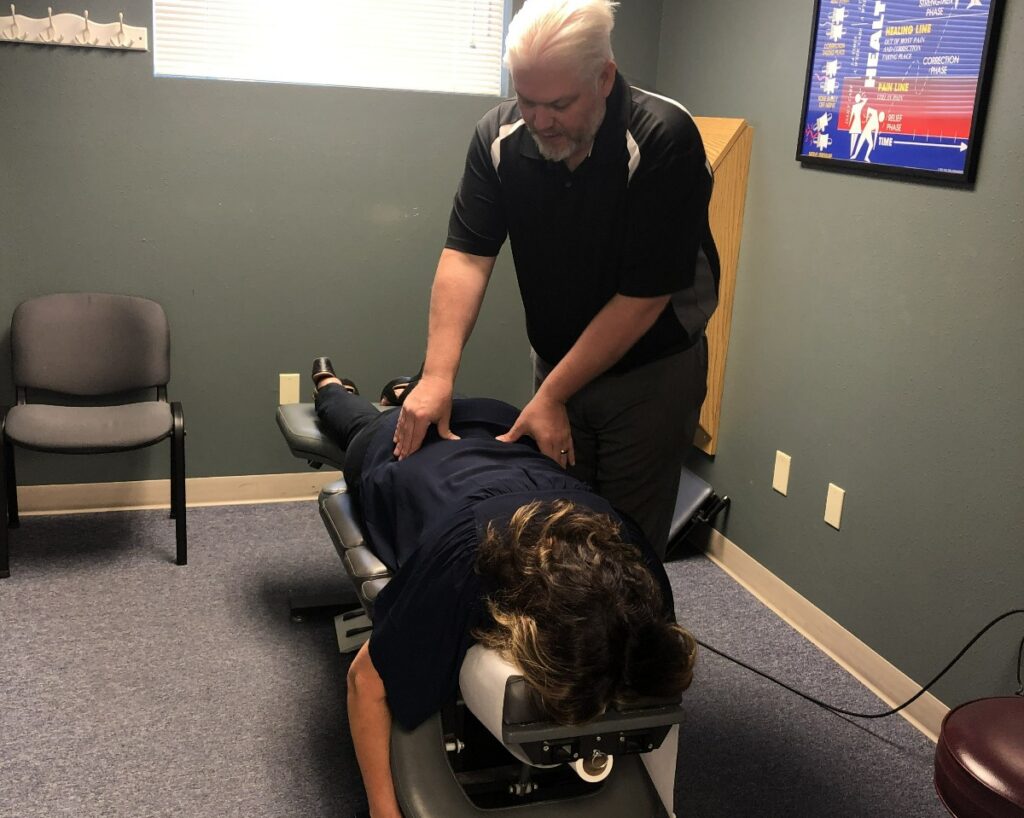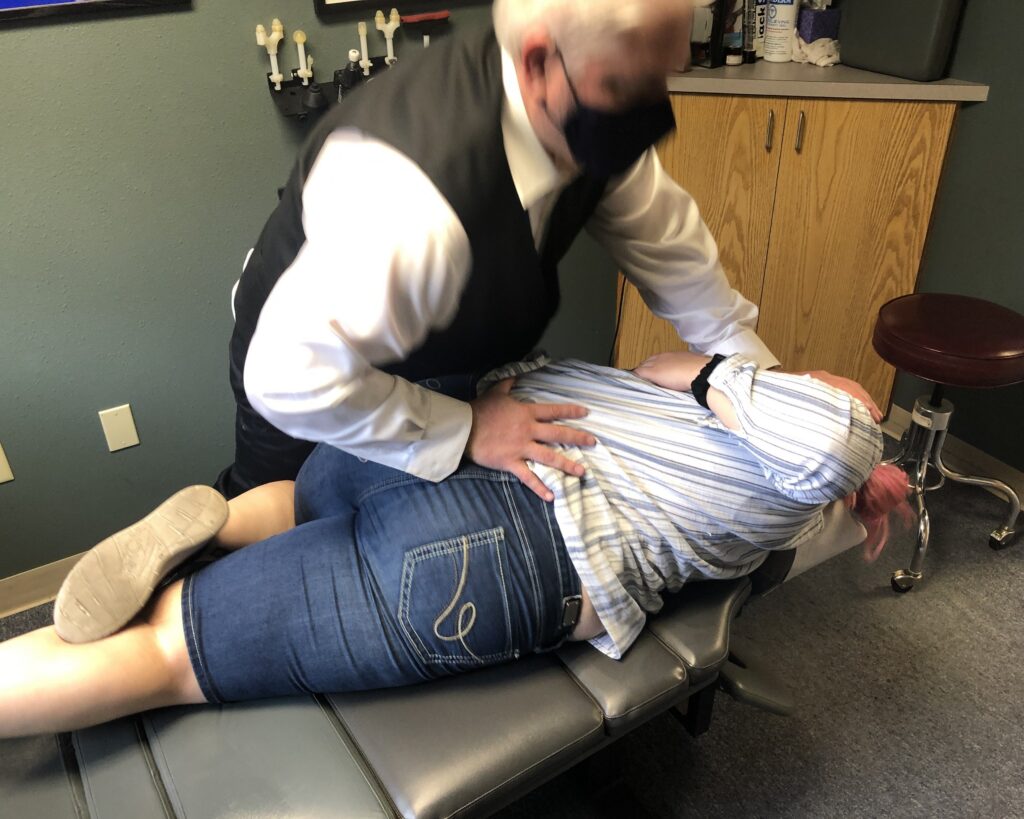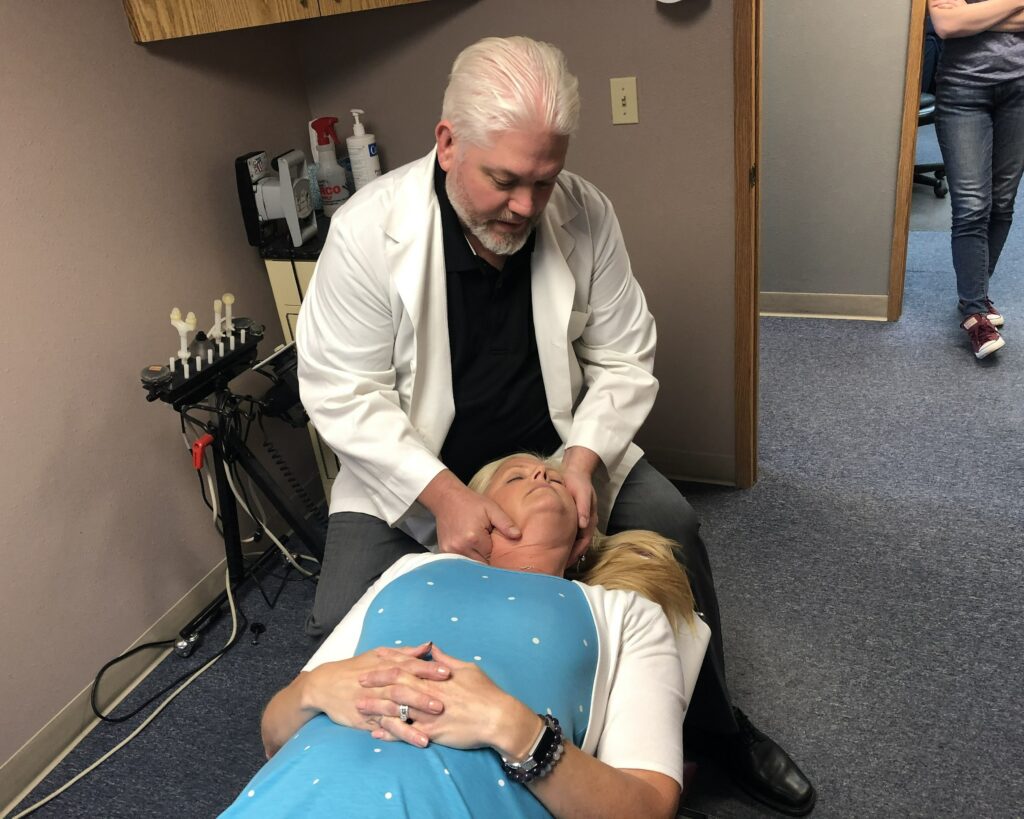

If you're struggling with back pain, it's essential to reflect on the benefits of consulting a back specialist. They offer accurate diagnoses of complex spinal issues, ensuring you understand the root of your discomfort. With tailored treatment plans that cater to your specific needs, you're more likely to find effective relief. Their access to advanced technology and expert knowledge can greatly enhance your recovery process. But that's just the beginning—there are several compelling reasons to make this important choice. What else could a back specialist do for you?
Accurate Diagnosis
When you seek help from a back specialist, you're stepping into a world where accurate diagnosis is a priority. You might be experiencing chronic pain, discomfort, or limited mobility, and you want answers. A back specialist brings expertise and a wealth of knowledge to the table, enabling them to pinpoint the root cause of your issues.
They use advanced diagnostic tools, such as MRI scans, X-rays, and physical examinations, to gather vital information about your condition. This thorough approach allows them to see not just the symptoms but also underlying problems that may not be immediately apparent.
You'll appreciate that these specialists often take the time to listen to your concerns and medical history, ensuring they've a complete picture of your situation. Unlike general practitioners, back specialists focus solely on spinal issues, which means they're well-versed in various conditions, from herniated discs to spinal stenosis.
This specialization means you're more likely to receive an accurate diagnosis, which is essential for effective treatment. It's not just about identifying the problem; it's about understanding how it affects your body and daily life.
Once your condition is accurately diagnosed, you can move forward with confidence, knowing that the recommended treatment options will be tailored to your specific needs. This clarity helps you avoid unnecessary procedures and focus on strategies that will truly help you regain your quality of life.
In the end, an accurate diagnosis sets the stage for better outcomes and a more effective recovery journey.
Tailored Treatment Plans
After receiving an accurate diagnosis, you can expect a back specialist to create a tailored treatment plan that addresses your specific needs. This personalized approach is essential because every individual's back issues stem from different causes, whether it's a herniated disc, muscle strain, or chronic pain condition. A one-size-fits-all solution simply won't cut it.
Your treatment plan will likely combine various therapies. For instance, you might benefit from physical therapy to strengthen muscles and improve flexibility. The specialist may recommend specific exercises that target your problem areas, helping you regain mobility and reduce pain. In some cases, they could suggest medication to manage inflammation or discomfort, guaranteeing you're comfortable while undergoing treatment.
Additionally, your back specialist may incorporate lifestyle modifications into your plan. This could include advice on posture, ergonomic adjustments at your workspace, or strategies for weight management. These changes can greatly impact your recovery and overall well-being.
If conservative treatments aren't effective, your specialist will discuss alternative options, including minimally invasive procedures or injections. They'll guide you through each choice, explaining the benefits and risks, so you're empowered to make informed decisions about your care.
Ultimately, a tailored treatment plan means you're not just another patient; you're an individual with unique health needs. Working closely with a back specialist guarantees that your treatment is as effective as possible, putting you on the path to recovery and a return to your normal activities.
Access to Advanced Technology
Access to advanced technology is a game-changer in back care. When you visit a back specialist, you'll benefit from cutting-edge tools and equipment designed to diagnose and treat your condition more effectively. These technologies can provide clearer imaging, pinpointing issues that might be missed with traditional methods. For instance, advanced MRI machines offer high-resolution images, allowing your specialist to see the details of your spine and surrounding tissues with remarkable clarity.
Moreover, many specialists use computer-assisted navigation systems during procedures, which enhances precision and reduces recovery time. This means less invasive treatments can lead to quicker healing, so you can get back to your daily activities sooner. You'll also find that some clinics utilize robotic-assisted surgery, which can provide enhanced accuracy and reduced complications compared to conventional surgery.
In addition, advanced technology often extends to physical therapy and rehabilitation. Techniques like ultrasound therapy or electrical stimulation can promote healing and alleviate pain, tailored to your specific needs. This integrated approach guarantees that your recovery is as efficient as possible.
Finally, telehealth options have emerged, allowing you to consult with specialists remotely. This convenience means you can access expert advice and follow-up care without the hassle of traveling, making it easier to stay on track with your treatment plan.
With these advancements at your disposal, visiting a back specialist can provide you with the most effective care available today. You're not just getting treatment; you're accessing a higher standard of back care that prioritizes your health and well-being.
Expert Knowledge and Experience
Advanced technology is only part of the equation when it comes to back care. When you visit a back specialist, you tap into a wealth of expert knowledge and experience that goes beyond advanced imaging or cutting-edge equipment. These professionals have dedicated their careers to understanding the complexities of the spine and its surrounding structures.
They've seen countless cases, which equips them with the insights needed to diagnose and treat your specific condition effectively. You'll benefit from their thorough understanding of various back issues, whether it's a herniated disc, sciatica, or chronic pain.
Their extensive training means they're familiar with the latest research and techniques in the field, ensuring you receive the most current and effective treatments available. This expertise is essential in developing a tailored treatment plan that addresses your unique needs and goals.
Moreover, back specialists often collaborate with other healthcare providers, enriching their knowledge base even further. This multidisciplinary approach allows them to offer a well-rounded perspective on your condition, considering not just the physical aspects but also how lifestyle factors might influence your recovery.
Holistic Pain Management Strategies
Many people find that holistic pain management strategies offer a thorough approach to alleviating back pain. Instead of just masking the pain with medication, these strategies focus on treating the whole person—body, mind, and spirit. By adopting a more extensive view, you can address the underlying causes of your discomfort.
One effective technique is physical therapy, which strengthens your muscles and improves flexibility. A back specialist can tailor a program specific to your needs, helping you regain mobility and reduce pain.
Additionally, incorporating yoga or Pilates into your routine can enhance your core strength and posture, further alleviating strain on your back.
Mindfulness practices, such as meditation and deep breathing exercises, can also play a significant role in managing pain. These techniques help you become more aware of your body and thoughts, allowing you to cope with pain more effectively.
Cognitive-behavioral therapy (CBT) can assist in addressing the emotional aspects of chronic pain, equipping you with tools to manage stress and anxiety.
Don't underestimate the power of nutrition, either. A balanced diet rich in anti-inflammatory foods can support your recovery and overall well-being.
Supplements like omega-3 fatty acids might also contribute to reducing inflammation and pain.
Finally, consider alternative therapies like acupuncture or chiropractic adjustments. These methods can provide relief by targeting specific pain points and restoring balance in your body.
Conclusion
Visiting a back specialist can truly make a difference in your recovery journey. With accurate diagnoses and tailored treatment plans, you'll receive the care that best suits your needs. Access to advanced technology and expert knowledge means you're in good hands, while holistic pain management strategies help improve your overall quality of life. Don't hesitate to seek specialized care; it could be the key to getting back to the activities you love.