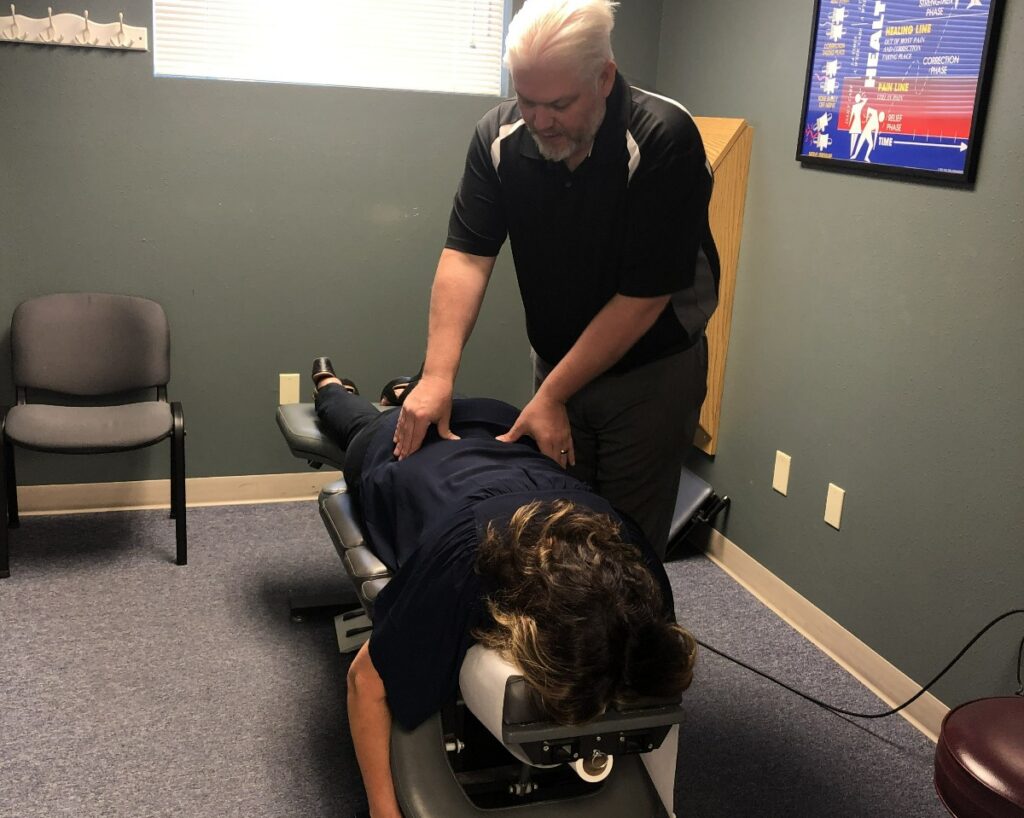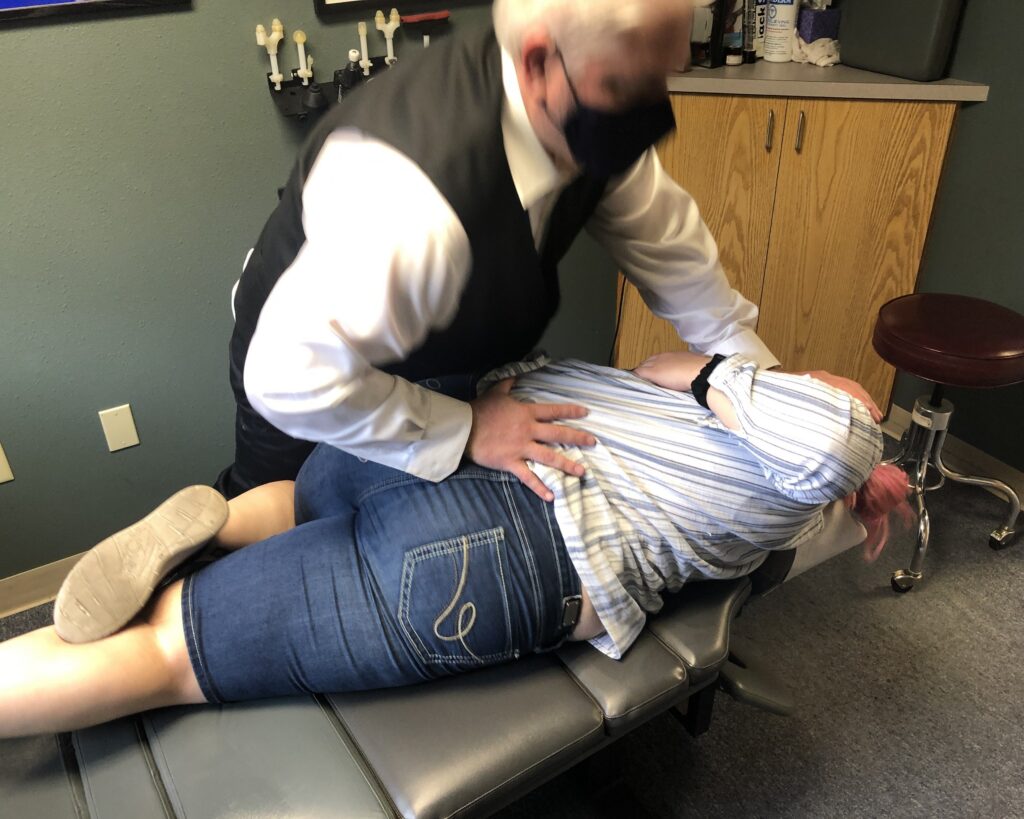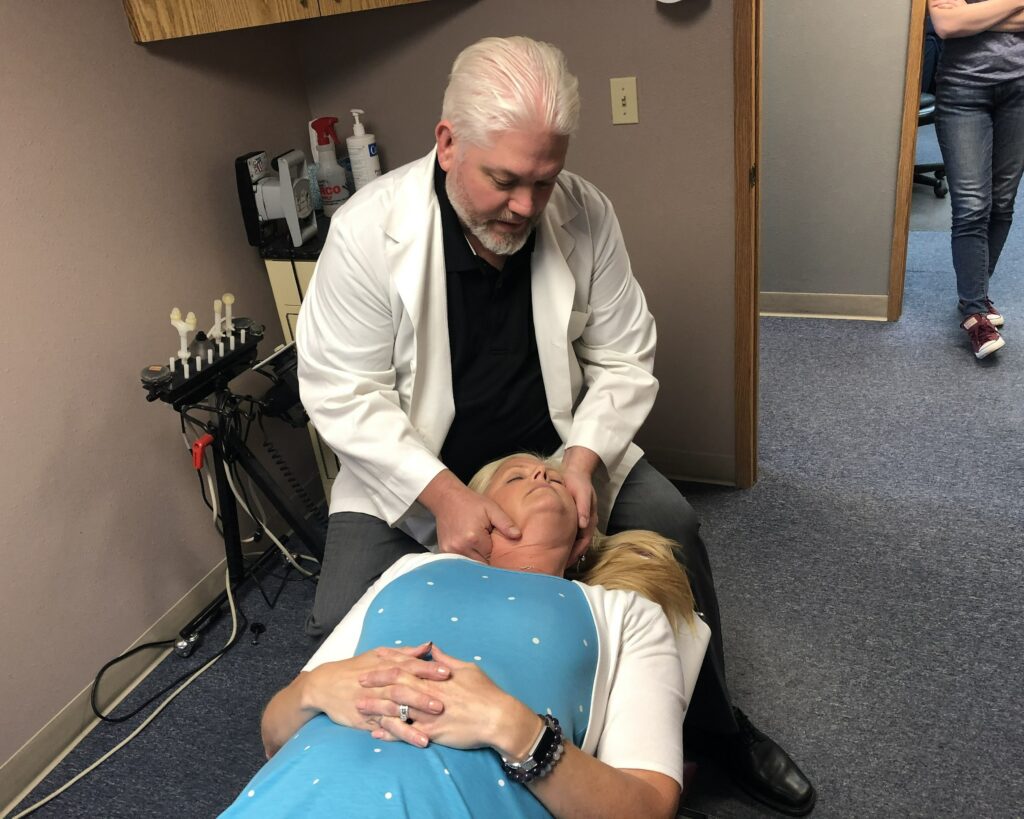

As a local chiropractor, I often see patients struggling with lower back pain, a common issue that can seriously impact your daily activities. It’s important to recognize that there are effective techniques for relief that go beyond what you might expect.
In my practice, I emphasize the importance of stretching exercises and core strengthening routines. These can lead to significant improvements in your condition. Additionally, maintaining proper posture and making ergonomic adjustments in your workspace are essential elements of managing back pain that many people overlook.
But there’s more to consider! Chiropractic care offers various natural healing methods that can surprise you. Techniques such as spinal adjustments, massage therapy, and targeted exercises tailored to your specific needs can work wonders for alleviating discomfort.
Let’s delve into these techniques together and discover how they can transform your approach to managing lower back pain. Through a combination of chiropractic adjustments and lifestyle changes, you can regain control and improve your quality of life.
Stretching Exercises for Lower Back Relief
As a local chiropractor, I want to emphasize the importance of stretching exercises in relieving lower back pain and enhancing your flexibility. Integrating these stretches into your daily routine can significantly alleviate tightness in your back and improve your overall mobility.
One gentle movement I often recommend is the cat-cow stretch. This exercise can help to mobilize your spine and is a great starting point. Another effective stretch is the child’s pose, which provides a comforting stretch for both your lower back and hips, promoting relaxation and relief.
Additionally, the seated forward bend is a fantastic stretch that targets your hamstrings while also benefiting your lower back. To perform this, simply sit with your legs extended in front of you and gently reach towards your toes.
As you practice these stretches, remember to breathe deeply and hold each position for 15-30 seconds. It’s crucial to listen to your body; if you experience any pain, ease off to prevent injury.
Regular stretching not only alleviates discomfort but also prepares your body for daily activities, allowing you to engage in your favorite exercises more comfortably and without pain.
Strengthening Your Core Muscles
As a local chiropractor, I want to emphasize the importance of strengthening your core muscles for overall health, particularly for supporting your lower back and alleviating pain. A strong core acts as a stabilizer for your body, making daily activities easier and reducing the strain on your lower back, which can often lead to discomfort.
To begin, I recommend incorporating simple exercises such as planks, bridges, and bird-dogs into your routine. These movements effectively engage your abdominal and back muscles, helping to promote both balance and strength.
Consistency is key; aim to include core workouts in your schedule at least three times a week. As you become more comfortable, feel free to explore variations or increase the intensity of your workouts. Always pay attention to how your body responds—if any exercise feels uncomfortable or painful, it’s important to modify it or skip it altogether.
Remember, the goal isn’t just to build muscle, but to enhance your stability and endurance, which are crucial for a healthy spine.
Additionally, pairing your strengthening exercises with a good stretching routine can significantly improve your lower back health. By taking these proactive steps, you can take control of your core strength and pave the way for a pain-free, active lifestyle.
If you have any questions or need personalized guidance, don’t hesitate to reach out. Your journey to better health starts today!
Proper Posture and Ergonomics
As a local chiropractor dedicated to helping you achieve optimal health, I want to emphasize the importance of proper posture and ergonomics in relieving lower back pain. One of the first steps in improving your comfort is to adjust your chair height and ensure your desk is set up correctly.
When your body is properly aligned, you’ll likely notice a significant difference in how you feel throughout the day.
Let’s delve into some straightforward guidelines that can enhance your workspace ergonomics. By making these adjustments, you can support your spine and overall well-being, reducing strain and promoting a healthier posture.
Chair Height Adjustment
As a local chiropractor, I want to emphasize the importance of adjusting your chair height for your overall health and well-being. Proper chair height is crucial for maintaining good posture and preventing lower back pain, which is something I often see in patients who spend long hours sitting.
When your chair is set at the correct height, your feet should rest flat on the floor, and your knees should be at a comfortable 90-degree angle. This alignment helps distribute your body weight evenly, reducing unnecessary strain on your lower back.
If your chair is too high, you may find yourself slouching or leaning forward, which can lead to discomfort and pain over time. On the other hand, if your chair is too low, your hips may dip below your knees, creating additional strain that can exacerbate any existing back issues.
I encourage you to take a moment to adjust your chair properly. Make sure that the backrest supports your lumbar region, as this will help maintain the natural curve of your spine.
By ensuring your chair height is just right, you’ll not only feel more comfortable but also be more focused and productive throughout your day. This simple adjustment can significantly reduce your chances of experiencing lower back pain and contribute to your overall health.
Desk Setup Guidelines
As a local chiropractor, I want to emphasize the importance of an ergonomic desk setup for your overall health and well-being. Making adjustments to your workspace can greatly enhance your comfort and productivity while reducing the risk of strain and injury.
First, ensure your chair is at the right height so that your feet rest flat on the floor and your knees are positioned at a 90-degree angle. This alignment supports healthy circulation and reduces unnecessary pressure on your lower back.
Next, position your monitor at eye level and about an arm’s length away. This helps prevent neck strain and promotes a neutral spine position. Avoid hunching over your screen; instead, keep your shoulders relaxed and your head aligned with your spine.
When using your keyboard and mouse, choose devices that allow your wrists to remain straight. Keep your elbows close to your body and bent at a 90-degree angle to minimize tension in your upper body.
Additionally, consider using a cushion or lumbar support to maintain the natural curve of your lower back. This simple adjustment can make a substantial difference in how your body feels during long hours of sitting.
Lastly, it’s essential to take breaks every hour to stretch and move around. This practice not only refreshes your mind but also helps to alleviate stiffness and prevent discomfort.
By following these ergonomic guidelines, you can create a workspace that fosters good posture and reduces the risk of lower back pain, ultimately supporting your overall health and well-being.
Heat and Cold Therapy
As a local chiropractor, I want to share some effective techniques for relieving lower back pain that you may find beneficial. Two of the most commonly used methods are heat and cold therapy.
Starting with heat therapy, this technique is excellent for increasing blood flow and relaxing tight muscles in your lower back. I often recommend using a heating pad or a warm towel. Simply apply it to the affected area for about 20 minutes. Just be cautious not to use heat that’s too hot to prevent any burns.
On the flip side, cold therapy is fantastic for reducing inflammation and numbing sharp pain. You can use an ice pack wrapped in a cloth and apply it to your lower back for 15-20 minutes. This is particularly helpful after engaging in activities that tend to aggravate your pain.
For many of my patients, I’ve found that combining these two methods can yield even greater benefits. By alternating between heat and cold, you can discover what works best for your body.
Remember to always listen to how your body responds, and if your pain continues, I strongly recommend consulting with a healthcare professional—like myself—who can provide tailored advice and support for your healing journey.
Alternative Therapies for Pain Relief
As a local chiropractor, I understand that traditional pain relief methods may not always provide the results you’re looking for, especially when it comes to lower back pain.
That’s why I encourage you to consider exploring alternative therapies that can complement your treatment plan.
Acupuncture and pressure point therapy are two techniques that can deliver targeted relief by addressing specific areas of tension and pain in your body.
Additionally, incorporating herbal remedies and nutritional supplements may offer further support to enhance your recovery process.
I invite you to learn more about these options and how they can help you achieve the comfort and mobility you desire.
Together, we can create a holistic approach to your pain management that focuses on natural healing and overall well-being.
Acupuncture and Pressure Points
As a local chiropractor, I often encounter patients struggling with lower back pain who may be unaware of the benefits of alternative therapies such as acupuncture and pressure point techniques.
While traditional treatments can be effective, many individuals find significant relief through these natural healing methods.
Acupuncture, for instance, involves the careful insertion of thin needles into specific points on the body. This practice can help release tension and enhance blood circulation, ultimately reducing pain and promoting healing by stimulating your body’s own natural painkillers.
It’s a holistic approach that complements chiropractic care beautifully.
Similarly, pressure point therapy focuses on applying targeted pressure to certain areas, alleviating discomfort and tension.
The great part is that you can easily learn and practice these techniques at home, or you can seek guidance from a professional.
Many of my patients report remarkable improvements in their lower back pain after incorporating these methods into their wellness routines.
If you’re exploring complementary options to enhance your healing journey, I encourage you to consider acupuncture and pressure point therapy as valuable additions alongside your chiropractic care.
Your body deserves the most effective and holistic approach to healing.
Herbal Remedies and Supplements
As a local chiropractor, I want to share some insights into how herbal remedies and supplements can play a significant role in alleviating lower back pain. Many of my patients find these natural options to be effective additions to traditional chiropractic treatments.
One herb you might consider is turmeric, renowned for its powerful anti-inflammatory properties. It’s a great option for reducing pain and inflammation in the body.
Ginger is another excellent choice; it has natural pain-relieving qualities that many people have found beneficial for back discomfort. Additionally, devil’s claw is a popular herbal remedy specifically sought after for alleviating lower back pain.
Incorporating magnesium supplements can also be advantageous, as magnesium is known to help with muscle relaxation and relieving tension.
If you’re looking for something to help promote relaxation and improve your sleep quality, valerian root and passionflower are wonderful options to consider.
However, it’s essential to consult with your healthcare provider before starting any new supplements, particularly if you’re currently taking other medications.
Lifestyle Changes for Long-Term Management
As your local chiropractor, I want to share some valuable insights on how you can effectively manage lower back pain through intentional lifestyle changes.
It’s essential to understand that your daily habits can significantly impact your spine health.
First and foremost, integrating regular physical activity into your routine is crucial. Simple activities like walking, swimming, or practicing yoga can help strengthen your core muscles and increase flexibility, which in turn alleviates strain on your back.
I often recommend specific exercises tailored to your needs that can make a noticeable difference.
Posture is another key factor to consider. Many of us spend long hours sitting, whether at work or home. It’s vital to be mindful of your posture during these times.
Utilizing ergonomic furniture and following proper lifting techniques can protect your spine and reduce discomfort.
Nutrition is also important in your healing journey. Eating a balanced diet that includes anti-inflammatory foods can’t only support your overall health but can also contribute to easing pain.
Don’t forget to drink plenty of water; staying hydrated is essential for maintaining the health of your spinal discs.
Lastly, never underestimate the power of a good night’s sleep. Quality sleep is essential for recovery and managing pain effectively.
If you’re having trouble sleeping, it might be worth discussing this with me, as I can provide recommendations to improve your sleep environment.
By making these lifestyle adjustments, you can take proactive steps towards long-term management of your lower back pain.
Conclusion
As a local chiropractor, I want to share some valuable techniques that can help you relieve lower back pain and improve your overall well-being. Integrating these practices into your daily routine can make a significant difference.
First, consider committing to regular stretching exercises, which can help maintain flexibility and reduce tension in your muscles. Strengthening your core is equally important, as a strong core supports your spine and can alleviate pressure on your lower back. Additionally, paying attention to your posture while sitting and standing can prevent unnecessary strain.
I also recommend utilizing heat and cold therapy to manage pain and inflammation. Heat can help relax tight muscles, while cold therapy can reduce swelling and numb sharp pain.
Don’t overlook the benefits of alternative therapies, such as chiropractic adjustments, which can align your spine and enhance your body’s natural healing processes. Lifestyle changes, such as incorporating more movement into your day and being mindful of your body mechanics, can also support your back health.
By taking a proactive approach to manage your pain, you can lead a more active and fulfilling life, free from discomfort. I encourage you to start implementing these techniques today and take control of your health!