
As a local chiropractor, I understand that many of you may be experiencing lower back pain and are seeking effective treatment options. It's natural to feel overwhelmed with the variety of choices available, from chiropractic adjustments to alternative therapies like acupuncture and yoga. Each of these methods has its unique benefits, and I believe that a holistic approach can be particularly effective for addressing both the symptoms and the root causes of your pain.
Chiropractic care focuses on spinal health and alignment, which is crucial for relieving tension and improving mobility. Many patients find significant relief through regular adjustments, which can help restore proper function to the spine and nervous system. However, I also recognize that some individuals might benefit from integrating other therapies, such as acupuncture or yoga, into their treatment plan.
It's important to remember that the effectiveness of these treatments can vary from person to person. That's why I encourage an open dialogue about your specific situation and pain management goals. Together, we can explore the most effective strategies to alleviate your discomfort and enhance your overall quality of life. Your journey to relief starts with understanding your options and finding the right combination of treatments for you.
Physical Therapy Techniques
How can chiropractic care and techniques help you manage lower back pain? Chiropractic treatment focuses on enhancing your body's alignment and mobility, which can be vital in relieving discomfort.
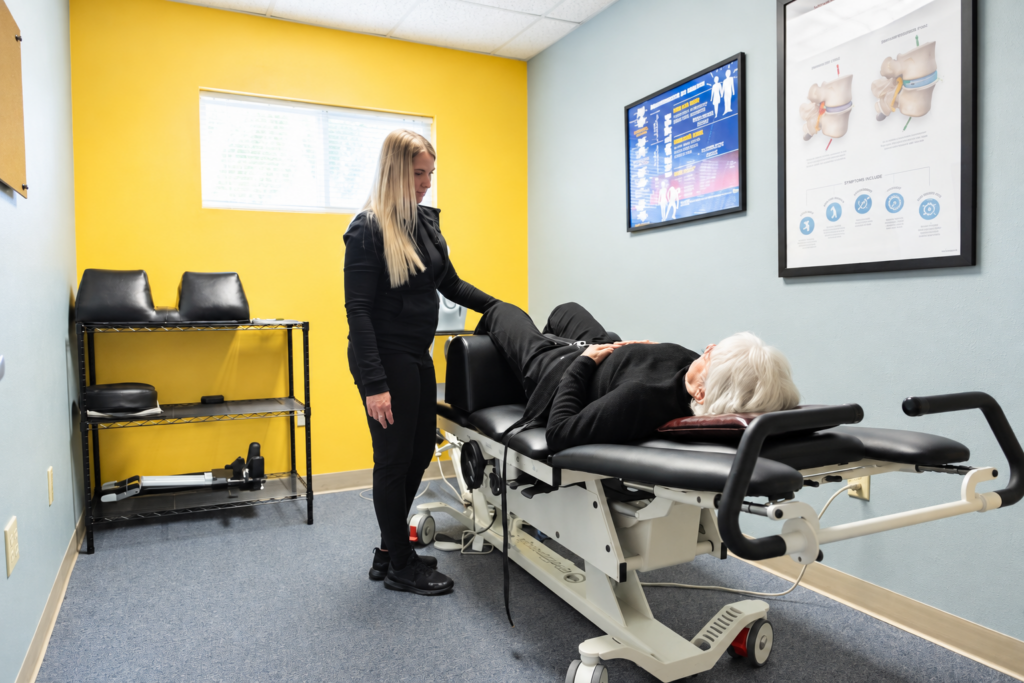
As a chiropractor, I'll assess your condition and develop a personalized treatment plan tailored to your specific needs. Through targeted adjustments and exercises, you can strengthen your core and back muscles, providing better support for your spine.
You'll likely be introduced to various stretching routines that enhance flexibility. Tight muscles can significantly contribute to back pain, and incorporating stretches into your daily life can help alleviate tension.
I'll also teach you proper body mechanics, ensuring you lift and move in ways that prevent further strain on your back.
Manual adjustment techniques are a key part of chiropractic care. These hands-on methods can help improve blood flow, reduce muscle tension, and facilitate healing.
Additionally, we may utilize modalities such as heat or ice therapy to further manage pain and inflammation.
As you progress in your treatment, you'll learn how to integrate these techniques into your everyday activities, empowering you to take control of your pain management.
This proactive approach not only addresses your current discomfort but also helps prevent future episodes, promoting long-term wellness and a healthier spine.
Chiropractic Adjustments
As a local chiropractor, I want to share with you how chiropractic adjustments can be a vital part of managing lower back pain. If you've been experiencing discomfort or stiffness in your back, seeking chiropractic care may be an excellent option for you. My goal is to help you understand how our hands-on spinal manipulation and other manual techniques can realign your spine and enhance your overall body functionality.
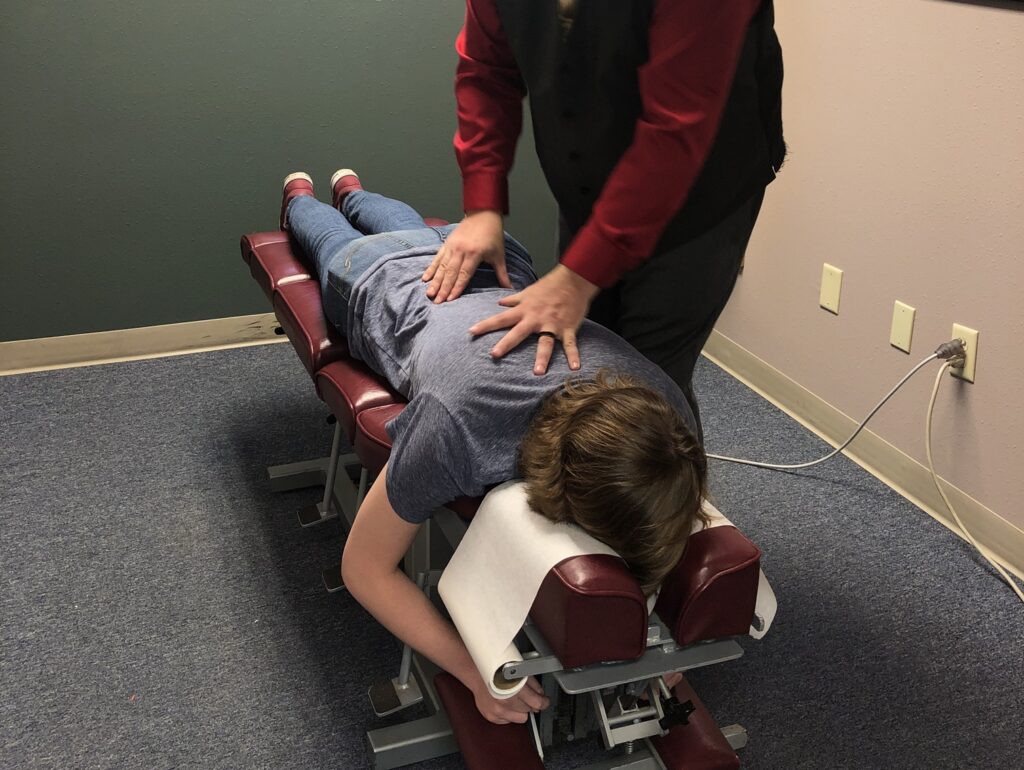
When you come in for an adjustment, I'll carefully assess your spine to identify any misalignments or restrictions. It's common to feel a popping or cracking sensation during the process, and I assure you that this is completely normal. This adjustment technique helps restore proper movement to your spine, relieving pressure on your nerves and improving blood circulation.
Many patients report experiencing reduced pain and increased mobility almost immediately after an adjustment.
Regular chiropractic visits can also be instrumental in maintaining your spinal health. By keeping your spine aligned, we can work together to prevent future episodes of lower back pain. Additionally, I can provide you with personalized exercises and lifestyle recommendations tailored to your specific needs, empowering you to take charge of your healing journey.
Many of my patients find that chiropractic care works well alongside other treatment methods, leading to enhanced overall pain relief. You may also notice improvements in your posture and flexibility, which can further decrease your risk of injury in the future.
If you're considering chiropractic adjustments, it's crucial to consult with a qualified professional—like myself—who can develop a personalized treatment plan for you. Taking this step can lead to significant improvements in your lower back pain and overall well-being.
I'm here to help you on your path to a healthier, pain-free life!
Over-the-Counter Medications
As a local chiropractor, I often see patients seeking relief from lower back pain, and many of them consider over-the-counter medications as a quick fix. While these medications can offer temporary relief, I believe it's essential to explore holistic approaches that address the root cause of your discomfort.
The most common over-the-counter pain relievers include nonsteroidal anti-inflammatory drugs (NSAIDs) like ibuprofen and naproxen, as well as acetaminophen. NSAIDs can help reduce inflammation, which may provide some alleviation of pain and swelling in your lower back. However, relying solely on these medications can mask the underlying issues that chiropractic care aims to resolve.
Acetaminophen is another option for pain relief, but it works differently as it doesn't target inflammation. If you prefer something that's easier on the stomach, acetaminophen could be a gentler choice. Regardless of which medication you choose, it's vital to follow the dosage instructions carefully and avoid mixing different medications without consulting a healthcare professional.
While over-the-counter medications can be beneficial for short-term relief, they aren't a long-term solution for chronic lower back pain. As a chiropractor, I encourage you to consider treatment methods that promote natural healing, such as spinal adjustments, therapeutic exercises, and lifestyle modifications. These approaches can help restore balance to your body, improve function, and alleviate pain more sustainably.
If you find that your pain persists or worsens, I urge you to seek a thorough evaluation from a healthcare professional. By addressing the root cause of your discomfort, we can work together to develop a comprehensive treatment plan that goes beyond temporary relief and supports your overall well-being.
In the meantime, if you choose to use over-the-counter medications, please do so responsibly and consider the benefits of supplementing them with chiropractic care for more lasting results.
Prescription Pain Relievers
When over-the-counter pain relief just isn't enough, you might be considering prescription pain relievers as an option. As a chiropractor, I want to guide you through this process and help you understand that there are alternative paths to pain management.
Prescription medications can come with a variety of side effects, and it's important to be aware of these as you explore your options.
Chiropractic care focuses on natural healing methods that can address the root causes of your pain rather than just masking the symptoms. By understanding your choices, you can find effective relief that aligns with your health goals.
If you're feeling overwhelmed or uncertain about your options, I'm here to help you navigate through them and find the best approach for your well-being.
Types of Pain Relievers
As a local chiropractor, I want to share some insights about managing lower back pain, particularly for those who may not be familiar with chiropractic care and natural healing methods.
While some individuals seek out prescription pain relievers for relief, there are effective natural alternatives that can help you find comfort without the need for medications.
When you experience chronic lower back pain, it's important to understand that your body has the ability to heal itself. Chiropractic adjustments can be a key part of this process, addressing the root causes of your pain rather than just masking the symptoms.
Through gentle manipulation of the spine and surrounding areas, we aim to relieve pressure on nerves, improve alignment, and enhance your overall mobility.
In addition to chiropractic adjustments, we often incorporate other natural therapies such as therapeutic exercises, massage, and stretching techniques. These methods can help alleviate muscle tension, improve circulation, and promote healing in the affected areas.
It's essential to recognize that while some may rely on prescription pain relievers like opioids or NSAIDs for immediate relief, these often come with side effects and don't address the underlying issues contributing to your pain.
By choosing a holistic approach, you can support your body's natural healing process and achieve long-term relief.
If you're experiencing lower back pain, I encourage you to consult with a chiropractor who can provide personalized care tailored to your needs.
Together, we can explore natural methods that promote healing and enhance your quality of life.
Potential Side Effects
As a local chiropractor, I want to educate you about the various options available for managing lower back pain, particularly in contrast to conventional prescription pain relievers like opioids and NSAIDs.
While these medications may provide quick relief, they come with potential side effects that you should be aware of.
Opioids, for instance, are powerful painkillers that can be effective for severe pain, but they also carry risks such as dependence and addiction. Users may experience side effects like drowsiness, constipation, and confusion, which can disrupt your daily life.
Nonsteroidal anti-inflammatory drugs (NSAIDs), including ibuprofen and naproxen, can lead to serious issues like stomach ulcers, gastrointestinal bleeding, and kidney problems, especially when taken long-term or in excessive amounts.
If you have a history of heart issues, it's crucial to be cautious, as these medications may elevate cardiovascular risks.
At our chiropractic practice, we focus on natural healing approaches to alleviate pain.
I encourage you to discuss your pain management options with me. Together, we can explore chiropractic adjustments, physical therapy, and other holistic methods that may provide effective relief without the side effects associated with medications.
Alternative Therapies
If you're experiencing lower back pain, I'd like to introduce you to some alternative therapies that can work alongside traditional treatments to help manage your discomfort.
One method that many of my patients find beneficial is acupuncture. This involves the insertion of thin needles into specific points on your body, which can help reduce pain and promote relaxation. It's definitely worth considering as part of your pain management strategy.
Another effective option is chiropractic care, which I specialize in. Chiropractic focuses on spinal alignment and function. When you visit my office, I'll perform adjustments designed to restore proper alignment to your spine. This can alleviate pain and enhance mobility, particularly if your lower back pain is related to musculoskeletal issues.
Massage therapy is also a great approach for relieving lower back pain. A skilled massage therapist can target tight muscles, boost blood circulation, and help you relax. Regular massage sessions may not only help manage your pain but also reduce stress, contributing to your overall well-being.
Additionally, practices like yoga and tai chi can be very beneficial. These gentle movements and stretches help strengthen your back and improve flexibility. More than just physical benefits, these mind-body techniques can also enhance mental wellness, which is crucial when coping with chronic pain.
Lastly, I encourage exploring herbal remedies and dietary supplements to support your healing process. However, it's essential to consult with your healthcare provider before trying any new supplements to ensure they're safe and suitable for your situation.
Heat and Cold Therapy
As a local chiropractor, I want to share some valuable insights on managing lower back pain through natural healing methods, specifically heat and cold therapy. These approaches can be incredibly effective in alleviating discomfort and promoting healing, even if you're not familiar with chiropractic care.
When you apply heat to your lower back, it stimulates blood flow, which helps to relax tight muscles and enhance flexibility. Using a heating pad, hot water bottle, or enjoying a warm bath are great options. Just be cautious not to use heat that's too intense, as we want to avoid any burns. A good guideline is to apply heat for about 15 to 20 minutes at a time, several times throughout the day.
Conversely, cold therapy is your ally in reducing inflammation and numbing sharp pain. Ice packs or cold compresses can be particularly effective, especially within the first 48 hours of experiencing pain. To use this method safely, wrap ice in a towel and gently apply it to your lower back for about 15 to 20 minutes. Always remember to avoid direct skin contact to prevent frostbite.
For many of my patients, alternating between heat and cold therapy yields the best results. Start with cold therapy to tackle inflammation, and then switch to heat to soothe and relax the muscles.
Everyone's body responds differently, so it's essential to listen to what feels most beneficial for you. By incorporating these therapies into your daily routine, you can take significant steps toward regaining control over your lower back pain and enhancing your overall quality of life.
If you have any questions or would like further guidance, feel free to reach out during your visit!
Minimally Invasive Procedures
As your local chiropractor, I want to share some valuable insights about minimally invasive procedures that can help manage lower back pain effectively. Many patients are unfamiliar with these alternatives, and understanding them can empower you on your path to natural healing.
Minimally invasive procedures are becoming increasingly popular due to their effectiveness and less disruptive nature compared to traditional surgical options. These methods involve smaller incisions, which typically lead to quicker recovery times and reduced postoperative discomfort. If you've been dealing with chronic back pain, these alternatives might be worth considering.
One of the most common procedures is the epidural steroid injection. In this approach, medication is injected directly into the epidural space surrounding your spinal nerves. This can help reduce inflammation and alleviate pain, with many patients experiencing significant relief within just a day or two.
Another procedure you might hear about is the discectomy. This minimally invasive technique involves the removal of a portion of a herniated disc that may be pressing on a nerve, which can alleviate pain and restore mobility without the need for extensive surgery.
Additionally, laser therapy is another option that targets specific areas of discomfort while minimizing damage to the surrounding tissues.
What's important to note is that these procedures generally carry fewer risks and complications than traditional surgeries. This means you can expect shorter hospital stays and a faster return to your daily activities.
However, I encourage you to consult with your healthcare provider to explore the best options tailored to your specific condition.
As a chiropractor, I believe in a holistic approach to healing. Alongside these procedures, chiropractic care can play a vital role in your recovery and overall wellness.
Conclusion
As a local chiropractor, I want to emphasize that finding relief from lower back pain often requires a personalized approach. Chiropractic care is one of the most effective methods to address this issue, focusing on the alignment of the spine and overall body mechanics. Many patients have found significant relief through our specialized adjustments and treatments tailored to their individual needs.
In addition to chiropractic adjustments, incorporating physical therapy can enhance your recovery. This combination helps in strengthening the muscles that support your back, allowing for better mobility and less pain. I also encourage exploring alternative therapies such as acupuncture or massage, as they can complement chiropractic care and promote healing.
For immediate relief, over-the-counter medications can be beneficial, and utilizing heat and cold therapy can provide quick comfort to sore muscles. However, it's essential to consult with a healthcare professional, like myself, to discuss all available options, including minimally invasive treatments if necessary. Remember, your journey to comfort and improved mobility is achievable, and I am here to guide you every step of the way.