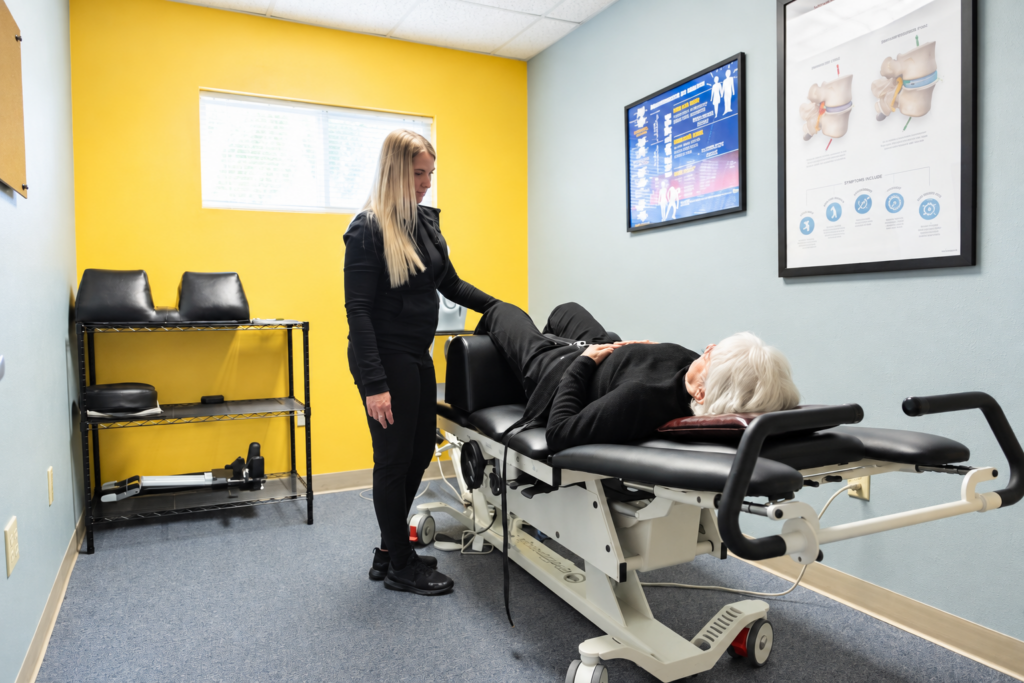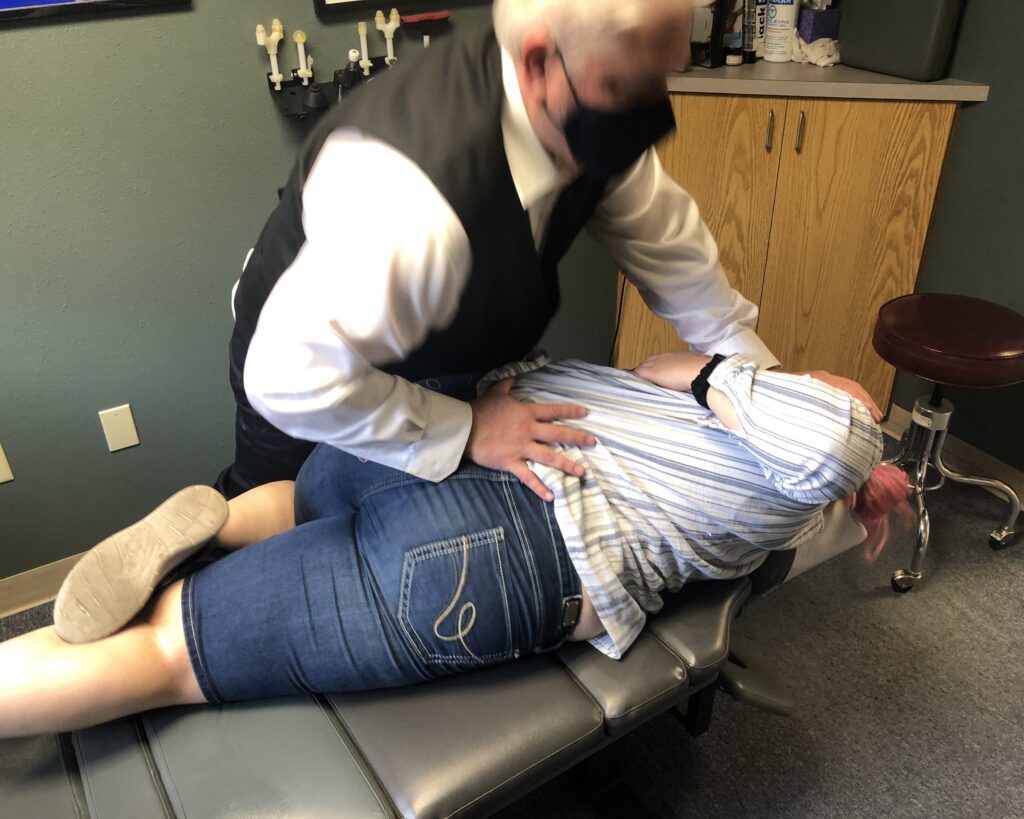

Chronic back pain can be an incredibly frustrating and debilitating experience, but it doesn’t have to control your life. As a local chiropractor, I want you to know that by focusing on your posture, incorporating specific exercises, and exploring natural therapies, you can make significant strides toward relief. Understanding how these elements work in harmony is vital for your recovery.
You may be wondering what changes you can start implementing today to transform your relationship with pain. As your chiropractor, I encourage you to consider a few key strategies that can lead to a more active and fulfilling life. By correcting your posture, we can help alleviate the strain on your spine and muscles. Targeted exercises tailored to your unique needs can strengthen your back and improve flexibility. Additionally, exploring alternative therapies, such as chiropractic adjustments, can promote natural healing and enhance your overall well-being.
Let’s work together to develop a personalized plan that addresses your specific challenges and empowers you to take control of your health. It’s time to reclaim your life from chronic pain!
Understanding Chronic Back Pain
As a local chiropractor, I want to shed light on chronic back pain, which can often feel like an unwelcome companion that lingers even after an injury has healed. You may notice it impacting various aspects of your life, from completing everyday tasks to savoring activities you once enjoyed. Understanding this pain is crucial for your overall well-being.
Chronic back pain can arise from multiple sources, including muscle strain, herniated discs, and even emotional stress. It’s important to recognize that factors such as your lifestyle, age, and general health can heighten your discomfort.
Identifying the source of your pain isn’t always a straightforward process; it often involves a complex interplay of physical and psychological elements. You might experience sharp, aching, or persistent discomfort that affects not just your physical mobility, but also your mood.
Remember, you aren’t alone in this journey. Many individuals face similar challenges, and acknowledging your pain is the first step toward finding effective relief.
The Importance of Posture
As a local chiropractor dedicated to your well-being, I want to emphasize the vital role good posture plays in preventing and managing chronic back pain. Many individuals may not realize that poor posture can place significant strain on your muscles and ligaments, leading to discomfort and potentially long-term issues.
Whether you find yourself sitting at a desk, standing for long periods, or lifting heavy objects, being aware of your body alignment is crucial.
To maintain proper posture, ensure your shoulders are back, your spine is aligned, and your feet are flat on the ground. If you’re working at a desk, it’s important to adjust your chair and monitor height to support a neutral position that promotes spinal health.
When lifting, remember to bend your knees and keep the load close to your body to avoid unnecessary strain.
Implementing these simple adjustments can help relieve pressure on your back and reduce pain over time. Developing good posture habits takes practice, so I encourage you to remain mindful of your body alignment throughout the day.
Effective Stretching Techniques
As a local chiropractor, I want to emphasize the importance of incorporating effective stretching techniques into your daily routine to enhance flexibility and alleviate chronic back pain. Many of my patients find that starting with simple stretches can make a significant difference in their overall well-being.
One of the foundational stretches I recommend is the Cat-Cow pose. This gentle movement helps to mobilize your spine and relieve tension, making it a fantastic addition to your morning routine.
After that, consider trying the Child’s Pose. This stretch not only targets your lower back and hips but also has a calming and restorative effect that many find beneficial.
Another stretch to include is the standing forward bend, which can help lengthen your spine and hamstrings. When performing each stretch, aim to hold for 15-30 seconds while focusing on deep, relaxing breaths. This combination of stretching and breathing enhances relaxation and promotes a sense of well-being.
Seated spinal twists are also a great option. They encourage mobility in your back and can significantly reduce stiffness. Always listen to your body during these stretches—it’s essential not to push into any pain.
Consistency is crucial when it comes to stretching. I encourage you to aim for daily sessions or at least several times a week. By dedicating just a few minutes each day to these stretches, you can experience reduced discomfort and an overall improvement in your health.
Strengthening Your Core
As a local chiropractor, I want to emphasize the importance of strengthening your core for maintaining a healthy back and preventing pain. A strong core is crucial because it provides essential support to your spine, improves your posture, and enhances your overall stability.
For those who are new to chiropractic care and natural healing, I recommend starting with basic exercises like planks, bridges, and pelvic tilts. These foundational moves engage your abdominal muscles and promote better balance, which is vital for spinal health.
Once you feel more comfortable and have developed some strength, you can introduce variations into your routine, such as side planks and exercises using a stability ball. It’s important to focus on maintaining proper form during these exercises to avoid injury and ensure you get the most benefit from your workouts.
I suggest aiming for at least two to three core workouts each week, gradually increasing the duration and intensity as your strength improves.
In addition to the basic exercises, don’t overlook the importance of targeting your obliques and lower back. Incorporating movements like Russian twists and supermans will help create a comprehensive core routine that supports your overall well-being.
Remember, consistency is key on this journey. As you strengthen your core, many patients notice improved functionality in their daily activities and a significant reduction in back pain.
Embrace the process of building a stronger core; it’s a vital step towards achieving a healthier back and enhancing your quality of life! If you have any questions or need guidance on exercises, feel free to reach out. Your health is our priority!
Lifestyle Changes for Pain Relief
As a local chiropractor dedicated to helping you manage your chronic back pain, I want to share some effective lifestyle changes that can make a significant difference in your comfort and overall well-being.
One of the first steps you can take is to incorporate a consistent exercise and stretching routine tailored to your individual needs. Regular movement can strengthen your back muscles and improve flexibility, which is essential for pain relief.
Additionally, setting up an ergonomic workspace is crucial, especially if you spend long hours sitting. By ensuring that your desk, chair, and computer are aligned properly, you can reduce strain on your back and prevent further discomfort.
Moreover, adopting healthier dietary options can also play a vital role in your pain management journey. Foods that are rich in anti-inflammatory properties can help reduce pain and promote healing.
Let’s work together to explore these adjustments and see how they can enhance your quality of life and alleviate your discomfort naturally.
Your path to relief starts with small, manageable changes that can lead to significant improvements.
Exercise and Stretching Routine
As a local chiropractor, I understand that managing chronic back pain can feel daunting. But I want to assure you that incorporating an exercise and stretching routine into your daily life can significantly improve your comfort and mobility.
I recommend starting with gentle activities such as walking or swimming. These exercises promote blood flow and are gentle on your back, helping to alleviate pain.
Once you feel comfortable, we can work together to gradually introduce strength-building exercises that focus on your core muscles. A strong core is essential, as it provides support for your spine and helps prevent further injury.
Additionally, integrating stretching routines that target your hamstrings, hip flexors, and lower back is crucial for improving flexibility and reducing stiffness.
I encourage you to aim for at least 30 minutes of exercise on most days, but it’s essential to listen to your body and adjust your routine as needed. Consistency is key!
I suggest finding activities you genuinely enjoy, as this will help you make them a regular part of your routine, leading to long-lasting relief.
Ergonomic Workspace Setup
As a local chiropractor, I want to share some essential tips for creating an ergonomic workspace that can significantly improve your comfort and help alleviate back pain.
Integrating these adjustments into your daily routine, especially if you’re incorporating exercise, can lead to better overall well-being. Here are four fundamental aspects to consider for a healthier workspace:
1. Chair: It’s crucial to select a chair that provides proper support for your lower back.
Ensure that your feet are able to rest flat on the floor, as this promotes better posture and reduces strain on your spine.
2. Desk Height: The height of your desk should allow your elbows to remain at a relaxed angle while typing.
This alignment helps to prevent unnecessary tension in your shoulders and neck, reducing the risk of discomfort.
3. Monitor Position: Place your monitor at eye level to avoid straining your neck.
Ideally, it should be about an arm’s length away from you. This positioning helps maintain a neutral cervical spine and minimizes the chances of developing discomfort.
4. Keyboard and Mouse: Ensure that your keyboard and mouse are positioned close enough that you don’t have to reach for them.
Keeping your wrists straight while working is vital for preventing repetitive strain injuries and promoting overall wrist health.
By making these adjustments, you can create a workspace that not only supports your physical health but also enhances your productivity and comfort throughout the day.
Healthy Diet Choices
As a local chiropractor, I want to share how a healthy diet can significantly impact your journey in managing chronic back pain. The right nutrients are essential for supporting your body’s natural healing processes.
I recommend focusing on incorporating anti-inflammatory foods into your meals, such as fatty fish, nuts, fresh fruits, and leafy greens. These foods not only help reduce inflammation but also promote your overall well-being.
Staying hydrated is crucial as well; drinking plenty of water will help maintain the health of your spine. It’s also important to limit your intake of processed foods, added sugars, and saturated fats, as these can worsen inflammation and pain.
Don’t overlook the benefits of whole grains and lean proteins, which are vital for supporting muscle health. If you’re unsure where to start or how to tailor your diet to your specific needs, consider consulting with a nutritionist.
Exploring Alternative Therapies
As a local chiropractor, I want to share with you the potential benefits of exploring alternative therapies for chronic back pain. Many patients find that treatments like chiropractic care, acupuncture, and mindfulness techniques can provide significant relief and improve their overall well-being.
Chiropractic care focuses on the alignment of your spine and nervous system, which plays a crucial role in your body’s function and pain management. It’s a natural approach that aims to address the root cause of your discomfort rather than just masking the symptoms.
In addition to chiropractic adjustments, I often recommend incorporating other therapies, such as acupuncture, which can help alleviate pain by promoting natural healing and relaxation.
Mindfulness techniques, such as meditation and breathing exercises, can also enhance your pain management strategy by reducing stress and improving your mental resilience.
I encourage you to consider these options and discuss them with me during your visit. Together, we can create a personalized plan to help you find the relief you deserve.
Acupuncture Benefits Explained
As a local chiropractor, I want to share some insights about managing chronic back pain naturally, especially for those who may not be familiar with alternative therapies like acupuncture.
While traditional treatments often rely on medications and physical therapy, acupuncture is an ancient practice that many are finding to be a beneficial complement to chiropractic care.
Here are four significant advantages of acupuncture that you might consider:
- Pain Relief: Acupuncture works by stimulating specific nerve endings, which can trigger the release of endorphins—your body’s natural painkillers. This can lead to effective pain relief without the need for pharmaceuticals.
- Reduced Inflammation: One of the key benefits of acupuncture is its ability to enhance blood circulation. Improved blood flow can help decrease inflammation and swelling in areas that are causing discomfort.
- Improved Mobility: By targeting muscle tension, acupuncture can help restore flexibility and increase your range of motion. This can be particularly beneficial when you’re dealing with tight muscles or stiffness.
- Stress Reduction: Acupuncture has a calming effect that can help reduce stress levels. Since stress can often make chronic pain worse, alleviating it can contribute to a better overall experience in managing your pain.
I encourage you to explore acupuncture as a holistic approach to back pain management.
It could work hand-in-hand with chiropractic care to help you achieve lasting relief and improved well-being.
Chiropractic Care Insights
As a local chiropractor, I want to share the valuable insights and methods chiropractic care can offer for managing chronic back pain. Many people may not be familiar with how chiropractic treatments can complement your overall wellness journey, so let me explain.
Chiropractic care focuses on spinal alignment and function, which plays a crucial role in alleviating pain and improving mobility. Through regular adjustments, we can relieve pressure on nerves and reduce inflammation, promoting healing in your back. This natural approach aims to address the root causes of pain rather than just the symptoms.
In addition to spinal adjustments, I incorporate tailored exercises and stretches designed specifically for your needs. These can enhance your strength and flexibility, contributing to long-term relief.
I also provide guidance on proper posture and body mechanics, helping you to prevent future issues and maintain your well-being.
If you’re seeking a holistic approach to manage your chronic back pain, exploring chiropractic care could be an important step toward recovery and improving your quality of life.
I’m here to help you on that journey and answer any questions you may have about how chiropractic care can benefit you.
Mindfulness and Meditation Techniques
As a local chiropractor, I want to share with you some effective mindfulness and meditation techniques that can significantly help in managing chronic back pain.
By integrating these practices into your daily routine, you can enhance your pain management and improve your overall well-being. Here are four techniques I recommend to get you started:
- Breath Awareness: By concentrating on your breath, you can help center your thoughts and alleviate stress, which often contributes to muscle tension and pain.
- Body Scan: Lying down comfortably, take a moment to mentally scan your body for areas of tension. This practice encourages relaxation and helps you identify painful spots, allowing you to focus on releasing that tension.
- Guided Imagery: Visualizing a serene and peaceful environment can serve as a powerful distraction from pain. By fostering a sense of calm through these mental images, you can create a more positive mindset.
- Mindful Movement: Gentle practices like yoga or tai chi are excellent for enhancing flexibility and relieving tension in your back. These movements promote better posture and alignment, which are essential aspects of chiropractic care.
I encourage you to start incorporating these techniques into your routine today.
They can complement chiropractic treatments and lead to better pain management and a healthier lifestyle!
The Role of Physical Therapy
When it comes to managing chronic back pain, chiropractic care can play a crucial role in your recovery journey. As a chiropractor, my goal is to assess your condition thoroughly and design a personalized treatment plan that addresses your unique needs.
Through hands-on adjustments and targeted therapies, we can work together to strengthen your back, enhance flexibility, and improve your overall posture. The techniques we employ not only aim to alleviate pain but also empower you to regain your mobility.
I’ll teach you practical strategies to manage discomfort during your daily activities, helping you to seamlessly return to your normal routine. Furthermore, I’ll guide you on proper body mechanics to minimize the risk of future injuries.
In our sessions, we may incorporate natural healing modalities such as heat, ice, or ultrasound to support your recovery process, ensuring a holistic approach to your well-being. Remember, chiropractic care is all about fostering a healthier you, naturally.
Mindfulness and Pain Management
As a local chiropractor, I want to share how incorporating mindfulness techniques into your pain management routine can significantly improve your experience with chronic back pain.
By focusing on the present moment, you can alleviate stress and enhance your overall well-being. Here are four mindfulness practices that I encourage you to consider:
- Deep Breathing: Start by taking slow, deep breaths. This simple technique calms both your mind and body, helping to release tension and create a sense of relaxation.
- Body Scan: Take a moment to mentally check in with different parts of your body. Acknowledge areas where you feel pain without judgment. This practice can help you develop a better awareness of your body and its needs.
- Meditation: Dedicate a few minutes each day to quiet reflection. Allow your thoughts to come and go without attaching to them. This practice can help you cultivate a sense of peace and reduce anxiety related to pain.
- Mindful Movement: Consider engaging in gentle activities such as yoga or tai chi. These practices not only promote relaxation and flexibility but also help you stay present in your body, enhancing your connection to it.
When to Seek Professional Help
As a local chiropractor, I want to help you understand the importance of recognizing when it’s time to seek professional help for chronic back pain. Self-care is an essential part of managing discomfort, but there are limits to what home remedies and lifestyle changes can achieve. If you’ve been trying these approaches without finding relief, it may be time to consider chiropractic care.
Keep an eye out for specific signs that indicate it’s time to reach out for professional assistance. If your pain is worsening, limiting your ability to engage in daily activities, or accompanied by symptoms like numbness, tingling, or weakness in your legs, please don’t hesitate to contact a healthcare provider. These could be signals that require further evaluation.
Additionally, if you experience sudden back pain following an injury, or if the pain is severe and persistent, consulting a chiropractor can be essential. We’re trained to assess and address musculoskeletal issues, helping to rule out serious conditions while providing you with personalized treatment options that focus on natural healing.
Chronic back pain doesn’t have to dictate your life. Early intervention through chiropractic care often leads to better outcomes. Trust your instincts—if something feels off, reach out for help.
Conclusion
As a local chiropractor, I want to empower you to take control of your health and alleviate your chronic back pain through natural healing methods. By focusing on key lifestyle changes, you can significantly improve your well-being. Start with enhancing your posture; good alignment is crucial for spinal health. Incorporate regular stretching and core-strengthening exercises into your routine to support your back.
Additionally, I encourage you to explore alternative therapies, such as chiropractic adjustments, which can help restore balance and function to your spine. Mindfulness practices can also be beneficial in managing pain, helping you stay grounded and relaxed.
If your pain continues despite these efforts, it’s important to seek professional guidance. As your chiropractor, I’m here to support you on your journey to a more active and fulfilling life. Embrace these proactive steps, and together, we can work towards a pain-free future.