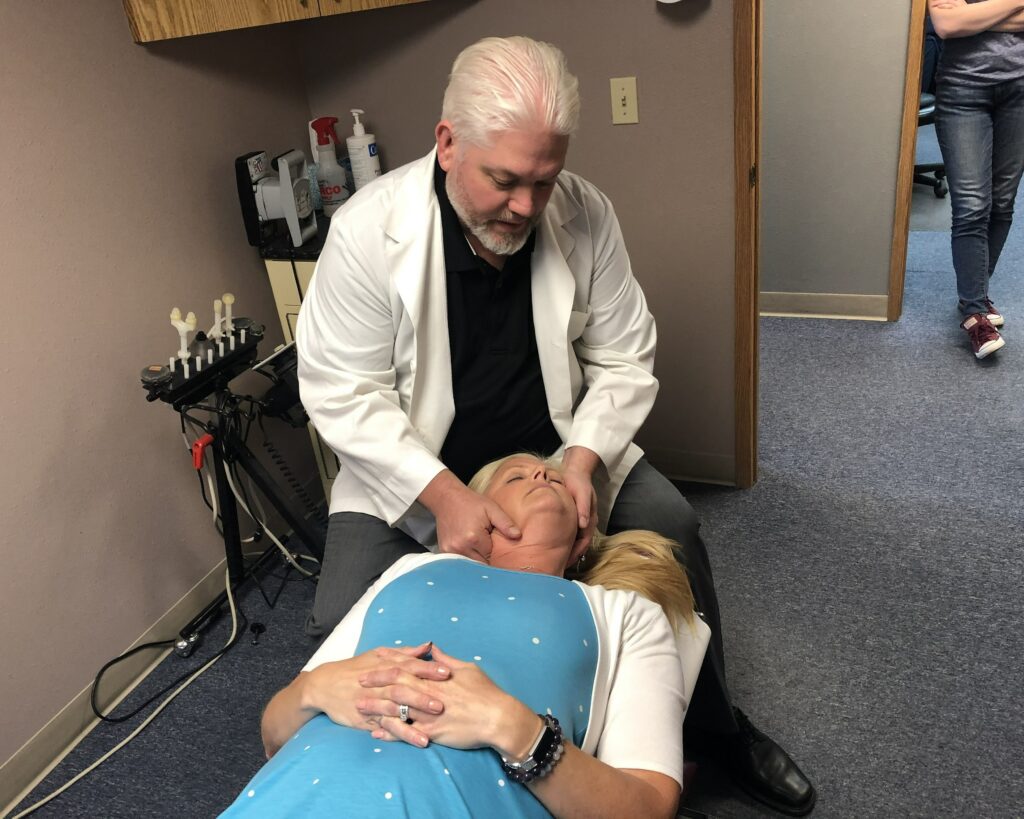

If you've ever struggled with stiffness or limited movement, you might be surprised to learn how chiropractic care can transform your flexibility. By focusing on spinal alignment and joint function, chiropractors develop personalized treatment plans tailored to your specific needs. This approach not only addresses discomfort but also enhances your overall mobility. As you explore the connection between chiropractic adjustments and flexibility, you'll discover effective exercises and lifestyle changes that can make a real difference in your daily life. What's the first step you should take to release your full potential?
Understanding Flexibility and Its Importance
Flexibility plays an essential role in overall health and well-being. It's not just about how far you can stretch; it's about how well your body functions in daily life. When you maintain good flexibility, you enhance your range of motion, which helps prevent injuries during physical activities.
Imagine bending down to tie your shoes or reaching for something on a high shelf—having flexible muscles and joints makes these tasks easier and safer.
Moreover, improved flexibility can lead to better posture. When your muscles are flexible, they can support your body more effectively, aligning your spine correctly and reducing the strain on your muscles. This alignment can alleviate discomfort and tension, making you feel more relaxed and at ease throughout the day.
You'll also find that flexibility plays a vital role in athletic performance. Whether you're running, swimming, or playing a sport, being flexible allows for better movement and coordination. As a result, you can perform activities more efficiently, which can enhance your overall performance and enjoyment.
Incorporating flexibility exercises, such as stretching or yoga, into your routine can make a significant difference. Even just a few minutes each day can help you maintain or improve your flexibility.
The Role of Chiropractic Care
Chiropractic care plays an essential role in enhancing your flexibility through targeted adjustments.
By using specific techniques, chiropractors can help improve your range of motion and reduce muscle tension.
Plus, personalized treatment plans guarantee that your unique needs are addressed for peak results.
Benefits of Chiropractic Adjustments
When it comes to enhancing your overall well-being, the benefits of chiropractic adjustments can't be overlooked. These adjustments work wonders in improving your flexibility, helping your body move more freely and comfortably.
By realigning your spine and joints, chiropractors can alleviate tension and reduce pain, which often hinders your range of motion.
You mightn't realize it, but regular chiropractic care can also boost your athletic performance. When your body functions efficiently, you can execute movements with greater ease and efficiency.
This means you can enjoy your favorite activities without worrying about discomfort or injury.
Additionally, chiropractic adjustments can enhance your nervous system function. A well-aligned spine allows your nervous system to communicate effectively, which can lead to improved overall health.
You'll likely notice increased energy levels and a heightened sense of well-being.
Moreover, consistent chiropractic care fosters better posture. Good posture not only enhances your physical appearance but also contributes to your overall health by reducing strain on your muscles and joints.
Techniques for Increased Flexibility
Often, people underestimate the various techniques chiropractors use to enhance flexibility. Chiropractors employ several methods that target the musculoskeletal system, allowing you to improve your range of motion effectively.
One common technique is spinal manipulation, which realigns your spine and reduces tension in your muscles. This realignment can alleviate tightness and create a more balanced body, enhancing your overall flexibility.
Stretching techniques are another essential aspect of chiropractic care. Chiropractors may guide you through specific stretches designed to target areas of stiffness. They can provide tailored recommendations to help you safely increase your flexibility over time.
Soft tissue therapies, such as massage and myofascial release, are also integral to the process. These techniques help release knots and tension in your muscles, allowing them to relax and stretch more easily.
Additionally, chiropractors may employ rehabilitation exercises to strengthen the muscles surrounding your joints. By improving muscle strength, you'll support better joint mechanics, leading to improved flexibility.
Incorporating these techniques into your routine can lead to significant benefits, making chiropractic care a valuable resource for enhancing your flexibility and overall well-being.
#
Personalized Treatment Plans
Your journey toward improved flexibility doesn't stop with techniques; it continues with a personalized treatment plan tailored to your specific needs. When you visit a chiropractor, they'll assess your current flexibility, posture, and overall physical condition. This evaluation enables them to design a thorough plan that addresses your unique challenges and goals.
A personalized treatment plan often incorporates a combination of chiropractic adjustments, targeted exercises, and lifestyle recommendations. These elements work together to enhance your flexibility effectively. For instance, your chiropractor might suggest specific stretches or strength-training exercises that complement your adjustments, helping you achieve better results.
Additionally, your plan will evolve as you progress. Regular check-ins with your chiropractor will guarantee that your treatment stays aligned with your changing needs. This adaptive approach means you're always working toward ideal flexibility, making adjustments as necessary to keep you on track.
How Adjustments Improve Mobility
Chiropractic adjustments play an essential role in enhancing your joint function, allowing for greater range of motion.
With improved muscle coordination, you'll find it easier to perform daily activities.
Plus, the pain reduction benefits can make a significant difference in how you move throughout your day.
Enhanced Joint Function
Improving mobility through enhanced joint function is one of the key benefits of chiropractic adjustments. When your joints are misaligned, it can lead to stiffness and restricted movement. Chiropractic care focuses on realigning these joints, allowing them to function at their best. By addressing joint dysfunction, you're setting the stage for increased range of motion.
During a chiropractic adjustment, your chiropractor applies precise, controlled force to specific joints. This helps restore proper alignment and reduces pressure on surrounding tissues. As a result, you'll likely notice an immediate improvement in how freely you can move. Enhanced joint function means less discomfort and a greater ability to perform daily activities without limitations.
Furthermore, regular adjustments can keep your joints healthy over time. By maintaining proper alignment, you're reducing the risk of injury and chronic pain that often stems from joint dysfunction. You'll find that your body can handle physical challenges more effectively, whether it's climbing stairs or enjoying your favorite sport.
In essence, chiropractic adjustments provide a foundation for improved mobility by enhancing joint function, allowing you to move more freely and confidently in your daily life.
Improved Muscle Coordination
When joints are aligned properly, muscle coordination improves markedly, enhancing overall mobility. Chiropractic adjustments help restore balance in your musculoskeletal system, allowing your muscles to work together more effectively.
When your spine and joints are in alignment, the nervous system can communicate more efficiently, leading to better muscle control and coordination during movement.
With improved coordination, you'll notice that everyday activities become easier. Whether you're reaching for something on a high shelf or participating in your favorite sport, your movements will feel smoother and more fluid.
This increased coordination also minimizes the risk of injury, as your body can respond more quickly and accurately to sudden changes or demands.
Regular chiropractic care encourages peak muscle function by targeting misalignments that may hinder your performance. It's not just about flexibility; it's about the synergy between your muscles and joints.
When everything's working in harmony, you'll experience a newfound agility that makes even the most challenging physical tasks manageable.
Pain Reduction Benefits
Experiencing improved muscle coordination often goes hand in hand with pain reduction, as misaligned joints can lead to discomfort and restricted movement.
Chiropractic adjustments realign your spine and joints, alleviating pain and enhancing your overall mobility. When your body's structures are correctly aligned, you'll notice a significant reduction in discomfort, making it easier to engage in daily activities.
Here are three key ways chiropractic care helps reduce pain:
- Restoring Alignment: Adjustments reestablish proper alignment in your joints, which can decrease inflammation and reduce pressure on surrounding nerves.
- Enhancing Circulation: Improved blood flow from adjustments helps deliver essential nutrients to your muscles and tissues, promoting healing and reducing soreness.
- Increasing Range of Motion: By addressing joint restrictions, chiropractic care increases your range of motion, allowing you to move freely without discomfort.
Targeted Exercises for Flexibility
Targeted exercises play an essential role in enhancing flexibility, allowing you to achieve a greater range of motion and reduce the risk of injury. By incorporating specific movements into your routine, you can effectively stretch and strengthen the muscles and connective tissues that contribute to your overall flexibility.
To get started, consider focusing on major muscle groups, such as your hamstrings, quadriceps, hip flexors, and shoulders. Simple stretches like the standing quadriceps stretch or seated hamstring stretch can considerably improve flexibility. Remember to hold each position for at least 15-30 seconds to allow your muscles to relax and lengthen.
Incorporate dynamic stretches, like leg swings or arm circles, into your warm-up routine. These movements help prepare your body for more intense activities, promoting flexibility while reducing the risk of injury.
As you progress, you can try more advanced exercises, such as yoga poses and Pilates moves, which emphasize controlled movements and breathing.
Consistency is key. Aim to perform flexibility exercises at least three times a week. You'll notice improvements in your range of motion over time, making everyday activities easier and more enjoyable.
Don't forget to listen to your body. If you feel pain or discomfort during any stretch, ease off and modify the movement.
With patience and dedication, targeted exercises can transform your flexibility, enhancing your overall physical performance and well-being.
## Personalized Treatment Plans
Incorporating flexibility exercises into your routine is just one part of achieving overall physical wellness. To truly enhance your flexibility, it's crucial to contemplate personalized treatment plans tailored specifically to your needs. Every body is different, and a one-size-fits-all approach won't address your unique challenges.
Here's how personalized treatment can make a difference:
- Assessment of Your Current Flexibility: Your chiropractor will first evaluate your flexibility levels and identify any areas that need improvement. This assessment could include physical tests and discussions about your lifestyle and activities.
- Customized Exercise Recommendations: Based on your assessment, your chiropractor will create a plan that includes specific exercises designed to target your tight muscles and improve your range of motion. These exercises might vary depending on whether you're an athlete, a desk worker, or someone recovering from an injury.
- Integration with Chiropractic Adjustments: Your treatment plan may also incorporate chiropractic adjustments that align your spine and improve your overall body mechanics. This alignment can enhance the effectiveness of your flexibility exercises, helping you achieve better results.
Benefits of Regular Chiropractic Visits
Regular chiropractic visits offer significant benefits for your overall well-being, especially when it comes to flexibility. By addressing spinal alignment and joint health, chiropractic care plays an essential role in enhancing your range of motion. When your spine is properly aligned, it enables your body to function effectively, allowing you to move more freely in your daily activities.
One of the key benefits of regular chiropractic visits is pain relief. Chronic pain can hinder your ability to stretch and move comfortably. With targeted adjustments, chiropractors can alleviate discomfort, making it easier for you to engage in activities that promote flexibility. You'll notice that as your pain decreases, your willingness to participate in physical activities increases, further enhancing your flexibility.
Additionally, regular visits can improve your posture. Poor posture often leads to muscle imbalances that restrict your movement. By correcting these imbalances, chiropractic care helps you maintain a healthier posture, which in turn supports better flexibility. You'll find that when your body is aligned, your muscles and joints work together more efficiently.
Moreover, chiropractic care can enhance your athletic performance. If you're an athlete, maintaining flexibility is essential for preventing injuries and maximizing your performance. Frequent adjustments can keep your body in peak condition, allowing for greater agility and resilience during sports and workouts.
Stretching Techniques to Enhance Flexibility
To improve your flexibility, incorporating effective stretching techniques into your routine is essential. Stretching not only enhances your range of motion but also helps prevent injuries.
Here are three key stretching techniques you should consider:
- Static Stretching: This involves holding a stretch for a period, typically 15 to 60 seconds. Focus on major muscle groups like your hamstrings, quadriceps, and shoulders. For example, sit on the floor and reach for your toes to stretch your hamstrings. It's best done post-workout when your muscles are warm.
- Dynamic Stretching: This technique involves moving parts of your body through a full range of motion. It's great for warming up before physical activity. Try leg swings or arm circles to get your blood flowing and prepare your muscles for exercise. Just remember to keep the movements controlled to avoid injury.
- PNF Stretching (Proprioceptive Neuromuscular Facilitation): This advanced technique usually requires a partner. It combines stretching and contracting the muscle group being targeted. For example, lie on your back and have your partner push your leg towards your chest while you resist for a few seconds. Then relax and allow them to stretch it further. This method can greatly improve flexibility over time.
Incorporating these techniques into your routine can lead to noticeable improvements in your flexibility.
Make sure to listen to your body and don't push yourself too hard to avoid injury.
Lifestyle Changes for Better Mobility
To improve your mobility, incorporating daily stretching exercises is essential.
You should also consider creating an ergonomic work environment and staying hydrated with a balanced diet.
These small lifestyle changes can make a significant difference in how you move and feel.
Stretching Exercises Daily
Incorporating stretching exercises into your daily routine can greatly enhance your flexibility and overall mobility. By dedicating just a few minutes each day, you'll notice significant improvements in how your body feels and moves.
Here are three effective stretching exercises to get you started:
- Hamstring Stretch: Sit on the floor with one leg extended and the other bent. Reach for your toes on the extended leg, keeping your back straight. Hold for 20-30 seconds, then switch legs. This stretch targets your hamstrings and lower back.
- Shoulder Stretch: Stand or sit comfortably. Bring one arm across your body and use the opposite hand to gently pull it closer. Hold for 20-30 seconds, then switch arms. This helps alleviate tension in your shoulders and upper back.
- Hip Flexor Stretch: Kneel on one knee with the other foot in front, creating a 90-degree angle. Push your hips forward gently while keeping your back straight. Hold for 20-30 seconds, then switch sides. This stretch opens up your hips, improving mobility.
Integrate these stretches into your daily routine, and you'll be well on your way to feeling more flexible and mobile!
Ergonomic Work Environment
Creating an ergonomic work environment can greatly enhance your mobility and overall well-being, especially when combined with daily stretching routines. Start by adjusting your chair and desk height so your elbows are at a 90-degree angle and your feet rest flat on the floor. This setup helps reduce strain on your back and neck.
Next, position your computer screen at eye level. You shouldn't have to tilt your head up or down to see it clearly. This simple adjustment can minimize neck and shoulder tension, making it easier for you to maintain good posture throughout the day.
Incorporate a supportive chair with lumbar support to encourage proper spinal alignment. If possible, consider using a standing desk or a desk converter, allowing you to alternate between sitting and standing. This change can help reduce stiffness from prolonged sitting.
Don't forget to take regular breaks! Stand up, move around, and stretch every hour. These short pauses can considerably improve your blood circulation and flexibility.
Hydration and Nutrition
Staying hydrated and nourishing your body with the right foods can greatly boost your mobility and flexibility. Proper hydration helps maintain joint lubrication and supports muscle function, while a balanced diet provides the essential nutrients your body needs for peak performance.
Here are three key focus areas to enhance your hydration and nutrition:
- Drink Enough Water: Aim for at least eight 8-ounce glasses of water daily. If you're active or live in a hot climate, increase your intake to stay ahead of dehydration.
- Incorporate Anti-Inflammatory Foods: Foods like berries, leafy greens, and fatty fish are packed with antioxidants and omega-3 fatty acids. These can help reduce inflammation, enhancing your flexibility and overall joint health.
- Prioritize Protein: Include lean proteins such as chicken, beans, and nuts in your meals. Protein is essential for muscle repair and growth, which can directly impact your mobility.
Success Stories From Chiropractic Patients
Many patients have experienced remarkable improvements in their flexibility after undergoing chiropractic care, proving that this holistic approach can lead to significant physical transformations.
Take Sarah, for example. She struggled with tight hamstrings and lower back pain that limited her ability to enjoy yoga. After several sessions with her chiropractor, she noticed her range of motion increasing. Now, she flows through her yoga poses with ease, crediting her newfound flexibility to targeted adjustments and personalized exercises.
Then there's Mike, a former athlete who faced chronic soreness from years of high-impact training. He found himself unable to perform basic stretches without discomfort. After committing to chiropractic care, he experienced not just relief but a surprising boost in flexibility. He can now touch his toes easily, something he thought was a thing of the past. His chiropractor's approach helped him regain balance and strength, allowing him to enjoy physical activities he once loved.
Lastly, we've Jenna, who spent years sitting at a desk, resulting in tight hip flexors and limited movement. After a few weeks of chiropractic treatment, she noticed a significant decrease in her stiffness. With her chiropractor's guidance, she incorporated stretches that complemented her adjustments, leading to greater flexibility and a more active lifestyle.
These stories are just a glimpse into how chiropractic care can help you overcome physical limitations and reveal your body's true potential.
If you're looking for a change, these success stories might just inspire you to take the leap into chiropractic care.
Getting Started With Chiropractic Care
Starting on your journey with chiropractic care can feel like a transformative step toward enhanced flexibility and overall wellness.
As you begin this process, it's important to understand the steps that will guide you along the way. Here's how to get started:
1. Find a Qualified Chiropractor: Research local chiropractors and read reviews. Look for someone who specializes in flexibility and has experience with your specific needs.
It's crucial to choose a practitioner you feel comfortable with.
2. Schedule a Consultation: Once you've identified a chiropractor, set up a consultation. This meeting allows you to discuss your goals, health history, and any specific concerns you may have.
Be prepared to ask questions about their approach to care and what you can expect from your treatment plan.
3. Commit to Your Care Plan: After your initial assessment, your chiropractor will develop a tailored plan to improve your flexibility.
It's important to commit to this plan, attend scheduled appointments, and follow any exercises or recommendations they provide. Consistency is key to achieving the best results.
Conclusion
Transforming your flexibility through chiropractic care is not just a goal; it's a journey toward better mobility and overall well-being. By embracing personalized treatment plans and incorporating targeted exercises, you can experience remarkable improvements in your flexibility and posture. Don't wait to take the first step—consult with a chiropractor and discover how adjustments and lifestyle changes can enhance your life. With commitment and the right support, you can release your body's full potential for movement and health.