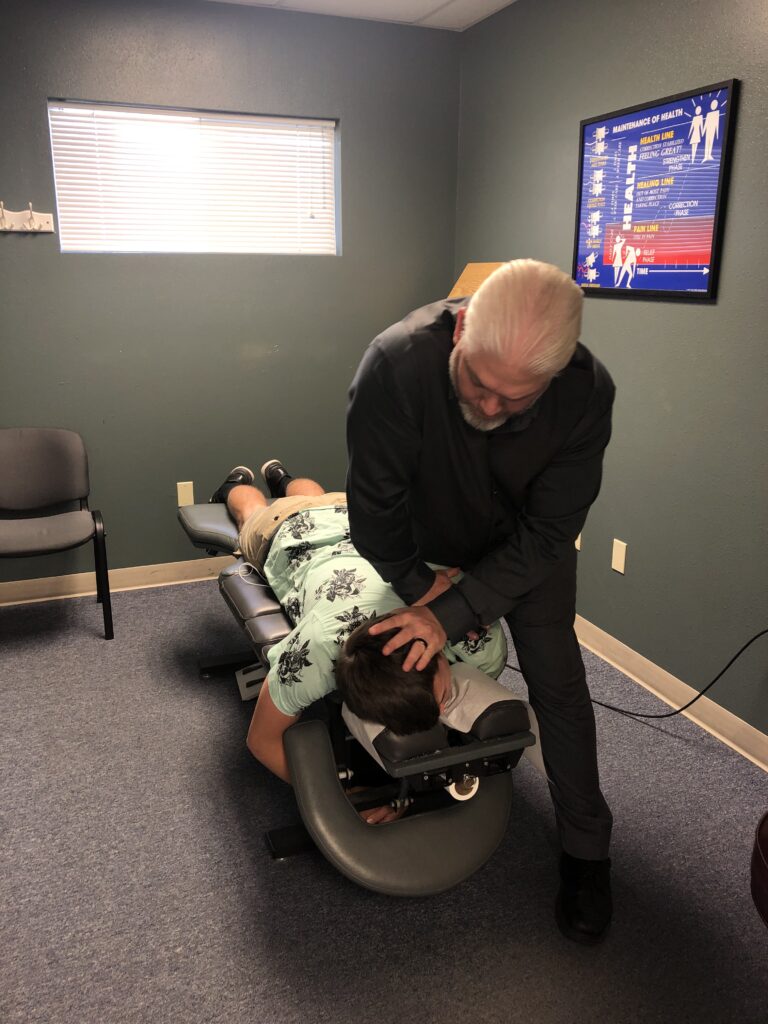

As a chiropractor, I often see how daily habits profoundly affect our neurological health. You might be surprised to learn that even small adjustments in your routine can lead to significant improvements. Incorporating cognitive exercises, such as puzzles or memory games, along with a balanced diet rich in nutrients, can greatly enhance your brain's resilience and adaptability. Additionally, practicing mindfulness can help reduce stress, which is essential for optimal brain function.
Consider how these techniques can stimulate your mental clarity and overall well-being, not just physically but neurologically. By understanding the intricate connections between your daily lifestyle and brain health, you can take proactive steps toward improving your neurological well-being. Let's explore these natural healing methods together, as they can truly reshape your approach to health and wellness.
Understand Neurological Health
As a local chiropractor, I want to highlight the often-overlooked importance of neurological health and how it relates to your overall well-being. Your brain and nervous system are at the core of nearly every function in your body, influencing everything from movement and cognition to emotional balance. When we neglect our neurological health, we may encounter a variety of issues, such as memory problems, mood swings, and even physical discomfort. Understanding how your neurological system operates is the first step toward nurturing it effectively.
To appreciate the significance of neurological health, it's essential to recognize the intricate connection between your brain and body. Your brain communicates with the rest of your body via a complex network of neurons. When these pathways are disrupted, it can result in complications like chronic pain or fatigue.
As a chiropractor, I encourage you to be mindful of factors that can impact your neurological health, including your diet, sleep quality, and stress levels. High stress can lead to inflammation in the brain, and inadequate nutrition can deprive your neurons of the essential nutrients necessary for optimal function.
Furthermore, being aware of the signs that may indicate neurological issues is crucial. If you frequently experience headaches, notice cognitive decline, or struggle with mood fluctuations, it's important to consult a professional. Early intervention, especially through chiropractic care, can significantly enhance your recovery and overall quality of life.
By prioritizing your neurological health, you empower yourself to lead a healthier, more fulfilling life. Take the time to educate yourself on the various aspects of neurological health and how chiropractic care can support your brain and nervous system.
With the right knowledge and guidance, you can make informed lifestyle choices that promote your neurological well-being and enhance your overall health.
Importance of Mental Exercise
As a local chiropractor, I want to emphasize the importance of mental exercise for enhancing your cognitive skills and memory. Many patients may not realize that mental wellness is just as crucial as physical health. By incorporating specific techniques into your daily routine, you can significantly reduce stress and promote better brain health, which is vital for overall well-being.
Engaging in mental exercises—such as puzzles, mindfulness practices, or even learning a new skill—can be incredibly beneficial. Not only do these activities stimulate your mind, but they also complement the physical adjustments and therapies we provide in our practice. Together, they create a holistic approach to health that supports your body and mind.
Let's discuss some simple ways you can integrate these mental exercises into your life, enhancing both your cognitive function and your chiropractic care experience.
Your journey to better health isn't just about the spine; it also involves fostering a resilient and active mind.
Cognitive Skill Development
As a chiropractor, I believe that just like your body benefits from physical adjustments and care, your brain also requires regular exercise to maintain optimal health. Engaging in cognitive exercises is crucial for sharpening your mental abilities and promoting overall brain wellness. Just as you might lift weights or stretch to strengthen your muscles, your brain thrives on mental challenges.
I encourage you to incorporate activities that stimulate your thinking, such as puzzles, games, or problem-solving tasks. These activities not only enhance your cognitive skills but also promote neuroplasticity—the brain's remarkable ability to adapt and grow. For instance, playing chess or other strategy games can sharpen your analytical thinking and improve your decision-making abilities.
Additionally, learning something new, like a language or an instrument, can significantly boost your cognitive function by engaging different areas of your brain. This can be especially beneficial for maintaining mental clarity as you age.
Don't overlook the simple yet powerful activity of reading. It broadens your vocabulary, enhances comprehension, and sparks your imagination. Even activities like memorizing poetry or practicing mindfulness can improve your cognitive flexibility and attention span.
Memory Enhancement Techniques
As a local chiropractor, I want to share with you the importance of boosting your memory as part of maintaining overall cognitive health. Engaging in specific mental exercises can significantly enhance your memory and cognitive function, much like how chiropractic care supports physical health.
To begin improving your memory, consider incorporating puzzles and brain games into your daily routine. Just as we challenge the body through physical adjustments, these activities stimulate your brain, enhance problem-solving skills, and strengthen neural connections.
You might also find value in memorization techniques such as the method of loci or chunking. By visualizing a familiar environment and linking items to specific locations within it, you can enhance your ability to recall them. Similarly, chunking allows you to break down complex information into smaller, more digestible pieces, making it easier to manage and remember.
Another beneficial approach is to regularly learn new skills or hobbies. Whether it's picking up a musical instrument or diving into a new language, these activities not only stimulate your brain but also promote neuroplasticity—the brain's ability to adapt and grow, much like how your body responds to chiropractic adjustments.
Lastly, don't underestimate the power of teaching others. When you explain concepts to someone else, you reinforce your own understanding and solidify your memories.
By integrating these mental exercises with a balanced diet, sufficient sleep, and social interactions, you're creating a holistic approach to enhancing your memory and cognitive function.
As your chiropractor, I encourage you to commit to these techniques. Just as chiropractic care supports your physical well-being, these practices can lead to noticeable improvements in your memory and overall cognitive health over time. Embrace this journey toward better mental clarity and function!
Stress Reduction Strategies
As a local chiropractor, I want to emphasize the importance of incorporating mental exercises into your stress reduction routine for better overall well-being. Engaging your brain in a variety of activities not only helps you relax but also strengthens the connections in your nervous system, which can enhance your cognitive function and support your body's natural healing processes.
One effective strategy I often recommend is mindfulness meditation. By focusing on your breath and staying present in the moment, you can significantly lower your stress levels and improve mental clarity. This practice aligns well with our chiropractic philosophy of balancing the body and mind.
Another great way to challenge your mind and divert your focus from stressors is through puzzle-solving activities, such as crosswords or Sudoku. These engaging tasks stimulate your brain while providing a much-needed mental break.
I also encourage patients to try guided imagery, where you can visualize a serene and peaceful scene. This technique serves as a mental escape, reducing anxiety and promoting relaxation, which is beneficial for your overall health.
Lastly, consider learning something new—be it a language or a musical instrument. This not only stimulates your brain but also helps shift your attention away from daily pressures, supporting your journey toward natural healing and wellness.
Nutrition for Brain Health
As a local chiropractor, I'm here to guide you on the importance of nutrition for your brain health.
It's essential to recognize how crucial nutrients are for cognitive function and overall mental well-being. Keeping yourself hydrated is also key, as it supports optimal brain performance.
By incorporating brain-boosting foods into your diet, you can enhance your cognitive abilities.
Let's delve into how these dietary factors can complement your chiropractic care and promote a healthier, sharper mind.
Essential Nutrients Overview
As a chiropractor focused on holistic health, I want to emphasize the vital role that essential nutrients play in maintaining optimal brain health. Your brain, much like the rest of your body, needs a diverse array of vitamins, minerals, and fatty acids to function at its best.
For example, omega-3 fatty acids are crucial for building cell membranes and supporting cognitive function. Incorporating foods like fatty fish, flaxseeds, and walnuts into your diet can significantly enhance your brain's performance.
B vitamins, particularly B6, B12, and folate, are equally important. These vitamins are essential for the formation of neurotransmitters, which are pivotal in regulating mood and cognitive processes. You can find these nutrients in leafy greens, legumes, and whole grains—simple dietary additions that can have a powerful impact.
Additionally, antioxidants such as vitamins C and E are key players in protecting your brain from oxidative stress, which can contribute to cognitive decline. Foods rich in these antioxidants, like berries, nuts, and citrus fruits, should be staples in your diet.
Let's not forget the significance of minerals like magnesium and zinc. Magnesium is vital for nerve function and learning, while zinc is essential for memory. By ensuring your diet includes a variety of these essential nutrients, you'll be taking crucial steps toward enhancing your brain health and overall neurological function.
As your chiropractor, I encourage you to prioritize your nutrition. Just as we focus on spinal alignment and overall wellness in our practice, nourishing your body with the right foods can help your cognitive abilities thrive.
Together, we can work towards a healthier, more vibrant you!
Hydration's Impact on Cognition
As a local chiropractor dedicated to your overall health and wellness, I want to emphasize the importance of proper hydration for maintaining cognitive function and supporting brain health. When you're adequately hydrated, your brain can perform optimally. Water is vital for transporting nutrients, eliminating toxins, and promoting healthy neural connections. Even just a slight level of dehydration can impact your attention, memory, and ability to concentrate.
Many may not know that our brains are composed of approximately 75% water. This highlights the necessity of staying hydrated to achieve peak mental performance. I encourage you to drink enough fluids throughout the day, especially if you're involved in activities that require mental focus or physical exertion.
It's common to overlook hydration, but simple strategies like setting reminders or keeping a water bottle within reach can make a significant difference.
Listen to what your body is telling you. Thirst is a clear indicator that you need more fluids, so don't dismiss it. Additionally, be mindful of substances like caffeine and alcohol, which can lead to dehydration. Balancing these with sufficient water intake is crucial for supporting your cognitive health.
Integrating proper hydration into your daily routine can enhance your focus, improve memory retention, and ultimately boost your brain function. Making hydration a priority is essential for your overall health—your brain will appreciate the effort!
Brain-Boosting Foods to Include
As a local chiropractor dedicated to your overall health, I want to emphasize the importance of incorporating brain-boosting foods into your diet to enhance not just cognitive health, but your overall well-being. One of the best choices you can make is to include fatty fish like salmon and sardines in your meals. These fish are rich in omega-3 fatty acids, which are essential for optimal brain function. Omega-3s help build brain cell membranes and facilitate communication between neurons, promoting a healthier brain.
In addition to fish, I encourage you to include leafy greens like kale and spinach in your diet. These vegetables are loaded with antioxidants, vitamins, and minerals that can protect your brain from damage and inflammation. They play a vital role in maintaining mental clarity.
Berries, especially blueberries, are another fantastic addition. They're high in flavonoids, which have been shown to improve memory and cognitive performance. Including a variety of nuts and seeds in your diet, particularly walnuts and flaxseeds, can also be beneficial. These foods are packed with healthy fats and vitamin E, which may help reduce the risk of cognitive decline.
Don't overlook the importance of whole grains, as they provide a steady release of glucose, offering your brain a consistent energy source.
Lastly, dark chocolate is a delightful treat that's rich in antioxidants and can uplift your mood and enhance cognitive function.
By integrating these simple, nourishing foods into your diet, you can provide your brain with the essential nutrients it needs to thrive. This, in turn, supports your mental clarity and focus, complementing the natural healing practices we promote in chiropractic care.
I encourage you to prioritize these foods, and you may witness remarkable improvements in your cognitive health and overall vitality!
Physical Activity Benefits
As a local chiropractor, I want to share some important insights on how regular physical activity can significantly enhance your neurological health. When you engage in movement, you boost blood flow to your brain, which is crucial for delivering essential nutrients and oxygen. This enhanced circulation not only keeps you fit but also plays a vital role in maintaining and improving your cognitive functions, such as sharper thinking and better memory. It's a proactive way to protect your brain from cognitive decline.
Engaging in physical activity also stimulates the release of neurotrophic factors—proteins that foster the growth and survival of neurons. This means that when you exercise regularly, you're not just keeping your body healthy; you're also creating new neural connections, which is especially beneficial as we age. Simple activities like walking, running, or even dancing can promote your brain's plasticity, allowing it to adapt and develop.
You may also find that regular exercise helps reduce stress and anxiety levels. Physical activity triggers the release of endorphins, commonly known as "feel-good" hormones. This natural mood booster can greatly enhance your overall mental health, leading to clearer thinking and more informed decision-making.
Additionally, incorporating physical activity into your daily routine can significantly improve your sleep quality. Quality sleep is essential for memory consolidation and overall brain function. When you're well-rested, you'll be more alert and focused, ready to tackle the challenges of the day.
As you explore natural healing and chiropractic care, remember that physical activity is a powerful ally in maintaining both your physical and mental well-being. Let's work together to develop a plan that incorporates movement into your life for the benefit of your overall health.
Mindfulness and Meditation
As a local chiropractor, I want to share how mindfulness and meditation can significantly benefit your neurological health.
These practices are excellent for reducing stress and enhancing focus, which can complement your chiropractic care.
I'll guide you through various techniques that can easily fit into your daily routine, helping you to incorporate mindfulness into your life.
Additionally, I'll provide you with practical tips to establish a consistent mindfulness practice that aligns with your lifestyle, promoting overall well-being and supporting your natural healing journey.
Benefits of Mindfulness
As a local chiropractor, I want to share with you the incredible benefits of incorporating mindfulness and meditation into your daily routine, especially as it relates to your overall health and wellness.
One of the most significant advantages of practicing mindfulness is its ability to reduce stress. By focusing on the present moment, you can calm your racing thoughts and alleviate anxiety, which is crucial for maintaining a healthy spine and nervous system. This simple shift can lead to a greater sense of peace in your everyday life, ultimately supporting your chiropractic care.
In addition to stress reduction, mindfulness can enhance your ability to concentrate. When you train your mind to stay present, you may find it easier to focus on tasks at hand, improving your productivity and efficiency. This mental clarity can also translate into better physical alignment and posture, which are essential for your overall health.
Furthermore, practicing mindfulness helps to boost your emotional resilience. By responding to challenges with clarity and composure rather than reacting impulsively, you can create a more balanced emotional state, which is vital for healing and recovery.
Mindfulness can also improve your relationships. Being fully present with others leads to more effective communication and deeper connections, which can alleviate stress and tension that may affect your physical health. Additionally, it promotes self-awareness, allowing you to better understand your thoughts and feelings, which is essential for personal growth and healing.
Incorporating mindfulness into your routine can lead to better sleep, improved mood, and even enhanced creativity. As you embrace these benefits, you may notice a positive shift in your overall neurological health and well-being, which aligns perfectly with the goals of chiropractic care.
Meditation Techniques Explained
As a local chiropractor, I often emphasize the importance of holistic approaches to health, and meditation is a powerful tool that can complement your chiropractic care. By integrating meditation into your daily routine, you can enhance your mental clarity and emotional well-being, which are essential for overall health.
One effective technique is focused breathing. This practice involves concentrating on your breath, allowing you to ground yourself in the present moment. By inhaling deeply through your nose, holding it briefly, and exhaling slowly through your mouth, you can significantly reduce anxiety and calm racing thoughts. This technique can be particularly beneficial for those experiencing stress related to physical discomfort.
Another valuable method is body scan meditation. This involves mentally scanning your body from head to toe, paying attention to any areas of tension or discomfort. As you focus on each part, consciously relax and release any tightness. This practice not only encourages a deeper connection with your body but also aids in alleviating stress, which can enhance your response to chiropractic adjustments.
You may also consider loving-kindness meditation, which fosters feelings of compassion and love, both for yourself and others. Start by silently repeating phrases like "May I be happy, may I be healthy," and then extend those wishes to loved ones and beyond. This technique can promote a positive mindset, which is vital for healing.
Incorporating these meditation techniques into your routine can offer significant benefits. By practicing mindfulness alongside chiropractic care, you'll likely experience increased focus, reduced stress, and a greater sense of balance and peace in your daily life.
Embracing both natural healing methods can lead to a more holistic approach to your overall health and well-being.
Daily Practice Tips
As a chiropractor, I encourage you to consider integrating mindfulness and meditation into your daily routine for overall well-being, particularly as it relates to your physical health.
Start by dedicating just a few minutes each day to this practice. Find a time that suits you—be it in the morning to set the tone for your day, during your lunch break for a mid-day reset, or in the evening to unwind before bed.
Create a calming environment that's free from distractions, where you can sit comfortably and focus on your body's needs.
Begin with simple breathing exercises that can complement your chiropractic care. Inhale deeply through your nose, hold for a moment, and exhale slowly through your mouth. This practice not only helps to anchor your thoughts but also promotes relaxation, which is essential for your body's healing process.
As you become more comfortable, you might explore guided meditations or mindfulness apps to further enhance your experience.
Additionally, I recommend incorporating mindfulness into your everyday activities. Whether you're walking, eating, or even washing dishes, take a moment to notice your surroundings.
Focus on the sensations, sounds, and smells around you, allowing yourself to be fully present. This mindfulness can help you become more aware of your body's signals and support your journey towards better health.
Sleep's Role in Neurology
As a local chiropractor, I want to emphasize the crucial role that sleep plays in maintaining your neurological health. Many people may not realize how interconnected sleep is with cognitive function and emotional well-being. When you get quality sleep, your brain is hard at work, consolidating memories and clearing out toxins that can hinder your mental clarity.
During deep sleep, your brain performs a vital process called synaptic pruning. This is where it strengthens the important neural connections that support learning and memory while eliminating the ones that are no longer needed. Unfortunately, if you're not getting enough restorative sleep, you may struggle with focus, information retention, and regulating your emotions.
Sleep deprivation can lead to a host of issues, including cognitive decline and a higher risk for neurological disorders like Alzheimer's. You might notice that your judgment is impaired, creativity wanes, and reaction times slow down when you're lacking sleep.
It's also essential to understand the strong link between sleep and mental health. Poor sleep can worsen feelings of anxiety and depression, creating a cycle that impacts your neurological well-being. That's why it's so important to prioritize good sleep hygiene. Simple strategies like maintaining a consistent sleep schedule, developing a calming bedtime routine, and reducing screen time before bed can make a significant difference.
Creating a comfortable sleep environment is equally important. I recommend keeping your bedroom dark, quiet, and cool, and investing in a quality mattress and pillows to support your spine and overall comfort.
By addressing these factors, you can improve your sleep quality, which in turn can enhance your cognitive function and emotional stability. Remember, quality sleep isn't just a luxury; it's essential for your overall health and wellness, including your neurological health.
As your chiropractor, I'm here to support you on your journey to better health through natural healing and lifestyle choices.
Social Connections and Support
As a local chiropractor, I want to emphasize that quality sleep is just one piece of the puzzle when it comes to your neurological health. It's important to recognize that social connections and support also play a vital role in how our brains function. Engaging with others can significantly reduce stress, anxiety, and depression, which can all hinder your brain's performance.
By surrounding yourself with supportive friends and family, you're not only enhancing your mental well-being but also fortifying your cognitive resilience. Strong social ties can elevate your overall mood and improve your brain's ability to process information. When you engage in conversations, share laughter, and create shared experiences with loved ones, you're actively stimulating your brain.
This kind of social interaction promotes the growth of new neural connections, which is essential for maintaining optimal cognitive health over time. Additionally, being part of a community gives you a sense of purpose and belonging—elements that are crucial for a positive outlook.
Don't overlook the significance of small interactions in your daily life. Simple acts like chatting with neighbors, participating in local group activities, or volunteering can offer meaningful opportunities for social engagement. These interactions can serve as a protective barrier against stress and loneliness, both of which can negatively impact your neurological health.
To enhance your social network, consider reaching out to old friends or joining local clubs that resonate with your interests. It's important to feel comfortable sharing your thoughts and feelings with others, as vulnerability can strengthen relationships and foster understanding.
Cognitive Behavioral Techniques
As a local chiropractor, I want to emphasize the importance of holistic health that encompasses not just your physical well-being, but also your mental and emotional wellness. While establishing strong social connections is vital for your neurological health, integrating cognitive behavioral techniques can significantly enhance your mental state. These techniques are designed to help you identify and challenge negative thought patterns that can adversely affect your mood and behavior.
To get started, I encourage you to recognize your automatic thoughts. Whenever you encounter stress or anxiety, take a moment to write down what's going through your mind. Are these thoughts grounded in reality? Often, you might find that your mind is exaggerating the situation. Once you have pinpointed these negative thoughts, it's time to challenge them. Ask yourself if there's any real evidence supporting these beliefs or if they're merely unfounded fears that you can let go of.
Another valuable practice is reframing your perspective. Instead of fixating on failures or setbacks, view them as valuable opportunities for growth. For instance, instead of saying, "I can't handle this," try shifting to "This is a challenge that I can learn from." This change in mindset can greatly enhance your resilience and overall outlook on life.
Additionally, incorporating mindfulness practices into your daily routine can be incredibly beneficial. Techniques such as deep breathing and meditation can help anchor you in the present moment, effectively reducing anxiety and improving your mental clarity.
By consistently applying these cognitive behavioral techniques alongside your chiropractic care, you can cultivate a healthier mindset that supports your overall neurological health. I encourage you to integrate these methods into your daily life and experience how they can nurture your mental well-being.
Together, we can pave the way for a happier, more fulfilled life, supported by both chiropractic care and a positive mindset.
Neuroplasticity and Learning
As a chiropractor, I want to share with you the fascinating concept of neuroplasticity, which is the brain's incredible ability to reorganize itself by forming new neural connections. This process is essential not only for how we learn but also for how we adapt to various physical and emotional challenges throughout our lives. The great news is that your brain isn't static; it can change and grow based on your experiences, environments, and actions.
When you learn something new, your brain creates pathways that help you remember that information better. This is where chiropractic care can play a vital role. By ensuring that your spine and nervous system are functioning optimally, we can enhance your brain's ability to form these connections. The more you practice new skills—whether it's through physical activities, learning an instrument, or even engaging with puzzles—the stronger these neural connections become.
I encourage you to harness the power of neuroplasticity in your daily life. Take on new challenges, explore hobbies, and push your limits. Engaging in activities that stimulate your brain not only promotes growth but can also aid in your overall physical well-being. Remember, making mistakes is part of the learning process; they're essential for building those neural connections. Each time you face a challenge, your brain adapts and learns, which is something we strive to support through chiropractic adjustments.
Incorporating mental exercises into your routine can further enhance your brain's adaptability. Simple activities like reading, playing memory games, or practicing mindfulness can strengthen your neural pathways and improve cognitive function.
Additionally, don't overlook the importance of a balanced diet and sufficient sleep—both are crucial for maintaining your brain's plasticity and overall health.
At our chiropractic office, we're committed to helping you not only achieve physical wellness but also to realize your brain's full potential. Let's work together to support your journey toward a healthier, more adaptable mind and body.
Stress Management Strategies
As a local chiropractor dedicated to your overall well-being, I want to emphasize the importance of managing stress for both your mental and physical health. When stress accumulates, it can adversely affect your nervous system, potentially leading to issues such as anxiety, depression, and cognitive decline.
Fortunately, there are several natural stress management strategies that can enhance your health and complement chiropractic care.
One effective approach is practicing mindfulness through techniques like meditation or deep-breathing exercises. Just dedicating a few minutes each day to focus on your breath can help ground you and bring your awareness to the present moment. This simple yet powerful practice can reduce feelings of anxiety and improve your emotional regulation—beneficial for anyone looking to maintain a balanced life.
Incorporating regular physical activity is another crucial strategy for stress reduction. I recommend aiming for at least 30 minutes of exercise most days of the week. Whether it's a brisk walk, yoga, or even a dance class, find an activity that you enjoy.
Exercise is known to release endorphins, which naturally elevate your mood and alleviate tension. As a chiropractor, I can also assist you in ensuring your body is aligned and functioning optimally for these activities.
Maintaining a balanced diet is equally important in combating stress. Consuming nutrient-rich foods fuels both your body and brain, helping to stabilize your mood and energy levels. I encourage you to include plenty of fruits, vegetables, whole grains, and lean proteins in your meals.
Additionally, staying well-hydrated is essential; dehydration can heighten stress levels and affect your overall health.
Lastly, never underestimate the importance of social support. Regularly connecting with friends, family, or support groups can significantly lighten your emotional load. Sharing your thoughts and feelings not only provides relief but also offers new perspectives on the challenges you may face.
As your chiropractor, I'm here to support you on your journey to stress management and holistic health. Together, we can develop a comprehensive plan that addresses your unique needs and enhances your quality of life.
Conclusion
As your local chiropractor, I want to share some valuable techniques that can significantly improve your neurological health and cognitive function. It's essential to engage in mental exercises that stimulate your brain, alongside nourishing your body with foods that are known to boost brain health. Incorporating mindfulness practices into your routine can greatly help in reducing stress levels, which is crucial for maintaining a healthy mind.
Don't forget the importance of physical activity and social interactions; these elements are fundamental to your overall well-being. They not only support your physical health but also contribute to a resilient brain. By fostering neuroplasticity—the brain's ability to adapt and change—you can enhance your cognitive abilities. I encourage you to start implementing these practices today, and you'll likely see a remarkable improvement in your mental clarity and performance!