
When you face a sports injury, it's easy to feel overwhelmed and unsure of the best path to recovery. However, natural healing methods can offer a powerful alternative to traditional treatments. By focusing on nutrition, herbal remedies, and mindfulness, you can not only recover but also enhance your performance. Imagine incorporating simple changes to your diet and daily routine that could accelerate your healing process. But how do you start this journey toward a more holistic approach? Let's explore the key elements that can transform your recovery.
Understanding Sports Injuries
Understanding sports injuries is essential for any athlete looking to maintain peak performance and longevity in their chosen sport. You might think injuries are just part of the game, but knowing what they are can help you prevent them and recover more effectively.
Sports injuries typically fall into two categories: acute and chronic. Acute injuries happen suddenly, like sprains or fractures, often due to a specific incident. Chronic injuries develop over time, like tendonitis, resulting from repetitive stress or overuse.
To understand the mechanics of these injuries, you need to pay attention to your body. Are you experiencing pain? Swelling? Limited range of motion? These are signals that something's not right. Ignoring these signs can lead to more severe injuries and longer recovery times.
It's also important to recognize common risk factors. Poor conditioning, improper techniques, and inadequate warm-ups can all increase your likelihood of getting hurt. By focusing on strength training, flexibility, and proper form, you can minimize these risks.
Don't forget about the significance of recovery. Allowing your body to heal properly after an injury is vital for preventing future problems. This includes rest, ice, compression, and elevation—commonly known as the RICE method.
Lastly, equip yourself with knowledge. The more you understand your sport's demands and your body's capabilities, the better prepared you'll be to avoid injuries and enjoy a successful athletic career.
The Power of Herbal Remedies
Harnessing the power of herbal remedies can be a game-changer for athletes dealing with sports injuries. These natural solutions offer an array of healing properties that can help reduce inflammation, speed up recovery, and alleviate pain without the side effects often associated with pharmaceuticals. By incorporating herbal remedies into your recovery routine, you can support your body's natural healing process.
For instance, arnica is well-known for its anti-inflammatory properties and can be applied topically to bruises and sore muscles. You might find that using arnica gel or cream helps reduce swelling and accelerates recovery.
Similarly, turmeric has powerful anti-inflammatory effects, and you can consume it in various forms, like teas or supplements, to help combat internal inflammation.
Ginger is another fantastic option that can ease pain and improve circulation, making it particularly useful after intense workouts. Drinking ginger tea or adding fresh ginger to your meals can provide added benefits.
Don't overlook the power of peppermint either; it can soothe muscle tension and promote relaxation.
To reap the benefits of herbal remedies, consider creating a personalized blend that suits your needs. Be sure to consult with a healthcare provider before starting any new regimen, especially if you're on other medications.
Nutrition for Recovery
When you're recovering from a sports injury, what you eat plays an essential role in your healing process.
Incorporating anti-inflammatory foods can help reduce pain and swelling, while staying hydrated keeps your body functioning at its best.
Let's explore how these nutritional choices can accelerate your recovery.
Anti-Inflammatory Foods
Incorporating anti-inflammatory foods into your diet can greatly boost your recovery from sports injuries. These foods help reduce inflammation, alleviate pain, and promote healing, allowing you to get back to the game sooner.
Focus on including foods rich in omega-3 fatty acids, like fatty fish (salmon, mackerel, sardines), as they're known to lower inflammation. Nuts and seeds, especially walnuts and flaxseeds, are great additions that provide healthy fats.
Fruits and vegetables are your allies too. Dark berries, such as blueberries and strawberries, are packed with antioxidants that combat inflammation. Leafy greens like spinach and kale are also crucial, as they contain numerous vitamins and minerals essential for recovery.
Don't forget about turmeric and ginger; both spices have powerful anti-inflammatory properties and can be easily added to your meals.
Whole grains like brown rice and quinoa are beneficial as well, providing essential fiber and nutrients.
Finally, incorporating legumes, such as beans and lentils, can further enhance your recovery process. By making these simple dietary changes, you're setting yourself up for a quicker, more effective recovery from your sports injuries.
Hydration Importance
Water is your body's lifeline, especially when recovering from a sports injury. Staying properly hydrated fuels your recovery process and helps reduce inflammation. When you're dehydrated, your body struggles to transport nutrients to damaged tissues, slowing down healing.
Make it a habit to drink water consistently throughout the day. You mightn't feel thirsty, but your body still needs that hydration to function efficiently. Aim for at least half your body weight in ounces daily, and increase that amount if you're sweating a lot during rehab exercises.
Electrolytes also play an essential role in hydration. Consider adding electrolyte-rich drinks or foods like coconut water, bananas, or leafy greens into your diet. These will help maintain your fluid balance and support muscle function.
Don't forget about the signs of dehydration. Symptoms like fatigue, headaches, and dizziness can hinder your recovery. If you notice these, it's time to up your water intake.
Ultimately, prioritizing hydration will empower your body to heal more effectively and get you back in the game faster. So grab that water bottle and make hydration a key part of your recovery plan!
Mindfulness and Mental Resilience
While injuries can take a physical toll, the mental challenges they bring often require just as much attention. You might find yourself grappling with frustration, fear, or anxiety about your recovery. Embracing mindfulness can be a powerful tool in maneuvering through these emotional hurdles. By focusing on the present moment, you can reduce stress and cultivate a sense of calm.
When you practice mindfulness, you're not just allowing yourself to heal physically; you're enhancing your mental resilience too.
Start by setting aside a few minutes each day for mindfulness exercises. This could involve deep breathing, guided meditation, or simply paying attention to your thoughts and feelings without judgment. Acknowledge any negative emotions you experience, but don't let them define you. Instead, redirect your focus to what you can control: your thoughts, your reactions, and your daily efforts in recovery.
Visualizing your progress is another effective strategy. Picture yourself fully healed, engaging in the activities you love. This can boost your motivation and reinforce a positive mindset.
Surround yourself with supportive people who uplift you and remind you of your strengths.
Physical Therapy Techniques
When you're recovering from a sports injury, utilizing effective physical therapy techniques can greatly speed up your healing process. One of the first things you should consider is range of motion exercises. These gentle movements help maintain flexibility and prevent stiffness, ensuring you can regain full mobility. Start slow and gradually increase the intensity as your body allows.
Strengthening exercises are important as well. Once your pain decreases, focus on building strength in the injured area. Resistance bands or light weights can be beneficial, and working with a therapist can help you develop a personalized regimen. This targeted strengthening will support your recovery and reduce the risk of future injuries.
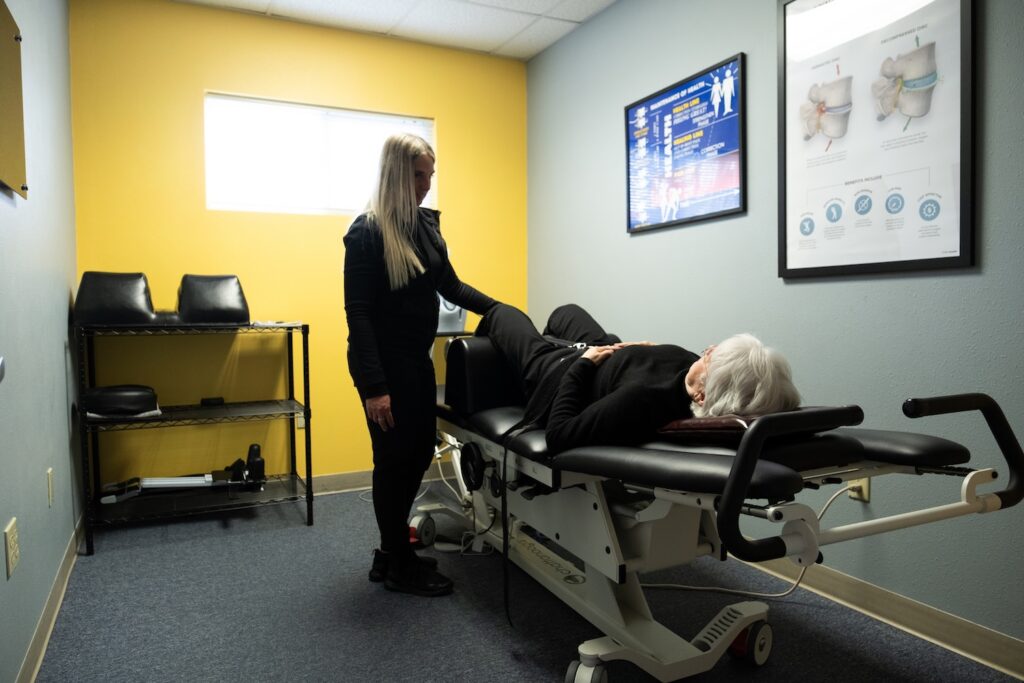
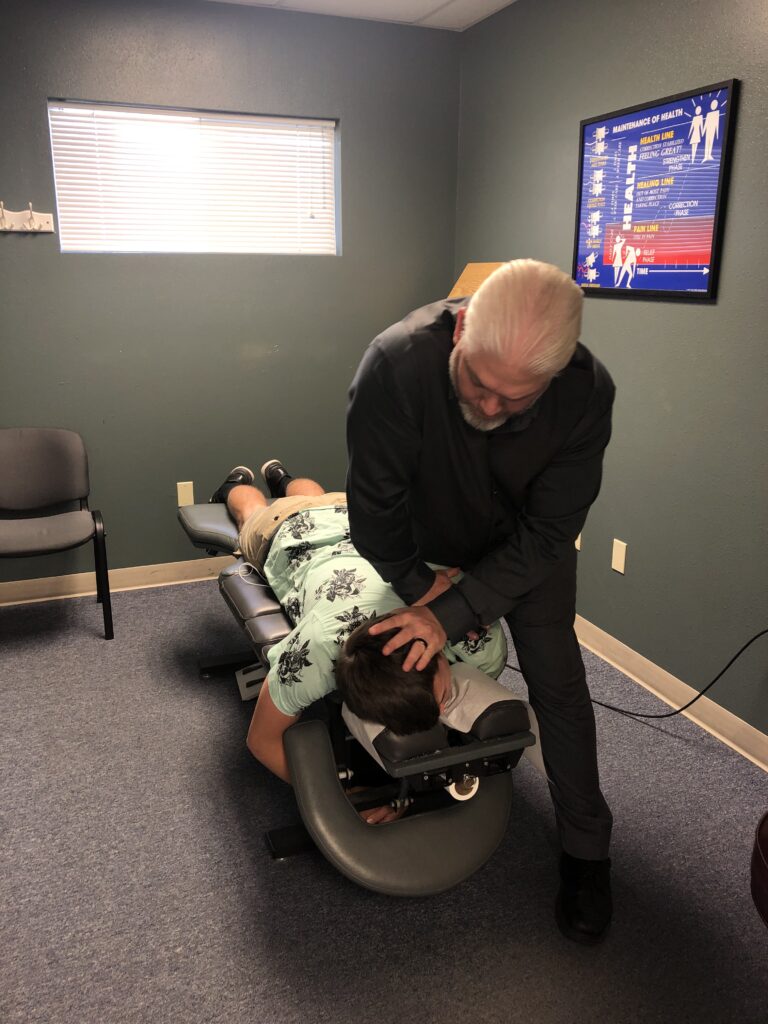
Manual therapy techniques, such as massage or joint mobilization, can also play a key role. These hands-on approaches help relieve tension, improve circulation, and facilitate healing. You might find that regular sessions with a qualified therapist can enhance your overall recovery experience.
Additionally, incorporating balance training is essential, especially for lower body injuries. Simple exercises, like standing on one leg or using a balance board, can greatly improve stability and coordination. This not only aids in your current recovery but also builds a solid foundation for your future performance.
Finally, don't forget the importance of proper warm-ups and cool-downs. Engaging in these practices before and after your workouts can enhance your therapy efforts, ensuring you stay injury-free as you return to your sport.
Homeopathy and Natural Treatments
When you're dealing with a sports injury, exploring homeopathy and natural treatments can be a game changer.
These remedies offer a holistic approach that targets not just the symptoms but also the underlying causes of your discomfort.
Homeopathic Remedies Overview
Homeopathy offers a unique approach to healing sports injuries by treating the individual rather than just the symptoms. Instead of merely addressing pain or swelling, homeopathy considers your overall health, lifestyle, and emotional state. This holistic method can help you recover more effectively and prevent future injuries.
Homeopathic remedies are made from natural substances and are tailored to meet your specific needs. You might find that remedies like Arnica montana are beneficial for bruising and muscle soreness, while Rhus tox could be ideal for stiffness and joint pain. Each remedy works on different levels, supporting your body's innate ability to heal.
When you consult a homeopathic practitioner, they'll ask detailed questions about your injury, medical history, and even your emotional responses to pain. This personalized approach guarantees that you receive a remedy best suited for your condition.
It's essential to remember that homeopathic remedies are safe, non-toxic, and free from harmful side effects, making them an excellent choice for anyone looking to heal naturally.
Natural Healing Techniques
Exploring natural healing techniques can considerably enhance your recovery from sports injuries. Homeopathy, a key player in this area, uses highly diluted substances to stimulate your body's healing response. You might find remedies like Arnica useful for bruising and swelling, or Rhus tox to alleviate stiffness in overworked muscles.
These remedies can be tailored to your specific symptoms, promoting a more personalized healing journey.
In addition to homeopathy, consider incorporating natural treatments like herbal therapies and essential oils. Turmeric, with its anti-inflammatory properties, can be taken as a supplement or added to your meals.
Essential oils such as peppermint or eucalyptus can be used in massages to soothe sore muscles and improve circulation.
Don't overlook the importance of rest and hydration, either. Staying well-hydrated helps your body flush out toxins and supports overall recovery.
If you're dealing with pain, try applying ice or heat to the affected area to reduce inflammation and promote blood flow.
Benefits of Holistic Approach
Adopting a holistic approach to healing sports injuries offers numerous benefits that can accelerate your recovery. By integrating homeopathy and natural treatments, you address not just the physical symptoms, but also the underlying factors contributing to your injury. This thorough method promotes overall wellness and enhances your body's natural healing abilities.
Homeopathy, for instance, utilizes highly diluted substances to stimulate your body's healing process. It's tailored to your individual symptoms, ensuring that you receive personalized care. This can lead to faster recovery times and a reduction in inflammation and pain.
Natural treatments, like herbal remedies and acupuncture, can also play a significant role. They improve circulation, reduce muscle tension, and enhance joint flexibility, all of which are essential for getting you back in the game. Additionally, these methods typically come with fewer side effects compared to conventional medications, allowing you to maintain your performance without unwanted complications.
Lastly, a holistic approach encourages lifestyle changes that can prevent future injuries. By prioritizing nutrition, stress management, and regular physical activity, you not only heal faster but also strengthen your body for the challenges ahead.
Embracing this method truly empowers you on your journey to recovery.
Preventative Measures for Athletes
Prevention is key when it comes to minimizing the risk of sports injuries for athletes. You can adopt several strategies to keep yourself in the game and reduce the likelihood of setbacks.
First, proper warm-up and cool-down routines are essential. Spend at least 10-15 minutes before and after your workouts to stretch and gradually increase your heart rate. This prepares your muscles and joints for the physical demands of your sport.
Next, focus on strength training. Building a strong foundation helps support your body during intense activity. Incorporate exercises that target your core, as a stable core can improve balance and reduce injury risk.
Additionally, pay attention to your technique. Whether you're running, jumping, or throwing, using the correct form will help avoid undue stress on your body.
Don't overlook the importance of rest and recovery. Your body needs time to heal and rebuild, so make sure you schedule rest days into your training regimen. Listen to your body; if you're feeling fatigued or in pain, take a break.
Lastly, invest in the right gear. Wearing appropriate footwear and protective equipment can make a significant difference in preventing injuries. Confirm your gear suits your sport and fits correctly.
Holistic Lifestyle Changes
Embracing a holistic lifestyle can greatly enhance your overall well-being and support your body's natural healing processes. By integrating physical, emotional, and spiritual components into your routine, you can create an environment that promotes recovery from sports injuries.
Start with nutrition—fuel your body with whole foods, rich in vitamins and minerals. Incorporate plenty of fruits, vegetables, lean proteins, and healthy fats. These nutrients not only aid in tissue repair but also boost your immune system.
Next, consider your physical activity. While rest is essential for healing, gentle movement like yoga or swimming can maintain flexibility and circulation, helping to speed up recovery. Listen to your body; when you feel ready, gradually reintroduce activities that bring you joy.
Don't overlook the importance of mental health. Stress can hinder healing, so practice mindfulness techniques like meditation or deep-breathing exercises. These can help you stay focused and calm, which is important during recovery.
Sleep also plays a significant role in healing. Aim for 7-9 hours of quality sleep per night to allow your body to repair itself. Establish a relaxing bedtime routine to improve your sleep quality.
Lastly, connect with nature. Spend time outdoors, as exposure to sunlight can boost your mood and vitamin D levels. Surrounding yourself with supportive people and engaging in activities you love will enhance your emotional well-being.
Conclusion
By embracing natural healing methods, you can accelerate your recovery from sports injuries and enhance your performance. Incorporate anti-inflammatory foods, herbal remedies, and mindfulness practices into your routine to promote resilience and well-being. Remember, it's not just about healing physically; nurturing your mental state is equally important. Stay proactive with preventative measures and holistic lifestyle changes to keep your body in peak condition. With these strategies, you'll release your game and come back stronger than ever!