
If you're struggling with persistent neck pain, you might be surprised to learn that surgery isn't your only option. Many effective, non-invasive solutions can help you find relief without the need for invasive procedures. From physical therapy to mindfulness techniques, these approaches target the root causes of discomfort and can greatly improve your quality of life. But which methods are truly the most effective, and how can you implement them into your daily routine? Let's explore these options to uncover the best path for your recovery.
Understanding Neck Pain
What causes neck pain, and how can you recognize it? Neck pain often stems from muscle strain, poor posture, or injuries, like whiplash. If you spend hours hunched over your computer or phone, you might notice stiffness or discomfort as a result. You might also feel pain radiating from your neck to your shoulders, or even down your arms. This discomfort can be sharp, dull, or even accompanied by headaches.
Recognizing the signs of neck pain is vital. You may experience limited range of motion, making it difficult to turn your head or look up. Sometimes, you might notice tingling or numbness in your arms, which can indicate nerve involvement. It's important to pay attention to these symptoms, as they can worsen over time if left unaddressed.
In addition to muscle strain and poor posture, other factors can contribute to neck pain. Stress and tension can cause tightness in the neck muscles, leading to discomfort. Additionally, degenerative conditions like arthritis can develop, especially as you age.
You should also consider your sleep habits. An unsupportive pillow or sleeping in an awkward position can exacerbate neck pain. Keeping your neck aligned while you sleep is key to prevention.
Benefits of Physical Therapy
Physical therapy offers a practical solution for managing neck pain and restoring mobility. By working with a qualified physical therapist, you'll receive a personalized treatment plan tailored to your specific needs. This approach focuses on addressing the underlying causes of your neck pain rather than just masking the symptoms.
One of the main benefits of physical therapy is its emphasis on strengthening and stretching. You'll learn exercises that target the muscles supporting your neck, which can enhance stability and reduce discomfort. Improved muscle strength can lead to better posture, helping to alleviate strain on your neck.
Additionally, physical therapy incorporates techniques such as manual therapy and modalities like heat or cold therapy. These methods can improve circulation and relieve muscle tension, providing immediate relief and promoting recovery. Your therapist will guide you through these techniques, ensuring you perform them safely and effectively.
Another advantage is that physical therapy empowers you with knowledge. You'll gain insights into your body mechanics and learn how daily activities might contribute to your neck pain. This awareness can help you make lifestyle changes that prevent future issues.
Moreover, physical therapy encourages a gradual return to normal activities, including work and exercise. As your mobility improves, you'll feel more confident in your ability to manage your neck pain on your own.
Exploring Chiropractic Care
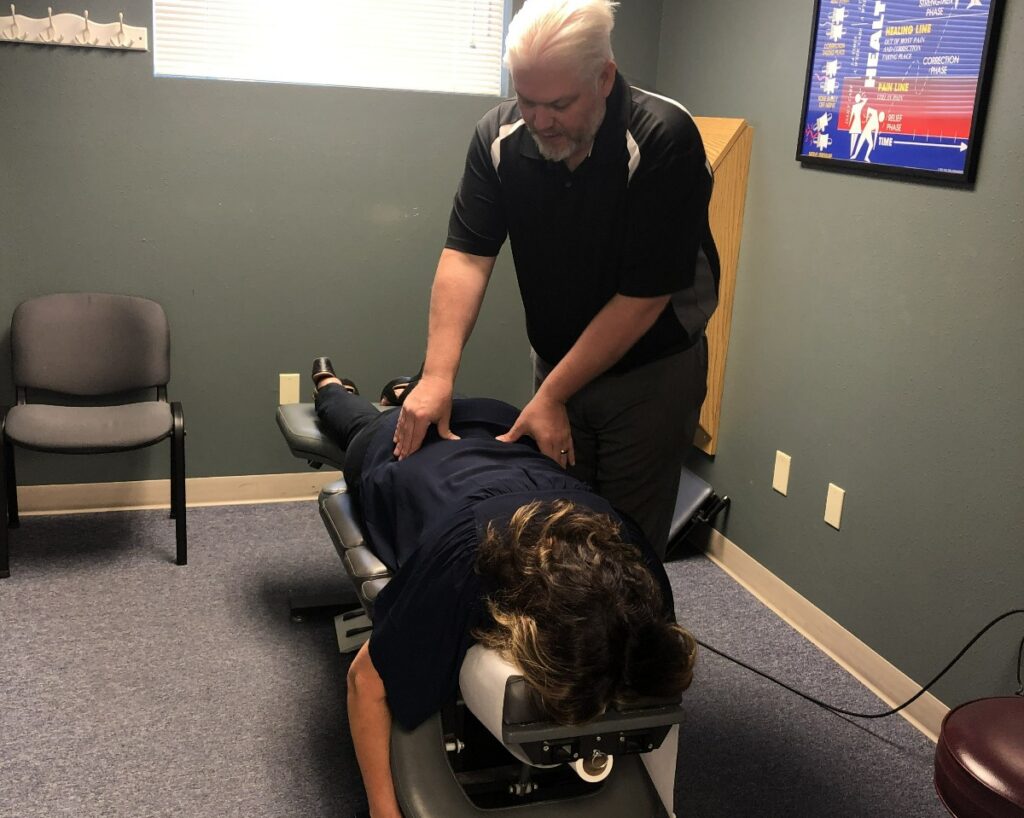
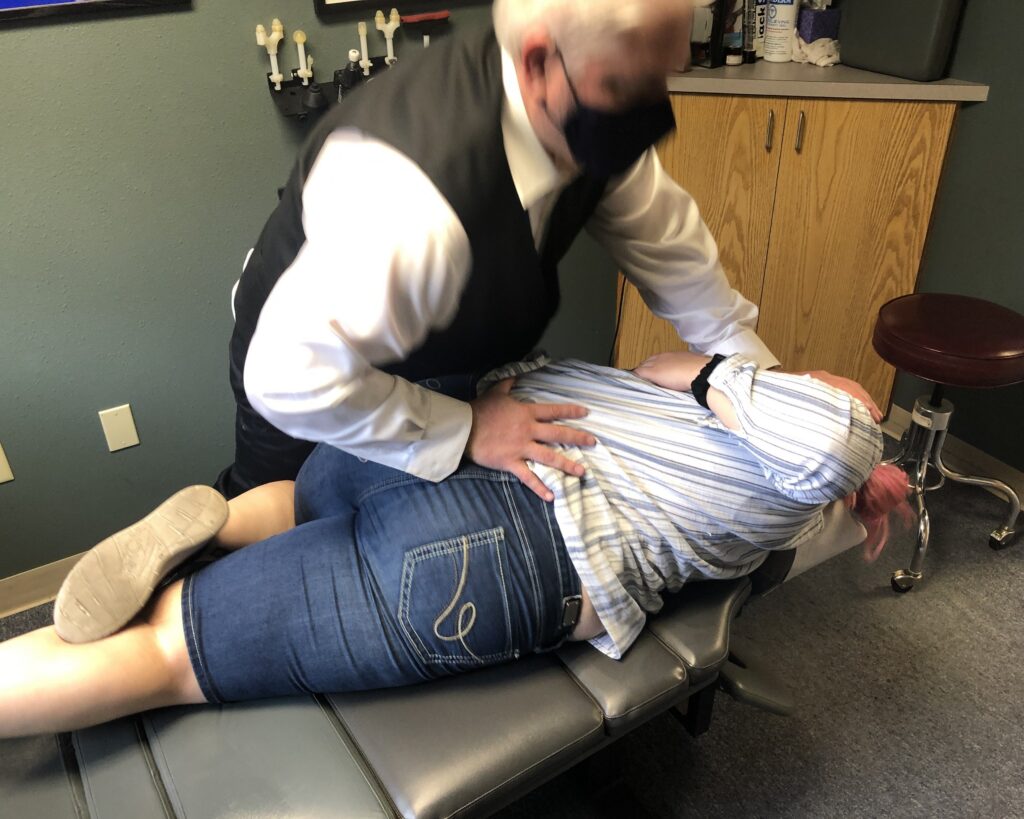
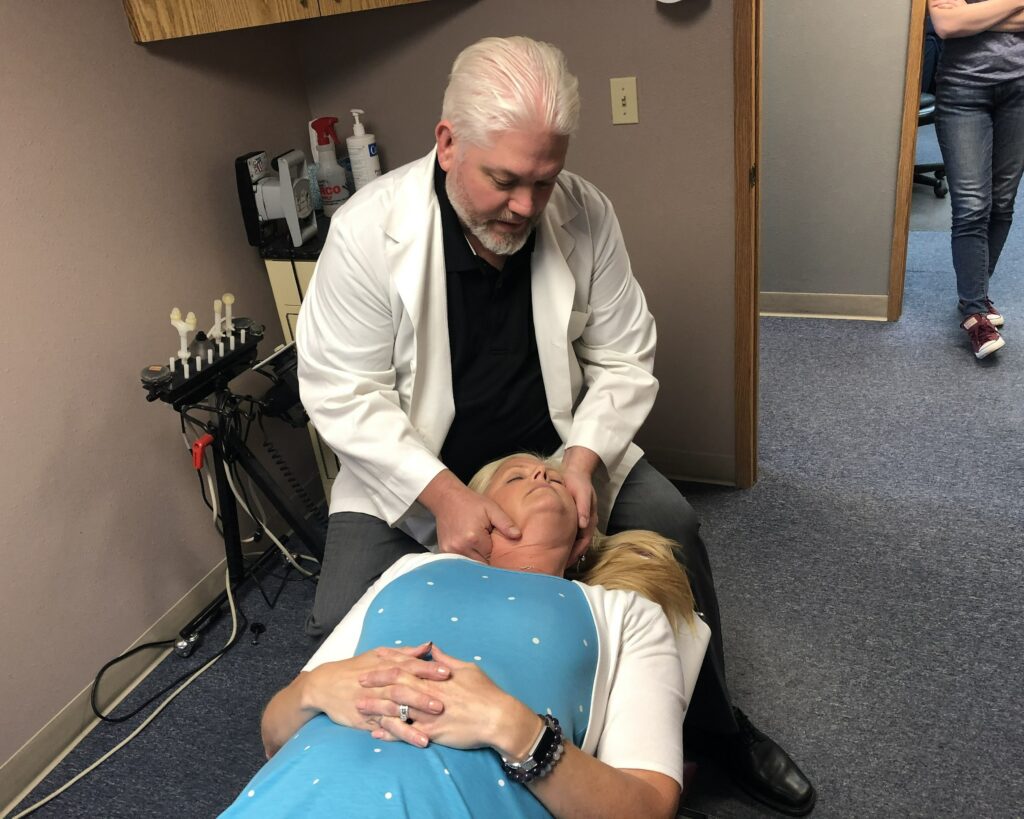
If you're struggling with neck pain, chiropractic care might offer the relief you need.
You'll discover how chiropractic adjustments can realign your spine and alleviate discomfort, using various techniques tailored to your specific issues.
Let's explore the benefits and methods that chiropractors use to help you regain your neck's mobility and health.
Benefits of Chiropractic Adjustments
Have you ever wondered how chiropractic adjustments can alleviate neck pain? These targeted adjustments focus on restoring proper alignment to your spine, which can greatly reduce muscle tension and improve overall mobility.
When your spine is aligned correctly, it helps your nervous system function at its best, allowing your body to heal more effectively.
One key benefit of chiropractic care is its emphasis on natural healing. Rather than relying on medications that may mask symptoms, chiropractic adjustments address the root cause of your discomfort.
You'll often experience immediate relief after an adjustment, making it a highly effective treatment option for neck pain.
Additionally, regular chiropractic visits can prevent future issues. By maintaining spinal alignment, you can minimize the risk of recurring neck pain, enhancing your daily life.
Many patients report improved posture, which is essential for reducing strain on your neck.
Chiropractic adjustments also promote better circulation, delivering important nutrients and oxygen to your muscles and tissues.
This can accelerate recovery from any injuries or inflammation you might be experiencing. Embracing chiropractic care could be the key to accessing lasting neck pain relief without resorting to surgery.
Techniques for Neck Pain
When it comes to addressing neck pain, chiropractic care offers a variety of effective techniques tailored to your specific needs. One of the primary methods is spinal manipulation, where the chiropractor uses controlled force to realign your spine and alleviate tension. This technique can improve mobility and reduce pain, allowing you to regain your range of motion.
Another valuable approach is soft tissue therapy. Your chiropractor may apply massage techniques to relieve muscle tightness and enhance blood flow, promoting healing in the affected area. Additionally, they might incorporate stretching exercises, which you can do at home, to improve flexibility and strengthen the muscles supporting your neck.
Therapeutic modalities, like ultrasound and electrical stimulation, are also commonly used in chiropractic care. These treatments can reduce inflammation and provide pain relief, complementing your overall recovery plan.
Finally, your chiropractor may offer lifestyle advice, suggesting ergonomic adjustments and posture corrections to prevent future neck pain. By combining these techniques, chiropractic care addresses the root causes of your discomfort, empowering you to move freely and live pain-free.
Embracing these methods can lead to long-lasting relief and improved quality of life.
The Role of Massage Therapy
Massage therapy serves as a powerful, non-invasive approach to alleviating neck pain, offering relief without the need for surgical intervention. By targeting tight muscles and improving circulation, massage can effectively reduce tension and promote healing in the neck area.
Whether you're dealing with chronic discomfort or occasional strain, incorporating massage into your routine can provide significant benefits.
You might find that different techniques work better for your specific needs. Here are a few key benefits of massage therapy for neck pain:
- Increased Blood Flow: Improved circulation can help deliver essential nutrients to the affected areas, speeding up recovery and reducing soreness.
- Muscle Relaxation: By applying pressure to tense muscles, therapists can help release knots and alleviate discomfort, allowing for greater flexibility and range of motion.
- Stress Reduction: Massage not only addresses physical pain but also helps lower stress levels, which can contribute to muscle tension and exacerbate neck pain.
Consider scheduling regular sessions with a licensed massage therapist who specializes in neck issues. They can tailor their approach to your unique situation, ensuring you receive the best possible care.
Whether it's deep tissue, trigger point therapy, or relaxation techniques, the right massage can make a significant difference in your overall neck health.
Effective Stretching Techniques
When you're dealing with neck pain, effective stretching techniques can make a big difference.
Incorporating gentle neck stretches and focusing on upper back mobility can help relieve tension.
Plus, integrating these stretches into your daily routine guarantees you stay on track for better neck health.
Gentle Neck Stretches
Gentle neck stretches can greatly relieve tension and improve flexibility in your neck. Incorporating these stretches into your daily routine can help you ease discomfort and promote better posture.
Try these effective techniques to get started:
- Neck Tilts: Sit or stand upright. Slowly tilt your head to one side, bringing your ear toward your shoulder. Hold for 15-30 seconds, then switch sides. Repeat a few times.
- Chin Tucks: While sitting or standing, gently tuck your chin toward your chest. This helps strengthen neck muscles. Hold for 5 seconds, then release. Repeat 8-10 times.
- Shoulder Shrugs: Raise your shoulders towards your ears, hold for a moment, and then lower them back down. This can relieve tension in both the neck and shoulders. Do this 10 times.
Upper Back Mobility
Many people overlook the importance of upper back mobility, yet it's essential for maintaining overall posture and reducing neck pain.
Tightness in your upper back can lead to stiffness and discomfort that radiates into your neck and shoulders. To improve your mobility, incorporate effective stretching techniques into your routine.
Start with the Cat-Cow stretch. Get on all fours, arch your back up like a cat, then drop your belly while lifting your head and tailbone. This movement loosens your spine and engages your upper back.
Next, try the Thoracic Extension. Sit or stand tall, clasp your hands behind your head, and gently pull your elbows back while lifting your chest. Hold for a few breaths to feel the stretch in your upper back.
Lastly, the Wall Angel is excellent for enhancing mobility. Stand with your back against a wall, arms at 90 degrees. Slowly slide your arms up and down while keeping your back flat against the wall. This exercise promotes proper alignment and strengthens the muscles supporting your upper back.
Incorporating these stretches can greatly improve your upper back mobility, helping alleviate neck pain and promoting better posture.
Daily Routine Integration
Integrating effective stretching techniques into your daily routine can greatly enhance your neck health and overall well-being. By incorporating simple stretches throughout your day, you can alleviate tension and prevent pain.
Here are a few stretches to take into account:
- Neck Tilts: Gently tilt your head towards one shoulder, hold for 15-30 seconds, then switch sides. This helps release tightness in the neck muscles.
- Chin Tucks: While sitting or standing, tuck your chin towards your chest and hold for a few seconds. It strengthens the neck and improves posture.
- Shoulder Rolls: Roll your shoulders forward and backward in a circular motion. This loosens tightness and promotes blood flow.
Try to incorporate these stretches into your daily routine, whether it's during breaks at work or while watching TV. You don't need a lot of time; just a few minutes can make a significant difference.
Consistency is key, so aim to perform these stretches regularly. By doing so, you'll not only relieve current discomfort but also work towards preventing future neck issues.
Prioritize your neck health, and you'll enjoy a more comfortable, active lifestyle.
Posture Correction Strategies
While you mightn't realize it, your posture plays an essential role in neck pain. Poor posture can strain the muscles and ligaments in your neck, leading to discomfort and tension. Fortunately, you can implement effective strategies to correct your posture and alleviate neck pain.
First, be mindful of your head position. Keep your ears aligned with your shoulders. When looking at your phone or computer, guarantee your screen is at eye level to avoid tilting your head forward. If you work at a desk, consider using an ergonomic chair that supports your lower back and encourages a straight spine.
Next, practice the "chin tuck" exercise. Sit or stand up straight, gently tuck your chin toward your chest, and hold for a few seconds. This helps strengthen the muscles that support your neck and promotes proper alignment. Aim to do this several times a day.
Additionally, take frequent breaks if you're sitting for long periods. Stand up, stretch, and move around every 30 minutes. This simple habit can relieve tension and reset your posture.
Lastly, consider incorporating yoga or Pilates into your routine. These practices focus on body awareness and alignment, helping you develop a stronger core and better posture over time.
Heat and Cold Therapy
When it comes to easing neck pain, heat and cold therapy can be game changers.
You can enjoy the soothing benefits of heat to relax tight muscles, while cold therapy effectively reduces inflammation and numb pain.
Benefits of Heat Therapy
Heat therapy offers a soothing solution for neck pain relief, enhancing blood circulation and promoting muscle relaxation. When you apply heat to your neck, it helps to dilate blood vessels, allowing more oxygen and nutrients to reach the affected area. This process not only alleviates pain but also aids in the healing of strained muscles.
Here are some key benefits of heat therapy:
- Increased Flexibility: The warmth helps to loosen tight muscles and joints, making it easier for you to move your neck without discomfort.
- Pain Relief: Heat can effectively reduce pain sensations, providing immediate comfort and easing tension in the muscles.
- Stress Reduction: The soothing warmth can promote relaxation, helping to lower stress levels that often contribute to neck pain.
Incorporating heat therapy into your routine can be as simple as using a warm towel, heating pad, or a warm bath.
Just remember to use the therapy for 15-20 minutes at a time to avoid overheating.
Cold Therapy Techniques
Cold therapy techniques can effectively tackle inflammation and numb sharp pain in your neck, providing a complementary approach to heat therapy. When you experience neck pain, applying cold packs can bring relief by constricting blood vessels, which reduces swelling and inflammation.
To use cold therapy, wrap ice or a cold pack in a thin towel to protect your skin. Apply it to the affected area for about 15-20 minutes, taking breaks in between sessions. You can repeat this every few hours as needed. If you don't have a cold pack, a bag of frozen vegetables can work just as well.
Another great option is a cold compress. Soak a cloth in cold water, wring it out, and apply it to your neck. This method can be particularly soothing if you prefer a less intense cold sensation.
Always listen to your body; if the cold feels too uncomfortable or painful, remove it immediately. Incorporating cold therapy into your routine can provide significant relief and help you regain mobility without the need for surgery.
Since everyone's pain is different, it may take some trial and error to find what works best for you.
Combining Both Methods
Using both heat and cold therapy can enhance your neck pain relief strategy. Each method offers unique benefits, and when combined, they can provide extensive relief.
Cold therapy helps reduce inflammation and numbs sharp pain, while heat therapy promotes blood flow and relaxes tight muscles.
Here's how to effectively combine both methods:
- Start with Cold Therapy: Apply a cold pack for 15-20 minutes to reduce swelling and numb the area. This is especially effective right after an injury or during flare-ups.
- Follow with Heat Therapy: After the initial cold treatment, switch to heat. Use a warm towel or heating pad for another 15-20 minutes. This can help ease muscle tension and promote healing.
- Alternate as Needed: Depending on your pain levels, you can alternate between cold and heat applications. This can be particularly useful during long periods of discomfort.
Mindfulness and Relaxation Methods
Embracing mindfulness and relaxation techniques can greatly alleviate neck pain. By focusing on the present moment and releasing tension, you can create a more balanced state in your body, which contributes to pain relief.
Start by finding a quiet space where you won't be disturbed. Sit comfortably, close your eyes, and take a few deep breaths. Inhale deeply through your nose, allowing your abdomen to expand, then exhale slowly through your mouth. This simple deep-breathing exercise helps calm your nervous system and reduces muscle tension.
Next, try progressive muscle relaxation. Begin at your toes and work your way up through your body. Tense each muscle group for a few seconds and then release. Pay special attention to your neck and shoulders, as these areas often hold stress. By consciously relaxing these muscles, you can alleviate tightness and discomfort.
Incorporating mindfulness meditation into your routine can also be beneficial. Set aside a few minutes each day to focus on your breath or a calming mantra. As thoughts arise, gently guide your attention back to your breath. This practice not only reduces stress but also helps you become more aware of how tension manifests in your body.
Finally, consider incorporating gentle yoga or stretching into your day. These activities encourage relaxation while improving flexibility and strength in your neck.
Lifestyle Changes for Pain Relief
Making thoughtful lifestyle changes can greatly enhance your neck pain relief efforts. By incorporating small adjustments into your daily routine, you can alleviate discomfort and improve your overall well-being. Here are some effective lifestyle changes you can implement:
- Improve Ergonomics: Make sure your workspace is set up to support good posture. Adjust your chair, desk, and computer screen height to keep your neck aligned and avoid strain.
- Stay Active: Regular physical activity, like walking or stretching, can strengthen neck muscles and increase flexibility. Aim for at least 30 minutes of moderate activity most days of the week.
- Practice Good Sleep Hygiene: Your sleeping position can greatly impact neck pain. Use a supportive pillow and sleep on your back or side rather than your stomach to maintain proper alignment.
Additionally, managing stress through techniques like yoga or tai chi can help reduce muscle tension in your neck. Incorporating these practices into your life doesn't require drastic changes, but they can make a considerable difference over time.
Remember to listen to your body and adjust as needed. Keeping a log of your daily activities and pain levels can also help you identify patterns and triggers.
When to Seek Professional Help
Although many cases of neck pain can be managed with home remedies and lifestyle changes, there are times when it's crucial to seek professional help. If your neck pain persists for more than a week and doesn't improve with rest or self-care, it's a good idea to consult a healthcare provider. This is especially true if the pain is severe, limiting your ability to perform daily activities.
You should also seek help if you experience symptoms like numbness, tingling, or weakness in your arms or hands. These can be signs of nerve involvement that may require medical evaluation. If neck pain is accompanied by headaches, fever, or unexplained weight loss, don't ignore these red flags. Such symptoms could indicate a more serious underlying condition that needs immediate attention.
Moreover, consider reaching out to a professional if your neck pain worsens with certain movements or if you notice swelling or bruising. A healthcare provider can help determine the cause of your pain and recommend appropriate treatments, which may include physical therapy, medication, or diagnostic imaging.
Lastly, if you've had a recent injury or trauma to your neck, seek help right away. Timely intervention can prevent further complications and promote better recovery. Trust your instincts; if something doesn't feel right, it's always better to err on the side of caution and consult a professional.
Conclusion
You don't have to live with neck pain. By exploring non-invasive solutions like physical therapy, chiropractic care, and massage, you can find relief that works for you. Incorporating stretching, heat and cold therapy, and mindfulness practices into your routine can further enhance your comfort. Remember, making simple lifestyle changes can make a big difference. If your pain persists, don't hesitate to seek professional help. You deserve a life free from discomfort!