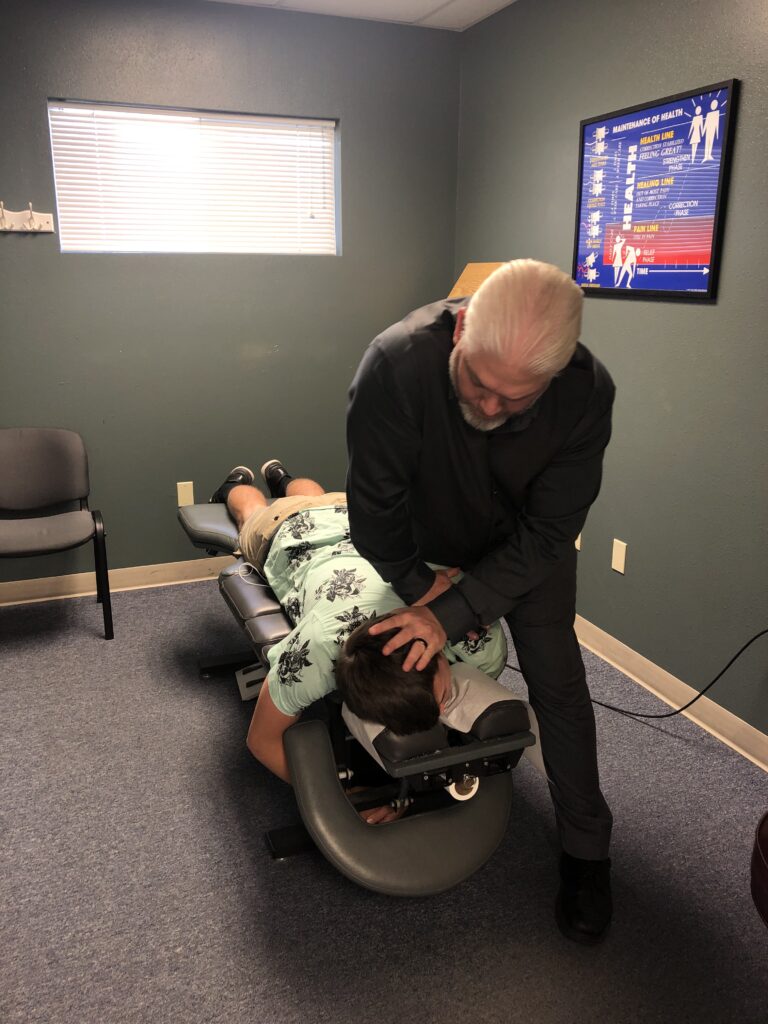

If you’re dealing with back pain, you might be surprised to discover that finding relief often goes beyond just conventional treatments. As your local chiropractor, I want to share how a holistic approach can make a significant difference in managing your discomfort. By examining the role of nutrition, incorporating innovative mind-body techniques, and engaging in specific exercises, we can work together to address the root causes of your pain. It’s not merely about quick fixes; it’s about recognizing the complex connections between your lifestyle choices and your pain. Imagine if simple adjustments in your daily routine could pave the way for lasting relief—let’s explore this journey together!
The Role of Nutrition in Back Pain Management
As a local chiropractor, I often see patients who may not realize how important nutrition is in managing back pain. What you put into your body can significantly affect inflammation and muscle health, both of which play vital roles in how your back feels.
By incorporating anti-inflammatory foods into your diet—such as berries, fatty fish, and leafy greens—you may find relief from pain and support your body’s healing processes. Omega-3 fatty acids, found in fish and flaxseeds, are particularly effective at reducing inflammation.
On the other hand, it’s wise to avoid processed foods and excessive sugars, as these can worsen inflammation and lead to increased discomfort. Staying well-hydrated is also essential; drinking enough water helps maintain the health of your spinal discs and overall spinal function.
Furthermore, focusing on a balanced diet ensures you receive the necessary vitamins and minerals, like vitamin D and calcium, which are crucial for bone health.
Innovative Therapies: Exploring Mind-Body Techniques
As your local chiropractor, I want to introduce you to some effective strategies for managing back pain that go beyond traditional treatments.
Mind-body techniques such as mindfulness meditation and yoga can play a significant role in your recovery journey. By integrating these practices into your routine, you may experience relief not only in your physical discomfort but also in your mental well-being.
Let’s delve into how these innovative therapies can enhance your overall experience with pain and support your healing process. It’s about nurturing both your body and mind for a holistic approach to health.
Mindfulness Meditation Benefits
As a chiropractor, I understand that chronic back pain can often feel overwhelming for many of my patients. One powerful tool that I recommend incorporating into your daily routine is mindfulness meditation. This practice isn’t only beneficial for your mental well-being, but it can also provide significant relief from the discomfort associated with back pain.
Mindfulness meditation encourages you to focus on the present moment, which can help reduce the stress and anxiety that often accompany physical pain. By cultivating awareness of your thoughts and bodily sensations, you create a mental space that can diminish your perception of discomfort.
Additionally, mindfulness meditation promotes deep, intentional breathing. This can lead to relaxation and help alleviate muscle tension in your back—an essential aspect of overall spinal health. Regular practice can enhance your emotional resilience, allowing you to cope more effectively with pain flare-ups when they occur.
Research has shown that mindfulness can improve your overall quality of life, which includes benefits like better sleep and increased energy levels.
As you explore natural healing methods, I encourage you to consider adding mindfulness meditation to your toolkit for managing back pain. Experiencing these transformative benefits firsthand can support your journey towards a healthier, pain-free life.
Yoga for Pain Relief
As a local chiropractor, I want to emphasize the potential of yoga as a natural approach to managing and alleviating back pain. Many of my patients have found that when combined with chiropractic care and mindfulness techniques, yoga can be a powerful tool for pain relief.
Incorporating specific yoga poses into your routine can strengthen and stretch your back, which enhances flexibility and reduces muscle tension. I encourage you to focus on deep breathing during your practice; this not only calms your mind but also promotes relaxation, allowing your body to release stress that can contribute to discomfort.
You might find poses such as Child’s Pose or Cat-Cow particularly beneficial for easing back pain. These poses can complement the adjustments we perform in the office, as they help improve posture and support spinal alignment—key factors in effective pain management.
Consistency is crucial. Even a brief daily yoga practice can lead to significant improvements in how you feel.
The Impact of Posture on Chronic Discomfort
As a local chiropractor, I want to share with you the profound impact that good posture can have on alleviating chronic discomfort. Maintaining proper posture is essential for keeping your spine and muscles aligned, which is crucial for your overall health.
When you find yourself slouching or hunching over, it puts excessive strain on your back, resulting in pain and fatigue. By making a conscious effort to correct your posture, you can significantly reduce these issues and enhance your overall well-being.
Here are some key benefits of good posture that I often discuss with my patients:
- Reduced strain on the spine: When your spine is properly aligned, it supports its natural curves, relieving pressure and discomfort.
- Increased energy levels: Maintaining good posture facilitates better blood circulation and oxygen flow to your muscles, helping you feel more energized throughout the day.
- Enhanced mood and confidence: Standing tall not only improves your physical appearance but can also elevate your self-esteem and help reduce feelings of stress.
- Improved focus and productivity: A properly aligned body can lead to better concentration and efficiency in your daily tasks.
At our practice, we focus on educating our patients about the importance of posture and how it plays a vital role in natural healing.
Unconventional Exercises for Strengthening the Back
As a local chiropractor, I want to emphasize the importance of posture in maintaining a healthy back. While many people are familiar with traditional exercises, incorporating unconventional movements can significantly enhance your back strength and overall wellness.
For instance, exercises like bird-dogs and wall angels are excellent additions to your routine. To perform a bird-dog, start on all fours, extend one arm forward while simultaneously stretching the opposite leg back, and then switch sides. This exercise not only strengthens your core but also improves coordination, which is vital for overall stability.
Wall angels are another fantastic exercise. Stand with your back against a wall and slide your arms up and down while keeping your back flat against the surface. This movement is beneficial for improving shoulder mobility and correcting posture, both of which are crucial for back health.
I also recommend integrating tools like resistance bands and stability balls into your exercises. Resistance bands offer varied tension, making your workouts more challenging and effective, while stability balls engage your core muscles and enhance your balance.
By incorporating these unconventional exercises into your routine, you can build strength, flexibility, and stability, all of which are essential for long-term back health.
How Sleep Quality Affects Back Pain
As a local chiropractor, I often see patients who underestimate the profound impact sleep quality has on back pain. It’s crucial to understand that the way we sleep significantly influences our spinal health. Poor sleep can lead to muscle tension and inflammation, which can exacerbate your discomfort.
When you’re not getting enough restorative sleep, your body’s natural healing processes slow down, making it more challenging to manage back pain effectively.
Let me break down a few key ways that sleep quality directly affects your back:
- Muscle Recovery: During sleep, your body works hard to repair and recover muscles. This process is vital for reducing pain and keeping you mobile.
- Pain Sensitivity: If you’re not sleeping well, you may find that your sensitivity to pain increases, leading to more discomfort in your back.
- Posture: The positions we sleep in can either support or strain our backs. Poor sleep posture can lead to misalignment and additional pain.
- Stress Levels: Insufficient sleep can elevate your stress levels, which often results in muscle tightness and tension in the back.
By prioritizing quality sleep, you can take an important step toward alleviating back pain and enhancing your overall well-being.
The Connection Between Stress and Pain Perception
As your chiropractor, I want to help you understand the important connection between stress and pain perception. Stress can significantly influence how you experience pain, often making it feel more intense. When you’re under stress, your body produces hormones like cortisol, which can increase your sensitivity to discomfort. This means that even a small ache can become overwhelming when you’re feeling pressured.
Moreover, stress often leads to muscle tension, especially in areas like your back and neck. This tension can worsen any pre-existing pain you might have, creating a cycle that’s hard to break; pain can elevate stress levels, and in turn, stress can heighten your pain.
It’s also crucial to recognize how stress impacts your ability to cope with discomfort. When you’re feeling overwhelmed, you might shy away from activities that usually help you relax or manage pain, such as exercising, practicing mindfulness, or spending time with friends and family.
Understanding this connection is vital for your overall well-being. By addressing your stress levels, you can potentially lessen your perception of pain, which can lead to a more manageable experience.
Implementing stress-reduction techniques could be a transformative step in your journey toward finding relief from back pain. Together, we can explore natural healing methods that not only alleviate your pain but also help you manage stress effectively.
Alternative Treatments: Acupuncture and Beyond
As a local chiropractor, I want to share how alternative treatments like chiropractic care can provide significant relief for your back pain. Many of my patients have experienced not only a reduction in discomfort but also an overall improvement in their well-being through natural healing methods.
Chiropractic care focuses on spinal alignment, which is crucial for maintaining a healthy nervous system and enhancing your body’s ability to function optimally.
Here are some alternative treatments you might want to consider:
- Chiropractic Care: This involves manual adjustments to correct misalignments in the spine, which can enhance mobility, reduce pain, and promote healing throughout the body.
- Acupuncture: Although it’s not my primary focus, many of my patients find that acupuncture can complement chiropractic adjustments by stimulating specific points to alleviate pain and reduce inflammation.
- Massage Therapy: Incorporating massage can target muscle tension and improve circulation, providing immediate relief while enhancing the effects of chiropractic care.
- Yoga and Pilates: These practices can strengthen your core and improve flexibility, both of which are essential in preventing future pain and supporting your chiropractic treatment.
If you’re curious about how these natural healing methods can work together, feel free to reach out! I’m here to help guide you on your journey to better health.
Long-term Lifestyle Changes for Lasting Relief
As a local chiropractor, I’m here to help you understand that achieving lasting relief from back pain requires a commitment to long-term lifestyle changes. It’s not just about temporary fixes; we want to cultivate habits that support your overall health.
First, incorporating a regular exercise routine tailored to your needs can significantly enhance your physical strength and flexibility, which is crucial for a healthy spine.
Additionally, setting up an ergonomic workspace is essential; it helps reduce strain on your back while you work, making a world of difference in your daily comfort.
Mindfulness techniques, such as deep breathing or meditation, can also play a vital role in your healing journey. These practices not only alleviate stress but also help you cultivate a positive mindset, which is integral to your overall well-being.
By embracing these lifestyle adjustments, you’re not just addressing your back pain; you’re investing in a healthier and happier you.
Together, we can work towards a pain-free life through natural healing and chiropractic care.
Regular Exercise Routine
As a local chiropractor, I often encounter patients who are looking for quick fixes for their back pain. However, I want to emphasize that a regular exercise routine can provide not only long-term relief but also enhance your overall health.
Engaging in consistent physical activity is essential for strengthening your back muscles, improving flexibility, and promoting better posture.
By adopting a balanced exercise approach, you can significantly reduce discomfort and prevent future back issues. Here are some activities I recommend incorporating into your routine:
- Strength training: This is vital for building your core muscles, which support your spine and help maintain its alignment.
- Stretching: Regular stretching can increase your flexibility and alleviate tension in the back, making it easier to move comfortably.
- Low-impact cardio: Activities such as walking, cycling, or swimming can improve circulation and overall fitness without putting unnecessary strain on your back.
- Yoga or Pilates: These practices focus on alignment, balance, and relaxation techniques, all of which can enhance your body awareness and support spinal health.
Remember, integrating these activities into your daily life can lead to significant improvements in your well-being and help you achieve a pain-free lifestyle naturally.
If you’re interested in personalized recommendations or guidance on how to get started, feel free to ask during your next visit!
Ergonomic Workspace Setup
As a local chiropractor, I want to emphasize the importance of creating an ergonomic workspace to help prevent back pain, especially for those of you who spend long hours at a desk. One of the first steps is to adjust your chair to provide proper support for your lower back.
Make sure your feet rest flat on the floor, with your knees positioned at or slightly below hip level—this promotes healthy posture.
Next, it’s crucial to position your computer screen at eye level to avoid unnecessary strain on your neck. Your keyboard and mouse should be placed close enough that your arms can remain relaxed at your sides. This alignment helps reduce tension in your shoulders and wrists.
I also encourage you to take regular breaks. Standing up, stretching, and walking around periodically can keep your muscles engaged and significantly reduce tension.
If you have the option, consider investing in a sit-stand desk. This allows you to alternate between sitting and standing, which can greatly benefit your spinal health.
By implementing these simple adjustments, you can create a healthier workspace that not only supports your back but also enhances your overall well-being.
Mindfulness and Relaxation Techniques
As a local chiropractor, I want to share how incorporating mindfulness and relaxation techniques into your daily routine can significantly support your journey toward long-term relief from back pain.
These practices not only help manage stress but also foster a more balanced mindset, which can help alleviate tension in your back. Here are some valuable techniques to consider:
- Deep Breathing: By focusing on your breath, you can calm your mind and reduce muscle tension, which is essential for back health.
- Meditation: Dedicate a few minutes each day to quiet reflection. This practice helps center your thoughts and promotes relaxation, benefiting your overall well-being.
- Yoga: Gentle stretches through yoga improve flexibility and foster relaxation, making it an excellent addition to your routine for back pain relief.
- Progressive Muscle Relaxation: This technique involves tensing and then relaxing each muscle group, effectively releasing stress and tension throughout your entire body.
Conclusion
As a local chiropractor, I want to share how a holistic approach to back pain relief can significantly enhance your experience and well-being. By focusing on nutrition, incorporating mind-body techniques, and engaging in regular exercise, you can not only strengthen your back but also improve your overall health.
It’s important to recognize the role that good posture, quality sleep, and effective stress management play in your recovery. These elements can dramatically influence your back pain and overall comfort. Additionally, exploring alternative treatments, such as chiropractic care, can provide valuable support on your journey to relief.
By embracing these lifestyle changes, you’re taking proactive steps toward lasting relief and a healthier, more vibrant life. I’m here to guide you through this process and help you discover the benefits of natural healing through chiropractic care.