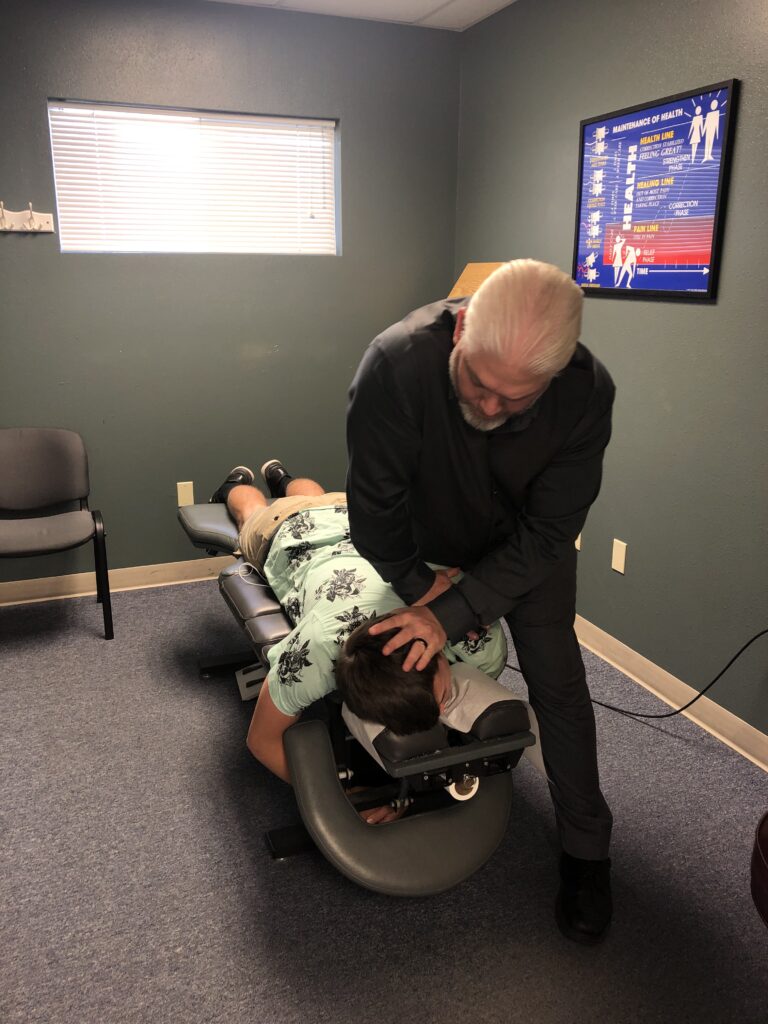

You might be surprised to learn how adjustments can positively impact your immune system. By promoting ideal spinal alignment, these adjustments enhance blood circulation and improve the distribution of immune cells, making your body more effective at fighting off infections. They also help reduce inflammation and boost lymphocyte production, which can lead to faster recovery times. But the benefits don't stop there; adjustments may also improve your overall well-being in ways you hadn't considered. What other surprising advantages could this holistic approach offer?
Understanding the Immune System
Understanding the immune system is essential because it serves as your body's defense against infections and diseases. Your immune system consists of a complex network of cells, tissues, and organs that work together to identify and eliminate harmful pathogens like bacteria, viruses, and fungi.
When a foreign invader enters your body, your immune system springs into action, recognizing the threat and launching a targeted response.
At the core of your immune response are white blood cells, which play a critical role in detecting and destroying pathogens. These cells include lymphocytes, such as T cells and B cells, which are fundamental for adaptive immunity.
T cells help destroy infected cells, while B cells produce antibodies that neutralize pathogens. Additionally, phagocytes engulf and digest these invaders, providing an immediate response to infections.
Your immune system also has memory cells that remember past infections. This memory allows your body to respond more effectively if the same pathogen tries to invade again.
Factors like nutrition, sleep, and stress can greatly influence your immune function. A balanced diet rich in vitamins and minerals, adequate rest, and managing stress levels can enhance your immune system's efficiency.
How Adjustments Work
Adjustments play a significant role in enhancing your immune system's performance. By realigning your spine and improving your body's overall function, adjustments help your immune system operate at its best.
When your body is in proper alignment, it can respond more effectively to threats, whether they're pathogens, stressors, or other challenges. Here's how adjustments work to boost your immunity:
- Enhance Blood Flow: Proper spinal alignment promotes ideal blood circulation, ensuring that immune cells can efficiently reach areas where they're needed most.
- Reduce Inflammation: Adjustments can decrease inflammation in the body, which allows your immune system to focus on fighting off infections rather than dealing with chronic inflammation.
- Boost Lymphatic Function: A well-aligned spine supports the lymphatic system, aiding in the removal of toxins and waste products that can hinder your immune response.
- Balance Hormones: Adjustments can help regulate hormones that play a role in immune function, contributing to a more robust defense against illnesses.
- Promote Relaxation: By alleviating physical tension, adjustments can help reduce stress levels, which is essential since chronic stress can weaken your immune system.
The Nervous System Connection
Your nervous system plays an essential role in regulating your body's responses, including immunity.
When you're under stress, it can weaken your immune defenses, making you more susceptible to illness.
Understanding this connection can help you appreciate how adjustments may enhance both your nervous system and overall health.
Nervous System Overview
While the immune system plays an essential role in defending the body against infections, it's closely tied to the nervous system, which regulates and coordinates immune responses.
Understanding how these two systems interact can help you appreciate the importance of maintaining both for ideal health.
The nervous system consists of the brain, spinal cord, and peripheral nerves. It controls bodily functions and communicates signals throughout your body.
Here are some key aspects of the nervous system's connection to immunity:
- Signal Transmission: The nervous system sends signals to immune cells, influencing their activity and response.
- Neurotransmitters: Chemicals released by nerve cells can modulate immune reactions, enhancing or dampening responses.
- Inflammation Regulation: The nervous system helps regulate inflammation, a significant part of the immune response.
- Stress Response: The nervous system manages stress responses, which can impact immune function.
- Homeostasis Maintenance: It plays an essential role in maintaining balance within the body, ensuring both systems function harmoniously.
Stress and Immunity Link
Stress can greatly impact your immune system, and understanding this connection is important for maintaining your health. When you experience stress, your body releases hormones like cortisol, which can suppress immune function. This means that during high-stress periods, you might be more susceptible to infections and illnesses.
Your nervous system plays a significant role in this process. The autonomic nervous system, particularly the sympathetic branch, kicks into gear during stressful situations. This response, often referred to as the "fight or flight" reaction, diverts energy away from immune responses, prioritizing immediate survival instead. As a result, your body's ability to fend off pathogens weakens.
Chronic stress can lead to long-term changes in immune function, making it essential to manage your stress levels effectively. Techniques such as mindfulness, exercise, and proper sleep can help mitigate stress and support your immune system.
Stress Reduction Benefits
Amid the chaos of daily life, reducing stress becomes essential for maintaining a strong immune system. When you're constantly under pressure, your body releases stress hormones like cortisol, which can weaken your immune response. By making a conscious effort to lower your stress levels, you'll not only feel better mentally but also enhance your body's ability to fight off illness.
Adjustments, such as chiropractic care, can greatly help in managing stress. They realign your spine and promote better nervous system function, which in turn can reduce tension and anxiety.
Here are some stress reduction benefits you can expect from regular adjustments:
- Improved sleep quality: Better alignment can lead to deeper and more restorative sleep, essential for immune function.
- Enhanced mood: Adjustments can trigger the release of endorphins, boosting your mood and reducing feelings of anxiety.
- Increased energy levels: By relieving tension, adjustments can help you feel more energized throughout the day.
- Greater relaxation: Regular sessions can promote a state of relaxation, helping your body combat stress effectively.
- Better focus and clarity: With less stress clouding your mind, you can think more clearly and make better decisions.
Incorporating stress reduction techniques into your routine, like regular adjustments, can be a game changer for your immune health.
You'll find that not only does your body feel better, but your overall well-being improves, making it easier to tackle life's challenges.
Enhanced Lymphatic Function
Your lymphatic system plays an essential role in maintaining your overall health by helping to transport fluids and remove toxins.
When you enhance lymphatic function, you promote better fluid circulation, which can greatly boost your immune response.
Understanding this connection can empower you to take charge of your health.
Lymphatic System Overview
The lymphatic system plays an essential role in enhancing your immune function by transporting lymph—a fluid that contains infection-fighting white blood cells—throughout the body.
This network of vessels and nodes helps maintain fluid balance, filters harmful substances, and supports your body's ability to fight infections.
Here are some key features of the lymphatic system:
- Lymph Nodes: These act as filters, trapping pathogens and foreign particles to prevent illness.
- Lymphatic Vessels: They transport lymph fluid from tissues back into the bloodstream, ensuring proper circulation.
- Spleen: This organ helps filter blood, recycle iron, and produces lymphocytes, critical for immune responses.
- Thymus: It's where T-cells mature, playing an important role in immune defense against pathogens.
- Bone Marrow: This is where white blood cells are produced, including lymphocytes, fundamental for fighting infections.
Improved Fluid Circulation
Improved fluid circulation is essential for ideal lymphatic function, as it directly impacts the effectiveness of your immune system. When your lymphatic system operates smoothly, it efficiently transports lymph fluid, which carries white blood cells and other immune components throughout your body. This circulation helps flush out toxins, waste, and pathogens, ensuring your body can respond to threats more effectively.
You mightn't realize it, but even minor restrictions in fluid circulation can hinder your immune response. By maintaining optimal circulation, you're allowing your lymphatic system to do its job of filtering and removing harmful substances. Regular adjustments can enhance this function, promoting better lymphatic flow.
Incorporating physical activity, staying hydrated, and getting adequate rest also support fluid circulation. However, adjustments can provide that extra boost by improving spinal alignment, which impacts the surrounding tissues and blood vessels.
As a result, you can experience better overall health and a more resilient immune system.
Enhanced Immune Response
A robust immune response is essential for defending your body against illnesses, and enhanced lymphatic function plays a key role in achieving this.
When you receive adjustments, your lymphatic system becomes more efficient, improving your body's ability to respond to pathogens and support overall health.
Here are some key benefits of enhanced immune response through improved lymphatic function:
- Increased lymphocyte production: Adjustments stimulate the production of these critical white blood cells, which are crucial for fighting infections.
- Better toxin elimination: A more efficient lymphatic system helps remove waste and toxins, reducing the burden on your immune system.
- Reduced inflammation: Enhanced lymphatic flow can decrease inflammation, helping your body recover faster from injuries and infections.
- Improved circulation: Better lymphatic function means improved blood flow, allowing nutrients and oxygen to reach your cells more effectively.
- Stronger defense mechanisms: With a more responsive immune system, you're better equipped to fend off common colds, flu, and other illnesses.
Improved Circulation
Enhancing circulation plays an essential role in boosting your immune system. When your blood flows efficiently, it delivers essential nutrients and oxygen to your cells, ensuring they function effectively. This process is critical for your immune cells, which need these resources to detect and respond to pathogens successfully. If your circulation is poor, your body struggles to transport these necessary elements, making it harder for your immune system to protect you.
Adjustments can greatly improve your circulation. By aligning your spine properly, you reduce interference in your nervous system, which controls blood flow. This means that after an adjustment, you might notice a sense of lightness or increased energy as your body begins to work more efficiently. With improved circulation, your immune cells can move freely throughout your body, enhancing their ability to identify and eliminate threats.
Moreover, better circulation helps in the removal of toxins and waste products from your body. When your blood circulates well, it aids in flushing out unwanted materials that could hinder your immune response. This detoxification process is essential for maintaining a healthy immune system.
Incorporating regular adjustments into your wellness routine can lead to lasting improvements in your circulation. As your body becomes better equipped to handle infections and other health challenges, you'll likely find yourself feeling more vibrant and resilient.
Better Sleep Quality
Quality sleep markedly contributes to a robust immune system. When you prioritize better sleep, you're not just resting; you're allowing your body to repair and rejuvenate itself.
During deep sleep, your immune system releases proteins called cytokines, which play an essential role in fighting off infections and inflammation. If you're not getting enough quality sleep, your body can't produce these vital substances, leaving you vulnerable to illness.
Here are some ways better sleep enhances your immunity:
- Enhanced cytokine production: Sleep helps your body produce more infection-fighting proteins.
- Reduced stress hormones: Quality sleep lowers cortisol levels, reducing stress and its negative effects on your immune response.
- Improved memory function: Sleep aids memory consolidation, ensuring you retain important information about pathogens your body has encountered.
- Balanced hormones: Adequate sleep helps regulate hormones like ghrelin and leptin, which can influence your immune health.
- Stronger T-cells: Quality sleep boosts the production of T-cells, essential for identifying and eliminating pathogens.
Incorporating adjustments to improve your sleep quality can lead to profound health benefits. Simple changes like establishing a bedtime routine, optimizing your sleep environment, and managing stress can greatly enhance your ability to rest and recover.
When you make sleep a priority, you're investing in your overall health and resilience against illnesses. So, take the time to focus on your sleep—it's a foundational element of a strong immune system.
Increased Energy Levels
Boosting your energy levels is essential for maintaining a strong immune system. When you feel energized, you're more likely to engage in activities that promote your overall health, such as exercising, eating well, and managing stress. These activities directly influence your immune response, making it imperative to keep your energy levels high.
Adjustments can greatly contribute to increased energy. By aligning your spine and relieving tension in your nervous system, you're allowing your body to function more efficiently. This enhanced function means that your body can better distribute energy where it's needed most, helping you feel more alert and active throughout the day.
You might notice that after receiving adjustments, you experience a boost in your vitality. This is primarily due to improved circulation and reduced muscle tension. When your body is free from restrictions, it can deliver oxygen and nutrients more effectively, giving you that extra pep in your step.
Additionally, when you're not battling discomfort or fatigue, you're more inclined to participate in physical activities, which further fuels your energy levels. Regular adjustments can help break the cycle of lethargy and fatigue.
Ultimately, when you invest in your body through adjustments, you're not just enhancing your energy; you're also laying the groundwork for a robust immune system. Feeling more energetic empowers you to take charge of your health, making it easier to stay resilient against illness.
Holistic Approach to Health
Taking a holistic approach to health means recognizing the power of natural healing methods and the mind-body connection.
You can boost your immunity by incorporating nutritional support strategies that nourish both your body and mind.
Embracing this thorough perspective can lead to lasting wellness and energy.
Natural Healing Methods
Natural healing methods offer a holistic approach to health that can enhance your immunity and overall well-being. By focusing on natural remedies and lifestyle changes, you can strengthen your body's defenses against illness.
Integrating these practices into your daily routine can lead to significant improvements in your health.
Here are some effective natural healing methods you might consider:
- Herbal Supplements: Incorporate herbs like echinacea, elderberry, and garlic, which are known for their immune-boosting properties.
- Nutrition: Eat a balanced diet rich in fruits, vegetables, whole grains, and lean proteins to provide essential nutrients that support immune function.
- Physical Activity: Engage in regular exercise to improve circulation, reduce stress, and promote a healthy immune response.
- Adequate Sleep: Prioritize restorative sleep, as it's vital for your body's repair processes and immune health.
- Stress Management: Practice mindfulness techniques or yoga to lower stress levels, which can negatively impact your immunity.
Mind-Body Connection
The mind-body connection plays an essential role in your overall health and immunity. When you recognize that your thoughts, emotions, and physical health are intertwined, you can take proactive steps to enhance your well-being.
Stress, anxiety, and negative emotions can weaken your immune system, making you more susceptible to illness. By nurturing a positive mindset and practicing mindfulness, you can create a healthier internal environment.
Engaging in activities like meditation, yoga, or deep breathing exercises can help you manage stress effectively. These practices not only calm your mind but also promote better immune function by reducing inflammation and boosting your body's natural defenses.
Additionally, staying connected with your emotions allows you to identify and address any areas of imbalance in your life.
Nutritional Support Strategies
Your immune system thrives on the nutrients you provide it through your diet. To bolster your immunity, consider incorporating a variety of nutrient-dense foods that support your body's defenses.
A holistic approach emphasizes balance and diversity in your nutritional intake, ensuring you receive essential vitamins and minerals.
Here are some effective nutritional support strategies:
- Fruits and Vegetables: Aim for a rainbow of colors to maximize antioxidants and phytochemicals.
- Healthy Fats: Include sources like avocados, nuts, and olive oil to support cellular function.
- Lean Proteins: Incorporate chicken, fish, legumes, and tofu to provide amino acids vital for immune cell production.
- Whole Grains: Choose oats, quinoa, and brown rice for fiber and minerals that promote gut health.
- Hydration: Don't forget the importance of staying hydrated; water is essential for nutrient absorption and overall health.
Choosing the Right Chiropractor
Finding the right chiropractor can feel overwhelming, but it's vital for your health and well-being. Start by identifying what you're looking for in a chiropractor. Are you seeking relief from pain, support for your immune system, or help with overall wellness? Knowing your goals helps you narrow down your options.
Next, consider their qualifications. Make certain the chiropractor is licensed and has the necessary training. You can check online reviews and testimonials from patients to gauge their reputation. Look for someone who specializes in your specific needs, whether it's sports injuries, nutrition, or holistic health.
Don't underestimate the importance of a friendly, approachable demeanor. You want someone you feel comfortable talking to, especially when discussing your health concerns. Schedule a consultation to assess their communication style and willingness to answer your questions.
Ask about their techniques and treatment options. Some chiropractors may focus more on spinal adjustments, while others might incorporate nutrition and lifestyle advice. It's vital to find someone whose approach aligns with your preferences.
Lastly, consider logistics like location, availability, and costs. Confirm their office hours fit your schedule, and check if they accept your insurance or offer flexible payment options.
Choosing the right chiropractor is a personal decision that can greatly impact your health. Take your time, trust your instincts, and find someone who supports your journey toward better immunity and overall wellness.
Conclusion
Incorporating adjustments into your wellness routine can greatly enhance your immune system. By promoting ideal spinal alignment and improving blood circulation, you're enabling your body to distribute immune cells more effectively. Plus, with reduced inflammation and increased lymphatic function, your body becomes better equipped to fight off illnesses. Don't underestimate the power of adjustments—consider making them a regular part of your health journey for a stronger, more resilient immune system.