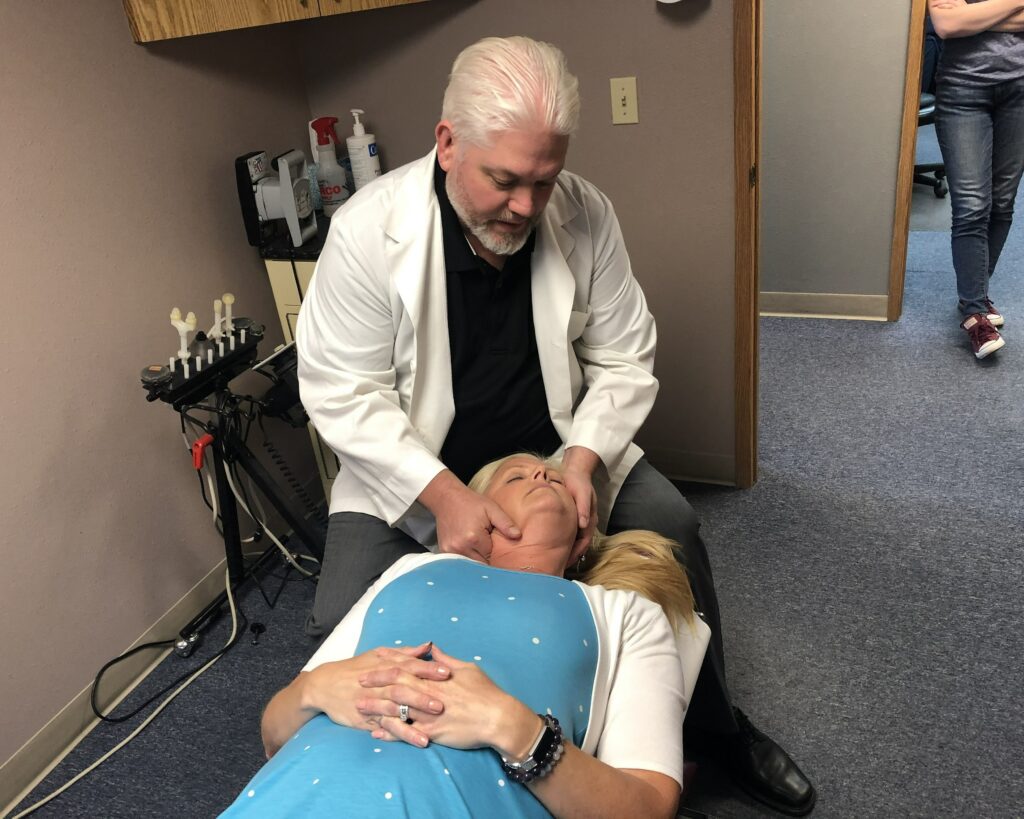

As a local chiropractor, I understand how debilitating back pain can be, and I want to help you regain control over your daily life. Many people are unaware of the effective techniques available for alleviating back pain, and I'm here to guide you through some natural healing options that can make a real difference.
Chiropractic care focuses on identifying and treating the root causes of back pain, rather than just masking the symptoms. Through spinal adjustments, we can help restore proper alignment to your spine, which can alleviate discomfort and improve mobility. Additionally, I often recommend specific exercises tailored to your needs that strengthen the muscles supporting your back, enhancing stability and reducing the likelihood of future pain.
Incorporating lifestyle adjustments is also a vital part of managing back pain. This includes ergonomic advice for your workspace, posture correction techniques, and stretching routines that can be easily integrated into your daily life.
By exploring these chiropractic techniques and natural healing methods, you can empower yourself to manage your pain effectively. Let's work together to find the best approach for your unique situation and help you live a more comfortable, pain-free life.
Understanding Back Pain Causes
As a local chiropractor, I want to help you understand the various causes of back pain so you can find effective relief through natural healing. Back pain can arise from a multitude of factors, and being aware of these can significantly improve your approach to treatment.
One prevalent cause is muscle strain, which often results from improper lifting techniques or sudden, awkward movements. If you've ever pushed yourself too hard at the gym or while tackling household chores, you may be quite familiar with this type of discomfort.
Another important factor to consider is age-related changes in your spine. As we age, our spines naturally experience wear and tear, leading to conditions like degenerative disc disease or arthritis. These issues can result in chronic discomfort that may feel quite overwhelming.
Additionally, a lack of physical fitness can play a role; if your core muscles aren't strong, your back may struggle to support your spine properly, which can lead to pain.
It's also worth noting that underlying medical conditions can contribute to your back pain. Issues such as osteoporosis, infections, or tumors can manifest as discomfort in the back. If you find that your pain is persistent and doesn't improve with rest or over-the-counter medications, I encourage you to seek medical advice.
Lastly, don't overlook the impact of emotional stress. It can lead to muscle tension in your back, aggravating any physical pain you're already experiencing.
Importance of Good Posture
As a local chiropractor, I want to emphasize the vital role that good posture plays in maintaining a healthy spine and preventing back pain. Many people may not realize that when you sit, stand, or move with proper alignment, you're helping to distribute your body weight evenly and reduce unnecessary strain on your muscles and ligaments. This simple adjustment can significantly impact how you feel each day.
Let me share some key benefits of practicing good posture:
- Reduces strain on the spine: Maintaining proper alignment can minimize stress on your vertebral discs and joints, thereby lowering the risk of injury. This is crucial for preserving your spinal health.
- Improves breathing: When you stand or sit up straight, you open up your chest and allow for deeper, more efficient breathing. This enhances the oxygen flow to your muscles, which can boost your overall energy levels.
- Boosts confidence: Good posture not only influences how others perceive you but also how you perceive yourself. Standing tall can lead to increased confidence, especially in social situations.
- Enhances digestion: An upright position helps your internal organs operate more effectively, promoting better digestion and overall health. This is something many overlook but can have a significant impact on your well-being.
To maintain good posture, I encourage you to be mindful of your alignment throughout the day. When sitting, make sure your feet are flat on the floor, your back is straight, and your shoulders are relaxed.
When standing, distribute your weight evenly on both feet and engage your core muscles. By incorporating these practices into your daily routine, you can significantly reduce your risk of back pain and improve your overall health.
Stretching and Flexibility Exercises
As a local chiropractor, I want to emphasize the importance of stretching and flexibility exercises in managing back pain and enhancing your overall mobility. Many of you may not be familiar with how these practices can support natural healing, but incorporating them into your daily routine can significantly improve your body's flexibility and alleviate muscle tension.
Let's delve into some effective stretching techniques and flexibility routines that I've found to be beneficial for my patients. These exercises not only help relieve discomfort but also promote a healthier, more active lifestyle.
Importance of Stretching
As a local chiropractor, I want to share the importance of flexibility in alleviating back pain and improving your overall mobility. Maintaining flexibility is essential because it helps prevent muscle tightness and imbalances that can lead to discomfort.
By incorporating regular stretching into your routine, you can enhance your range of motion, making daily activities not only easier but also more enjoyable. Here are some key benefits of stretching that I encourage my patients to consider:
- Reduces Muscle Tension: Stretching plays a vital role in releasing built-up tension in your muscles, providing immediate relief from discomfort.
- Improves Posture: Good alignment of your spine and pelvis is crucial for overall health. Stretching can help correct postural issues that may contribute to back pain.
- Enhances Blood Circulation: Increased blood flow to your muscles through stretching can facilitate healing and reduce stiffness, allowing you to feel more comfortable and mobile.
- Promotes Relaxation: The calming effects of stretching extend to both your body and mind, which can significantly aid in stress reduction.
As you explore natural healing options, remember that a regular stretching routine can be a simple yet effective way to support your chiropractic care and improve your quality of life.
Recommended Flexibility Routines
As a chiropractor, I want to emphasize the importance of incorporating flexibility routines into your daily regimen to support overall spinal health and well-being.
Let's start with some simple neck rolls. This gentle movement can help alleviate tension in your neck, which is often a source of discomfort. Tilt your head from side to side, taking a moment to hold each position for several seconds to really feel the release.
Next, consider shoulder stretches. Bring one arm across your chest and gently hold it with your opposite hand. This stretch targets the upper back and can help ease tightness, which is beneficial for maintaining proper posture.
For your lower back, I recommend practicing a seated forward bend. Sit with your legs extended, reach forward towards your feet or shins, and hold the stretch for 20-30 seconds. This position encourages flexibility along your spine, promoting better alignment.
You can also add the cat-cow stretch while on all fours, alternating between arching and rounding your back. This dynamic movement not only enhances flexibility but also strengthens your core, which is crucial for spinal support.
Don't overlook the importance of hip flexor stretches as well. Step one foot forward into a lunge position, keeping the back knee on the ground. This stretch opens up your hips, which can significantly alleviate lower back discomfort, particularly for those who spend long hours sitting.
Lastly, I encourage you to explore yoga or Pilates classes that focus on flexibility. These practices not only improve your range of motion but also offer a calming way to reduce stress, both of which are essential for maintaining a healthy spine.
Strengthening Core Muscles
As a local chiropractor, I want to share with you the importance of strengthening your core muscles for lasting relief from back pain. Many people think of their core as just the area that gives them a six-pack, but it's actually much more than that. Your core encompasses the muscles in your abdomen, lower back, hips, and pelvis.
A robust core provides vital support for your spine, helps improve your posture, and enhances your overall stability, which can significantly alleviate strain on your back.
Here are some effective exercises that can help you strengthen your core:
- Planks: This exercise engages your entire core. When performing a plank, make sure your body forms a straight line from your head to your heels. Start with shorter holds and gradually increase the duration as you get stronger.
- Bridges: Lying on your back with your knees bent, lift your hips towards the ceiling while squeezing your glutes and engaging your abdominal muscles. This movement helps strengthen your lower back and glutes.
- Bird-Dogs: Begin on your hands and knees. Extend one arm forward while simultaneously extending the opposite leg back. Switch sides to challenge your balance and core strength effectively.
- Russian Twists: Sit on the floor with your knees bent and lean back slightly. Twist your torso from side to side while holding a weight or a medicine ball. This exercise specifically targets your obliques, helping to improve stability and strength.
Incorporating these exercises into your routine is an excellent step toward building a solid foundation for your back. I recommend performing them at least two to three times a week, gradually increasing the intensity as your strength develops.
Remember, consistency is crucial. As you strengthen your core, you may notice a decrease in pain and an improvement in your overall mobility. This can allow you to engage in daily activities with greater comfort and less restriction.
If you have any questions about how these exercises can complement your chiropractic care or if you'd like tailored advice, don't hesitate to reach out during your next visit!
Heat and Cold Therapy
As a local chiropractor, I want to share some valuable insights on managing back pain that may not be familiar to everyone. While strengthening your core muscles is crucial for alleviating discomfort, it's equally important to incorporate heat and cold therapy into your recovery routine. These simple yet effective methods can significantly enhance your healing process and provide quick relief.
Heat therapy is particularly beneficial as it increases blood flow to the affected area, promoting relaxation and relieving muscle tension. You can easily apply heat using a heating pad, a warm towel, or by enjoying a warm bath. Just remember to keep the temperature comfortable—aim for warm, not scalding hot.
For optimal results, apply heat for about 15-20 minutes at a time, and you should feel soothing relief almost immediately. This method is particularly effective for those dealing with chronic pain and muscle stiffness.
Conversely, cold therapy serves a different purpose by numbing sharp pain and reducing inflammation. You can utilize ice packs, frozen gel packs, or even a bag of frozen vegetables. Just be sure to wrap the ice in a cloth to protect your skin.
Like heat therapy, aim for 15-20 minutes of application. Cold therapy is especially useful after physical activities or during sudden pain flare-ups.
For the best results, consider alternating between heat and cold therapy. Start with cold therapy to address any inflammation and then transition to heat to relax and soothe your muscles.
Always listen to your body; if one method feels more effective for you, it's perfectly fine to focus on that approach. Both heat and cold therapy are simple to implement at home, making them excellent tools for effectively managing your back pain.
Over-the-Counter Pain Relief
As a local chiropractor, I understand that many of you may be seeking relief from back pain and may be considering over-the-counter pain relievers as a quick solution.
Medications like ibuprofen and acetaminophen can indeed provide temporary relief, but it's important to approach them with caution. Knowing the appropriate dosage and any potential side effects is crucial.
However, I encourage you to consider a more holistic approach to managing your discomfort.
Chiropractic care focuses on addressing the root causes of pain rather than just masking symptoms. By utilizing spinal adjustments and other natural healing techniques, we can help restore balance to your body, alleviate pain, and promote overall wellness.
Let's work together to find the best path to your health and comfort.
Types of Pain Relievers
If you're experiencing back pain, I want to share some insights about over-the-counter pain relievers that can provide you with quick relief.
These medications can alleviate discomfort by reducing inflammation and blocking pain signals in your body. Here are some common types you might consider:
- Acetaminophen: This is often recommended for mild to moderate pain. It's gentle on the stomach and comes in various forms, making it accessible for most people.
- Nonsteroidal Anti-Inflammatory Drugs (NSAIDs): Medications like ibuprofen and naproxen fall into this category. They're effective in reducing inflammation and can provide significant pain relief for your back issues.
- Topical Analgesics: These are creams and gels that contain ingredients like menthol or capsaicin. You can apply them directly to the area of pain, which allows for targeted relief.
- Combination Medications: Some products combine acetaminophen and NSAIDs, giving you a dual approach to managing your pain.
It's crucial to note that the right type of pain reliever for you'll depend on your individual needs and any underlying health conditions you may have.
I always encourage my patients to read labels carefully for dosage instructions and be aware of potential side effects.
If you're unsure about which pain reliever is best suited for your situation, I highly recommend consulting with a healthcare provider.
They can help guide you towards the most appropriate option for your specific circumstances.
Dosage and Precautions
As a local chiropractor, I want to emphasize the importance of understanding the correct dosage and precautions associated with over-the-counter pain relief, especially when managing back pain.
It's essential to approach medications like ibuprofen and acetaminophen with care. Always take a moment to read the label thoroughly before using these products.
For adults, ibuprofen is typically dosed every 6-8 hours, with a maximum daily limit of 1,200 mg unless otherwise directed by a healthcare professional.
Acetaminophen, on the other hand, is usually taken at 500-1,000 mg every 4-6 hours, ensuring that you don't exceed 3,000 mg in a single day.
Taking more than the recommended dosage can lead to serious health complications, such as liver damage or gastrointestinal bleeding.
If you're currently on other medications or have any underlying health conditions, it's crucial to discuss these with your doctor to ensure there are no potential interactions or contraindications.
When considering pain relief, also take your age and overall health into account.
Older adults may have increased sensitivity to these medications, so starting with a lower dose is advisable.
If your back pain persists for more than a few days or worsens, I encourage you to seek medical attention rather than relying solely on over-the-counter solutions.
Your health and safety are paramount, and as your chiropractor, I'm here to guide you on a path to natural healing and wellness.
Physical Therapy Options
Chiropractic care offers a natural approach to relieving back pain, focusing on the body's innate ability to heal itself. By working with a licensed chiropractor, you'll gain valuable insights into your spinal alignment and overall body mechanics, allowing you to discover effective strategies for pain relief.
Your chiropractic journey typically begins with a thorough assessment, where your chiropractor evaluates your posture, spinal alignment, flexibility, and pain levels. Based on this evaluation, they'll develop a personalized treatment plan that may include a variety of techniques, such as:
- Spinal Adjustments: Realigning the vertebrae can reduce nerve interference, alleviate pain, and improve overall function.
- Rehabilitative Exercises: Strengthening the muscles that support your spine can help reduce pressure and prevent future injuries.
- Postural Training: Learning proper body mechanics and posture can significantly decrease strain on your back during daily activities.
- Soft Tissue Therapy: Hands-on techniques can help relieve muscle tension and enhance circulation, promoting healing.
Commitment to regular chiropractic sessions is essential for optimal results. Your chiropractor will guide you through exercises to practice at home and monitor your progress, making necessary adjustments to your treatment plan to ensure you stay on track for recovery.
Chiropractic care is a holistic approach that empowers you to take charge of your health and well-being, paving the way for a pain-free life.
Alternative Therapies
As a local chiropractor, I want to share some insights about how alternative therapies can complement traditional chiropractic care, particularly when it comes to relieving back pain. Many of my patients have found that incorporating these natural approaches into their wellness routines not only enhances their overall health but also aids in effective pain management.
One of the therapies I often recommend is acupuncture. This ancient practice involves the insertion of thin needles into specific points on the body, which can promote healing and alleviate pain. Research has shown that acupuncture can significantly reduce back pain by enhancing blood circulation and stimulating the release of endorphins—your body's natural painkillers.
Another effective option is massage therapy. Regular sessions with a skilled massage therapist can help relieve muscle tension, improve flexibility, and foster relaxation. Whether you prefer a deep tissue massage or a gentler technique, these treatments can greatly alleviate discomfort and enhance your mobility.
Herbal remedies are also valuable to consider in your journey toward pain relief. Certain herbs, such as turmeric and ginger, possess anti-inflammatory properties that may help ease your pain. It's a good idea to explore herbal supplements or teas, but please consult with me or another healthcare professional before introducing anything new into your routine.
Additionally, I encourage my patients to explore practices like yoga and tai chi. These mind-body exercises focus on gentle movements and breathing techniques, which can build strength, enhance flexibility, and promote relaxation—all of which are beneficial for managing chronic back pain.
By integrating these alternative therapies into your wellness plan, you may find the relief you've been seeking. Taking a holistic approach allows us to address the root causes of your pain and significantly improve your quality of life.
I'm here to guide you on this journey toward natural healing and optimal health.
Mindfulness and Relaxation Techniques
As your local chiropractor, I want to share how incorporating mindfulness and relaxation techniques into your daily routine can significantly aid in managing back pain. These practices encourage you to become more attuned to your body and its sensations, enabling you to release tension and foster a sense of overall well-being.
By concentrating on the present moment, you can effectively reduce stress and anxiety, which often play a role in how we perceive pain.
Here are some valuable mindfulness and relaxation techniques that I recommend you try:
- Deep Breathing: Dedicate a few minutes each day to focus solely on your breath. Inhale deeply through your nose, allowing your lungs to fill completely, and then exhale slowly through your mouth. This simple practice can help calm your mind and relax your muscles, contributing to pain relief.
- Progressive Muscle Relaxation: Begin with your toes and progressively tense each muscle group for a few seconds before allowing them to relax. Continue this process all the way up to your head. This method not only helps you identify areas of tension but also teaches you how to release it effectively.
- Guided Imagery: Take a moment to close your eyes and visualize a serene scene, such as a tranquil beach or a lush forest. Imagine yourself in this peaceful setting, paying attention to the sights, sounds, and scents. This technique can help divert your mind from pain and encourage relaxation.
- Mindfulness Meditation: Allocate some quiet time to sit and observe your thoughts without any judgment. If your mind starts to wander, gently redirect your focus back to your breath or the sensations in your body. This practice can improve your pain tolerance and enhance your emotional resilience.
By integrating these mindfulness and relaxation techniques into your life, you can complement the benefits of chiropractic care and promote a holistic approach to healing and pain management.
Your body will thank you!
When to Seek Professional Help
As a local chiropractor, I want to help you understand when it's important to seek professional help for back pain, especially if you're new to chiropractic care and natural healing. Recognizing the right time to consult a healthcare provider can be crucial in preventing further issues and ensuring effective treatment.
If your back pain persists for more than a few weeks or shows no improvement despite your efforts at home, it's a sign that you should reach out for professional assistance. Ignoring ongoing pain can lead to more complex issues and chronic conditions that may be harder to treat.
Be mindful of any additional symptoms that may accompany your back pain. If you experience numbness, tingling, or weakness in your legs, it could indicate nerve involvement, which requires prompt attention. Additionally, changes in bowel or bladder function are warning signs of a serious condition, and you should seek help immediately.
If your back pain results from an injury or accident, even if it seems minor, it's wise to get a professional assessment. Sometimes, underlying issues can emerge that need to be addressed by a chiropractor or other healthcare provider.
Furthermore, if your pain is interfering with your daily activities or disrupting your sleep, it's a clear indication that you should consult a specialist. Our goal is to help you regain your quality of life through natural healing methods.
Lastly, if you're considering taking over-the-counter medications or trying various home remedies without finding relief, seeking professional guidance can lead you to more tailored treatment options. A chiropractor can evaluate your condition, recommend diagnostic tests if necessary, and suggest the appropriate therapies that fit your individual needs.
Conclusion
As a local chiropractor, I want to emphasize the importance of finding effective techniques for back pain relief, not just for comfort, but for your overall health. One of the first steps is to focus on maintaining good posture in your daily activities. This simple adjustment can make a significant difference in how your body feels.
Incorporating stretching and core strengthening exercises into your routine is also crucial. These exercises help to stabilize your spine and reduce tension in your muscles. Additionally, utilizing heat and cold therapy can alleviate discomfort and promote healing.
Exploring physical therapy options and alternative therapies, such as chiropractic adjustments, can provide you with the support and relief you need. These treatments work to realign your spine and improve your body's function.
I also encourage you to practice mindfulness techniques to enhance your healing journey. This can help you manage stress and improve your overall well-being.
If your pain continues despite these efforts, please don't hesitate to seek professional help. It's essential to get the care you need to ensure a healthier, pain-free life. Remember, at our clinic, we're here to guide you through this process and support your journey to recovery.