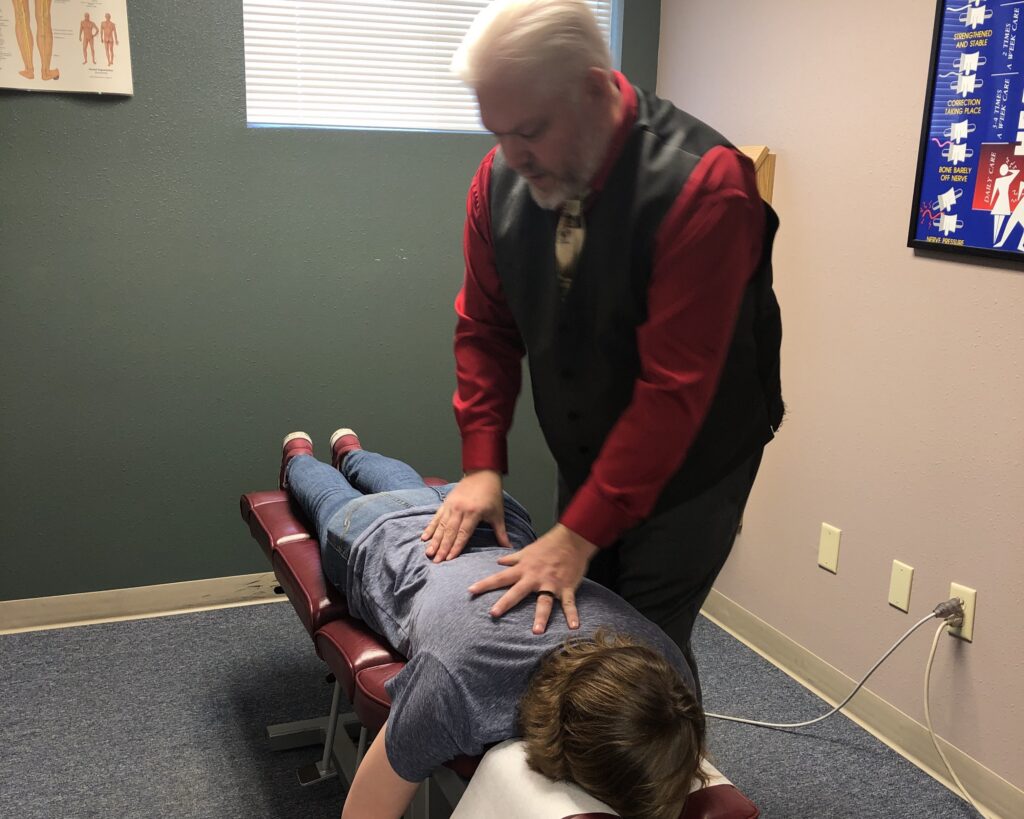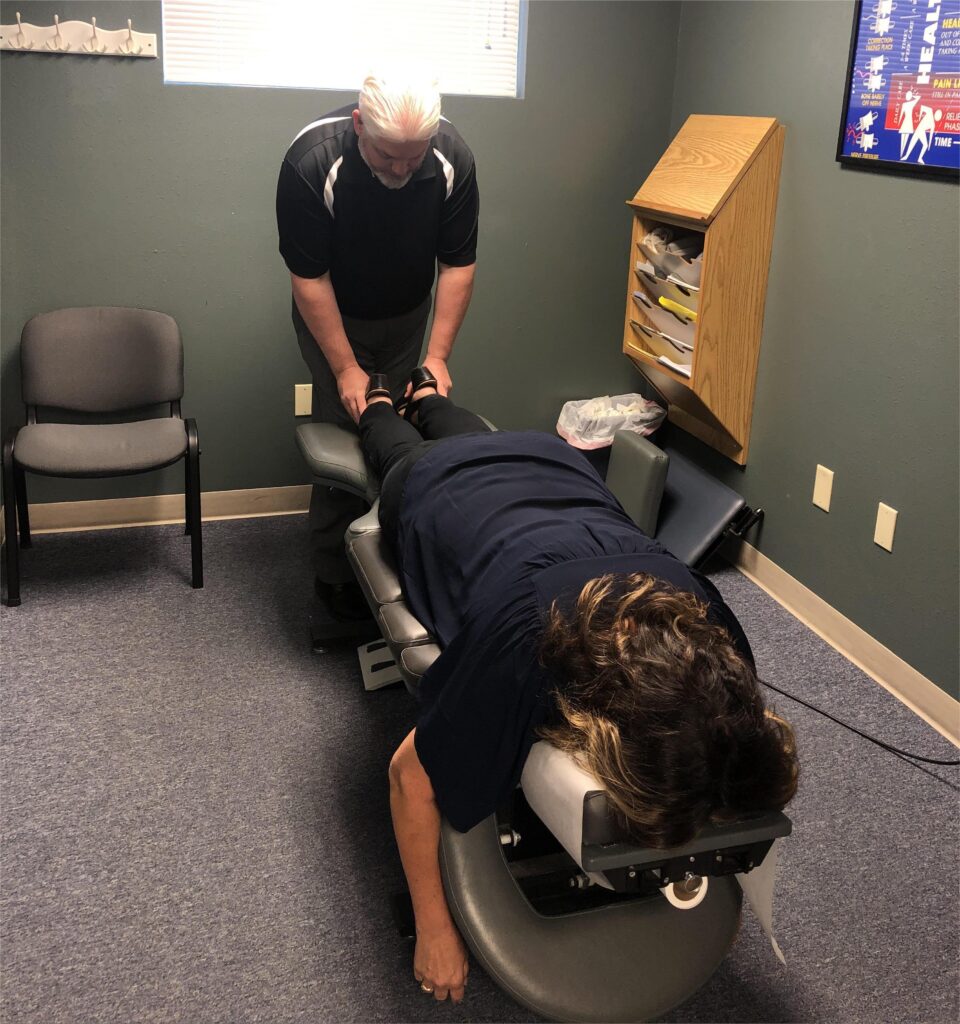

As a local chiropractor, I want to share some valuable insights on managing pain through natural relief techniques that don’t rely on medications. Many people are unaware of the effective alternatives available to them. For instance, herbal remedies like ginger and turmeric can offer anti-inflammatory benefits, while mindfulness practices can help center your mind and reduce stress, which is often linked to pain.
In addition to these remedies, physical therapies, including chiropractic adjustments, can play a crucial role in pain management by addressing the root causes of discomfort. If you’re curious about how these natural approaches can benefit you, I encourage you to explore these strategies further. Together, we can find the best path towards your pain relief and overall wellness.
Herbal Remedies for Pain Relief
As a local chiropractor, I want to share some valuable insights on natural ways to alleviate pain through herbal remedies. Many people may not realize that certain herbs have been utilized for centuries to help manage various types of discomfort, and they can be an effective complement to chiropractic care.
For example, ginger is well-known for its anti-inflammatory properties. This makes it particularly beneficial for those experiencing joint pain or muscle soreness. You can easily incorporate ginger into your meals or consider taking it as a supplement for added relief.
Another excellent option is turmeric, which contains curcumin—an active compound recognized for its ability to reduce pain and inflammation. Adding turmeric to your diet or enjoying it as a tea can be a simple yet effective way to support your healing process.
Additionally, willow bark, often referred to as nature’s aspirin, can provide relief for common issues such as headaches and back pain. However, it’s crucial to consult with a healthcare professional before starting any herbal remedy, especially if you’re currently on other medications.
By exploring these herbal options alongside your chiropractic treatments, you can find a natural and holistic approach to managing your pain effectively.
Mindfulness and Meditation Techniques
As a local chiropractor, I want to share with you the benefits of incorporating mindfulness and meditation into your pain management routine. These practices can be incredibly effective in supporting your overall health and well-being.
By engaging in breathing exercises, you can’t only calm your mind but also alleviate tension throughout your body, which is essential for maintaining proper alignment and reducing discomfort.
Additionally, guided imagery techniques can help you visualize a state free from pain, allowing you to shift your focus away from discomfort and towards relaxation. This mental shift can complement the physical adjustments and care I provide, enhancing your recovery process.
Embracing these holistic approaches can empower you to take an active role in your healing journey. Together, we can work towards achieving a healthier, pain-free life.
Breathing Exercises Benefits
As a local chiropractor, I want to share the incredible benefits of breathing exercises as part of your journey toward better health and well-being. These exercises aren’t just about taking deep breaths; they serve as powerful tools for enhancing mental clarity and reducing stress, which can significantly impact your overall health.
When you practice breathing techniques, you focus your attention on your breath. This simple yet effective act can help anchor your mind and calm racing thoughts, allowing you to shift your focus away from pain and anxiety. Engaging in deep, rhythmic breathing can lower your heart rate and reduce cortisol levels—the stress hormone—which can often intensify your perception of pain.
Incorporating these exercises into your daily routine can lead to improved emotional well-being, making it easier for you to cope with the challenges life throws your way.
As a chiropractor, I believe that a holistic approach to health includes not only spinal adjustments and physical care but also practices that support mental and emotional health.
By integrating breathing exercises into your life, you’ll find it easier to manage discomfort, reduce stress, and cultivate a sense of peace and mindfulness.
Guided Imagery Practices
As a local chiropractor, I want to share how guided imagery practices can significantly enhance your journey toward pain relief. By utilizing your imagination, you can create soothing mental images that help divert your focus from pain. Visualize a tranquil beach or a serene forest; these calming scenes not only help reduce stress but also promote relaxation.
When you engage with these positive images, you activate both your mind and body, which can lower anxiety and tension, two common contributors to physical discomfort.
To incorporate guided imagery into your wellness routine, find a quiet space where you feel comfortable. Close your eyes, take deep breaths, and allow your mind to drift to a place that fills you with comfort and joy. This simple yet powerful technique not only fosters a sense of peace but also empowers you to manage pain more effectively.
I encourage you to embrace guided imagery as a valuable tool in your holistic healing journey alongside chiropractic care. Together, we can work towards a healthier, pain-free life.
Physical Therapies and Exercises
As your local chiropractor, I want to highlight the importance of natural pain relief through physical therapies and exercises. Many of my patients find that incorporating stretching and flexibility exercises into their routine significantly improves their range of motion.
These exercises not only help alleviate discomfort but also promote overall mobility.
Additionally, strength training techniques are crucial in building resilience in your muscles, which can help prevent future injuries. By focusing on these practices, you can effectively manage pain and enhance your overall well-being.
Remember, chiropractic care is all about supporting your body’s natural healing processes, and these physical therapies are a vital part of that journey.
Let’s work together to develop a personalized plan that suits your needs and helps you thrive!
Stretching and Flexibility Exercises
As a local chiropractor, I often see patients who are overwhelmed by pain and discomfort. One of the most effective ways to alleviate this pain is by incorporating stretching and flexibility exercises into your daily routine. These exercises aren’t just about improving your physical capabilities; they play a vital role in enhancing your overall well-being.
When we engage in stretching, we’re not only increasing our range of motion but also reducing muscle tension and improving circulation. This combination can significantly contribute to pain relief. You don’t need to dedicate hours to this practice; even a few minutes each day can lead to noticeable improvements.
I encourage you to focus on gentle stretches that specifically target areas where you feel tightness or pain. Activities like yoga and simple stretching exercises can promote relaxation and help reduce stress, which is essential in managing discomfort.
It’s important to listen to your body during these exercises—never push yourself to the point of pain.
Consistency is crucial in this journey. By integrating these movements into your daily life, you’ll likely start to notice a positive change in how you feel over time.
Strength Training Techniques
As a local chiropractor, I want to emphasize the importance of incorporating strength training techniques into your health routine, especially if you’re not familiar with chiropractic care and natural healing methods.
Building muscle is vital not only for enhancing your physical strength but also for improving your metabolism and supporting joint stability, which is crucial for overall wellness.
I recommend starting with bodyweight exercises such as squats, push-ups, or lunges. These exercises can be a great introduction to strength training, allowing you to develop a solid foundation.
As you become more comfortable and confident, consider adding resistance bands or free weights to challenge your muscles further.
Aim for two to three strength training sessions each week, focusing on major muscle groups. This frequency can help you build strength while also supporting your chiropractic treatment goals.
Always remember to warm up before you begin and cool down afterward to prevent injuries.
Listening to your body is key; if something doesn’t feel right, don’t hesitate to modify the exercise or take a break.
As you incorporate strength training into your routine, you’ll likely notice improvements in endurance, reductions in pain, and greater functionality in your daily activities.
This makes strength training an essential component of a comprehensive pain relief strategy and overall health improvement.
Acupuncture and Acupressure
As a local chiropractor, I want to share with you the incredible benefits of acupuncture and acupressure—two natural, drug-free approaches to managing pain that tap into your body’s innate healing abilities.
Acupuncture involves the precise insertion of thin needles into specific points on your body. This process stimulates the flow of energy, promoting healing and often resulting in immediate relief or gradual improvement over several sessions. Many patients find that this method is effective for various conditions, including headaches, back pain, and joint discomfort.
On the other hand, acupressure is a technique that utilizes finger pressure instead of needles to achieve similar benefits. This makes it an accessible option that you can practice at home. By targeting specific points on your body, you can alleviate tension and pain on your own.
As you explore these natural healing methods, I encourage you to consult with a trained practitioner for acupuncture or learn acupressure techniques that fit your individual needs.
Not only can these approaches help relieve pain, but they also contribute to your overall well-being. Embracing these natural techniques can empower you to take control of your pain management journey and enhance your quality of life.
Dietary Changes for Pain Management
As a local chiropractor, I want to share how making specific dietary changes can play a vital role in managing pain and enhancing your overall health.
One of the first steps we can take together is to incorporate more anti-inflammatory foods into your diet. Foods such as berries, leafy greens, and fatty fish can significantly help reduce inflammation, which is often a major contributor to pain.
It’s also important to steer clear of processed foods, excessive sugar, and trans fats, as these can aggravate inflammation and lead to increased discomfort.
Staying well-hydrated is another key factor; drinking plenty of water throughout the day can help mitigate pain, as dehydration may worsen your symptoms.
Consider adding natural anti-inflammatory spices like turmeric and ginger to your meals. These spices have been shown to support your body in fighting inflammation.
If you suspect you have food sensitivities, identifying and eliminating those specific foods from your diet can also lead to pain relief.
Lastly, a balanced diet that’s rich in whole foods not only supports your body’s healing abilities but also promotes recovery.
By embracing these dietary adjustments, you can manage your pain more effectively while enhancing your overall wellness.
If you have any questions or need guidance on these changes, I’m here to help you on your journey to better health!
Essential Oils and Aromatherapy
As your chiropractor, I want to introduce you to another powerful method for managing pain: essential oils and aromatherapy. These natural remedies can provide significant relief while also promoting relaxation, which is essential for your overall well-being.
Many patients find that oils such as lavender, peppermint, or eucalyptus can be particularly effective due to their soothing properties. You might consider using a diffuser to disperse the aroma throughout your space, or you can mix a few drops of your chosen oil with a carrier oil for safe topical application.
When you’re experiencing tension or discomfort, take a moment to inhale the scent of your selected oil deeply, or apply it to pulse points like your wrists or neck. The aromatic compounds in these oils can stimulate your olfactory system, sending calming signals to your brain that may help reduce your perception of pain.
It’s important to remember that while essential oils are natural, they’re also potent substances that should be used with care. Some oils can cause skin irritation, so I recommend conducting a patch test before full application.
Conclusion
As a local chiropractor, I believe incorporating natural pain relief techniques into your daily routine can greatly enhance your ability to manage discomfort. Many patients are not familiar with how effective these methods can be, so it’s important to explore various options together. Herbal remedies, mindfulness practices, and physical therapies, including chiropractic adjustments, can all play a role in your healing journey.
Don’t overlook the benefits of dietary changes, acupuncture, and the calming effects of essential oils as well. These holistic approaches not only help alleviate pain but also contribute to your overall well-being. By embracing these techniques, you can lead a more comfortable and fulfilling life, and I am here to guide you in finding what works best for you. Let’s work together to find the right combination of natural healing methods to support your health.