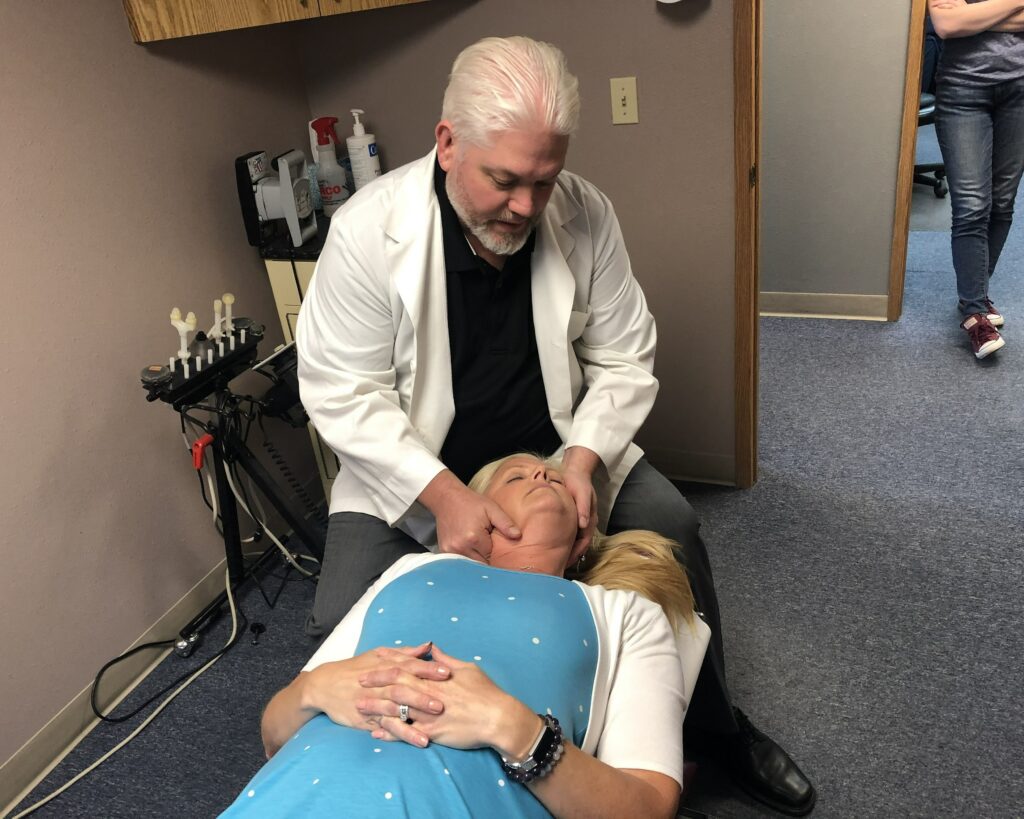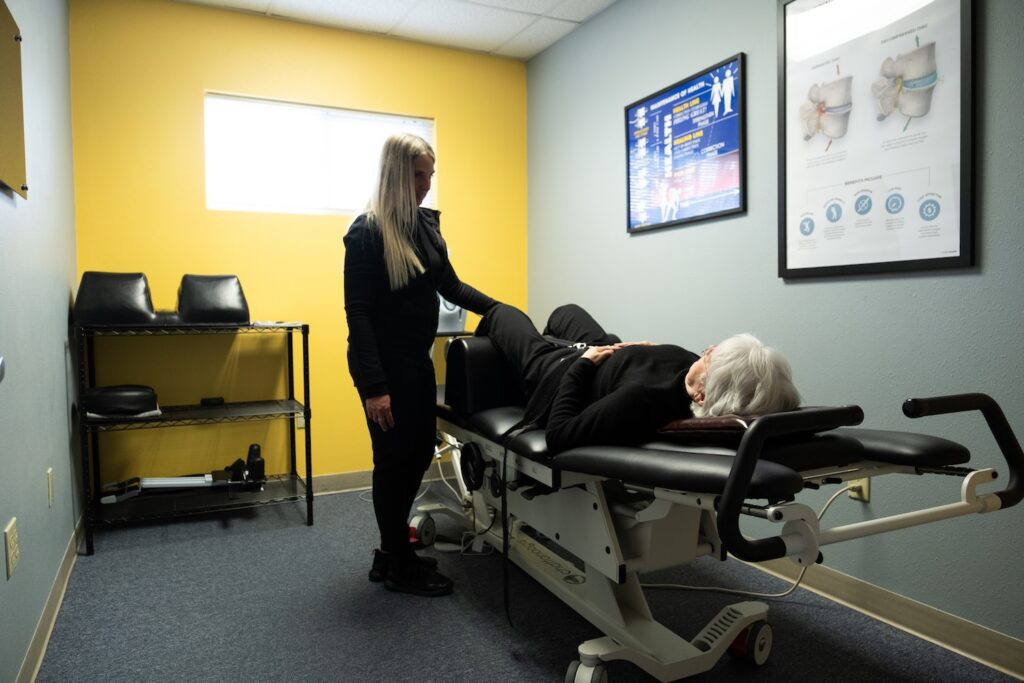

When it comes to addressing neurological disorders, there are numerous pathways to explore, including chiropractic care, which emphasizes natural healing and the body's innate ability to heal itself. As a local chiropractor, I want to share how our approach can complement traditional treatments.
Chiropractic adjustments can help improve nervous system function by ensuring that your spine is properly aligned. This can lead to better communication between the brain and the body, potentially alleviating symptoms of various neurological conditions. In addition, we focus on holistic methods that may include lifestyle modifications, nutritional guidance, and stress management techniques, all aimed at enhancing your overall well-being.
While medications like anticonvulsants and antidepressants are often prescribed, many patients seek alternatives or complementary therapies to manage their symptoms effectively. Our practice also incorporates techniques such as neurostimulation and rehabilitative exercises that align with both physical and occupational therapies, aiming to enhance your daily living skills naturally.
As research continues to evolve in the field of chiropractic care, new methods and insights are emerging, offering hope and new options for those dealing with neurological disorders. If you're curious about how chiropractic care can play a role in your treatment plan, let's explore the possibilities together!
Medications for Neurological Disorders
As a local chiropractor, I want to share some insights about managing neurological disorders and how our approach to natural healing can enhance your quality of life. While medications like anticonvulsants, antidepressants, and dopaminergic drugs are commonly prescribed to target specific symptoms of these disorders, it's essential to consider how chiropractic care can complement these treatments.
Anticonvulsants, for example, are often used to control seizures in conditions like epilepsy by stabilizing electrical activity in the brain. However, chiropractic adjustments can also play a role in supporting overall neurological health. By ensuring proper alignment of the spine, we may help improve nerve function and communication throughout the body, potentially reducing the frequency of seizures.
Additionally, many people with neurological conditions experience mood-related symptoms such as anxiety or depression. While antidepressants can help restore emotional balance, chiropractic care can offer a natural way to promote well-being. Through spinal adjustments and other techniques, we can help alleviate tension and stress, which may contribute to improved mood and emotional health.
For those dealing with Parkinson's disease, dopaminergic medications can manage symptoms like tremors and stiffness. Chiropractic care can also support movement and mobility by addressing musculoskeletal issues that may arise, allowing for better control and ease of movement.
It's important to be aware of the potential side effects of any medications you take. Open communication with your healthcare provider about your experiences is crucial.
As a chiropractor, I encourage you to explore a holistic approach to your health. By integrating chiropractic care with your current treatment plan, you may find a balanced and effective way to manage your symptoms and enhance your quality of life.
Physical and Occupational Therapy
As a local chiropractor, I want to share with you the vital roles that physical and occupational therapy can play in managing neurological disorders, ultimately helping you regain independence and enhance your daily functioning.
These therapies focus on improving your physical abilities, coordination, and overall quality of life, and they can complement the natural healing approach of chiropractic care.
In physical therapy, you'll collaborate with a trained therapist who'll target specific motor skills affected by your condition. They'll create a tailored exercise program designed to strengthen your muscles, enhance your balance, and increase your flexibility.
Whether you're on the road to recovery from a stroke, traumatic brain injury, or other neurological conditions, these targeted exercises can empower you to move with more confidence and safety.
Occupational therapy takes a different focus, emphasizing daily activities and personal care. Your occupational therapist will assess your unique needs and develop strategies to help you navigate tasks such as dressing, cooking, or returning to work.
They may recommend adaptive equipment or modifications to your environment to make these daily tasks easier and more manageable.
Both physical and occupational therapies often incorporate techniques like neuromuscular re-education and sensory integration to help you adapt to your condition.
By actively engaging in these therapies, you can cultivate coping strategies, boost your self-esteem, and foster a greater sense of autonomy.
Participating in physical and occupational therapy not only addresses the physical challenges that accompany neurological disorders but also supports your emotional well-being.
As your chiropractor, I encourage you to take that important step toward recovery. Embracing these therapies—alongside chiropractic care—can lead to significant improvements in your quality of life.
Together, we can work towards a healthier, more fulfilling future.
Innovative Treatment Approaches
As your local chiropractor, I want to shed light on the remarkable benefits of physical and occupational therapy, while also introducing you to some innovative treatment approaches that are revolutionizing the management of neurological disorders.
These advancements not only have the potential to elevate your quality of life but can also significantly improve your overall health outcomes. Here are three cutting-edge methods that might pique your interest:
- Transcranial Magnetic Stimulation (TMS): This non-invasive treatment utilizes magnetic fields to stimulate nerve cells in the brain. While it has shown great efficacy in addressing conditions like depression and anxiety, ongoing research is exploring its potential benefits for other neurological disorders. This could be a valuable addition to your wellness journey.
- Neurofeedback: This unique biofeedback approach empowers you to take control of your brain activity. By providing real-time insights into how your brain functions, neurofeedback enables you to learn how to adjust your mental processes. This technique has shown promise in improving various conditions, including ADHD, PTSD, and epilepsy, helping you achieve a more balanced state of mind.
- Gene Therapy: Although still in the experimental phase, gene therapy holds great promise for treating genetic neurological disorders by correcting or replacing faulty genes. This groundbreaking approach could transform the treatment landscape for conditions such as Huntington's disease and certain forms of muscular dystrophy, offering hope for those affected by these challenges.
These innovative treatments represent a beacon of hope for individuals facing neurological disorders.
I encourage you to stay informed and discuss these options with your healthcare provider, including me, as we work together to enhance your neurological health and improve your daily living experience.
Embrace the advancements in natural healing and chiropractic care, and let's explore what can work best for you on your path to wellness.
Lifestyle Modifications and Support
As a local Chiropractor dedicated to your health and well-being, I want to share some important lifestyle modifications that can play a vital role in managing neurological disorders. These changes can complement the chiropractic care you receive and significantly enhance your overall quality of life.
First and foremost, consider the impact of a balanced diet on your health. By incorporating a variety of fruits, vegetables, whole grains, and lean proteins into your meals, you can provide your body with essential nutrients that promote optimal functioning and may help reduce inflammation—a common issue in neurological conditions.
Regular exercise is another key component to consider. Engaging in physical activities such as walking, swimming, or yoga not only elevates your mood but also boosts your energy levels and cognitive function. Aim for at least 150 minutes of moderate exercise each week to reap these benefits and support your overall health.
Don't underestimate the importance of sleep! A consistent sleep schedule is critical for your brain's recovery and optimal functioning. Strive for 7-9 hours of quality sleep each night to help your body heal and rejuvenate.
Managing stress is crucial as well. Techniques like mindfulness, meditation, and deep-breathing exercises can greatly assist in reducing anxiety and promoting a sense of calm. Additionally, surrounding yourself with a strong support system—whether it be friends, family, or support groups—can provide you with the encouragement you need and help you feel less isolated in your journey.
Lastly, I must emphasize the importance of avoiding harmful habits such as smoking and excessive alcohol consumption, as these can worsen neurological symptoms. By integrating these lifestyle changes and seeking support, you can take an active role in managing your neurological disorder and enhancing your well-being.
Future Directions in Treatment
As a local chiropractor committed to holistic health, I want to share how emerging therapies and innovative approaches can enhance your well-being, particularly in managing neurological disorders. Understanding these advancements can open doors to new possibilities in your journey towards improved health. Here are three key areas where exciting progress is being made:
- Personalized Care: Just like how chiropractic adjustments are tailored to your individual needs, the future of medicine is moving towards personalized treatments based on your unique genetic profile. This means that healthcare providers can recommend therapies that align better with your biology, helping to reduce side effects and increase effectiveness.
- Neurostimulation Techniques: While chiropractic care focuses on spinal alignment to improve nervous system function, there are also advanced methods like deep brain stimulation and transcranial magnetic stimulation. These techniques are making waves in treating conditions such as Parkinson's and depression by directly influencing brain activity, offering alternatives when traditional medications may not be effective.
- Regenerative Medicine: The field of regenerative medicine, including stem cell therapy, is gaining traction as a way to heal and repair damaged nerve tissues. As research in this area advances, it holds the potential to reverse the effects of serious conditions such as multiple sclerosis and spinal cord injuries, complementing the natural healing processes we support in chiropractic care.
As you explore these future directions, it's inspiring to consider how these breakthroughs can enhance neurological health. The integration of cutting-edge technology with personalized, natural approaches can lead to more effective treatment options, empowering you to manage your health with greater confidence.
Stay informed about these developments, as they could significantly influence your path to wellness in the near future.
Conclusion
As a local chiropractor, I want to share with you the various ways we can address neurological disorders through natural healing and chiropractic care. Treating these conditions often involves a holistic approach that includes not only spinal adjustments but also lifestyle modifications, nutrition, and supportive therapies tailored to your individual needs.
By exploring these natural options, you may discover effective strategies to manage your symptoms and enhance your overall quality of life. It's also essential to consider the role of a healthy lifestyle and a strong support system as you navigate your journey toward better health.
As research in the field of chiropractic and natural healing continues to progress, we may see new techniques and treatments emerge, providing even more hope for those dealing with neurological challenges. Stay engaged and empowered as you learn more about these options and how they can fit into your treatment plan!