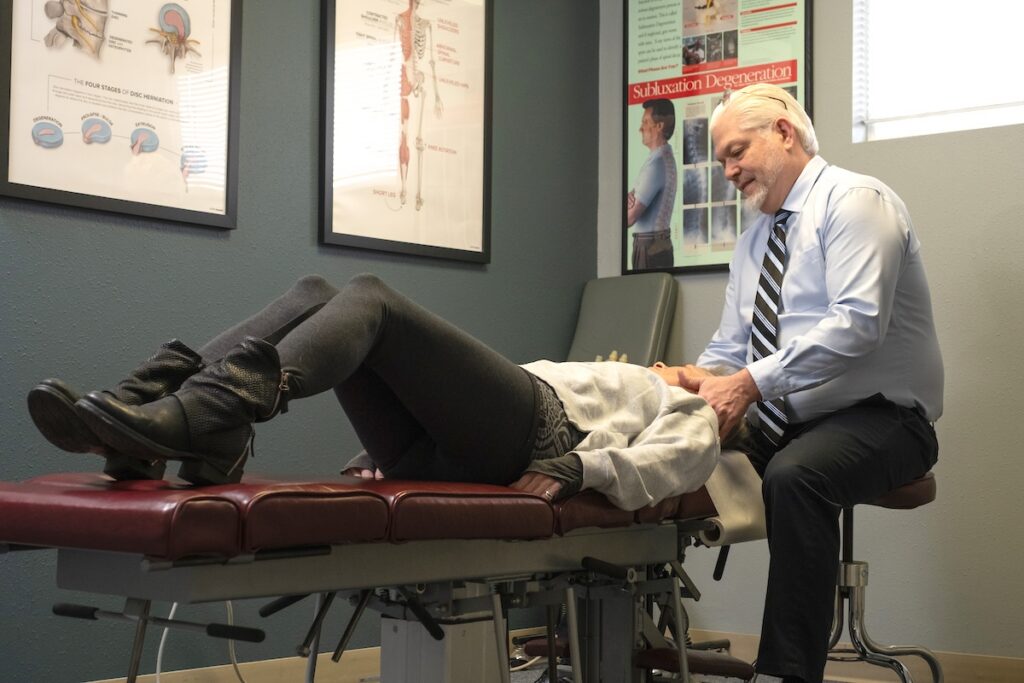

Chronic back pain can often feel overwhelming and may significantly impact your daily life. As a local chiropractor, I want to help you understand that this discomfort can arise from a variety of sources, including herniated discs, arthritis, and even habits like poor posture. Additionally, past injuries can contribute to the pain you’re experiencing today.
It’s important to recognize these underlying causes, but equally vital is exploring the treatment options available to you. Chiropractic care focuses on natural healing and aims to address the root of your pain rather than just masking the symptoms. Through a combination of spinal adjustments, targeted exercises, and lifestyle recommendations, we can work together to effectively manage and alleviate your chronic back pain.
If you’re curious about how chiropractic care can benefit you, I encourage you to reach out for a consultation. Let’s take the first step toward a pain-free life together!
Understanding Chronic Back Pain
As a local chiropractor, I understand that experiencing chronic back pain can be both daunting and frustrating, especially when the underlying causes are unclear. Unlike a temporary ache, chronic back pain persists and can significantly impact your daily life, affecting everything from your mood to your productivity at work.
Many patients report that conventional pain relief methods often provide little to no relief, which can lead to feelings of helplessness.
It’s crucial to grasp the complexities of chronic back pain to manage it effectively. This type of pain often arises from a combination of factors, including lifestyle choices, accumulated stress, or past injuries.
As you begin to observe your pain patterns, you might notice that certain activities exacerbate your discomfort, or that prolonged periods of sitting or standing make it worse. By recognizing these triggers, you can take proactive steps to adjust your daily routine and alleviate some of the strain on your back.
Chiropractic care focuses on understanding these patterns and addressing the root causes of pain through natural healing techniques.
Common Causes of Chronic Back Pain
As a local chiropractor, I want to help you understand the various causes of chronic back pain, as it’s crucial to identify what might be contributing to your discomfort.
One of the most common issues we see is a herniated disc. This occurs when the cushioning between your vertebrae slips out of position, putting pressure on nearby nerves and causing pain.
Another common source of persistent back pain is arthritis. The inflammation in your joints can lead to stiffness and ongoing discomfort, which many of my patients experience.
Additionally, I often treat individuals who’ve muscle or ligament strains due to heavy lifting or sudden, awkward movements—these can create chronic issues that aren’t always easy to resolve.
Many patients also come in with sciatica, a condition where the sciatic nerve is compressed, resulting in sharp pain that can radiate down the leg.
It’s important to recognize that conditions like fibromyalgia can also lead to widespread pain, including in the back area.
By understanding these common causes of chronic back pain, you can better appreciate how chiropractic care may help you find relief.
Together with your healthcare provider, we can create a personalized treatment plan that targets your specific needs and promotes natural healing, ultimately alleviating your chronic back pain.
The Role of Poor Posture
As your local chiropractor, I want to emphasize how crucial good posture is for maintaining a healthy spine. Many of you may not be aware, but habits like slouching or hunching over your devices can cause significant strain on your back, potentially leading to chronic pain over time.
It’s essential to be mindful of your posture throughout the day.
To help you improve your posture and alleviate discomfort, here are some practical tips:
- Be Conscious of Your Sitting Position: When sitting, make sure your back is straight, and your feet are flat on the floor. Consider using a chair that supports your lower back.
- Take Frequent Breaks: If you’re working at a desk or using a device for extended periods, take regular breaks to stand up, stretch, and realign your body.
- Strengthen Your Core: Engaging in exercises that strengthen your core muscles can provide better support for your spine.
- Adjust Your Workspace: Ensure that your computer screen is at eye level and that you’re not leaning forward or straining your neck.
- Stay Active: Regular physical activity can enhance your overall posture and flexibility, reducing the risk of pain.
By incorporating these tips into your daily routine, you can significantly improve your posture and, in turn, support your spine health.
If you have any questions or need personalized advice, please feel free to reach out. Your health and comfort are my priority!
Common Posture Mistakes
As a local chiropractor, I want to emphasize the importance of maintaining good posture for your overall health and well-being. Many individuals may not realize that poor posture can significantly contribute to chronic back pain.
You might catch yourself slouching at your desk or leaning forward while using your phone, both of which can place excessive strain on your back and neck. If you often hunch your shoulders or excessively arch your back, you may be unknowingly increasing your risk of discomfort and pain.
Even something as simple as standing with your weight shifted to one leg can create imbalances that lead to chronic issues over time.
To help alleviate these problems, I encourage you to make a conscious effort to sit and stand tall, keeping your shoulders back and your spine aligned. Regularly checking in on your posture throughout the day can have a profound impact on preventing chronic pain.
Impact on Spine Health
As a local chiropractor, I want to emphasize how crucial posture is for your spine health. Many people underestimate the impact of poor posture, but it can lead to serious issues that go beyond just how you look. When you slouch or hunch over, you’re placing undue stress on your spine, which can result in misalignment and discomfort.
Over time, poor posture can create muscle imbalances. This means some muscles are overworked while others become weak, leading to chronic pain, stiffness, and even nerve issues. You may find that your lung capacity is restricted, which can affect your overall mobility and quality of life.
It’s important to recognize how your daily habits contribute to these problems. By making a conscious effort to improve your posture now, you can prevent long-term damage and significantly enhance your spine health.
Tips for Better Posture
As a local chiropractor, I often see patients struggling with chronic back pain, and one of the key ways to alleviate this discomfort is by improving your posture.
It’s important to be mindful of your body alignment throughout your daily activities. When you sit, make sure to sit up straight, keeping your shoulders back and your feet flat on the floor. A chair that offers good lumbar support can make a significant difference in how your back feels.
When standing, ensure that your weight is distributed evenly on both feet, and engage your core muscles to help maintain stability. If you spend a lot of time at a desk, it’s crucial to adjust your monitor to eye level. This simple adjustment helps prevent unnecessary strain on your neck and upper back.
I also encourage my patients to take regular breaks to stretch and move around. Sitting or standing in one position for too long can contribute to discomfort and poor posture.
When lifting objects, remember to bend at your knees rather than your waist, and keep the object close to your body to reduce strain on your back.
In addition to these posture tips, incorporating exercises that strengthen your back and core muscles can provide long-term support for better posture.
Impact of Injuries on Back Pain
As your local chiropractor, I want to help you understand how injuries can significantly contribute to chronic back pain.
Whether from sports, accidents, or even daily activities, these injuries can take a toll on your spine. Common issues, such as strains or herniated discs, can lead to long-lasting discomfort and pain.
It’s important to recognize these connections, as understanding them is a vital step in managing your pain naturally and effectively.
Through chiropractic care, we can work together to address these injuries and promote healing, helping you regain your comfort and mobility.
Common Types of Injuries
As a local chiropractor, it’s important to help you understand the common types of injuries that can lead to chronic back pain. Many people experience sprains and strains, which often occur from lifting heavy objects or making sudden movements. These injuries can result in discomfort that lingers over time.
Another concern is herniated discs, where the cushioning between your vertebrae slips out of place, potentially compressing nearby nerves and causing pain. Fractures, whether they stem from falls or accidents, can also be a source of ongoing discomfort.
Additionally, repetitive stress injuries from activities like heavy labor or sports can lead to chronic issues as well. By understanding these types of injuries, you can better recognize potential causes of your back pain.
This knowledge empowers you to engage in informed discussions with me about effective, natural treatment options that can support your healing journey. Together, we can explore chiropractic care and other holistic approaches to help you find relief and improve your overall well-being.
Long-term Effects on Spine
As a local chiropractor, I want to take a moment to educate you about the long-term effects of chronic back pain on your spine. Understanding these effects is crucial for managing your health and well-being effectively.
Many individuals may not realize that injuries can lead to significant changes in their spinal health over time, which can impact daily activities. Here are a few common long-term effects you should be aware of:
- Disc Degeneration: When you experience an injury, it can accelerate the wear and tear of your spinal discs. This degeneration can result in chronic pain and limit your mobility. Chiropractic care focuses on maintaining the health of these discs to support your spine.
- Joint Dysfunction: Injuries can lead to damage in the facet joints of your spine, causing stiffness and restricting your range of motion. Through gentle adjustments and targeted therapies, chiropractic care can help restore proper function to these joints.
- Nerve Compression: Sometimes, injuries may cause herniated discs, which can press on nearby nerves, leading to persistent pain or numbness. Chiropractic adjustments can help relieve this pressure and promote healing.
By addressing these issues early with natural healing methods, we can help mitigate their long-term impact on your spine and enhance your overall spinal health.
It’s never too late to take proactive steps toward a healthier back!
Medical Conditions Linked to Chronic Pain
As a local chiropractor, I’m here to help you understand how various medical conditions can contribute to chronic back pain and how we can approach healing naturally. Conditions such as arthritis can lead to inflammation and pain in the joints, which can also affect the stability of your spine.
Disc degeneration is another common issue, often seen as we age, where the cushioning between our vertebrae wears down, leading to discomfort.
Spinal deformities, like scoliosis, can create uneven pressure on your back, resulting in pain that can interfere with your daily activities. Additionally, fibromyalgia is a condition that can cause widespread pain throughout the body, including the back, making it challenging to manage day-to-day tasks.
Osteoporosis, which weakens bones, could increase the risk of fractures, potentially leading to chronic pain. While infections or tumors in the spine are less common, they can also cause persistent discomfort.
Understanding these conditions is crucial because it allows us to better address your back pain through chiropractic care and natural healing methods. Together, we can explore the best ways to alleviate your pain and enhance your overall well-being.
Treatment Options for Chronic Back Pain
If you’re dealing with chronic back pain, understanding the range of effective treatment options can guide you toward relief and enhance your daily function. As a chiropractor, my recommendation starts with a thorough consultation to create a personalized treatment plan tailored to your unique needs.
One foundational approach is Chiropractic Adjustments. These gentle manipulations help realign the spine, relieving pressure on nerves and improving overall function.
Alongside adjustments, I often recommend Physical Therapy exercises that focus on strengthening your back muscles and enhancing mobility, complementing chiropractic care.
In some cases, we might discuss the use of Natural Supplements or Herbal Remedies to support your healing process. While medications can be effective, exploring natural alternatives may minimize unwanted side effects.
Additionally, incorporating lifestyle changes, such as maintaining a healthy weight and practicing good posture, plays a significant role in sustaining back health.
Techniques like heat and cold therapy can also be beneficial in managing pain and promoting recovery.
It’s important to remember that each individual’s experience with chronic back pain is unique. By staying proactive and open about your needs and preferences, we can work together to discover the best combination of natural treatments for you.
Don’t hesitate to reach out; your path to relief starts with understanding and prioritizing your health.
Alternative Therapies for Pain Management
As a local chiropractor, I want to share some insights about alternative therapies that can effectively complement traditional pain management options. Many of my patients have found relief through practices like acupuncture, which targets specific points in the body to reduce pain and enhance overall function.
Chiropractic care itself is a powerful tool for addressing discomfort. Through spinal adjustments, we can realign your spine, alleviate pain, and improve your mobility. It’s fascinating to see how this approach helps many individuals regain their quality of life.
Incorporating gentle practices like yoga and tai chi can be incredibly beneficial as well. These activities combine mindful movement with relaxation techniques, which not only strengthen your back but also promote overall well-being.
You might also consider herbal remedies, such as turmeric or ginger, known for their anti-inflammatory properties, and supplements like magnesium that support muscle function.
Another effective option is massage therapy. It can relieve tension in your back and improve circulation, which is essential for recovery.
Additionally, mindfulness and meditation techniques can offer valuable tools for managing pain by helping you shift your focus and reduce stress.
Before starting any new therapies, it’s always important to consult with your healthcare provider to ensure they fit into your overall treatment plan.
Conclusion
As a local Chiropractor, I want to emphasize the importance of understanding the causes of chronic back pain in order to find effective relief. Many patients may not realize that issues such as poor posture, repetitive strain, or past injuries can contribute significantly to their discomfort. By becoming aware of these factors, you can take proactive steps toward your healing journey.
Chiropractic care focuses on natural healing and aims to restore proper alignment and function to your spine and nervous system. This holistic approach can help alleviate pain without relying solely on medications or invasive procedures. I encourage you to explore various treatment options, including chiropractic adjustments, physical therapy, and lifestyle changes, to find what works best for you.
Remember, you’re not alone in this process. By actively listening to your body and seeking the right guidance, you can effectively manage your pain and enhance your mobility. With the right chiropractic care and a commitment to your health, you can improve your overall quality of life. Let’s work together to help you feel your best!