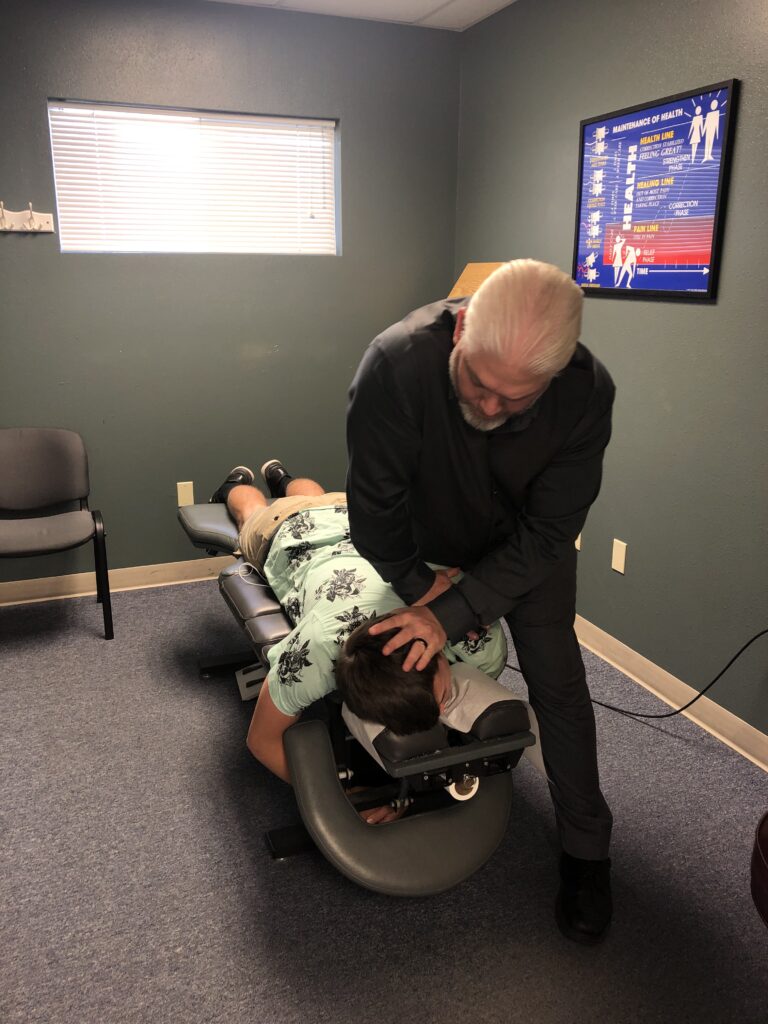

As a local chiropractor, I often see patients who struggle with muscle strain and back pain, conditions that can catch you off guard. Many times, these issues arise from everyday factors such as poor posture or a sedentary lifestyle. It’s easy to overlook how your daily habits might contribute to your discomfort, but recognizing these causes is the first step toward taking charge of your health.
If you’re experiencing pain, you might be wondering how to alleviate it and prevent it from coming back. There are effective strategies and natural remedies that can significantly improve your quality of life.
Chiropractic care focuses on restoring proper alignment in your spine and improving overall function, which can help relieve pain and enhance mobility. Additionally, incorporating exercises that strengthen your core and improve your posture can provide lasting relief.
Let’s work together to explore tailored solutions that fit your lifestyle and empower you to maintain a healthier, pain-free life. Remember, your body has an incredible ability to heal itself when given the right support and care!
Understanding Muscle Strain: Causes and Symptoms
As a local chiropractor, I want to help you understand muscle strain, a common injury that can lead to discomfort and restrict your mobility. Many of my patients experience muscle strain after activities like lifting heavy objects, twisting awkwardly, or engaging in intense physical exercise.
This strain occurs when the muscle fibers are overstretched or torn, resulting in symptoms such as pain, swelling, and stiffness. You may feel a sharp pain when moving the affected muscle, tenderness when you touch the area, or even difficulty using that muscle altogether.
It’s important to be mindful of these signs, as overlooking them can lead to more severe injuries down the line. If you suspect you have a muscle strain, prioritizing rest is crucial. Avoid activities that worsen your pain and consider applying ice to the area to help reduce swelling.
Gentle stretching may also aid in your recovery. Listening to your body is key; if the pain doesn’t subside, I encourage you to seek professional medical advice. As a chiropractor, I can provide natural treatment options to facilitate healing and help restore your full range of motion.
Common Triggers of Back Pain
As your local chiropractor, I want to share some important insights about the common triggers of back pain that you mightn’t be aware of.
Many people experience discomfort due to poor posture or improper lifting techniques in their daily routines. These seemingly harmless habits can place considerable strain on your back, leading to pain and potential injury over time.
By becoming aware of these triggers and making a few adjustments, you can significantly improve your comfort and prevent future issues.
Let’s work together to identify these habits and explore natural healing methods to promote a healthier spine and overall well-being.
Poor Posture Practices
As a local chiropractor, I want to emphasize how crucial it’s to pay attention to your posture and its significant impact on your back health. Many individuals are unaware that slouching or hunching over, especially while sitting at a desk or using a smartphone, can place excessive strain on your spine and the muscles that support it. Over time, this poor posture can lead to discomfort and chronic pain.
When you’re spending long hours in front of a computer, it’s essential to maintain proper posture. Ensure your feet are flat on the floor and that your screen is at eye level. This alignment not only helps reduce strain but also promotes overall well-being.
I recommend taking regular breaks to stand up and stretch, as this can help alleviate tension in your back and improve your posture.
Being mindful of how you position your body throughout the day can have a remarkable effect on your health. By making small adjustments to your habits now, you can prevent future pain and enjoy a healthier back.
Prioritizing your posture is a valuable step towards achieving lasting relief and enhancing your overall quality of life. Remember, chiropractic care can also assist you in maintaining proper alignment and supporting your journey to better health.
Heavy Lifting Techniques
As a local chiropractor, I want to share some essential techniques for lifting heavy objects safely to help you avoid back strain and promote overall wellness.
First, it’s crucial to position your feet shoulder-width apart for a stable base. When you need to lower your body, bend at your knees, not at your waist. This technique helps protect your spine.
When lifting, keep the object close to your body. This reduces the strain on your back and allows your legs to do the heavy lifting instead. Engaging your core muscles during this process provides additional support for your spine.
If you find an item is too heavy to lift safely, please don’t hesitate to ask for assistance or use proper lifting aids.
It’s also important to avoid twisting your torso while lifting. Instead, pivot your feet to change direction.
Incorporating regular stretching and strengthening exercises into your routine can enhance your flexibility and resilience, ultimately reducing the risk of injury during heavy lifting.
The Role of Poor Posture in Muscle Strain
As a local chiropractor, I want to share some important insights about how poor posture can significantly affect your muscle health and overall well-being. Many of us spend hours sitting at desks, often slouching or hunching over our screens. This common habit can lead to muscle strain and debilitating back pain over time.
When we neglect proper ergonomics in our workspace, we unwittingly create an environment that contributes to discomfort and pain. I encourage you to consider how your posture impacts your body and health.
Simple adjustments to your sitting position, chair height, and screen level can make a world of difference.
As you begin to pay attention to your posture, you may find that making these changes not only alleviates pain but also enhances your overall quality of life.
Impact of Slouching
As a local chiropractor, I want to emphasize the importance of maintaining good posture for your overall health. Slouching can significantly contribute to muscle strain and affect various aspects of your well-being.
When you hunch over, you place unnecessary stress on your spine and muscles, which can lead to discomfort and pain. Here are four ways slouching impacts your body that I often share with my patients:
- Increased Pressure: When you slouch, your vertebrae become compressed, which can result in pain and stiffness in your back. This pressure can lead to misalignments in your spine, making chiropractic adjustments even more vital.
- Muscle Fatigue: Poor posture forces certain muscle groups to work harder than they should, leading to fatigue and strain. Over time, this can create imbalances that chiropractic care can help address.
- Reduced Mobility: Slouching can hinder your range of motion, making everyday tasks more challenging. By correcting your posture, we can help restore your mobility and make daily activities easier and more enjoyable.
- Impaired Circulation: Hunched positions can restrict blood flow in your body, potentially causing numbness and discomfort. Chiropractic adjustments can improve your posture and enhance circulation, promoting better overall health.
By being aware of these impacts of slouching, you can take steps to improve your posture and overall well-being.
As your chiropractor, I’m here to help guide you on this journey to better health through natural healing.
Ergonomics and Workspaces
As a local chiropractor, I want to share how your workspace can significantly impact your posture and overall comfort. Many people may not realize that a poorly designed workspace can contribute to slouching and muscle strain, which often results in back pain.
If your chair lacks proper support or your desk isn’t at the right height, you may find yourself adopting unhealthy postures throughout the day.
To promote better posture, it’s important that your monitor is positioned at eye level. This helps prevent you from leaning forward, which can strain your neck and back.
Additionally, your feet should rest flat on the floor to provide stability and support.
Incorporating regular breaks and stretching into your routine is crucial for maintaining good posture and preventing discomfort.
Adjusting your workspace setup can make a world of difference. Investing in ergonomic furniture can be beneficial, as it’s designed to support your body’s natural alignment.
Remember, maintaining proper alignment while you work not only enhances your comfort but also reduces the risk of muscle strain and chronic back pain over time.
As a chiropractor, I encourage you to consider these factors to support your health and well-being in your daily activities.
How Physical Activity Affects Muscle Strain and Back Pain
As a local chiropractor, I want to share how regular physical activity can be a game-changer for managing muscle strain and back pain. Many people find the idea of incorporating exercise into their lives daunting, but it’s crucial for your overall health and well-being.
Here are four important ways that physical activity can help you:
- Strengthening Muscles: Engaging in specific exercises can significantly strengthen your core and back muscles. This added strength provides vital support for your spine, helping to prevent further strain and pain.
- Improving Flexibility: Including stretching and mobility exercises in your routine enhances your flexibility. This increased range of motion can alleviate tension in your muscles and joints, reducing discomfort.
- Promoting Blood Circulation: Physical activity boosts blood circulation, which is essential for nourishing your body’s tissues. Improved circulation helps speed up recovery from injuries, allowing your body to heal more efficiently.
- Releasing Endorphins: Exercise stimulates the release of endorphins, the body’s natural painkillers. This not only elevates your mood but also reduces the perception of pain, making you feel better both physically and emotionally.
By understanding and embracing these benefits, you can take proactive steps towards alleviating muscle strain and back pain, ultimately leading to a healthier, more active lifestyle.
If you have any questions or need guidance on how to get started, feel free to reach out!
The Impact of Stress and Mental Health on Pain
As your local chiropractor, I want to take a moment to highlight the important connection between stress, mental health, and your experience of pain. Many people may not realize how significantly these factors can influence discomfort in the body.
When you’re feeling stressed or anxious, your body reacts by releasing hormones that can tighten your muscles. This muscle tension makes you more prone to pain and strain, creating a cycle where increased pain leads to higher stress levels, which in turn exacerbates the pain.
Furthermore, mental health conditions such as depression can lower your pain threshold, causing you to perceive pain more intensely. This can make it difficult to participate in activities that could relieve your discomfort, such as exercise, stretching, or relaxation techniques.
Understanding this connection is crucial for your overall health. By addressing mental health and managing stress effectively, you may be able to alleviate some of your pain.
Incorporating practices like mindfulness and meditation into your routine can be beneficial, as well as seeking support from a therapist. As a chiropractor, I can also help you develop a personalized plan to address physical tension and improve your overall well-being, allowing you to break this cycle of pain and stress.
Together, we can work towards enhancing both your emotional and physical health.
Prevention Strategies for Muscle Strain
As your local chiropractor, I want to help you understand how to prevent muscle strain and promote overall wellness in your daily life. By incorporating some simple yet effective techniques and habits, you can significantly lower your risk of injury.
Here are four strategies I recommend:
- Warm Up Properly: Before engaging in any physical activity, it’s crucial to warm up your body. A good warm-up prepares your muscles and joints for movement, reducing the chance of strain.
- Use Proper Lifting Techniques: When lifting heavy objects, remember to bend at your knees and keep your back straight. Your legs are your strongest muscles, so let them do the work to prevent unnecessary stress on your back.
- Stay Hydrated: Keeping your body well-hydrated is essential for optimal muscle function. Make it a habit to drink plenty of water throughout the day, as this helps keep your muscles healthy and reduces the risk of cramping and strain.
- Strengthen Core Muscles: A strong core is vital for supporting your back and maintaining proper posture. Engage in regular exercises that focus on your core muscles to help reduce strain during daily activities.
By following these strategies, you can enhance your body’s resilience and promote a healthier, pain-free lifestyle.
Effective Home Remedies for Back Pain Relief
As a chiropractor, I often encounter patients dealing with back pain, and I want to share some effective home remedies that can help ease your discomfort. One of the first steps you can take is to incorporate gentle stretching into your daily routine. Simple movements can significantly reduce tension and enhance your flexibility, which is crucial for maintaining a healthy spine.
Another effective method for relief is using heat or cold therapy. A heating pad can help relax tight muscles, while an ice pack can reduce inflammation and numb sharp pain. Both options are valuable tools for managing your symptoms at home.
If you find that you need additional support, over-the-counter pain relievers such as ibuprofen or acetaminophen can provide temporary relief. However, it’s also important to focus on your overall well-being. Staying hydrated and eating a balanced diet will contribute to muscle health and recovery.
You may also want to explore herbal remedies. Both ginger and turmeric are known for their anti-inflammatory properties and can be beneficial in reducing pain naturally.
Lastly, I can’t stress enough the importance of good posture. Whether you’re sitting at a desk or moving around throughout your day, maintaining proper lumbar support and avoiding slouching can make a significant difference in your comfort levels.
By integrating these remedies into your lifestyle, you may find effective ways to manage and alleviate back pain, allowing you to engage in your daily activities with greater ease and comfort.
If you have any questions about these methods or want to explore chiropractic care further, please feel free to reach out.
When to Seek Professional Help for Back Pain
As a local chiropractor, I want to emphasize the importance of recognizing when to seek professional help for back pain. While many people find relief through home remedies for mild discomfort, there are critical signs that indicate it’s time to consult with a healthcare provider like myself.
- Persistent Pain: If your back pain lingers beyond a few weeks or seems to be getting worse, it’s crucial to get a professional evaluation. Chronic pain can indicate underlying issues that need addressing.
- Numbness or Tingling: Experiencing weakness, numbness, or tingling sensations in your legs or feet can be a sign of nerve involvement. This isn’t something to overlook, as it may require specialized treatment.
- Loss of Mobility: If you find it difficult to move your back without significant pain, seeking a chiropractor’s help can offer you a thorough assessment and tailored treatment options.
- Accompanying Symptoms: If you have additional symptoms such as fever, unexplained weight loss, or issues with bowel or bladder control alongside your back pain, it’s essential to seek medical guidance promptly.
Don’t dismiss these warning signs. Early intervention can prevent further complications and help you explore effective chiropractic care and natural healing methods.
Long-Term Management and Recovery Techniques
As a local chiropractor, I want to share some effective long-term management and recovery techniques for back pain that can help you feel better and stay healthy.
It’s important to adopt a proactive approach that includes physical activity, proper ergonomics, and some lifestyle changes.
First, I recommend including regular low-impact exercises in your routine, such as walking, swimming, or yoga. These activities can strengthen your muscles and enhance your flexibility, which are crucial for your back health.
Remember to focus on your posture—especially when sitting at your desk or lifting heavy objects—to reduce strain on your back.
In your workspace, make some ergonomic adjustments. A chair that supports your lower back and a computer screen positioned at eye level can make a significant difference in how your back feels throughout the day.
Also, don’t underestimate the importance of sleep. Invest in a supportive mattress and aim for a consistent sleep schedule to aid your recovery.
Nutrition is another vital factor. A balanced diet rich in anti-inflammatory foods can help reduce pain and inflammation.
Lastly, consider incorporating stress management techniques into your daily routine. Practices like meditation or deep breathing can help alleviate stress, which might otherwise exacerbate your pain.
By integrating these strategies into your lifestyle, you can enhance your recovery and significantly reduce the risk of future back pain.
If you have any questions or need guidance on these techniques, feel free to reach out. I’m here to help you on your journey to better health!
Conclusion
As a local chiropractor, I want to help you understand the root causes of muscle strain and back pain, which is essential for finding effective relief. Many times, our daily habits—like poor posture, a sedentary lifestyle, and unmanaged stress—can lead to discomfort and injury. By making simple adjustments, such as improving your posture, staying active, and incorporating stress management techniques, you can significantly lower your chances of experiencing pain.
In addition, I encourage you to integrate gentle stretching and natural home remedies into your daily routine. These practices can provide effective relief and support your body’s healing process. However, if your pain continues or worsens, please don’t hesitate to reach out for professional care. As a chiropractor, I can offer tailored treatments and guidance to help you achieve long-term management and embrace a healthier, pain-free lifestyle. Remember, your well-being is a journey, and I’m here to support you every step of the way.