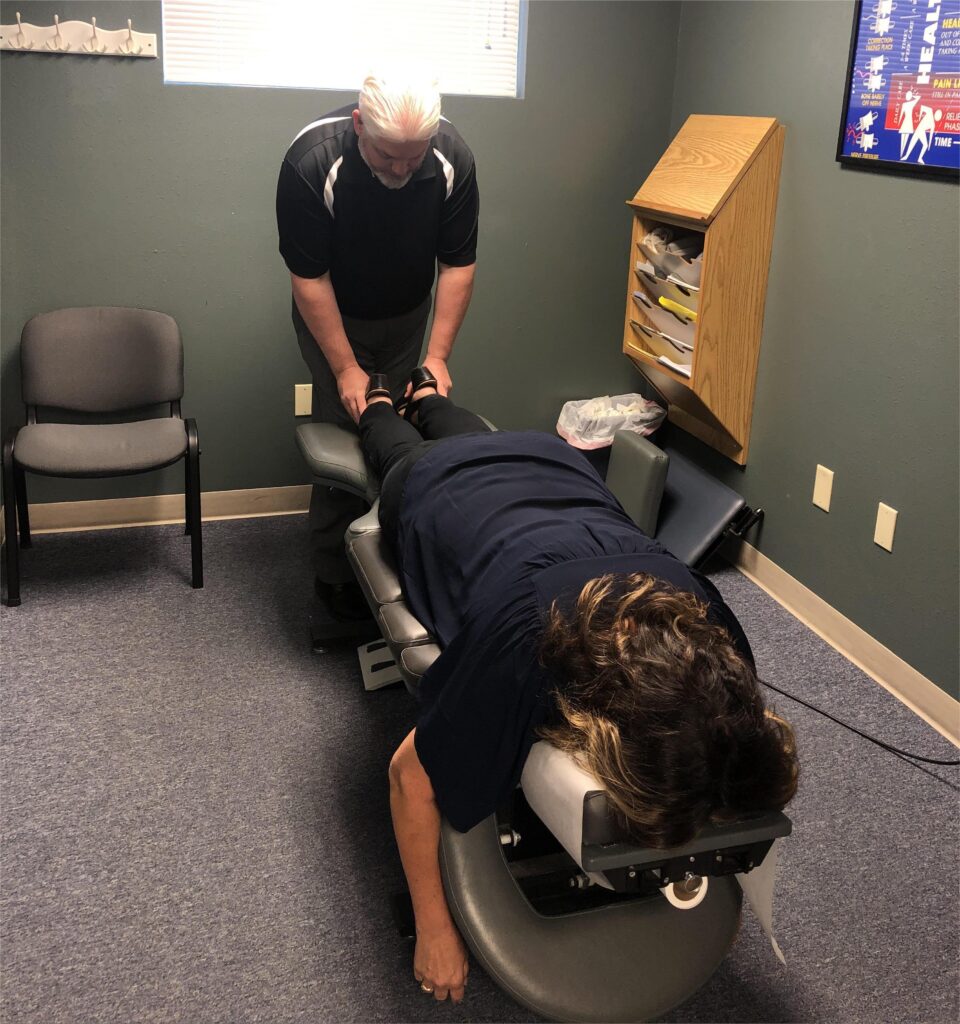

If you’ve ever experienced a headache, you know just how disruptive it can be to your daily life. Understanding the underlying triggers is essential for prevention, and one of the best ways to manage headaches is through chiropractic care. By making informed lifestyle changes and exploring natural healing techniques, you can significantly reduce the frequency and intensity of headaches. Let’s dive into some effective strategies that can lead you to a more headache-free life.
First and foremost, consider regular chiropractic adjustments. These gentle techniques help align your spine, which can alleviate tension and pressure that often contribute to headaches. When your spine is in proper alignment, your nervous system functions better, leading to improved overall health and reduced headache symptoms.
In addition to chiropractic care, maintaining good posture is crucial. Whether sitting at a desk or standing, keeping your spine straight can prevent unnecessary strain on your neck and shoulders. Try to be mindful of your posture throughout the day.
Staying well-hydrated is another essential tip. Dehydration can trigger headaches, so aim to drink plenty of water throughout the day. Carry a reusable water bottle with you as a reminder.
Incorporating stress-relief techniques can also be beneficial. Regular exercise, deep breathing exercises, and mindfulness practices like meditation can help reduce stress levels, which are often a significant trigger for headaches. Even a short daily walk can make a difference.
Lastly, pay attention to your diet. Certain foods can be headache triggers for some people. Keeping a food diary might help you identify any patterns and avoid those triggers. Focus on a balanced diet rich in fruits, vegetables, whole grains, and lean proteins to support your overall health.
By embracing these strategies and prioritizing chiropractic care, you’re taking meaningful steps towards a healthier, headache-free life. Remember, your well-being is a journey, and with the right tools and support, you can achieve optimal health naturally.
Key Takeaways
As a local chiropractor, I understand how debilitating headaches can be and I’m here to share some genuine solutions to help you find relief and improve your overall health. Here are some effective tips that focus on natural healing and wellness, all while emphasizing the benefits of chiropractic care.
- Stay Hydrated: One of the simplest ways to prevent dehydration-related headaches is to drink enough water each day. Make sure you’re adjusting your fluid intake based on your activity level and the weather. Staying hydrated helps keep your body functioning optimally, reducing the chances of headaches.
- Prioritize Sleep: A consistent sleep schedule is essential for your overall well-being. Creating a sleep-friendly environment can enhance the quality of your rest, which in turn can lower the frequency of headaches. Remember, rest is crucial for your body to heal and recover.
- Identify Triggers: Everyone has different headache triggers, and it’s important to know yours. By keeping a food and symptom diary, you can pinpoint specific foods, stressors, or environmental factors that may lead to headaches. Once identified, you can work on avoiding them to maintain better health.
- Stay Active: Regular physical activity is not just good for your body; it’s also great for your mind. Incorporating relaxation techniques such as yoga and mindfulness can help alleviate stress and tension that often contribute to headaches. Chiropractic care can also support your physical activity by ensuring your spine is aligned, which can enhance your performance and reduce tension.
- Explore Chiropractic Care: One of the best choices you can make for headache relief is to seek chiropractic care. Regular adjustments can help align your spine, relieve tension, and promote overall wellness. This natural approach focuses on treating the root cause of headaches rather than just masking the symptoms. By choosing chiropractic, you’re investing in a holistic path to health that can lead to fewer headaches and a better quality of life.
Remember, taking these steps not only helps in managing headaches but also contributes to your overall health and wellness. Embrace the power of chiropractic care as a key component in your journey to optimal health!
Understanding the Triggers of Headaches
Understanding the triggers of headaches is crucial for managing and preventing them effectively, and chiropractic care can play a key role in this process. Many people find that certain factors consistently lead to their headaches, and by identifying these triggers, you can take proactive steps to find relief.
Stress is often a significant contributor to headaches. When life gets overwhelming, it can lead to tension in your neck and shoulders, resulting in pain. Chiropractic adjustments can help alleviate this tension, promoting relaxation and reducing headache frequency.
Dehydration is another common trigger. If you’re not drinking enough water, your body may respond with a headache. Remember to stay hydrated throughout the day, as proper hydration supports overall health and wellness.
Food choices are also important. Skipping meals or consuming certain foods, such as aged cheeses or processed meats, can lead to discomfort. Keeping a balanced diet not only nourishes your body but also helps in preventing headaches. If you’re unsure about your diet, consider discussing it with your chiropractor, who can provide guidance on healthy eating habits.
Changes in sleep patterns can also affect your head. Whether it’s too little sleep or oversleeping, both can trigger headaches. Establishing a regular sleep routine can improve your sleep quality and help prevent headaches.
Environmental factors, such as bright lights or strong smells, can also contribute to headaches. Being mindful of your surroundings and making adjustments when necessary can help you avoid potential triggers.
By keeping track of your headache triggers, you can work together with your chiropractor to develop a personalized plan for relief. Recognizing these signs is the first step toward a headache-free life, and chiropractic care offers a natural and effective approach to achieving optimal health and wellness.
Implementing Effective Lifestyle Changes
To prevent headaches and improve your overall well-being, embracing effective lifestyle changes is essential. As a chiropractor, I want to emphasize the importance of holistic approaches that prioritize natural healing and spinal health.
First and foremost, staying well-hydrated is crucial. Water plays a vital role in keeping your body functioning optimally, including your nervous system, which can directly impact headache frequency. Aim to drink plenty of water throughout the day and consider incorporating hydrating foods like fruits and vegetables into your diet.
Next, let’s talk about sleep. Quality sleep is fundamental for healing and pain relief. Establishing a regular sleep routine can help improve the restorative phases of your sleep, which is vital for your body to recover from daily stresses. Creating a calm and comfortable sleep environment can make a significant difference.
Managing stress is another key factor in reducing headache occurrences. Stress can lead to muscle tension, particularly in the neck and shoulders, which can trigger headaches. Techniques such as deep breathing, meditation, or even gentle yoga can help alleviate tension and promote relaxation.
In addition to these strategies, regular chiropractic care can be a game-changer for managing headaches. Chiropractors focus on spinal health, which is closely linked to your overall health and wellness. By addressing any spinal misalignments, we can help relieve tension and improve your nervous system’s function, leading to fewer headaches and better overall health.
Hydration Importance
While there are many factors that can lead to headaches, one of the simplest and often overlooked solutions is ensuring you stay properly hydrated. Dehydration can cause your brain to temporarily shrink due to fluid loss, leading to discomfort and pain. As a chiropractor, I encourage you to pay attention to your hydration levels as part of your overall wellness strategy.
To help you understand how much water you should be drinking daily, here’s a simple guide based on your activity level:
| Activity Level | Daily Water Intake |
|---|---|
| Sedentary | 2.5 liters |
| Light Exercise | 3.0 liters |
| Moderate Exercise | 3.5 liters |
| Intense Exercise | 4.0 liters |
| Hot Weather | 4.5+ liters |
Staying hydrated not only helps prevent headaches but also supports your spine and overall health. Water plays a key role in maintaining the health of your spinal discs, which act as cushions between your vertebrae. When you’re well-hydrated, your body can function more efficiently, promoting natural healing and reducing discomfort.
Here are a few simple tips to help you stay hydrated:
- Carry a Water Bottle: Keep a reusable water bottle with you throughout the day. This serves as a constant reminder to drink water, making it easier to reach your daily goal.
- Set Reminders: Use your phone or a timer to remind you to take a sip of water regularly, especially if you tend to forget while working or engaging in daily activities.
- Infuse Your Water: If plain water isn’t enticing, try adding slices of fruits or herbs for flavor. Options like lemon, cucumber, or mint can make drinking water more enjoyable.
- Eat Hydrating Foods: Incorporate fruits and vegetables with high water content into your diet, such as watermelon, cucumbers, and oranges.
Sleep Quality Enhancement
Quality sleep is crucial for your overall health and can significantly reduce the frequency and intensity of headaches. As a chiropractor, I want to share some effective strategies to enhance your sleep quality, which can ultimately support your spinal health and contribute to natural healing.
First, establish a consistent sleep schedule by going to bed and waking up at the same time every day. This helps regulate your body’s internal clock, making it easier to fall asleep and wake up feeling refreshed.
Next, create a sleep-friendly environment in your bedroom. Keep the space dark, cool, and quiet to promote better rest. Consider using blackout curtains, a fan, or a white noise machine if needed.
It’s also important to limit screen time before bed. The blue light emitted by phones, tablets, and computers can disrupt your sleep cycle. Instead, try engaging in relaxing activities like reading a book or practicing meditation to signal to your body that it’s time to wind down.
Be mindful of your caffeine and alcohol intake, especially in the hours leading up to bedtime. Both substances can interfere with your ability to get quality sleep, which may lead to headaches and discomfort.
Don’t forget that regular chiropractic care can also play a key role in improving your sleep quality. By addressing any spinal misalignments and tension in your body, you can enhance your overall well-being and promote more restorative sleep.
Stress Management Techniques
Stress can often lead to headaches, making it vital to find effective ways to manage it for your overall well-being. As a chiropractor, I believe that incorporating natural healing practices can be incredibly beneficial. One effective technique is mindfulness or meditation; dedicating just a few minutes each day can help clear your mind and ease tension in your body.
Regular physical activity is another excellent way to combat stress. Activities such as walking or yoga not only keep your body moving but also release endorphins—natural chemicals that uplift your mood and help lower stress levels. Additionally, making time for hobbies or activities that you enjoy can be a fantastic way to relieve stress.
Establishing a daily routine can also bring a sense of stability and predictability to your life. This can help reduce feelings of anxiety that often accompany stress. Don’t underestimate the power of social connections; talking with friends or family about your feelings can lighten your emotional burden and foster a sense of community.
Above all, consider incorporating chiropractic care into your wellness routine. Chiropractic adjustments can help align your spine, alleviate physical tension, and enhance your body’s natural healing abilities. By prioritizing these techniques along with regular chiropractic visits, you’ll not only be better equipped to manage stress but may also experience a reduction in headache occurrences.
Stress Management Techniques for Headache Prevention
Managing stress effectively is vital not only for reducing headaches but also for promoting overall wellness. As a local chiropractor, I understand the connection between stress, tension, and spinal health. Here are some practical techniques you can incorporate into your daily life to help alleviate headaches and support your body’s natural healing processes.
Start with deep breathing exercises whenever you notice tension building. Take a few moments to inhale deeply through your nose, hold it, and then exhale slowly. This simple practice not only calms your mind but also helps release tension in your spine and surrounding muscles.
Progressive muscle relaxation is another excellent method. Begin by tensing and then relaxing each muscle group, starting from your toes and moving up to your head. This technique helps to eliminate physical tension that can lead to headaches while promoting a sense of relaxation throughout your body.
Regular physical activity is essential for maintaining a healthy spine and reducing stress. Aim for at least 30 minutes of exercise most days of the week. This doesn’t have to be strenuous; even a brisk walk can boost endorphins, which are your body’s natural stress relievers.
Mindfulness meditation is a powerful tool for enhancing your stress management. Dedicate a few minutes each day to focus on your thoughts and feelings without judgment. This practice not only helps in managing stress but also promotes better alignment and awareness of your body, which is crucial for spinal health.
Finally, prioritize a healthy sleep routine. Quality sleep is essential for your body to recover and cope with stress effectively. Proper rest allows your spine to align and rejuvenate, preparing you to face daily challenges with ease.
Dietary Adjustments to Reduce Headaches
Making dietary adjustments can significantly contribute to reducing headaches, and as your local chiropractor, I want to emphasize the importance of a holistic approach to wellness. Staying well-hydrated is crucial; dehydration can often lead to or exacerbate headache symptoms. Aim to drink plenty of water throughout the day to support your overall health and well-being.
Another key aspect is identifying and avoiding trigger foods. Many people may not realize that certain foods can lead to headaches. Common culprits include aged cheeses, processed meats, and artificial sweeteners. Keeping a food diary can help you identify patterns and make conscious choices in your diet.
Moreover, ensuring a balanced intake of nutrients is essential for your body to function optimally. Incorporate a variety of fruits, vegetables, whole grains, and healthy fats into your meals. This not only supports your overall health but can also provide the nutrients your body needs to prevent headaches.
In addition to these dietary adjustments, I encourage you to consider chiropractic care as a natural and effective way to manage headaches. Chiropractic adjustments can help align your spine, relieve tension, and improve overall function, which may lead to fewer headaches and a better quality of life.
Hydration and Headache Prevention
Hydration is a key factor in preventing headaches, and incorporating hydration into your daily routine can be straightforward and beneficial for your overall well-being.
As a chiropractor, I emphasize the importance of keeping your body well-hydrated, as it helps maintain the balance of fluids that support your spinal health and overall function. When you’re properly hydrated, you can significantly lower the chances of headache triggers and discomfort.
To make hydration a habit, aim to drink water consistently throughout the day instead of consuming large amounts at once. Consider adding hydrating foods like fruits and vegetables to your diet, as they can contribute to your fluid intake and provide valuable nutrients. Keeping a water bottle close by serves as a great reminder to drink regularly, which can support not only headache prevention but also your spinal health.
If you’re active or spending time in a warmer environment, be sure to increase your water intake to replace lost fluids. Staying hydrated can also enhance your body’s ability to heal naturally, which aligns with the principles of chiropractic care.
Trigger Foods to Avoid
Headaches can be a nuisance, and sometimes the foods we eat can contribute to this discomfort. Understanding which foods might be hidden triggers is an important step towards achieving overall wellness. Some common culprits that can lead to headaches include aged cheeses, processed meats, and fermented products. It’s also wise to watch out for foods that contain MSG or artificial sweeteners, as these can sometimes provoke headaches too.
While chocolate and caffeine can provide a quick pick-me-up, it’s essential to enjoy them in moderation. Overindulging can lead to rebound headaches, so keeping an eye on your intake is key. Alcohol, particularly red wine, is another frequent offender.
Listening to your body is crucial. After eating certain foods, take note of how you feel. Everyone’s triggers can be different, so paying attention to your reactions can help you identify what to avoid. A simple food diary can be a great tool for tracking what you eat and how it affects your health. By eliminating these headache triggers from your diet, you can help create a more pain-free lifestyle.
Balanced Nutrient Intake
A balanced nutrient intake is crucial not only for overall wellness but also for reducing the frequency and severity of headaches. As a chiropractor, I believe that our bodies thrive on natural, whole foods that provide the essential vitamins and minerals we need to function at our best. Incorporating a variety of foods like whole grains, lean proteins, fruits, and vegetables can significantly impact your health and help alleviate headache pain.
Hydration plays a vital role in preventing headaches as well. Dehydration can trigger discomfort, so aim to drink at least eight glasses of water daily. Staying well-hydrated supports your spinal health and overall bodily functions.
Consider adding magnesium-rich foods such as spinach, nuts, and seeds to your diet. These can be beneficial in preventing headaches and are a natural way to support your body. Omega-3 fatty acids found in fish are another excellent addition that may help with inflammation and pain relief.
It’s also essential not to skip meals, as low blood sugar can lead to headaches. Regular, balanced meals help maintain your energy levels and support your body’s natural healing processes. Making these dietary adjustments, combined with regular chiropractic care, can enhance your overall health and may reduce the occurrence of headaches.
Exploring Alternative Therapies
Have you ever thought about how alternative therapies might help prevent headaches? As a chiropractor, I believe that these approaches can’t only provide relief but also promote overall wellness. Here are some effective options to consider:
- Chiropractic Care: Regular chiropractic adjustments can significantly improve spinal alignment, which often helps alleviate tension headaches that arise from neck and back issues. By addressing the root cause of your discomfort, chiropractic care can provide lasting relief and enhance your overall health.
- Acupuncture: This ancient Chinese technique involves the careful placement of thin needles at specific points on the body. Many people find that acupuncture can help reduce the frequency and intensity of headaches, complementing the benefits of chiropractic adjustments.
- Herbal Remedies: Some herbs, like butterbur and feverfew, have shown potential in studies for decreasing headache occurrences. If you’re interested in exploring these options, it’s essential to speak with a healthcare provider to ensure they align with your wellness journey.
- Mindfulness and Meditation: Practicing mindfulness can be a powerful tool in managing stress, a common trigger for headaches. Incorporating meditation into your daily routine may lead to greater relaxation and fewer headache episodes.
General Tips for Headache Prevention:
- Stay hydrated: Dehydration can lead to headaches, so make sure to drink plenty of water throughout the day.
- Maintain good posture: Pay attention to your posture, especially if you’re sitting for long periods. This can help reduce tension in your neck and back.
- Get regular exercise: Physical activity promotes overall well-being and can help reduce the frequency of headaches.
- Take breaks: If you work on a computer or engage in activities that require focus, make sure to take regular breaks to rest your eyes and stretch.
By focusing on these natural therapies and incorporating chiropractic care into your health routine, you can pave the way for a healthier, headache-free life.
When to Seek Professional Help
While alternative therapies can provide valuable relief from headaches, there are times when seeking professional help becomes essential. If your headaches persist despite trying natural remedies, it’s important to consult a chiropractor who specializes in spinal health and wellness. You should reach out for help if your headaches are severe, frequent, or disrupting your daily activities. It’s also crucial to pay attention to warning signs like sudden onset, changes in headache patterns, or other symptoms such as vision changes, weakness, or confusion.
Ignoring these symptoms can be risky, as they may point to more serious underlying issues. If you find that over-the-counter pain relief isn’t working or you’re relying on them too often, a chiropractor can help identify the root cause of your headaches and develop a personalized treatment plan that focuses on natural healing. Chiropractic care not only addresses headaches but also promotes overall spinal health, which is key to preventing headaches from becoming a chronic problem.
In addition to chiropractic adjustments, consider incorporating some general tips into your routine: stay hydrated, practice good posture, manage stress through relaxation techniques, and ensure you’re getting enough sleep. Remember, addressing headaches early is crucial for your well-being, so prioritize your health and seek guidance when needed. Opt for chiropractic care as a holistic approach to achieve optimal health and wellness!
Conclusion
Understanding your headache triggers and making effective lifestyle changes can significantly reduce their frequency and intensity. One of the best ways to tackle headaches is through chiropractic care, which focuses on spinal health and natural healing. Regular chiropractic adjustments can help align your spine, relieve tension, and improve overall nervous system function, which may lead to fewer headaches.
In addition to chiropractic care, incorporating stress management techniques, such as deep breathing exercises or yoga, can further enhance your prevention strategy. Adjusting your diet to include more whole foods, staying hydrated, and ensuring you get enough rest are also key factors in maintaining a headache-free life.
Listening to your body is crucial; if headaches persist or worsen, consider consulting a chiropractor for a personalized assessment. By prioritizing chiropractic care and adopting these simple lifestyle changes, you’ll empower yourself to take control of your health and achieve optimal wellness. Remember, a healthy spine is foundational to a headache-free life!