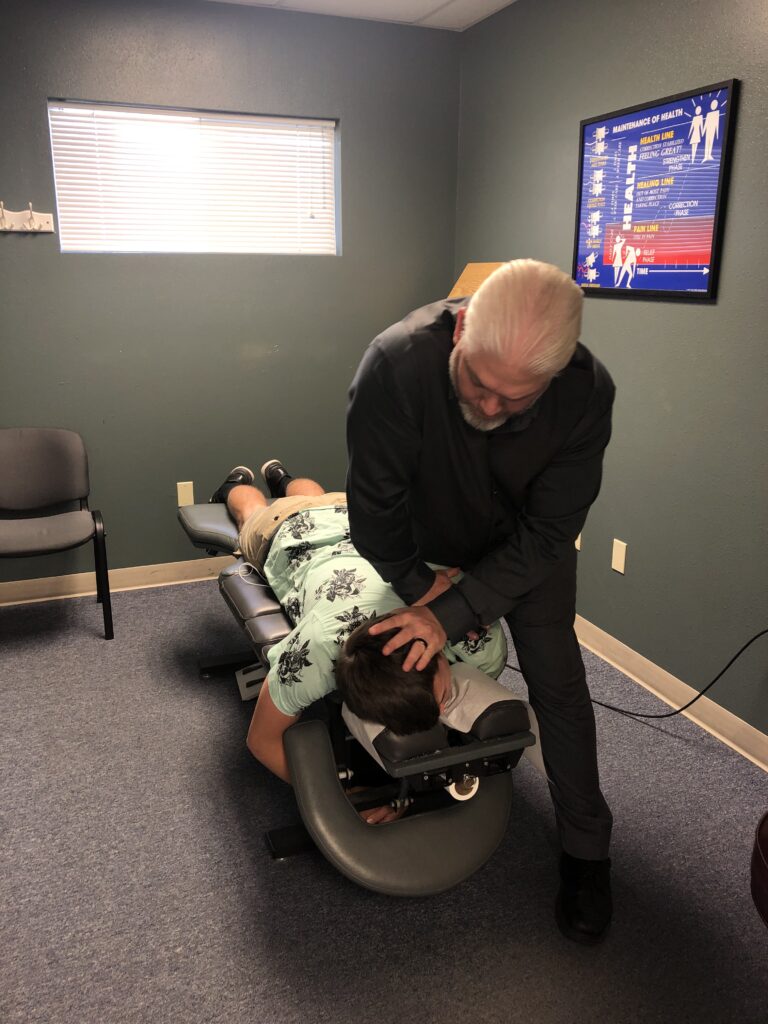

When you think about relaxation and stress relief, you might wonder what natural techniques can truly make a difference. From simple deep breathing exercises to engaging with nature, various methods can help alleviate tension and promote a sense of calm. You may find that practices like mindfulness meditation or yoga not only enhance your well-being but also provide clarity in your daily life. But which techniques resonate most with you, and how can you incorporate them effectively into your routine? Let's explore these options together, as the right approach could transform your stress management.
Deep Breathing Exercises
Practicing deep breathing exercises can be a powerful tool for calming your mind and reducing stress. When you focus on your breath, you shift your attention away from the chaos in your life and create a sense of inner peace. It's simple yet effective, and you can do it anywhere—whether you're at home, at work, or even in a crowded space.
To get started, find a comfortable position. You can sit in a chair or lie down, whatever feels best for you. Close your eyes and take a slow, deep breath in through your nose, allowing your abdomen to expand fully. Hold that breath for a moment, then exhale slowly through your mouth. As you breathe out, imagine releasing any tension or stress you've been holding onto.
Repeat this process for several minutes, focusing solely on your breath. You might also want to try counting your breaths. Inhale for a count of four, hold for four, and exhale for a count of four. This rhythmic pattern helps ground you and enhances your relaxation.
Don't be surprised if your mind wanders; when it does, gently guide your thoughts back to your breath without judging yourself. Incorporating deep breathing exercises into your daily routine can greatly enhance your overall well-being.
It's a quick and effective way to anchor yourself in the present moment, making it easier to handle the challenges that come your way. So, take a few minutes each day to breathe deeply and reap the benefits.
Mindfulness Meditation
Mindfulness meditation offers a simple yet transformative way to cultivate awareness and reduce stress. By practicing mindfulness, you learn to focus on the present moment, letting go of worries about the past or future. This shift in attention helps you gain clarity and insight into your thoughts and feelings, making it easier to manage stress.
To get started, find a quiet space where you won't be disturbed. Sit comfortably with your back straight and your hands resting on your knees or in your lap. Close your eyes gently and take a few deep breaths, allowing yourself to relax. As you breathe, bring your attention to the sensations of your breath entering and leaving your body. Notice the rise and fall of your chest or abdomen.
When thoughts pop up— and they will— acknowledge them without judgment and gently guide your focus back to your breath. This practice trains your mind to be present, reducing anxiety and promoting a sense of calm. Start with just a few minutes each day, gradually increasing the duration as you become more comfortable.
You might also explore guided mindfulness meditation apps or online resources to help you along the way. Consistency is key, so try to incorporate mindfulness into your daily routine.
With time, you'll likely notice a decrease in stress levels and an increased ability to handle challenges with a clearer mind. Embrace this simple practice, and watch how it enhances your overall well-being.
Yoga and Stretching
Yoga and stretching provide an excellent way to release tension and promote relaxation. When you engage in these practices, you're not just moving your body; you're also connecting your mind and breath. This connection can greatly reduce stress levels and enhance your overall well-being.
You don't need to be an expert to start. Begin with simple stretches that target areas where you hold tension, like your neck, shoulders, and back. Just a few minutes a day can make a huge difference.
As you stretch, focus on your breathing. Inhale deeply through your nose, hold for a moment, and exhale slowly through your mouth. This rhythmic breathing complements your movements, helping you to feel more grounded and centered.
Yoga offers a variety of postures, or asanas, that can be tailored to your needs. Whether you choose a gentle flow or a more intense session, the key is to listen to your body. If you feel discomfort, adjust your position or take a break. It's all about finding what feels good for you.
Incorporating yoga and stretching into your daily routine can create a calming effect on your mind. You'll notice that stressors may feel less overwhelming.
Additionally, these practices can enhance flexibility and strength, allowing you to move with greater ease in everyday life. So, roll out your mat, take a deep breath, and let the healing power of yoga and stretching wash over you.
Aromatherapy Benefits
After finding calm through yoga and stretching, you can enhance your relaxation routine with aromatherapy. This holistic practice uses essential oils to promote emotional and physical well-being. By inhaling these fragrant compounds, you can influence your mood, stress levels, and even cognitive function.
Different essential oils offer unique benefits. For instance, lavender is well-known for its calming properties. It can help reduce anxiety and improve sleep quality. If you're feeling sluggish, citrus oils like lemon or orange can boost your energy and elevate your mood. You might also consider using peppermint oil for mental clarity and focus.
To get started, you don't need much. A simple diffuser can disperse essential oils into the air, creating a soothing atmosphere. Alternatively, you can add a few drops of oil to a warm bath or mix it with a carrier oil for a relaxing massage. Just make sure to choose high-quality oils to maximize their benefits.
Incorporating aromatherapy into your routine can transform your relaxation practices. You can create a personalized blend that resonates with your needs.
Whether you're unwinding after a long day or preparing for sleep, the right scent can help ground you and enhance your experience.
Nature Walks
When you step outside for a nature walk, you immerse yourself in the calming sights and sounds of the environment, which can greatly reduce stress and improve your mood. The rustling leaves, chirping birds, and gentle breeze create an atmosphere that invites relaxation. As you walk, your body physically responds to the natural surroundings, helping to lower your heart rate and release tension.
One of the best parts of a nature walk is the opportunity to disconnect from technology and daily distractions. Leave your phone behind or switch it to silent mode. Focus on your surroundings—the colors, shapes, and textures of plants and trees. Pay attention to how the ground feels beneath your feet and the fresh air filling your lungs. This mindfulness enhances your experience and promotes a sense of peace.
Choosing a scenic route can also enhance the benefits. Whether it's a forest trail, a park, or a quiet beach, being in nature stimulates your senses and encourages a deeper connection to the world around you. The beauty of your surroundings can inspire feelings of gratitude and contentment.
You don't need to walk for hours; even a brief stroll can make a difference. Aim for at least 20 minutes to reap the full benefits.
Progressive Muscle Relaxation
Progressive muscle relaxation (PMR) helps you unwind by systematically tensing and relaxing different muscle groups in your body. This technique can be especially beneficial when you're feeling overwhelmed or anxious. To start, find a comfortable and quiet space where you won't be disturbed. Sit or lie down, and take a few deep breaths to center yourself.
Begin with your feet. Tense the muscles in your toes for about five seconds, then release. Focus on the sensation of relaxation that follows. Move on to the arches of your feet, then your calves. As you progress, work your way up your body—paying attention to your thighs, buttocks, abdomen, chest, arms, and finally your facial muscles. For each muscle group, tense for a few seconds, then let go.
As you practice PMR, you'll start to notice the difference between tension and relaxation. This awareness can help you recognize stress in your daily life. If your mind wanders, gently bring your focus back to your body. It's normal to have distracting thoughts, so don't be hard on yourself.
After you've completed the full cycle, take a moment to enjoy the overall sense of calm. PMR can take just 10 to 20 minutes, making it a quick and effective method for stress relief.
Journaling for Clarity
Journaling can be a powerful tool for gaining clarity and managing stress. When you put pen to paper, you create a space for your thoughts and feelings to flow freely. This process allows you to untangle complex emotions and identify what's truly bothering you. Instead of letting worries swirl around in your mind, writing them down helps you confront and analyze them.
Start by setting aside a few minutes each day to jot down your thoughts. You don't need to follow any strict guidelines—just write whatever comes to mind. Whether it's a list of things that stress you out or a narrative about your day, the act of writing itself can be therapeutic. You might discover patterns in your stressors or insights into your emotions that you hadn't noticed before.
Furthermore, journaling can help you clarify your goals. By outlining what you want to achieve, you can break down larger ambitions into manageable steps. This not only alleviates feelings of overwhelm but also gives you a clearer direction moving forward.
After a few weeks of consistent journaling, look back at your entries. You'll likely find that you've gained valuable insights into your stress triggers and coping mechanisms. This reflective practice not only fosters self-awareness but also empowers you to make informed decisions about your life.
Herbal Teas and Remedies
For centuries, herbal teas and remedies have been cherished for their calming effects and ability to promote relaxation. If you're looking to unwind after a long day, brewing a warm cup of herbal tea can be a simple yet effective way to soothe your mind and body.
Certain herbs like chamomile, lavender, and peppermint are known for their relaxing properties. Chamomile tea, for instance, can help reduce anxiety and improve sleep quality, making it a perfect choice before bedtime.
You might also want to explore lemon balm, which has been shown to ease stress and lift your mood. Drinking lemon balm tea can provide a gentle calming effect, helping you feel more centered.
If you prefer a bolder flavor, ginger tea not only warms you up but can also help relieve tension and promote a sense of wellbeing.
Incorporating herbal remedies into your routine doesn't stop at teas. Essential oils derived from calming herbs can be diffused in your space or applied topically (with proper dilution).
Lavender oil, for example, is known for its relaxing scent, which can help ease feelings of stress and anxiety.
Sound Therapy Techniques
Embracing the soothing power of sound can considerably enhance your relaxation routine. Sound therapy techniques utilize different auditory stimuli to promote a sense of calm and well-being. One popular method is listening to nature sounds, like rain, ocean waves, or bird songs. These sounds can transport you to a serene environment, helping to reduce anxiety and induce relaxation.
Another effective technique is binaural beats. This involves listening to two slightly different frequencies in each ear, creating a perceived third tone. Many find that binaural beats help with deep relaxation, meditation, and even improved focus. You can easily find binaural beat tracks online or through various apps designed for relaxation.
You might also explore guided meditation combined with soothing soundscapes. Many meditation apps offer sessions that incorporate calming music or ambient sounds, enhancing your mindfulness practice. This combination can deepen your relaxation experience and promote mental clarity.
For a more immersive experience, consider participating in sound baths. These sessions use instruments like singing bowls, gongs, or tuning forks to create a rich tapestry of sound. The vibrations from these instruments can help release tension and restore balance in your body.
Finally, don't overlook the power of your own voice. Chanting or humming can stimulate your vagus nerve, which is key for relaxation.
Next time you feel stressed, try integrating these sound therapy techniques into your routine. You'll likely find that sound can be a powerful ally in achieving a more relaxed state.
Conclusion
Incorporating natural techniques for relaxation and stress relief into your daily routine can make a significant difference in your well-being. Whether you choose deep breathing exercises, mindfulness meditation, or a calming nature walk, each method brings unique benefits to help you unwind. Don't forget to explore the soothing effects of aromatherapy and sound therapy, too. By embracing these practices, you'll cultivate a greater sense of peace and resilience in the face of life's challenges.