
You might be wondering why you should explore alternative techniques for athletic gains. While traditional training methods have their place, integrating practices like mindfulness, innovative recovery strategies, and even unique strength training can provide a significant edge. These approaches not only enhance your physical performance but also support your mental well-being, which is often overlooked. As you consider these options, think about how they could transform your training routine and overall athletic potential. What if the key to revealing your best performance lies in the unexpected?
Understanding Alternative Techniques
In recent years, athletes have increasingly turned to alternative techniques to boost their performance and recovery. These methods often go beyond traditional training and nutrition, providing innovative ways to enhance your athletic abilities. You might consider techniques such as yoga, meditation, and even acupuncture, which have gained popularity for their holistic approach to physical and mental well-being.
Understanding these alternative techniques requires you to recognize their underlying principles. For instance, yoga emphasizes flexibility and core strength while promoting relaxation and focus. By incorporating yoga into your routine, you can improve your balance and reduce the risk of injury.
Similarly, meditation helps you cultivate mental clarity and resilience, allowing you to handle competition stress more effectively.
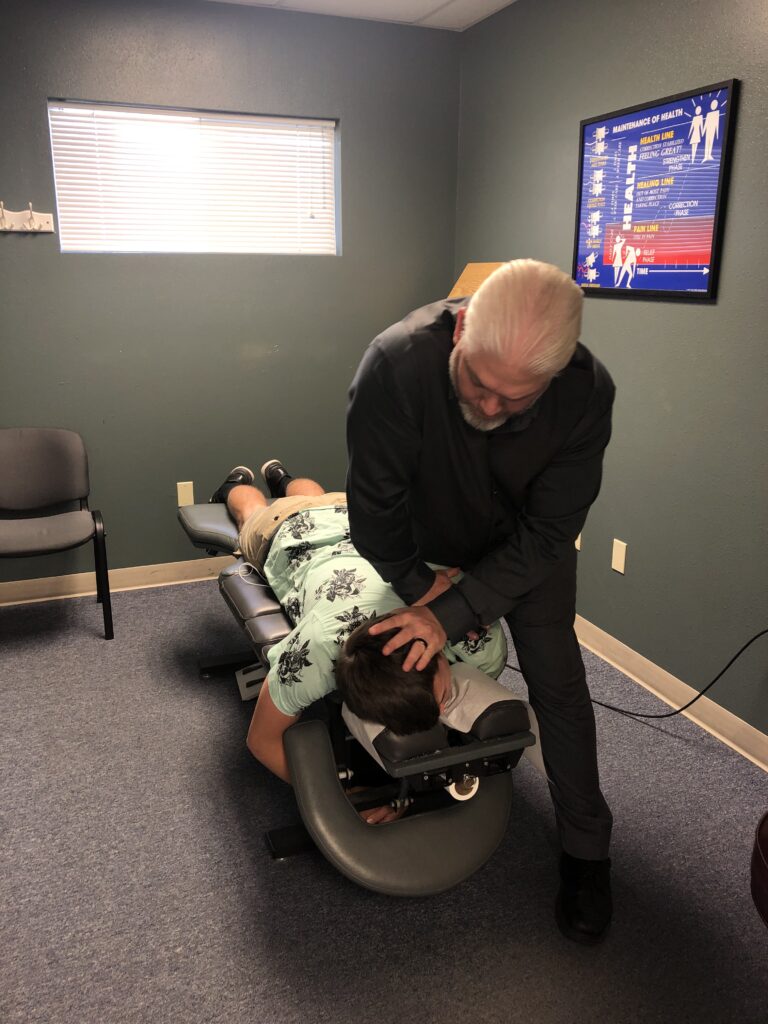
Another technique worth investigating is chiropractic care, which focuses on spinal alignment and overall body function. Regular adjustments can help alleviate pain and improve mobility, ensuring you perform at your best.
Additionally, practices like cryotherapy or massage therapy can aid recovery by reducing inflammation and muscle soreness.
As you explore these alternative techniques, it's important to remain open-minded and experiment with what resonates with you. While some methods may not yield immediate results, others could greatly enhance your performance and recovery over time.
Benefits of Mindfulness Practices
Mindfulness practices offer a myriad of benefits that can greatly enhance your athletic performance. By incorporating mindfulness into your routine, you can improve focus, reduce anxiety, and boost your overall mental resilience. When you're fully present in the moment, you're better equipped to respond to the demands of your sport, whether it's maintaining concentration during a game or executing precise movements in training.
One of the key benefits is enhanced concentration. Mindfulness helps you tune out distractions, allowing you to hone in on your technique and strategy. This heightened awareness not only improves your performance but also fosters a deeper connection to your body and its movements. You'll find that you can push through fatigue and maintain peak performance for longer periods.
Additionally, mindfulness practices can greatly reduce stress and anxiety. As an athlete, high-pressure situations can lead to overwhelming feelings, which may hinder your performance. Regular mindfulness exercises, such as meditation or deep breathing, can help you manage these feelings, enabling you to stay calm and composed under pressure.
Moreover, mindfulness contributes to better recovery. By cultivating a mindful approach to training and rest, you can listen to your body's signals more effectively, preventing injuries and promoting quicker recovery times.
Essentially, integrating mindfulness into your athletic regimen not only sharpens your mental edge but also enhances your physical capabilities, making it a powerful tool for any athlete looking to elevate their game.
Unconventional Strength Training Methods
When you're looking to boost your strength in new ways, unconventional methods like unilateral training and bodyweight exercise variations can make a big difference.
These approaches not only enhance balance and coordination but also engage muscles differently than traditional workouts.
Unilateral Training Benefits
Unilateral training offers a unique approach to strength development by focusing on one limb at a time, which can enhance muscle balance and coordination. This method not only targets individual muscles but also allows you to address strength imbalances that can lead to injury.
By incorporating unilateral exercises into your routine, you'll notice several benefits.
- Increased Muscle Activation: Training one side can activate more muscle fibers, promoting greater strength gains.
- Improved Stability and Core Strength: Unilateral exercises require more core engagement, enhancing overall stability and function.
- Enhanced Coordination: Focusing on one limb helps improve coordination and balance, essential for athletic performance.
- Reduced Risk of Injury: By correcting imbalances, you're less likely to experience overuse injuries, ensuring a safer training regimen.
Incorporating unilateral training can elevate your workouts by promoting more functional strength and enhancing athletic performance.
Bodyweight Exercise Variations
Bodyweight exercise variations present a powerful way to enhance your strength without the need for equipment, tapping into your own body weight for resistance.
These exercises aren't only versatile but can also be tailored to fit your fitness level. You can easily progress from basic movements to more advanced variations, keeping your workouts challenging and engaging.
Consider incorporating push-up variations, such as archer or diamond push-ups, to target different muscle groups. You'll engage your chest, triceps, and shoulders while boosting overall upper body strength.
For your lower body, try pistol squats or single-leg lunges to develop balance and stability alongside strength.
Don't forget about core exercises like plank variations or hollow holds, which can greatly improve your overall athletic performance. By focusing on form and control, you'll build functional strength that translates well into various sports and activities.
You can also create a full-body workout by combining these variations into circuits, enhancing muscular endurance and cardiovascular fitness.
Innovative Recovery Strategies
Innovative recovery strategies are transforming how athletes bounce back after intense training sessions or competitions.
These methods not only help you recover faster but also enhance your overall performance. By incorporating these strategies into your training routine, you can optimize your recovery and maintain peak physical condition.
Here are four innovative recovery strategies you should consider:
- Cryotherapy: By exposing your body to extreme cold, cryotherapy can reduce inflammation and alleviate muscle soreness. It's a quick and effective way to speed up recovery after grueling workouts.
- Active Recovery: Instead of complete rest, engaging in low-intensity exercises like walking or gentle cycling can promote blood circulation. This helps flush out toxins and brings essential nutrients to your muscles, aiding recovery.
- Foam Rolling: Self-myofascial release through foam rolling can help relieve muscle tightness and improve flexibility. Regularly using a foam roller can keep your muscles supple and reduce the risk of injury.
- Nutrition Timing: Refueling your body with the right nutrients immediately after training can enhance recovery. Focus on a balanced intake of carbohydrates and protein to replenish glycogen stores and repair muscle tissue.
Enhancing Mental Resilience
To truly excel in your athletic pursuits, you need to strengthen your mental resilience.
Techniques like mindfulness, visualization, and effective stress management can greatly enhance your performance.
Let's explore how these strategies can help you push through challenges and reach your goals.
Mindfulness and Performance
Mindfulness, in the context of athletic performance, plays an essential role in enhancing mental resilience. By practicing mindfulness, you can improve your focus, manage stress, and cultivate a positive mindset, all of which are vital for peak performance.
It helps you stay present during training and competitions, allowing you to respond effectively to challenges.
Here are four ways mindfulness can enhance your mental resilience:
- Increased Focus: Mindfulness sharpens your concentration, making it easier to tune out distractions and stay engaged in the moment.
- Stress Management: By recognizing and acknowledging your thoughts and feelings, mindfulness helps you manage anxiety and pressure, leading to better performance under stress.
- Emotional Regulation: Mindfulness enables you to observe your emotions without judgment, helping you respond to setbacks with a constructive attitude.
- Enhanced Recovery: Practicing mindfulness can aid in mental recovery post-performance, allowing you to reflect on your experience and learn from it without dwelling on mistakes.
Incorporating mindfulness into your routine can greatly boost your mental resilience, ultimately enhancing your overall athletic performance.
Visualization Techniques Benefits
Many athletes find that visualization techniques can markedly enhance their mental resilience. By mentally rehearsing your performance, you create a strong connection between your mind and body. This process helps you cope with stress and anxiety, particularly before competitions. When you visualize success, you're not just daydreaming; you're training your brain to respond effectively under pressure.
As you practice these techniques, you'll notice an increase in your confidence. Imagining yourself overcoming obstacles allows you to prepare for challenges, making them feel more manageable when they arise. You're fundamentally programming your mind for success, which translates to better focus during pivotal moments.
Visualization also aids in recovery. When you mentally picture yourself healing or performing well, it can foster a positive mindset that promotes physical healing. This mental rehearsal reinforces your belief in your abilities, helping you bounce back from setbacks faster.
Incorporating visualization into your routine can create a powerful mental framework, enabling you to stay calm and focused. By enhancing your mental resilience, you'll be better equipped to tackle whatever challenges come your way, ultimately leading to greater athletic success.
Stress Management Strategies
Amid the pressures of competition, effective stress management strategies can greatly enhance your mental resilience. By developing techniques to cope with stress, you'll not only perform better but also enjoy your athletic journey more.
Here are four strategies you can implement:
- Mindfulness Meditation: Take a few moments daily to focus on your breath and tune into the present. This practice helps clear your mind and reduces anxiety.
- Physical Activity: Engaging in regular exercise outside of your training routine can release endorphins, boosting your mood and reducing stress levels.
- Time Management: Organize your training and personal schedule. Prioritizing tasks helps you feel more in control and less overwhelmed by competition pressures.
- Support Networks: Surround yourself with supportive friends, family, and teammates. Sharing your experiences and concerns can provide valuable perspective and emotional relief.
Nutrition Beyond the Basics
To achieve ideal athletic performance, your nutrition must go beyond just the basics of carbohydrates, proteins, and fats. While these macronutrients are essential, the quality of your food choices and the inclusion of micronutrients can greatly impact your energy levels, recovery, and overall performance.
First, let's talk about micronutrients. Vitamins and minerals play important roles in energy production, muscle contraction, and recovery. For instance, magnesium helps with muscle relaxation and reduces cramping, while vitamin D supports bone health and immune function. Incorporating a colorful variety of fruits and vegetables into your diet guarantees you're getting a broad spectrum of these essential nutrients.
Next, consider hydration. Often overlooked, staying properly hydrated is key for peak athletic performance. Dehydration can lead to fatigue, decreased coordination, and impaired concentration. Make sure you're drinking enough water throughout the day and consider electrolyte-rich beverages during intense workouts or competitions to replenish lost minerals.
Don't forget about timing your meals. Consuming a balanced meal or snack before and after your workouts can greatly affect your performance and recovery. Aim for a combination of carbohydrates and proteins to fuel your body and repair muscle tissue.
Lastly, explore functional foods—like turmeric for its anti-inflammatory properties or omega-3 fatty acids from fish—these can give you an added edge.
The Role of Technology
In today's athletic landscape, technology plays a pivotal role in enhancing performance and training efficiency. You might be surprised at how much you can leverage these advancements to optimize your workouts and achieve your goals faster.
From wearable devices to advanced training software, technology is reshaping how you approach your athletic journey.
Here are four key ways technology can elevate your training experience:
- Wearable Fitness Trackers: These devices monitor your heart rate, steps, and calories burned. By analyzing this data, you can adjust your training intensity and guarantee you're hitting your targets.
- Smart Apps: Training apps can provide personalized workout plans based on your fitness level and goals. They often include video tutorials and progress tracking, making it easier than ever to stay motivated and on track.
- Virtual Reality (VR) Training: VR can simulate competitive environments, allowing you to practice in a safe, controlled setting. This immersive experience can improve your reaction times and decision-making skills during actual events.
- Biomechanical Analysis Tools: These tools analyze your movement patterns, helping you identify areas for improvement. By understanding your biomechanics, you can reduce the risk of injury and enhance your overall performance.
Integrating Techniques Into Training
Integrating various techniques into your training routine can greatly enhance your athletic performance. By blending traditional workouts with alternative methods, you can target different muscle groups, improve recovery, and maximize your potential.
Start by evaluating your current training regimen. Identify areas where you might benefit from new approaches, such as strength training, flexibility, or endurance.
Consider incorporating techniques like high-intensity interval training (HIIT) to boost your cardiovascular fitness and burn fat more efficiently. You might also explore dynamic stretching and yoga to improve flexibility and promote recovery. Mixing these methods with your existing routine can provide a fresh perspective and keep you motivated.
Don't forget about the mental aspect of training. Visualization techniques can enhance focus and mental toughness. Spend a few minutes each day imagining yourself succeeding in your athletic endeavors. This mental rehearsal can translate into improved performance during competitions.
When you introduce new techniques, monitor your progress closely. Keep a training journal to track how different methods affect your performance and recovery. This data will help you make informed decisions about what works best for you.
Finally, be patient. Integrating new techniques takes time, and the benefits may not be immediate. Stay committed and adaptable, and you'll likely see a marked improvement in your athletic performance.
Embrace the journey, explore various methods, and find the perfect blend that suits your specific goals. Your body and mind will thank you for it.
Conclusion
Incorporating alternative techniques into your training can elevate your athletic performance and overall well-being. By embracing mindfulness practices, unconventional strength training, and innovative recovery strategies, you'll not only enhance your physical capabilities but also boost your mental resilience. Don't forget the importance of nutrition and technology in your journey. By integrating these diverse methods, you'll create a well-rounded approach to achieving your athletic goals and maintaining a competitive edge. Start exploring these techniques today!