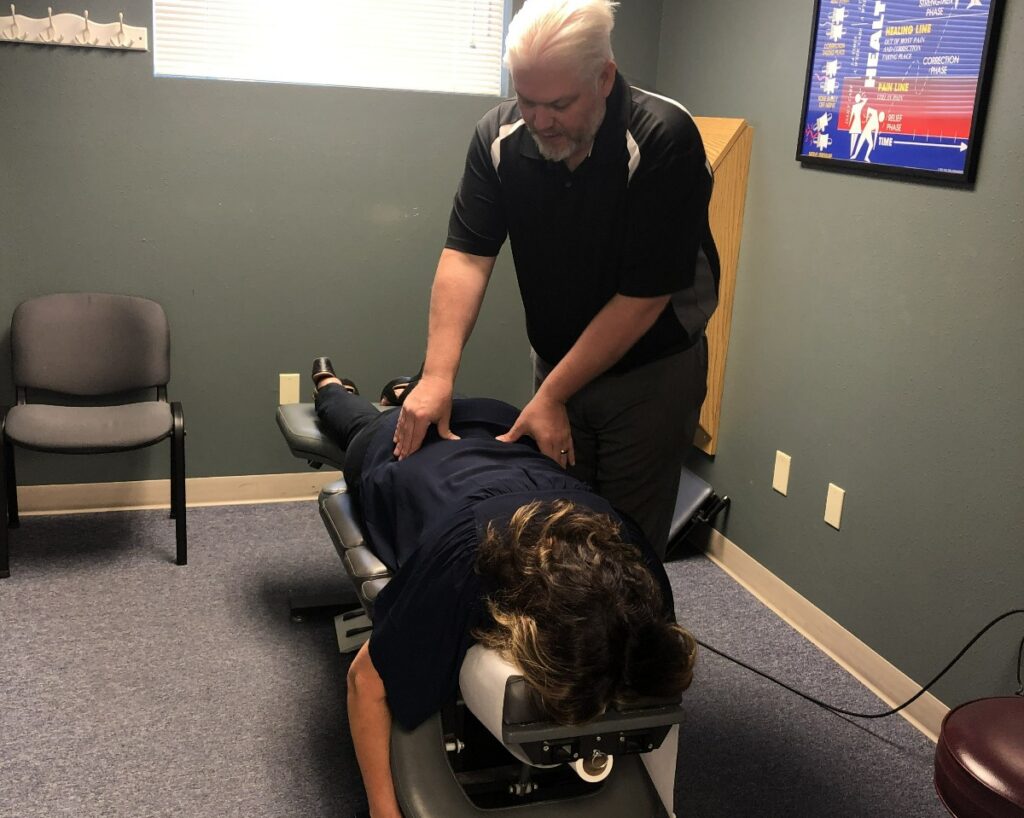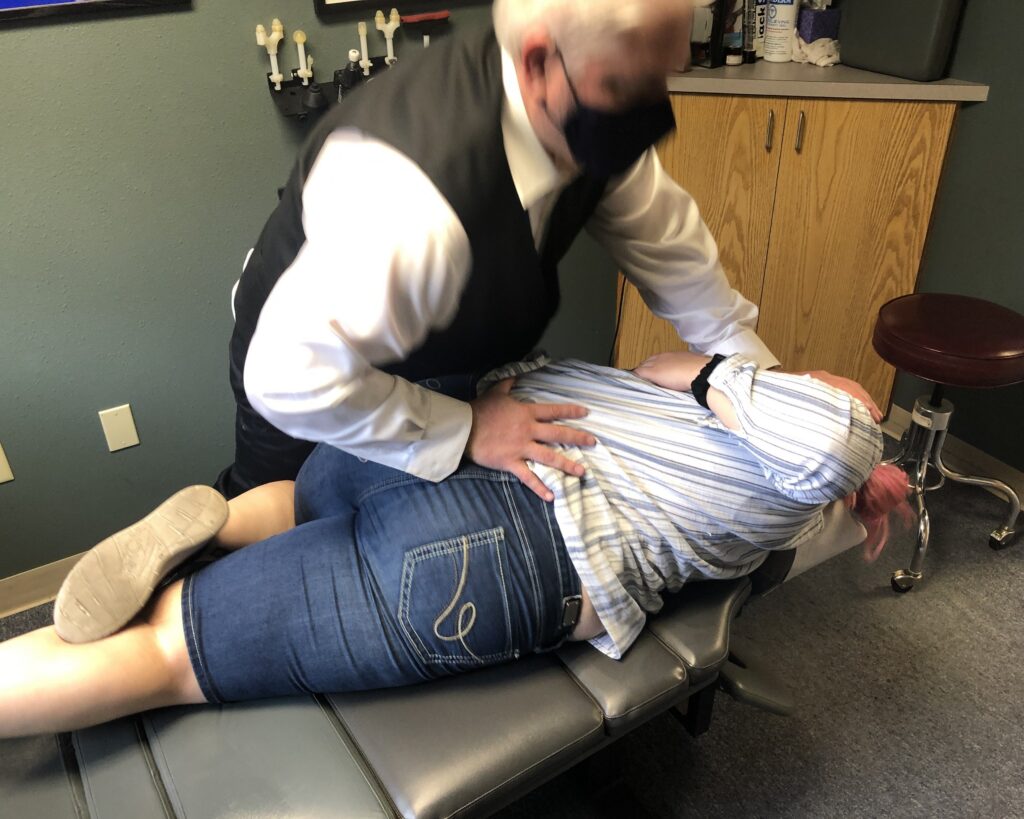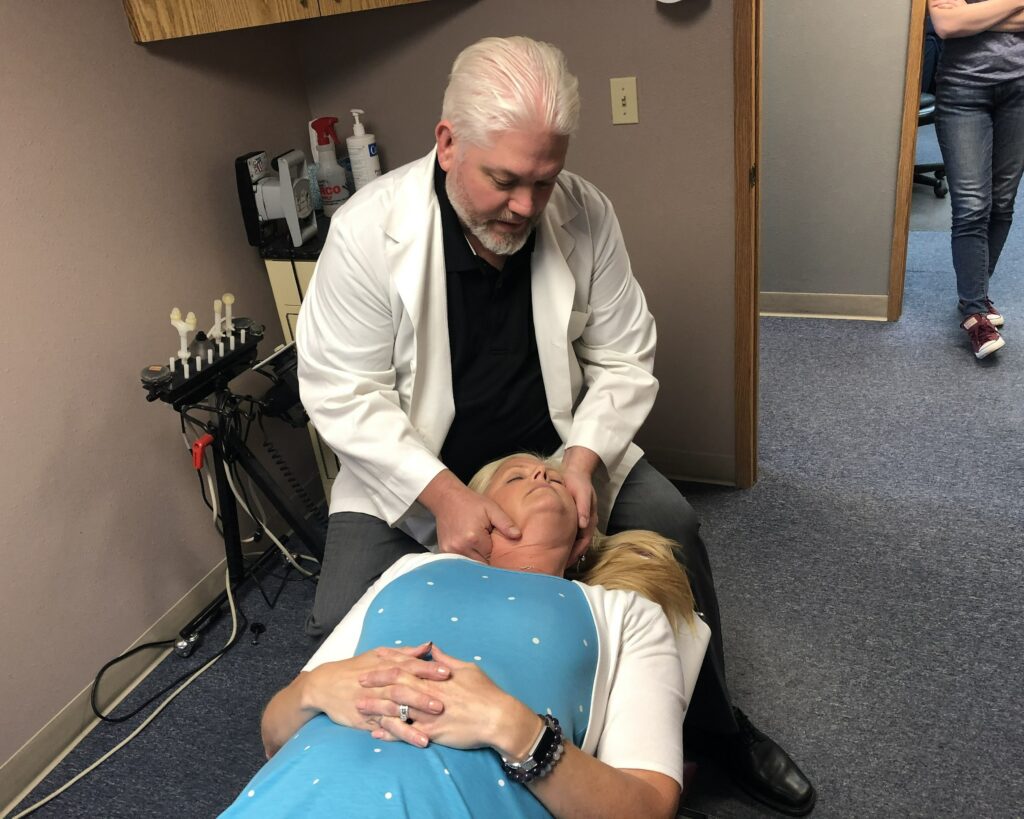

When it comes to your healthcare, opting for customized treatment plans could be a game changer. Tailoring interventions to your unique genetics, lifestyle, and preferences can lead to better outcomes and increased satisfaction. This personalized approach not only aims to enhance treatment effectiveness but also encourages you to be more engaged in your own health journey. As you consider the implications of this tailored approach, you might wonder what specific benefits it could bring to your situation and how it can redefine your path to wellness.
Understanding Personalized Medicine
Personalized medicine, often referred to as precision medicine, tailors medical treatment to the individual characteristics of each patient. This approach considers your genetic makeup, environment, and lifestyle when determining the best course of action for your healthcare. Instead of using a one-size-fits-all method, personalized medicine aims to understand the unique factors that influence your health.
You might find it fascinating that with advancements in technology, medical professionals can analyze genetic information to predict how you'll respond to specific treatments. This means that medications and therapies can be more effectively matched to your individual needs, potentially improving outcomes and minimizing side effects. For instance, if you have a specific genetic marker associated with a disease, doctors can select treatments that are more likely to work for you, rather than relying on standard protocols that mightn't be as effective.
Moreover, personalized medicine isn't just about genetics. It also takes into account other aspects of your life, such as your diet, exercise habits, and even your social environment. By integrating this holistic view of your health, healthcare providers can create a detailed treatment plan tailored specifically for you.
As you explore personalized medicine, remember that it's an evolving field. New discoveries and technologies continually reshape how healthcare is delivered, making it essential for you to stay informed. Engaging with your healthcare provider about personalized options can empower you to take control of your treatment journey.
Benefits of Customized Plans
Customized plans focus on your unique needs, ensuring that your treatment is tailored specifically for you.
This personalization leads to enhanced effectiveness, as strategies can directly target your condition and lifestyle.
When you choose a customized approach, you're investing in a solution that truly fits your life.
Tailored to Individual Needs
The effectiveness of treatment plans considerably improves when they're tailored to individual needs. You're unique, and so are your health challenges, lifestyle, and preferences. A customized treatment plan considers these factors, ensuring that the strategies you follow resonate with your personal circumstances. This personalized approach not only makes the treatment more relevant but also boosts your motivation to stick with it.
When your plan aligns with your specific goals and lifestyle, you're more likely to engage actively in your treatment. You'll find it easier to adhere to prescribed routines, whether they involve medication, exercise, or dietary changes. This level of personalization can lead to better outcomes, as you're more invested in a plan that feels designed for you.
Moreover, by focusing on your unique needs, a tailored plan helps to reduce the risk of side effects or complications. It allows healthcare providers to avoid a one-size-fits-all approach, ensuring that interventions suit your individual health status.
Ultimately, when treatment resonates with you personally, it fosters a better patient-provider relationship, paving the way for open communication and collaboration. This partnership enhances your overall treatment experience, making it more effective and fulfilling.
Enhanced Treatment Effectiveness
Enhancing treatment effectiveness starts with recognizing that every individual responds differently to therapies. When you opt for a customized treatment plan, you're embracing an approach that considers your unique biology, lifestyle, and preferences. This personalized strategy guarantees that the therapies you receive are specifically designed to address your needs, leading to improved outcomes.
By tailoring treatment to your situation, you can experience benefits like reduced side effects and faster recovery times. For instance, if a particular medication isn't working for you, a customized plan allows for quick adjustments, such as changing the dosage or trying an alternative therapy. You won't have to endure a one-size-fits-all approach that may lead to frustration and prolonged suffering.
Moreover, customized plans often encourage a deeper dialogue between you and your healthcare provider. You'll be more involved in decision-making, which can boost your motivation and adherence to the treatment. When you feel empowered, you're likely to engage more actively in your recovery process, enhancing overall effectiveness.
In essence, personalized treatment not only optimizes the care you receive but also aligns it with your specific goals, making your journey toward health more efficient and satisfying.
Tailored Approaches to Treatment
When it comes to your treatment, understanding your individual needs is essential.
You deserve flexible options that adapt to your unique situation, ensuring the best possible outcomes.
Let's explore how tailored approaches can make a real difference in your care.
Individual Needs Assessment
To guarantee effective treatment, evaluating individual needs is fundamental in crafting a personalized approach. Every person's situation is unique, and understanding your specific circumstances allows healthcare providers to tailor interventions that resonate with you.
Through a thorough individual needs assessment, practitioners gather vital information about your medical history, lifestyle, preferences, and goals.
During this assessment, you'll likely discuss your symptoms, any previous treatments, and their outcomes. This dialogue builds a foundation for identifying the most suitable strategies for your care. By actively engaging in this process, you empower yourself and your healthcare team to create a plan that aligns with your values and expectations.
Understanding your emotional and psychological needs is equally important. Incorporating these aspects into your treatment plan helps guarantee that you feel supported throughout your journey. After all, treatment isn't just about addressing physical concerns; it's about enhancing your overall well-being.
Ultimately, an individual needs assessment is the first step toward effective, customized treatment. By taking the time to evaluate your unique needs, you set the stage for a more successful and fulfilling health experience.
Flexible Treatment Options
Flexible treatment options are essential in crafting a plan that truly fits your needs. You're unique, and so are your health challenges, which is why a one-size-fits-all approach often falls short. With customized treatment, you can explore various modalities that work best for you, whether it's medication, lifestyle changes, or alternative therapies.
By incorporating flexible options, you get to choose what aligns with your preferences and lifestyle. Maybe you prefer natural remedies or need a treatment schedule that accommodates your work and family commitments.
The key is to keep the lines of communication open with your healthcare provider, allowing for adjustments as you progress. As you evaluate your treatment plan, consider how often you want to meet for check-ins or whether you'd like to incorporate technology, like telehealth consultations.
These choices empower you to take an active role in your health journey. Ultimately, flexible treatment options not only enhance satisfaction but also improve outcomes by ensuring you stick with the plan.
When you're engaged and comfortable with your treatment, you're more likely to see positive results, leading to a healthier, happier you.
Addressing Unique Health Profiles
Everyone has a unique health profile shaped by factors like genetics, lifestyle, and environment. This individuality means that a one-size-fits-all approach to treatment often misses the mark. When you consider your unique health profile, you'll realize how essential it's to tailor your treatment plan to meet your specific needs.
Genetics play an important role in how your body responds to medications and therapies. For instance, some individuals metabolize drugs faster than others due to genetic variations, impacting the efficacy and safety of standard treatments. By customizing your plan, healthcare providers can identify the best medications that suit your genetic makeup, improving your chances of a successful outcome.
Lifestyle choices, including diet, exercise, and stress management, also shape your health. If you lead an active lifestyle, your treatment plan might emphasize recovery strategies that align with your activity levels. Conversely, if you have a more sedentary routine, your plan may focus on integrating physical activity in a manageable way.
Lastly, environmental factors—like exposure to toxins or living conditions—can greatly affect your health. A customized treatment plan takes these elements into account to address underlying causes rather than merely treating symptoms.
Enhancing Patient Engagement
To truly enhance patient engagement, you need a personalized care approach that resonates with your unique needs.
Improved communication strategies can make you feel more involved and informed about your treatment options.
Personalized Care Approach
A personalized care approach transforms the way you engage with your health. When your treatment plan is tailored specifically for you, it empowers you to take an active role in your healthcare journey. You're not just a passive recipient of care; you become a partner in the decision-making process. This collaboration enhances your understanding of your health needs and treatment options.
With personalized care, your unique preferences, values, and lifestyle are taken into account. You're more likely to feel motivated to adhere to recommendations because the plan resonates with you personally. You're more than just a statistic; your individual story matters. This deepens your commitment to following through with treatments and lifestyle changes.
Moreover, a personalized approach fosters trust between you and your healthcare provider. You're more inclined to ask questions and express concerns, knowing your input is valued. As you engage more openly, it becomes easier for your provider to understand your needs and adjust your plan as necessary.
Ultimately, personalized care leads to greater satisfaction and better health outcomes. You're not only investing in a treatment plan but in your overall well-being.
Improved Communication Strategies
Effective communication strategies are essential for enhancing patient engagement in your healthcare journey. When you feel informed and heard, you're more likely to take an active role in your treatment plan. Start by asking questions during appointments; this not only clarifies your understanding but also shows your healthcare team that you're engaged.
Utilizing digital tools like patient portals can greatly improve communication. These platforms allow you to access your medical records, lab results, and treatment plans anytime. You can also message your healthcare provider directly, making it easier to discuss concerns or updates without waiting for your next appointment.
Moreover, don't hesitate to share your preferences and values regarding your care. Discussing your lifestyle, goals, and any barriers you face helps your healthcare team tailor a treatment plan that suits you best.
Improving Treatment Outcomes
Customized treatment plans play an essential role in improving treatment outcomes for patients. By tailoring your treatment to your specific needs, preferences, and medical history, you can experience more effective care that leads to better health results.
Here are three key ways customized plans enhance your treatment outcomes:
- Personalized Approach: Customized plans consider your unique characteristics, such as genetics, lifestyle, and existing conditions. This personalized approach helps healthcare providers select the most effective interventions for you.
- Increased Engagement: When you're involved in creating your treatment plan, you're more likely to be engaged and committed to the process. This engagement fosters motivation to follow through with prescribed therapies, leading to improved adherence and better results.
- Continuous Monitoring and Adjustment: Customized treatment plans allow for ongoing evaluation and modification based on your progress. Regular assessments mean that if something isn't working, adjustments can be made quickly, ensuring you're always on the best path to recovery.
Opting for a customized treatment plan not only enhances your chances of successful outcomes but also empowers you in your healthcare journey.
You'll feel more in control, informed, and involved, leading to a stronger partnership with your healthcare team. Ultimately, when treatments resonate with your individual needs, you're more likely to achieve the health goals you desire, paving the way for a healthier future.
Cost-Effectiveness of Customization
When it comes to healthcare, the cost-effectiveness of customization can't be overlooked. You might think that tailored treatment plans come with a higher price tag, but that's not always the case. In fact, customized plans can often save you money in the long run. By addressing your specific health needs, these plans can reduce the likelihood of unnecessary treatments and hospitalizations.
When you receive treatment that's uniquely designed for you, it increases the chances of successful outcomes. Think about it: if your healthcare provider understands your specific condition, lifestyle, and preferences, they're more likely to prescribe the right medication or therapy from the get-go. This minimizes the trial-and-error approach often associated with generic treatments, which can lead to wasted resources and increased healthcare costs.
Moreover, customized plans can enhance your overall health and well-being. By focusing on preventive measures and personalized strategies, you're likely to experience fewer complications down the road, which can be financially beneficial.
For example, managing a chronic condition effectively can prevent expensive emergency room visits and ongoing treatments that would otherwise drain your finances.
The Role of Technology
Technology plays a pivotal role in the development of customized treatment plans. With advancements in medical technology, you can expect more precise and effective treatments tailored specifically to your needs.
Here are three ways technology enhances this process:
- Data Analytics: By analyzing vast amounts of patient data, healthcare providers can identify patterns and trends that inform personalized treatment. This data-driven approach guarantees treatments are based on evidence rather than guesswork.
- Wearable Devices: These gadgets monitor your health metrics in real-time, allowing providers to track your progress and adjust treatment plans as needed. Whether it's heart rate, blood sugar levels, or physical activity, wearables provide vital insights that lead to more tailored interventions.
- Telemedicine: With the rise of telehealth, you can easily consult with healthcare professionals from the comfort of your home. This accessibility not only saves time but also enables more frequent check-ins, guaranteeing your treatment plan remains dynamic and responsive to your changing needs.
Incorporating these technological advancements into your treatment plan means you receive care that's not only more effective but also more convenient.
By leveraging these tools, healthcare providers can offer you a customized experience that considers your unique circumstances, preferences, and health goals.
Ultimately, technology streamlines the process, making it easier for you to achieve peak health outcomes while feeling supported throughout your journey.
Patient Empowerment and Choices
Many patients today find themselves more involved in their healthcare decisions than ever before. This shift towards patient empowerment means you have a voice in your treatment options, and that's a significant change. Instead of merely following a healthcare provider's recommendations, you can actively participate in creating a customized treatment plan that aligns with your values and preferences.
When you're empowered to make choices about your healthcare, it leads to a sense of ownership over your health journey. You'll likely feel more motivated to stick to your plan, as you've played a vital role in its development. Knowing you have a say in your treatment can reduce anxiety and increase your confidence in the process.
Additionally, this empowerment allows you to discuss various options with your healthcare provider, guaranteeing that your unique needs are met. You can ask questions, voice concerns, and consider alternative therapies that might be more suitable for you.
Whether it's adjusting medication types, exploring holistic approaches, or determining the best timing for treatments, the options are often vast.
Ultimately, this collaborative approach fosters a stronger relationship between you and your healthcare team. It encourages open communication, helping to guarantee you're fully informed.
With customized treatment plans, your choices matter, and you can take charge of your health in a way that feels right for you. Embrace the opportunity to be an active participant in your healthcare journey!
Case Studies and Success Stories
Real-life examples of customized treatment plans highlight the positive impact of patient empowerment. When you witness how tailored approaches can change lives, it becomes clear why these plans are essential.
Here are three compelling case studies that illustrate the effectiveness of customized treatment:
- Diabetes Management: Sarah, a 32-year-old diagnosed with Type 2 diabetes, struggled with traditional treatment protocols. After collaborating with her healthcare team, she developed a personalized plan that included a specific diet, exercise routine, and medication adjustments based on her lifestyle. Within six months, her blood sugar levels stabilized, and she felt more in control of her health.
- Mental Health Solutions: Mark, a 45-year-old dealing with anxiety and depression, found little relief from standard therapies. By working closely with a mental health professional, he created a customized treatment plan that incorporated cognitive-behavioral therapy, mindfulness practices, and medication tailored to his unique needs. This holistic approach led to significant improvements in his emotional well-being.
- Cancer Treatment Journey: Linda, a breast cancer survivor, faced a challenging prognosis. Her oncologist proposed a customized treatment plan that included targeted therapy and lifestyle changes. This approach not only helped her fight cancer more effectively but also empowered her to take an active role in her healing process.
Today, Linda advocates for personalized treatment options for other patients.
These stories show that customized treatment plans can lead to significant improvements in health outcomes, empowering you to take control of your own journey.
Conclusion
To sum up, opting for customized treatment plans can truly transform your healthcare experience. By tailoring interventions to your unique genetics and lifestyle, you enhance treatment effectiveness while minimizing side effects. This personalized approach not only boosts your engagement but also empowers you to take charge of your health journey. With the support of technology and continuous communication, you can enjoy better outcomes and greater satisfaction in your care. So why settle for one-size-fits-all when you can choose what's best for you?