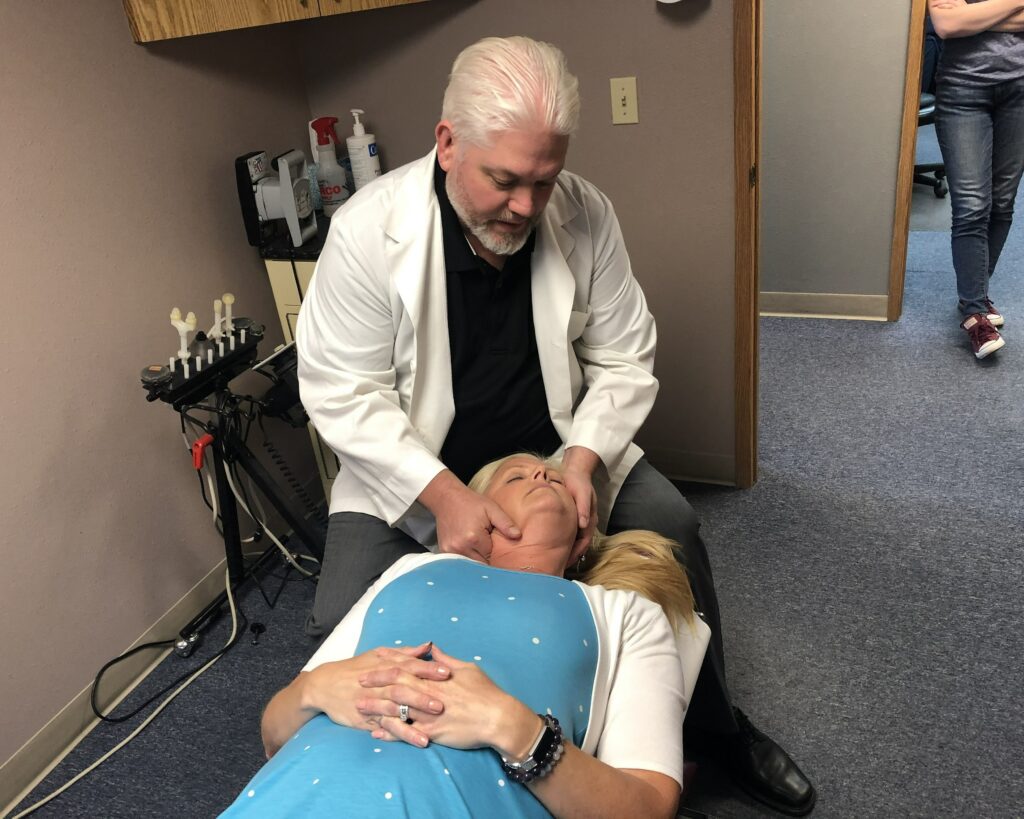

Personalized treatment plans matter because they focus on you as an individual, tailoring healthcare strategies that consider your unique medical history, genetics, and lifestyle. By prioritizing these factors, you're more likely to experience effective treatments and quicker recoveries, minimizing the guesswork often involved in healthcare. This approach not only enhances your engagement with the process but also fosters stronger communication with your healthcare provider. But what does this mean for the future of medicine and your role in it?
Definition of Personalized Treatment Plans
Personalized treatment plans are tailored healthcare strategies designed specifically for individual patients. These plans consider your unique medical history, genetic makeup, lifestyle, and preferences. Rather than applying a one-size-fits-all approach, healthcare providers use a personalized plan to create a roadmap that addresses your specific needs and goals.
When developing your personalized treatment plan, your healthcare team collects extensive information about you. This includes your current health status, existing conditions, and any medications you're taking. They may also assess your family history and conduct genetic testing to gain deeper insights. By integrating this information, they can identify the most effective interventions and therapies tailored to you.
It's important to understand that personalized treatment plans evolve. As your health changes or new information arises, your plan should adapt accordingly. This flexibility allows your healthcare team to monitor your progress closely and make necessary adjustments, ensuring that you're always receiving the best possible care.
Moreover, these plans foster collaboration between you and your healthcare providers. By actively engaging in discussions about your treatment, you can voice your preferences and concerns. This partnership not only enhances your understanding of the treatment process but also empowers you to take an active role in your own health journey.
Benefits for Patient Outcomes
Personalized treatment plans can greatly boost your health outcomes by improving treatment efficacy tailored to your specific needs.
You'll also find that these plans enhance your engagement in the process, making you an active participant in your own care.
With strategies designed just for you, managing your health becomes more effective and satisfying.
Improved Treatment Efficacy
When treatments are tailored to your unique needs, you're more likely to experience better outcomes. Personalized treatment plans consider your specific condition, genetic makeup, lifestyle, and preferences, leading to more effective interventions. This means that instead of a one-size-fits-all approach, you receive therapies specifically designed to target your health issues.
By focusing on your individual characteristics, healthcare providers can identify the most effective medications or therapies for you. This reduces the chances of trial and error, which can delay your recovery and increase frustration. When you receive the right treatment from the start, you're more likely to see improvements in your symptoms and overall health.
Moreover, personalized plans can minimize side effects, as treatments are chosen with your unique biology in mind. This means you can maintain a higher quality of life during your treatment process.
Improved treatment efficacy doesn't just benefit your health; it also fosters trust in your healthcare team, knowing they're committed to your specific needs. In the end, when treatments align with who you are, you're not just another patient; you're an individual on the path to better health.
Enhanced Patient Engagement
Engaging patients in their treatment plans greatly boosts health outcomes. When you take an active role in your care, you're more likely to understand your condition and the steps needed for recovery. This understanding builds your confidence, making you more likely to adhere to the prescribed treatment.
Personalized treatment plans encourage you to ask questions and express concerns, fostering a collaborative relationship with your healthcare provider. This collaboration means your concerns are addressed, and your preferences are considered, leading to a more satisfying healthcare experience.
Moreover, when you're engaged, you're more motivated to make lifestyle changes that enhance your health. Whether it's sticking to a medication regimen or adopting healthier habits, your commitment can profoundly impact your recovery and overall well-being.
Additionally, enhanced engagement often leads to better communication with your healthcare team. You'll feel empowered to share your feedback, which can improve the effectiveness of your treatment.
Ultimately, when you actively participate in your care, the chances of achieving better health outcomes increase, paving the way for a healthier, more fulfilling life.
Tailored Health Strategies
Tailored health strategies can markedly enhance patient outcomes by addressing individual needs and preferences. When you receive a treatment plan designed just for you, it's not just about the science; it's about your life, your experiences, and your goals. This personalized approach can lead to significant improvements in your health journey.
Here are three key benefits of tailored health strategies:
- Increased Adherence: When your treatment plan aligns with your lifestyle, you're more likely to stick to it. This means better results and fewer setbacks.
- Improved Communication: Tailored strategies foster open dialogue between you and your healthcare provider. You'll feel heard and understood, which can lead to more effective treatments.
- Enhanced Satisfaction: Knowing that your plan is customized for you can boost your confidence in the process, leading to a more positive outlook and better emotional well-being.
Incorporating these personalized elements into your care not only supports your physical health but also nurtures your emotional and mental well-being.
Ultimately, tailored health strategies empower you to take control of your health and achieve the best possible outcomes.
Importance of Patient History
Understanding your thorough medical background is essential for creating effective treatment plans.
By sharing your history, healthcare providers can tailor approaches that suit your unique needs and identify potential risk factors.
This personalized attention not only enhances your care but can also lead to better health outcomes.
Comprehensive Medical Background
A thorough medical background is essential for creating effective personalized treatment plans. When you share your complete medical history, healthcare providers can better understand your unique needs, leading to improved outcomes.
Without this vital information, you risk receiving a one-size-fits-all approach that may not address your specific health concerns.
Here are three reasons why your medical history matters:
- Identifying Patterns: Your past illnesses and treatments offer insights into what works for you and what doesn't, helping to avoid ineffective therapies.
- Understanding Risk Factors: Knowing your family's medical history can highlight potential genetic conditions, allowing for proactive monitoring and prevention strategies.
- Enhancing Communication: A detailed medical background fosters better discussions with your healthcare team, ensuring everyone is on the same page about your treatment plan.
Tailored Treatment Approaches
Personalized treatment approaches rely heavily on your medical history to guarantee the best outcomes. When healthcare providers understand your past illnesses, treatments, and responses, they can design a plan that suits you perfectly.
This isn't just about knowing whether you've had any surgeries or been prescribed medications; it's about understanding how your body reacts to different therapies.
For instance, if you've experienced side effects from certain medications before, your doctor can avoid those options and choose alternatives that are more likely to be effective and well-tolerated.
Your history also includes lifestyle factors such as diet, exercise, and stress levels, which can considerably influence your treatment plan.
Moreover, your family medical history plays an important role. Knowing if conditions run in your family can help tailor your treatment, as certain therapies may work better for you based on genetic predispositions.
Identifying Risk Factors
Your medical history is an essential tool in identifying risk factors that could affect your health. When you share your past experiences, conditions, and family history with your healthcare provider, you help them paint a complete picture of your well-being.
This understanding is critical for crafting a personalized treatment plan that suits you.
Here are three key reasons why your history matters:
- Uncover Hidden Risks: Certain conditions can run in families. By knowing your family's health background, your provider can better assess your risk for diseases like diabetes or heart disease.
- Tailored Prevention Strategies: If you've had allergies or specific health issues in the past, your doctor can design preventive measures to avoid complications or flare-ups in the future.
- Effective Treatment Choices: Understanding your previous responses to medications or treatments helps your provider select options that are more likely to be effective for you, minimizing trial and error.
Role of Genetics in Treatment
Genetics plays an essential role in shaping how individuals respond to treatments. When you understand your genetic makeup, you can gain valuable insights into how your body might react to certain medications or therapies. This knowledge helps healthcare providers tailor treatment plans that are more effective and have fewer side effects.
For instance, some people metabolize drugs differently due to genetic variations, affecting the drug's efficacy. If you have a genetic predisposition to metabolize a medication quickly, it mightn't work as well for you, while others may experience adverse effects.
Moreover, genetic testing can identify specific mutations that may influence your condition. For example, in cancer treatment, certain genetic markers can predict how well a particular therapy will work. By knowing these details, your doctor can select targeted therapies that are more likely to succeed, rather than using a one-size-fits-all approach.
Additionally, understanding your genetic background can help in predicting the likelihood of developing side effects or complications during treatment. This proactive approach allows for adjustments in dosages or the choice of therapies, enhancing your overall treatment experience.
Enhancing Patient Engagement
Recognizing the importance of patient engagement is crucial in creating effective treatment plans. When you actively participate in your healthcare, you're not just a passive recipient; you become an empowered partner in your own healing process. This partnership can lead to better health outcomes and a more satisfying healthcare experience.
To truly enhance patient engagement, consider these key factors:
- Open Communication: When you feel comfortable asking questions and expressing your concerns, it strengthens your relationship with your healthcare provider. Open dialogue fosters trust and guarantees that your treatment plan aligns with your values and preferences.
- Personalized Information: You deserve information tailored to your specific condition and treatment plan. When healthcare providers share relevant details that resonate with your situation, it inspires you to take ownership of your health journey, making you feel valued and understood.
- Active Participation: Engaging in shared decision-making can greatly impact your treatment outcomes. When you're involved in choices about your care, you're more likely to adhere to the plan and feel a sense of control over your health.
Collaborative Healthcare Approaches
Collaborative healthcare approaches are crucial for delivering effective treatment plans that prioritize patient needs. When you engage in a partnership with your healthcare team, you tap into a wealth of expertise and perspectives, enhancing your overall care experience. This teamwork not only helps you feel more involved in your treatment but also leads to more tailored solutions.
In a collaborative environment, communication is key. You'll find that sharing your symptoms, concerns, and preferences openly with your doctors, nurses, and specialists allows them to create a plan that truly reflects your unique situation. This two-way exchange fosters trust and understanding, making it easier for you to voice any changes or issues as your treatment progresses.
Moreover, collaborative approaches can help bridge gaps in care. When all members of your healthcare team are on the same page, you're less likely to encounter conflicting advice or duplicated efforts. This coordination often results in improved outcomes, as the team can adjust your treatment plan based on real-time feedback and new information.
It's also beneficial to involve your family or caregivers in this process. Their insights can provide additional context about your lifestyle, preferences, and challenges. This holistic view empowers your healthcare providers to craft a more thorough treatment plan that aligns with your life.
In essence, embracing collaborative healthcare approaches not only enhances the quality of your care but also guarantees that your treatment plan is as personalized and effective as possible.
Future of Personalized Medicine
The landscape of healthcare is rapidly evolving, and personalized medicine is at the forefront of this transformation. You might be wondering what the future holds for this innovative approach. As technology advances and our understanding of genetics deepens, personalized medicine is set to revolutionize how we treat various conditions, tailoring solutions to fit individual patients like you.
Imagine a future where:
- Tailored Treatments: Instead of a one-size-fits-all approach, you'll receive therapies designed specifically for your genetic makeup, lifestyle, and preferences. This means more effective treatments and fewer side effects.
- Predictive Analytics: Healthcare providers will leverage data to predict your health risks before they become critical. You'll be empowered to take preventive measures that could dramatically enhance your quality of life.
- Enhanced Patient Engagement: With personalized medicine, you'll actively participate in your treatment decisions. Understanding your unique health profile will lead to better communication with your healthcare team, ensuring that your voice is heard.
As we look ahead, it's clear that personalized medicine won't only improve treatment outcomes but also foster a deeper connection between you and your healthcare journey.
You'll no longer feel like just a number; instead, you'll be recognized as a unique individual with specific health needs. Embracing this future means a more compassionate healthcare system that puts you at its center, transforming the way you experience medicine.
Conclusion
To sum up, personalized treatment plans are essential for optimizing your healthcare experience. By considering your unique medical history, genetics, and lifestyle, these tailored approaches improve treatment effectiveness and foster better communication with your healthcare team. You're more likely to engage actively in your care, leading to quicker recoveries and healthier outcomes. As personalized medicine continues to evolve, embracing these individualized strategies will empower you to take control of your health journey and achieve the best possible results.