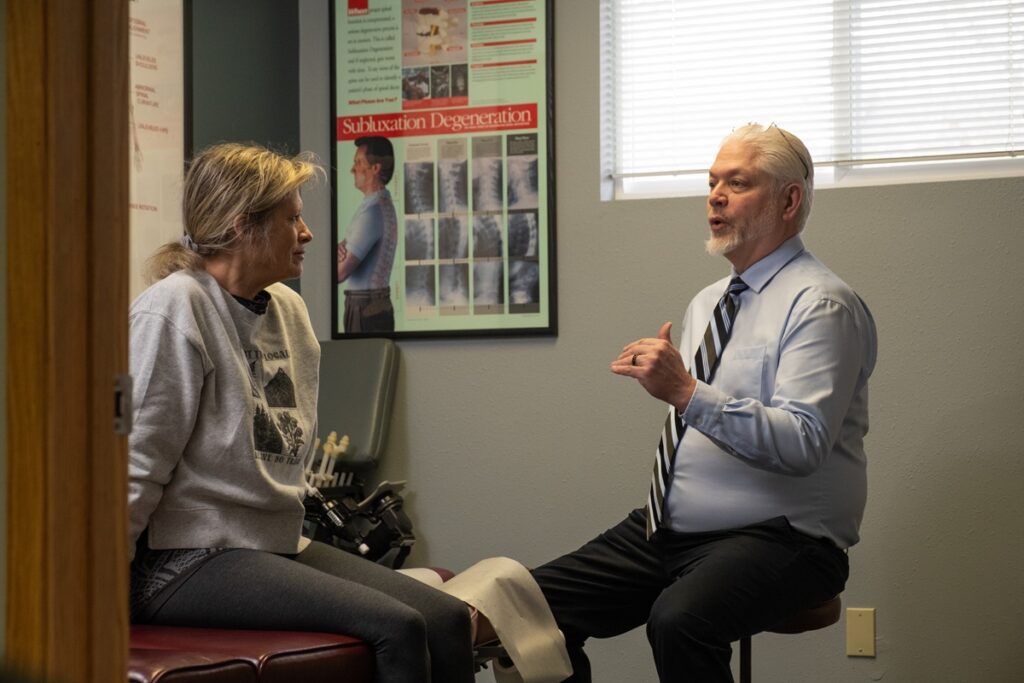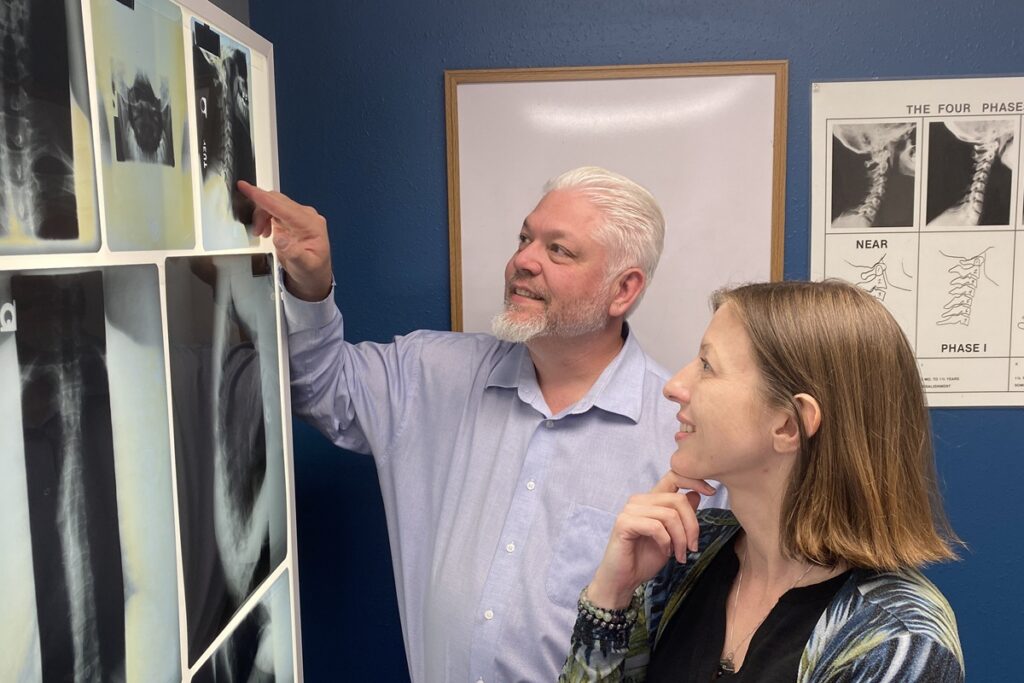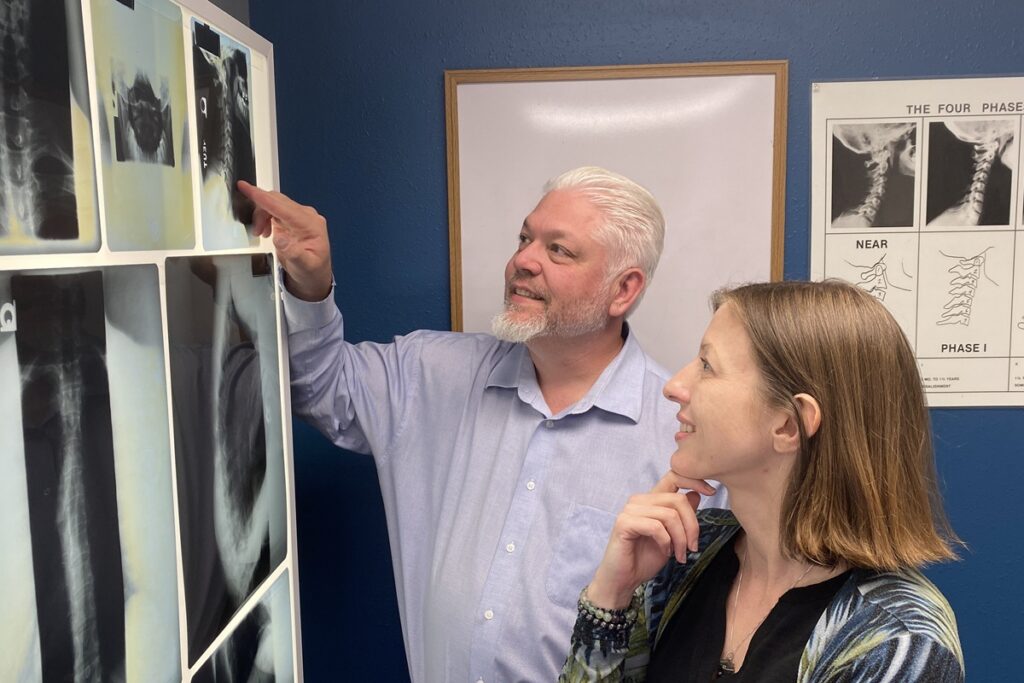

As a local chiropractor, I want to emphasize how crucial preventive care is when it comes to managing chronic pain. Many people may not realize that taking a proactive approach can truly make a difference in your health journey. By being attentive to your body and identifying potential issues early on, we can implement effective interventions that not only alleviate pain but also improve your overall well-being.
One of the key aspects of preventive care is making lifestyle changes that support your health. This includes regular chiropractic adjustments, which help to align your spine and improve your nervous system function. Alongside these adjustments, I encourage regular screenings to monitor your progress and catch any emerging issues before they become significant problems.
Moreover, self-management techniques—such as exercises, stretches, and mindfulness practices—can empower you to take control of your pain. It's essential to understand that by incorporating these strategies into your routine, you can experience a more meaningful difference in your daily life. If you're not familiar with chiropractic care and natural healing, I invite you to explore how these approaches can help you manage chronic pain effectively. Together, we can work towards a healthier, pain-free future.
Understanding Chronic Pain
Chronic pain is a condition that often persists long after an injury or illness has healed, and it can be a significant hurdle for many individuals. As your local chiropractor, I want to help you understand this complex issue and how chiropractic care can play a role in your healing journey. If you're dealing with discomfort that doesn't seem to fade, it can affect your daily activities, work, and relationships.
Unlike acute pain, which acts as a warning sign for immediate injury, chronic pain can linger beyond the expected healing time and may stem from various underlying issues, including musculoskeletal problems. Conditions like arthritis, fibromyalgia, or nerve damage are just a few examples of what could contribute to your experience of chronic pain. The sensations associated with chronic pain can vary widely, ranging from dull aches to sharp, shooting pains, and it often comes with additional challenges such as fatigue, sleep disturbances, and mood changes.
It's crucial to recognize that chronic pain isn't just a physical struggle; it also impacts your mental and emotional well-being. Frustration, anxiety, and depression can emerge as you navigate the limitations chronic pain imposes on your life.
One of the first steps in addressing chronic pain is identifying potential triggers. I encourage you to keep a diary to track activities or situations that exacerbate your discomfort. This information can be incredibly valuable not only for you but also for your healthcare provider as we work together to identify patterns and create a personalized management plan.
Additionally, it's important to understand that avoiding activities due to pain can lead to a detrimental cycle, further diminishing your quality of life. Through our chiropractic care approach, we can work on strategies to alleviate your pain and gradually reintroduce activities you enjoy.
The Role of Preventive Care
As your local chiropractor, I want to emphasize the vital role that preventive care plays in managing chronic pain. By focusing on early intervention and making lifestyle modifications, we can take significant steps toward improving your health.
Regular health screenings allow us to identify potential issues before they escalate into more serious problems.
In chiropractic care, we believe that proactive strategies not only help reduce pain but also enhance your overall well-being.
By incorporating lifestyle changes and regular adjustments into your routine, you can experience a healthier, more balanced life.
Let's work together to prioritize your health and prevent pain before it starts!
Early Intervention Benefits
As a local chiropractor, I want to emphasize the incredible benefits of early intervention when it comes to managing pain and enhancing your quality of life. If you notice any signs of discomfort or pain, addressing them promptly is crucial. By doing so, you can prevent minor issues from escalating into chronic conditions, allowing you to maintain your daily activities and overall well-being.
Engaging in early intervention opens the door to a variety of treatment options tailored specifically to your needs. Chiropractic care, along with other natural healing methods, can effectively address your pain. The sooner you seek help, the better chance we've to find the right approach for you. This proactive strategy allows me to monitor your progress and adjust your treatment plan as necessary, ensuring optimal results.
Furthermore, early intervention can significantly alleviate the emotional burden that often accompanies pain. By addressing your discomfort early on, you reduce the risk of developing anxiety or depression associated with chronic pain.
Taking control of your health through chiropractic care empowers you, giving you the confidence to live a fuller, more active life. Remember, it's never too early to seek help—your journey to wellness starts with a single step.
Lifestyle Modification Strategies
As a chiropractor, I want to emphasize how small adjustments to your daily habits can significantly enhance your pain management and overall well-being. Embracing lifestyle modifications is vital not only for preventing chronic pain but also for elevating your quality of life.
First and foremost, let's talk about the importance of incorporating regular physical activity into your daily routine. You don't need to engage in intense workouts; even short walks or gentle stretching exercises can yield remarkable benefits. Aim for at least 30 minutes of moderate exercise most days of the week. This can help elevate your mood and alleviate stiffness, which is essential for maintaining a healthy spine and musculoskeletal system.
Next, let's focus on nutrition. A well-balanced diet filled with fruits, vegetables, whole grains, and lean proteins can play a crucial role in reducing inflammation and supporting your body's natural healing processes. Staying well-hydrated is equally important; drinking enough water is fundamental for your overall health and can aid in the healing process.
Don't overlook the power of quality sleep. Prioritizing 7-9 hours of restorative sleep each night is essential for your body to recover and manage pain more effectively.
Additionally, implementing stress management techniques, such as mindfulness or meditation, can be incredibly beneficial. Managing stress is key to reducing its negative impact on your pain levels.
Finally, I encourage you to cultivate social connections. Spending time with friends and family can offer vital emotional support, which is crucial for your mental health.
Regular Health Screenings
As a local chiropractor, I want to emphasize the importance of regular health screenings in your journey toward managing chronic pain effectively. These screenings serve as vital tools that can help identify potential health issues before they develop into more significant problems.
By regularly monitoring key health indicators such as blood pressure and cholesterol levels, you can gain valuable insights into your overall well-being and how it might affect your pain levels.
In my practice, I often see how conditions like diabetes or arthritis can play a role in chronic pain. The earlier these issues are detected through screenings, the more treatment options you have at your disposal. Staying proactive about your health empowers you to collaborate with your healthcare provider in making informed decisions tailored to your needs.
Moreover, regular screenings can also guide you in making lifestyle changes that may alleviate your discomfort. For example, if your results show weight gain, we can discuss dietary adjustments or increased physical activity, both of which can help reduce pressure on your joints and minimize pain.
Ultimately, regular health screenings are foundational for preventive care. They not only assist you in managing chronic pain but also enhance your overall quality of life by keeping you informed and engaged in your health journey.
Embracing this proactive approach can lead to more effective chiropractic care and natural healing.
Benefits of Regular Exercise
As a local chiropractor, I want to emphasize the profound impact that regular exercise can have on your overall well-being. Engaging in physical activity not only improves your mobility and flexibility, making everyday tasks more manageable, but it also plays a crucial role in enhancing your mental health.
Many of my patients have reported that staying active helps alleviate stress and anxiety, contributing to a more balanced emotional state.
Incorporating exercise as a part of your routine can also serve as an effective pain management strategy. By strengthening your body and improving your posture, you can experience greater comfort in your daily life.
Remember, a holistic approach to health, including proper movement and chiropractic care, can lead to a more fulfilling and pain-free existence.
Let's work together to make exercise a key component of your journey toward better health!
Enhanced Mobility and Flexibility
As a local chiropractor, I want to share how consistent exercise can significantly improve your mobility and flexibility, both of which are crucial for managing chronic pain. When you make movement a priority, you may find that your daily life transforms for the better. Increased flexibility can help reduce stiffness, making everyday tasks much easier to accomplish.
Let's explore some of the emotional benefits that come with improved mobility:
- Rediscover joy in activities you once cherished, whether it's playing with your kids, going for long walks, or engaging in hobbies you love.
- Feel empowered as you gain greater control over your body and daily routines, allowing you to live life on your terms.
- Experience relief from the frustration that chronic pain often brings, opening up the possibility for a more fulfilling and active life.
Incorporating stretching, strength training, and low-impact exercises into your routine can significantly enhance your range of motion. As you engage in these activities, your body releases endorphins, which not only alleviate pain but also boost your overall sense of well-being.
Remember, every small step counts. By committing to regular exercise, you're investing not only in your physical health but also in a more vibrant and satisfying life.
Improved Mental Health
As a local chiropractor, I want to emphasize the importance of improving your mobility and flexibility through consistent exercise, not only for your physical health but also for your mental well-being.
When you engage in regular physical activity, your body releases endorphins, commonly known as "feel-good" hormones. This natural chemical boost can significantly elevate your mood while helping to alleviate feelings of anxiety and depression.
Exercise serves as an effective stress reliever. When you move your body, you're not just working out; you're providing your mind with a break from daily stresses. This mental shift is crucial, as it offers a refreshing reset, allowing you to see life from a more positive perspective.
Moreover, the sense of accomplishment you experience after completing a workout can profoundly enhance your self-esteem and confidence. You begin to appreciate your own strength and resilience, which can positively influence other aspects of your life.
Regular exercise also encourages social connections, whether through group fitness classes or engaging in outdoor activities. These interactions are vital for your mental health, as they help to combat feelings of isolation and loneliness.
At our chiropractic practice, we believe that prioritizing exercise is essential for achieving significant improvements in your mental well-being.
Integrating movement into your daily routine is a natural way to enhance both your physical and mental health, making it a vital component of managing chronic pain and achieving overall wellness.
Pain Management Techniques
As a chiropractor, I want to share how a consistent exercise routine can be transformative in managing chronic pain. Engaging in regular physical activity not only strengthens your body but also plays a vital role in reducing pain levels and enhancing your overall quality of life. You may be amazed at how much relief you can experience by simply integrating movement into your daily routine.
Here are some emotional benefits you might discover through regular exercise:
- Empowerment: Taking charge of your pain empowers you to reclaim control over your life and well-being.
- Connection: Participating in group classes or activities can help you build social connections, which is essential in overcoming feelings of isolation that often accompany chronic pain.
- Hope: Witnessing progress in your fitness journey can instill hope for a brighter, pain-free future.
Exercise stimulates the release of endorphins, which are the body's natural pain relievers. This can elevate your mood and alter your perception of pain.
Whether it's walking, swimming, or practicing yoga, I encourage you to find an activity you enjoy and commit to it. It's important to remember that you don't need to exert yourself excessively; consistency is what truly matters.
Importance of Nutrition
As a local chiropractor dedicated to helping you manage chronic pain, I want to emphasize the crucial role nutrition plays in your overall health and well-being. The foods you choose to eat can significantly impact your pain levels, either worsening or alleviating your symptoms. That's why it's vital to focus on a balanced diet that includes anti-inflammatory foods such as fruits, vegetables, whole grains, and healthy fats. These foods can help reduce inflammation in your body, which is often a major contributor to chronic pain.
Many of my patients have discovered that certain foods can trigger their pain or discomfort. Common offenders include processed foods, sugary snacks, and excessive consumption of red or processed meats. Keeping a food diary can be a helpful tool for identifying these triggers, allowing you to make more informed dietary choices.
Additionally, staying well-hydrated is vital; drinking enough water supports your bodily functions and can prevent pain associated with dehydration.
Some specific nutrients are particularly beneficial for pain management. For instance, omega-3 fatty acids found in fish like salmon and flaxseeds possess anti-inflammatory properties that can help ease pain. Antioxidants, which are plentiful in berries and leafy greens, can combat oxidative stress, a factor that may contribute to chronic pain.
Moreover, I can't stress enough the importance of maintaining a healthy weight. Carrying excess weight can place additional strain on your joints, leading to increased pain. By making mindful dietary choices, you not only enhance your nutrition but also take a significant step toward effectively managing your chronic pain.
Stress Management Techniques
As a local chiropractor, I want to emphasize that managing chronic pain goes beyond just physical adjustments; stress is a significant factor that can influence how you feel. When you experience stress, your body releases hormones that may intensify pain and create additional tension.
That's why it's crucial to integrate effective stress management techniques into your daily routine, as they can help alleviate these negative effects and enhance your overall well-being.
Here are some practical strategies you can incorporate:
- Mindfulness Meditation: This technique encourages you to anchor your thoughts in the present moment, allowing you to detach from sensations of pain and anxiety. It's a wonderful way to promote mental clarity and relaxation.
- Deep Breathing Exercises: By focusing on slow, deep breaths, you can engage your body's natural relaxation response. This helps to ease tension and can significantly alter your perception of pain.
- Physical Activity: Light exercise isn't just beneficial for your muscles and joints; it also releases endorphins—your body's natural mood elevators. This can lower stress levels and improve your overall sense of well-being.
Finding the right techniques for you is a personal journey. You might find that a blend of these practices works best.
It's perfectly fine to start small; even dedicating just a few minutes a day to mindfulness or deep breathing can lead to noticeable improvements in how you feel.
Long-Term Outcomes of Prevention
As your local chiropractor, I want to emphasize the vital role preventive care plays in achieving long-term relief from chronic pain. By adopting proactive measures, you can significantly decrease the chances of experiencing painful flare-ups and the worsening of chronic conditions. This includes incorporating regular physical activity into your routine, eating a balanced diet, and finding effective ways to manage stress.
By prioritizing these healthy habits, you not only improve your overall well-being but also establish a strong foundation for managing pain naturally.
One of the most significant benefits of preventive care is the enhancement of your quality of life. With consistent attention to your health through chiropractic adjustments and lifestyle changes, you may find yourself able to engage in activities that once felt out of reach. This newfound ability can greatly impact your mental health, resulting in greater happiness and reduced feelings of anxiety.
Additionally, investing in preventive care can lead to fewer medical interventions in the future. By addressing potential health concerns early on, you can often avoid invasive treatments or long-term reliance on medications that come with unwanted side effects. This means not only sparing yourself from unnecessary physical discomfort but also saving your hard-earned money.
Finally, engaging in preventive care empowers you to take control of your health journey. When you actively participate in your pain management through chiropractic care and healthy lifestyle choices, you cultivate a proactive mindset.
This sense of empowerment can enhance your resilience and motivation, making it easier for you to stick with your preventive regimen. Together, we can work towards a healthier, pain-free future.
Conclusion
As your local chiropractor, I want to emphasize the importance of incorporating preventive care into your daily routine, especially when it comes to managing chronic pain. By focusing on regular screenings, maintaining an active lifestyle, nourishing your body with healthy foods, and effectively managing stress, you can take control of your health and alleviate pain levels.
Chiropractic care is all about proactive strategies that enhance your overall well-being. Through adjustments and holistic practices, we aim to not only relieve pain but also improve your quality of life in the long run. It's never too late to start prioritizing prevention—your journey towards improved health and reduced pain can begin today! Together, we can work towards a healthier and more vibrant you.