
You might be wondering why so many people turn to chiropractors for greater flexibility. Their holistic approach, which emphasizes spinal alignment and customized treatment plans, effectively addresses pain and enhances mobility. Techniques like myofascial release and specific exercises can target muscle tension, leading to significant improvements in range of motion. As you explore the reasons behind this growing trust in chiropractic care, you'll uncover not just the methods but also the compelling success stories that highlight its effectiveness. What might these experiences reveal about the future of your own flexibility?
Understanding Chiropractic Care
Chiropractic care focuses on diagnosing and treating musculoskeletal issues, particularly those related to the spine. When you visit a chiropractor, you're typically seeking relief from pain or discomfort caused by misalignments or dysfunction in your body's structure. The primary goal is to restore proper alignment and function, allowing your body to heal naturally.
Chiropractors use various techniques, including spinal adjustments, to manipulate the vertebrae and improve your overall spinal health. This hands-on approach helps alleviate pressure on nerves, reducing pain and enhancing mobility. You might wonder how these adjustments can lead to better flexibility. Well, when your spine and joints are in alignment, your body can move more freely, allowing for a greater range of motion.
In a chiropractic session, your chiropractor will assess your posture, movement patterns, and any specific issues you're experiencing. They'll create a tailored treatment plan based on your needs, which may involve multiple visits.
You'll likely notice improvements in your body's performance, as chiropractic care not only addresses pain but also promotes overall well-being.
Chiropractors often emphasize the importance of preventative care, encouraging you to maintain a healthy lifestyle through exercise, proper nutrition, and regular adjustments. This proactive approach can help you avoid future issues and keep your body functioning effectively.
Ultimately, understanding chiropractic care means recognizing its role in your journey toward better health and enhanced flexibility.
Benefits of Improved Flexibility
Improved flexibility can greatly enhance your range of motion, making daily activities easier and more enjoyable.
By increasing your flexibility, you're also adopting effective injury prevention strategies that can keep you active and healthy.
With the right chiropractic care, you can access these benefits and experience a more agile lifestyle.
Enhanced Range of Motion
Your body's range of motion plays an essential role in overall mobility and daily activities. When you enhance your flexibility through chiropractic care, you're not just improving how far you can stretch your limbs; you're boosting your ability to perform everyday tasks with ease.
Whether it's bending down to tie your shoes or reaching for something on a shelf, increased flexibility allows you to move more fluidly and comfortably. Chiropractors focus on aligning your spine and joints, which can considerably impact your range of motion.
By addressing misalignments, they help restore ideal function to your body. As you experience greater flexibility, you'll notice that your movements become more effortless, making it easier to engage in physical activities you love.
Moreover, improved range of motion can lead to enhanced athletic performance. You'll find that you can execute movements with greater precision and power, whether you're playing sports or working out.
Ultimately, by prioritizing flexibility through chiropractic care, you're investing in your overall quality of life, making everyday tasks and physical activities more enjoyable and fulfilling. Embrace the benefits of enhanced flexibility and watch your mobility flourish!
Injury Prevention Strategies
Preventing injuries becomes much easier with increased flexibility. When your muscles and joints can move freely, you reduce the risk of strains and sprains during physical activities. Improved flexibility allows for better body mechanics, helping you maintain proper alignment and posture, which is essential for avoiding injuries.
Incorporating flexibility training into your routine can enhance your overall athletic performance, too. Whether you're running, lifting weights, or participating in sports, being flexible enables you to execute movements more efficiently. This efficiency decreases the likelihood of overexertion and injury.
Chiropractors often emphasize stretching and mobility exercises tailored to your specific needs. They can help identify tight areas and recommend strategies to improve your flexibility safely. Regular adjustments can also play a key role in keeping your spine and joints aligned, further supporting injury prevention.
Don't underestimate the importance of warming up and cooling down effectively. These practices prepare your body for activity and aid in recovery afterward.
How Spinal Alignment Works
Proper spinal alignment is essential for your overall health and flexibility.
When your spine is aligned, it allows your nervous system to function at its best, which can enhance your movement and reduce discomfort.
Let's explore some effective techniques chiropractors use to achieve and maintain that alignment.
Importance of Proper Alignment
When the spine is aligned correctly, it plays an essential role in overall health and flexibility. Proper spinal alignment guarantees that your body functions at its best, allowing your muscles, ligaments, and nerves to work together effectively.
When your spine is in its ideal position, you can experience reduced tension and improved range of motion. This means you can move more freely and perform daily activities without discomfort.
Misalignment can lead to various issues, such as pain, stiffness, and decreased mobility. You might notice that everyday tasks become more challenging when your spine isn't aligned. For instance, bending down to pick something up or twisting to reach for an item can become painful.
Moreover, proper alignment supports your nervous system, which plays a significant role in regulating bodily functions. When your spine is aligned, your nervous system can communicate without interference, promoting better overall health.
Investing in spinal alignment not only enhances your flexibility but also boosts your well-being. So, if you want to maintain an active lifestyle and prevent discomfort, prioritizing your spine's alignment is essential.
Regular check-ups with a chiropractor can help keep you on track.
Techniques for Spinal Adjustment
Understanding how spinal alignment works is key to maintaining flexibility and overall health. Chiropractors use various techniques to adjust your spine, ensuring it remains aligned and functional.
One common method is the Diversified Technique, where a chiropractor applies a quick thrust to specific vertebrae, restoring proper alignment. This technique often leads to immediate relief and improved range of motion.
Another approach is the Activator Method, which utilizes a small handheld device to deliver controlled impulses to the spine. This method is gentle yet effective, making it suitable for patients of all ages.
You might also encounter the Gonstead Technique, which focuses on analyzing the spine's structure through X-rays and physical examinations before making precise adjustments.
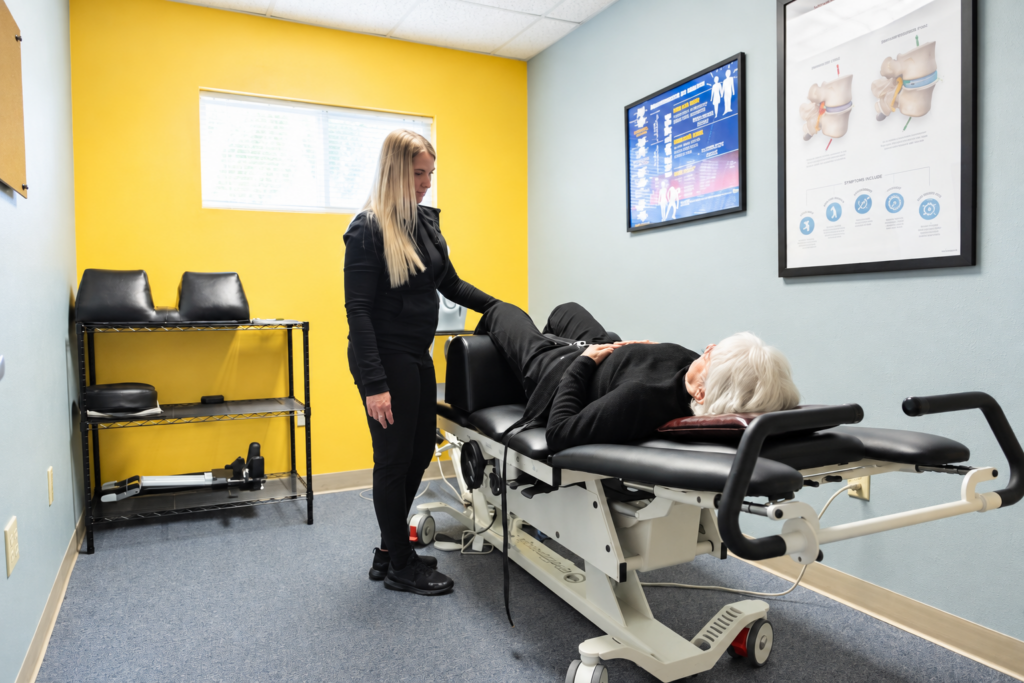
Flexion-Distraction is another technique that gently stretches the spine, alleviating pressure on nerves and discs. This method can be particularly beneficial for those with bulging discs or chronic pain.
Whichever technique your chiropractor uses, the goal remains the same: restoring balance to your spine and enhancing your overall health.
Techniques Used by Chiropractors
Chiropractors employ a variety of techniques to enhance flexibility and overall well-being. One of the most common methods is spinal manipulation, which involves applying controlled force to specific joints. This technique can help restore proper alignment, reduce tension, and improve joint mobility. By adjusting your spine, chiropractors aim to alleviate discomfort and create a more balanced body.
Another technique you might encounter is soft tissue therapy. This method focuses on the muscles, ligaments, and tendons surrounding your joints. By using targeted pressure and stretching, soft tissue therapy can release tightness and improve blood flow, promoting greater flexibility.
You may also experience myofascial release, a technique that targets the fascia—the connective tissue surrounding your muscles. By applying sustained pressure, chiropractors can help release restrictions in the fascia, allowing for improved movement and flexibility.
Active Release Technique (ART) is another popular method. This hands-on technique focuses on identifying and treating specific areas of tension in your muscles and soft tissues. The chiropractor works with you to help stretch and strengthen these areas, enhancing your overall flexibility.
Lastly, some chiropractors incorporate therapeutic exercises into your treatment. These exercises are designed to improve strength, stability, and flexibility in your body. By integrating these movements into your routine, you can cultivate lasting benefits that extend beyond your visits.
With these diverse techniques, chiropractors can effectively support your journey toward greater flexibility and improved quality of life.
Personalized Treatment Plans
Each person's body is unique, so personalized treatment plans are crucial for achieving ideal flexibility and wellness.
When you visit a chiropractor, they'll assess your individual needs, taking into account your lifestyle, physical condition, and any specific concerns you have. This tailored approach guarantees that your treatment is effective and directly addresses your goals.
Here are four key components typically included in personalized treatment plans:
- Assessment and Evaluation: Your chiropractor will start by conducting a thorough evaluation, including physical examinations and perhaps even imaging studies to understand your body's mechanics.
- Customized Exercises: You'll receive a series of targeted exercises designed to improve your flexibility and strength. These exercises will be tailored to your current abilities and gradually increased as you progress.
- Manual Adjustments: Depending on your specific needs, your chiropractor may incorporate various manual adjustments to realign your spine and joints, enhancing your overall mobility.
- Lifestyle Recommendations: Beyond physical adjustments, your plan may include advice on nutrition, ergonomics, and stress management techniques.
These lifestyle changes can support your treatment and promote long-term flexibility and health.
Success Stories From Patients
Many patients have experienced significant improvements in their flexibility and overall well-being through chiropractic care. You might be surprised to learn how impactful these treatments can be.
Take Sarah, for example. After struggling with chronic back pain and stiffness for years, she decided to visit a chiropractor. Within just a few sessions, she noticed a remarkable increase in her range of motion. Now, she can easily bend down to tie her shoes without discomfort.
Then there's Mark, an athlete who felt his performance plateau due to tight muscles and limited flexibility. He turned to chiropractic care and quickly found that regular adjustments helped him regain the agility he thought he'd lost. Not only did he improve his flexibility, but he also saw enhancements in his strength and endurance.
You might relate to Jenna, a busy mom juggling work and family. She often felt tension in her neck and shoulders from stress. After starting chiropractic sessions, she discovered that not only did her physical flexibility improve, but her mental clarity and relaxation did too.
These stories illustrate the transformative power of chiropractic care. Many patients like you find renewed energy and vitality through tailored treatments. They often share how they feel more in control of their bodies and lives.
If you're seeking similar results, it might be time to explore the benefits that thousands of others have already discovered. Your journey toward greater flexibility could be just a chiropractic visit away.
Chiropractic vs. Traditional Methods
When comparing chiropractic care to traditional methods, it's clear that both approaches have unique advantages. You might find that chiropractic care focuses on the body's alignment and nervous system, often leading to improved flexibility and mobility. In contrast, traditional methods like medication or surgery address symptoms but may not tackle the root cause of your issues.
Here are some key differences to evaluate:
- Holistic Approach: Chiropractors often take a holistic view, treating not just the symptoms but the entire body to promote overall wellness. Traditional methods may focus more on isolated symptoms.
- Non-Invasive Techniques: Chiropractic adjustments are generally non-invasive, which means you can avoid the risks associated with surgery or long-term medication usage. This can be especially appealing if you're seeking a more natural approach.
- Personalized Care: Chiropractors typically develop individualized treatment plans tailored to your specific needs. Traditional methods may rely more on standardized protocols, which mightn't suit everyone.
- Focus on Movement: Chiropractors prioritize restoring joint function and improving mobility, which can directly enhance your flexibility. Traditional methods may emphasize pain relief without necessarily addressing movement limitations.
Ultimately, the choice between chiropractic care and traditional methods depends on your personal preferences and health goals. You might find that integrating both approaches offers the best path to achieving greater flexibility and overall wellness.
Maintaining Flexibility After Treatment
After experiencing the benefits of chiropractic care, it's important to maintain that newfound flexibility. You've likely noticed a significant improvement in your range of motion, and keeping it that way requires a proactive approach. Here are some effective strategies to help you sustain your flexibility.
First, incorporate regular stretching into your routine. Dynamic stretches before workouts and static stretches after can help your muscles stay limber. Aim for at least 10 to 15 minutes of stretching a day.
Consider yoga or Pilates, which are excellent for enhancing flexibility and promoting overall body awareness.
Next, stay active. Engaging in regular physical activity not only strengthens your muscles but also keeps your joints mobile. Activities like swimming, cycling, or dancing can contribute to maintaining flexibility while being enjoyable and engaging.
Don't forget about hydration and nutrition. Drinking plenty of water keeps your muscles and joints lubricated. A balanced diet rich in vitamins and minerals supports muscle recovery and overall joint health.
Foods high in omega-3 fatty acids, such as fish and walnuts, can reduce inflammation and promote flexibility.
Lastly, listen to your body. If you feel tightness or discomfort, consult your chiropractor for personalized advice. They can suggest adjustments or exercises tailored to your needs.
Conclusion
To sum up, trusting chiropractors for greater flexibility can lead to significant improvements in your overall well-being. By focusing on spinal alignment and personalized care, you can experience reduced pain and enhanced mobility. The techniques they use, like myofascial release, target muscle tension, helping you feel your best. With many success stories backing their approach, it's clear that chiropractic care offers a valuable alternative to traditional methods. Take the first step toward a more flexible life today!