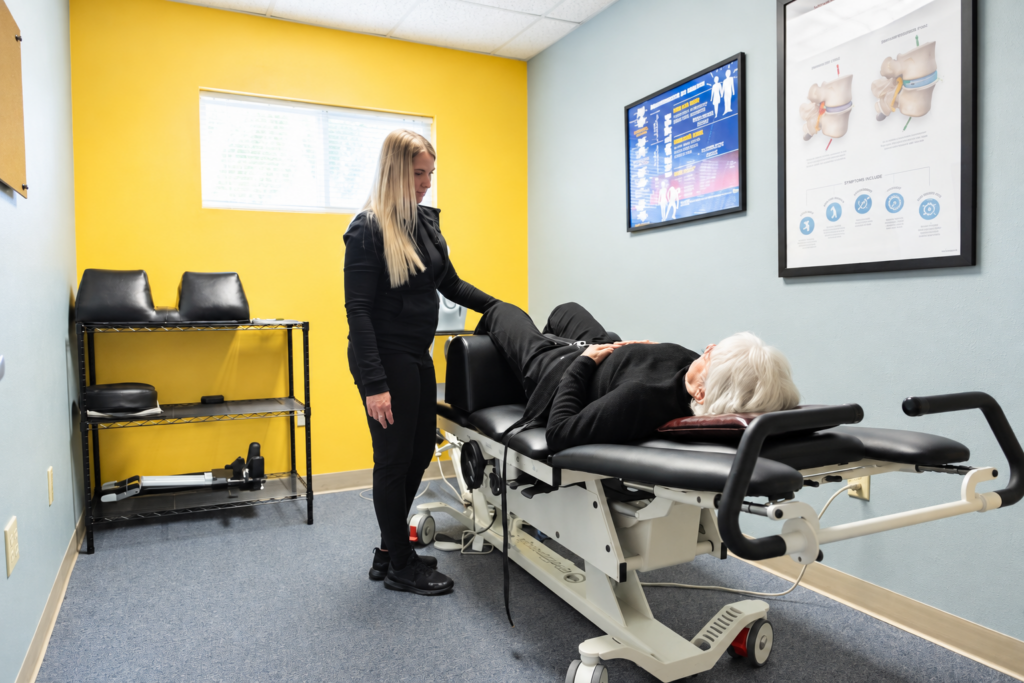

You might wonder why so many people rely on regular care for their wellness. It's not just about avoiding illness; it's about fostering a proactive approach to health that pays dividends in the long run. Regular check-ups help identify potential issues early and encourage healthier lifestyle choices, creating a ripple effect on overall quality of life. But what's the deeper connection between routine care and lasting wellness that keeps individuals engaged and motivated? The answer may surprise you and could change how you view your own health journey.
Understanding Regular Care
Have you ever wondered why regular care is essential for your overall well-being? Regular care isn't just about addressing problems when they arise; it's about proactively maintaining your health. Think of it as routine maintenance for your body, much like servicing your car to keep it running smoothly.
When you commit to regular care, you're investing in yourself, ensuring that potential issues are spotted early before they escalate into serious health concerns. Engaging in regular check-ups, screenings, and assessments allows healthcare professionals to monitor changes in your health.
It gives you the opportunity to ask questions, discuss any concerns, and receive tailored advice specific to your lifestyle. You'll find that this ongoing relationship with your healthcare provider fosters trust and understanding, which can greatly impact your health journey.
Regular care also encourages you to adopt healthier habits. When you know you have an upcoming appointment, you're more likely to focus on what you eat, how often you exercise, and how you manage stress. It's about creating a routine that promotes better choices, leading to improved mental and physical health.
Finally, regular care provides a thorough view of your health over time. With consistent monitoring, you and your healthcare provider can identify trends, track progress, and make necessary adjustments to your care plan.
This holistic approach empowers you to take control of your health, paving the way for a happier, healthier life.
Benefits of Preventive Health
Preventive health is your best ally in achieving long-term wellness. By focusing on prevention, you can markedly reduce the risk of chronic diseases and enhance your overall quality of life.
Here are some key benefits of integrating preventive health into your lifestyle:
1. Early Detection: Regular check-ups and screenings help catch potential health issues before they become serious. Early diagnosis means you can often treat conditions more effectively, leading to better outcomes.
2. Cost Savings: Investing in preventive care can save you money in the long run. By avoiding severe illnesses, you'll spend less on treatments and hospital visits.
Plus, many insurance plans cover preventive services at no additional cost.
3. Improved Quality of Life: Prioritizing your health through preventive measures allows you to stay active and engaged in the activities you love.
When you feel better physically and mentally, you're more likely to enjoy life and maintain strong relationships.
Building a Healthier Routine
While you might be busy with daily responsibilities, building a healthier routine doesn't have to be overwhelming. Start by identifying small, manageable changes that fit seamlessly into your life. Instead of overhauling your entire lifestyle overnight, focus on one or two areas at a time, like nutrition or exercise.
Incorporate whole foods into your meals. You don't have to adopt an entirely new diet; just swap out highly processed snacks for fruits, nuts, or yogurt. This simple change can boost your energy levels and improve your overall health. Plan your meals for the week, making grocery shopping easier and encouraging healthier choices.
Next, find ways to integrate physical activity into your day. It doesn't mean hitting the gym for hours every day. Opt for short walks during breaks, take the stairs instead of the elevator, or try out a quick home workout routine. Consistency is key, so aim for at least 20-30 minutes of activity most days.
Also, prioritize sleep by setting a regular bedtime and creating a relaxing evening routine. Quality sleep is essential for your body's recovery and can greatly influence how you feel daily.
Lastly, stay hydrated. Keep a water bottle handy to remind yourself to drink throughout the day.
These small adjustments can lead to considerable improvements in your health and well-being. Remember, building a healthier routine is a journey. Celebrate your progress as you make sustainable changes that last.
Empowering Personal Responsibility
Taking charge of your health means embracing personal responsibility in your wellness journey. It's about recognizing that you have the power to influence your well-being through the choices you make.
When you actively engage in your health, you set the stage for lasting wellness, and that can be incredibly empowering.
Here are three key steps to help you take personal responsibility for your health:
1. Educate Yourself: Knowledge is power. Understanding your body, its needs, and potential health risks can help you make informed decisions.
Read articles, attend workshops, or consult with health professionals to expand your knowledge.
2. Set Realistic Goals: Establish achievable health goals tailored to your lifestyle.
Whether it's increasing your physical activity, eating more nutritious foods, or prioritizing mental health, setting specific and measurable objectives can keep you motivated and focused.
3. Track Your Progress: Keeping a record of your health journey helps you stay accountable.
Use a journal, an app, or even a simple calendar to note your daily habits, challenges, and accomplishments. This not only highlights your progress but also helps you identify areas that may need adjustments.
Cost-Effectiveness of Regular Care
Regular care isn't just about feeling good; it's also a smart financial choice.
By investing in preventative care, you can save on costly emergency expenses down the line.
Think of it as a long-term investment in your health that pays off in more ways than one.
Preventative Care Savings
Investing in preventative care can save you a significant amount of money in the long run. By focusing on regular check-ups and screenings, you can catch potential health issues early before they require costly treatments.
Here are three key ways preventative care can lead to savings:
- Reduced Treatment Costs: Early detection of health problems often means less intensive and less expensive treatment. Addressing issues like high blood pressure or diabetes in their early stages can prevent hospitalizations and emergency care.
- Lower Medication Expenses: Regular care can help you manage chronic conditions effectively, reducing the need for expensive medications. With consistent monitoring, your healthcare provider can tailor your treatment plan, leading to more affordable options.
- Improved Productivity: Staying healthy means fewer sick days and higher productivity at work. When you're not battling illnesses, you can focus on your job and personal life, translating into financial benefits over time.
Reduced Emergency Expenses
Consistent healthcare can greatly reduce emergency expenses by preventing health crises before they escalate. When you prioritize regular check-ups and screenings, you're not only taking charge of your health but also greatly lowering the likelihood of costly emergency visits.
By catching potential issues early, you can avoid the expensive treatments that often accompany late-stage illnesses. Emergency care can quickly drain your finances, with hospital stays and urgent interventions often costing thousands.
However, by investing in routine care, you can identify and address health concerns well before they require urgent attention. This proactive approach not only saves you money but also contributes to your overall well-being.
Think about it: a regular visit to your healthcare provider can lead to tailored advice, lifestyle changes, and necessary interventions that keep you out of the ER. Instead of facing unexpected bills and stress, you can feel empowered and confident in your health journey.
Ultimately, consistent healthcare isn't just about staying healthy; it's about protecting your financial future. By incorporating regular care into your routine, you're making a smart choice for both your health and your wallet.
Long-Term Health Investments
When you consider the long-term benefits of maintaining your health, it's clear that regular care is a smart investment. By prioritizing your well-being, you not only enhance your quality of life but also save money in the long run.
Here's how regular care proves cost-effective:
- Prevention Over Treatment: Regular check-ups allow for early detection of health issues, which often means less invasive treatments and lower costs than managing advanced diseases.
- Reduced Healthcare Costs: Consistent care can minimize emergency room visits and hospital stays, which can be considerably more expensive than routine appointments.
- Improved Productivity: Staying healthy means fewer sick days and a more active lifestyle, leading to better performance at work or in daily activities.
Investing in your health through regular care isn't just about feeling good today; it's about securing a healthier, more financially savvy future.
When you choose regular check-ups and preventive measures, you're making a wise decision that pays off over time. Remember, your health is one of the most valuable assets you have.
Impact on Mental Well-Being
Regular care doesn't just support your physical health; it also plays a vital role in your mental well-being.
By enhancing your stress management techniques and improving your emotional resilience, you'll find it easier to navigate daily challenges.
Plus, incorporating mindfulness practices into your routine can boost your overall mental clarity and focus.
Enhanced Stress Management
Stress often feels like an uninvited guest that overstays its welcome, disrupting mental well-being and daily life.
It's crucial to find effective ways to manage stress, and regular care can play a pivotal role in enhancing your ability to cope. By prioritizing stress management, you'll not only improve your mental health but also boost your overall quality of life.
Here are three strategies to help you enhance your stress management:
- Mindful Breathing: Take a few moments each day to focus on your breath. Deep, intentional breaths can ground you and reduce anxiety, helping you regain control amid chaos.
- Physical Activity: Engage in regular exercise, whether it's a brisk walk, yoga, or dancing. Physical activity releases endorphins, which can elevate your mood and decrease stress levels.
- Connect with Others: Don't underestimate the power of social connections. Reach out to friends or family for support. Sharing your feelings can lighten your emotional load and provide you with fresh perspectives.
Improved Emotional Resilience
Emotional resilience is like a sturdy bridge that helps you navigate life's challenges without being overwhelmed. When you engage in regular care practices, you build this resilience, enabling you to bounce back from setbacks and handle stress more effectively.
You might find that instead of feeling crushed by difficulties, you approach them with a greater sense of balance and perspective.
As you cultivate emotional resilience, you'll notice improvements in your mental well-being. You'll respond to stressors with a more positive attitude, allowing you to maintain control over your emotions.
This shift can lead to healthier relationships, as you become more empathetic and better equipped to communicate your feelings.
Regular care promotes self-awareness, helping you identify triggers and develop coping strategies tailored to your needs. By investing time in these practices, you strengthen your ability to manage emotions, which can reduce anxiety and depression in the long run.
Ultimately, improved emotional resilience empowers you to face life's ups and downs with confidence. You'll be more adaptable and open to change, creating a solid foundation for lasting wellness in both your personal and professional life.
Increased Mindfulness Practices
Incorporating mindfulness practices into your daily routine can greatly enhance your mental well-being. By being present and attentive, you'll find that stress and anxiety diminish, allowing you to experience life more fully.
Here are three simple ways to get started:
- Meditation: Spend just 5-10 minutes each day in quiet reflection. Focus on your breath or a calming mantra. This practice can help you gain clarity and reduce negative thoughts.
- Mindful Breathing: Whenever you feel overwhelmed, take a moment to breathe deeply. Inhale for a count of four, hold for four, and exhale for four. This technique grounds you in the present and helps alleviate stress.
- Gratitude Journaling: At the end of each day, jot down three things you're grateful for. This habit shifts your focus from what's lacking in your life to what you appreciate, boosting your mood and fostering a positive mindset.
Strengthening Community Connections
Building strong community connections is essential for fostering a sense of belonging and support. When you engage with those around you, you create a network that can uplift and empower everyone involved. This sense of community can be a powerful force in your overall wellness journey.
You might start by participating in local events, volunteering your time, or simply striking up conversations with your neighbors. These interactions not only deepen your relationships but also encourage a shared commitment to each other's well-being.
When you know your community, you become more attuned to its needs and challenges, allowing you to contribute positively.
Consider joining clubs or groups that align with your interests. This can lead to friendships that offer emotional support during tough times. When you collaborate with others, you'll find that challenges become more manageable.
Sharing experiences and resources fosters a collective resilience that benefits everyone.
Additionally, local gatherings—be it farmers' markets, workshops, or even casual meetups—can strengthen these ties. You'll find that the more you engage, the more opportunities arise for collaboration and support.
Holistic Approaches to Wellness
Wellness isn't just about physical health; it's a multifaceted journey that encompasses mind, body, and spirit.
When you approach wellness holistically, you recognize that each aspect of your being affects the others. Embracing this perspective can lead to profound changes in your life.
Here are three key components to reflect upon in your holistic wellness journey:
1. Mindfulness Practices: Engaging in mindfulness techniques, such as meditation or deep breathing, helps center your thoughts and reduces stress.
Set aside just a few minutes each day to practice being present, and you might be surprised at how much calmer you feel.
2. Nutritional Choices: What you eat plays a vital role in your overall wellness.
Incorporate whole foods, such as fruits, vegetables, and whole grains, into your diet. This not only fuels your body but also supports mental clarity and emotional stability.
3. Physical Activity: Regular exercise isn't just for physical fitness; it's essential for mental and emotional health too.
Whether it's a brisk walk, yoga, or dancing, find an activity you enjoy and make it part of your routine. You'll notice increased energy levels and a more positive outlook on life.
Success Stories and Testimonials
Countless individuals have transformed their lives through holistic wellness practices, sharing inspiring success stories that highlight the benefits of regular care. You might be surprised to learn how many people have experienced profound changes by simply committing to a consistent wellness routine.
For instance, consider Sarah, who struggled with chronic fatigue for years. After incorporating regular chiropractic adjustments and nutritional counseling into her life, she regained her energy and is now running marathons!
Then there's Mark, who battled anxiety and stress. By engaging in mindfulness techniques and regular acupuncture sessions, he found a sense of calm and balance he never thought possible. His journey shows that wellness isn't just about the absence of illness; it's about thriving in every aspect of life.
You'll also find testimonials from families who've embraced holistic practices together. The Johnsons, for example, started a family wellness plan that includes yoga and healthy cooking classes. They've bonded over their shared commitment to health and, as a result, have seen improvements in everyone's mood and liveliness.
These stories illustrate the power of regular care. They remind you that wellness is a journey, not a destination. When you prioritize holistic practices, you're investing in a healthier, happier future.
Conclusion
Incorporating regular care into your routine can transform your health and well-being. By prioritizing preventive health, you not only catch potential issues early but also cultivate healthier habits that enhance your quality of life. Embracing personal responsibility empowers you to take charge of your wellness journey. Plus, the cost-effectiveness of regular check-ups and their positive impact on mental health make them invaluable. Trust in regular care, and you'll strengthen not just your health, but your community connections too.