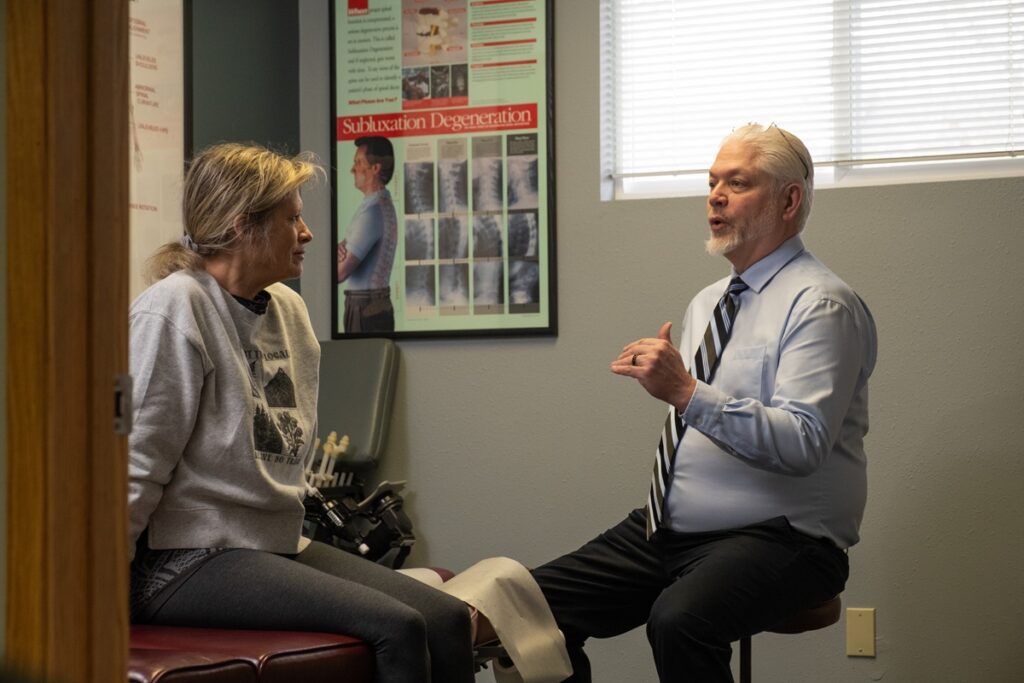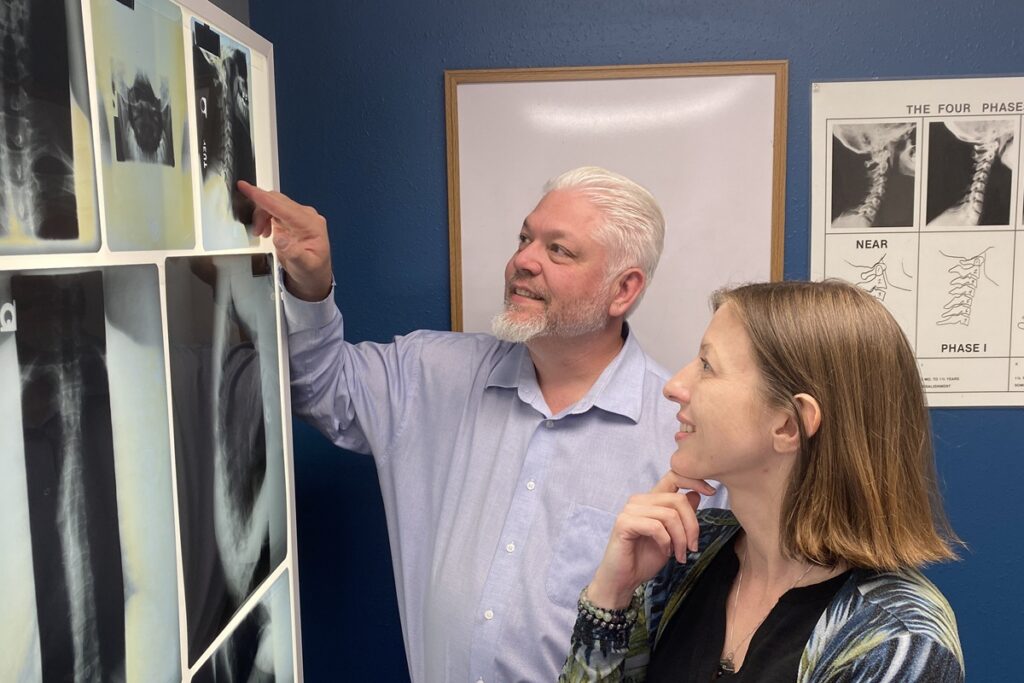

As a local chiropractor, I want to assure you that if you're dealing with prenatal back pain, you're certainly not alone, and there are effective natural strategies we can explore together to manage it. One of the foundational aspects of alleviating discomfort is focusing on proper posture—this can significantly improve your comfort levels. Gentle exercises tailored to your needs can also be incredibly beneficial.
In my practice, I often recommend techniques such as heat therapy, which can provide soothing relief, along with the right supportive gear to help you through this journey. It's also vital to understand the underlying causes of your back pain. By identifying these and exploring additional holistic methods, we can work together to enhance your overall well-being during this special time. If you're curious about specific strategies that could offer you the most relief, I'm here to guide you on your path to comfort and health.
Understand the Causes
As a local chiropractor, I want to help you understand the causes of prenatal back pain so that you can manage it effectively and comfortably. During pregnancy, your body goes through profound changes, and these shifts can lead to back discomfort.
One significant cause is hormonal changes. As your body prepares for childbirth, hormones such as relaxin are released, which work to loosen ligaments and joints. While this is necessary for childbirth, it can also lead to instability in your spine, resulting in pain.
Another contributing factor is the additional weight you're carrying. As your baby grows, the extra weight shifts your center of gravity. This shift requires your back muscles to work harder to maintain balance, which can lead to strain and discomfort. You may also notice changes in your posture as your belly expands, further exacerbating any back pain.
Muscle fatigue is also a key player in prenatal back pain. The physical demands of supporting a growing baby can exhaust your back muscles, especially if you're not accustomed to the extra weight and strain.
Additionally, stress and anxiety can lead to increased muscle tension, making it even harder to find relief from discomfort.
Lastly, if you have any pre-existing back conditions, pregnancy can aggravate those issues. Understanding these underlying causes is crucial for recognizing when to seek chiropractic care or adapt your daily activities to minimize pain.
Maintain Good Posture
As a local chiropractor, I want to emphasize the importance of maintaining good posture, especially during pregnancy. Proper posture is crucial for preventing back pain and ensuring a healthy experience for both you and your baby.
When you sit, make it a habit to keep your feet flat on the floor and your back straight. This alignment helps support your spine and reduces strain on your body.
By being mindful of your posture throughout the day, you can alleviate discomfort and enhance your overall well-being. Remember, small adjustments can make a significant difference.
If you're experiencing pain or discomfort, consider reaching out for a consultation. Chiropractic care focuses on natural healing and can provide personalized strategies to help you maintain good posture and improve your quality of life during this special time.
Sit Correctly Always
Your posture is crucial in managing prenatal back pain, and as your local chiropractor, I want to emphasize the importance of sitting correctly for your overall well-being.
Choosing the right chair is the first step; look for one that provides proper support with a straight back and adequate lumbar support. If your chair doesn't have this feature, I recommend using a small cushion to help maintain the natural curve of your spine.
When you sit, it's essential to keep your feet flat on the ground or on a footrest, as crossing your legs can misalign your hips and put strain on your lower back. Ensure that your knees are at or slightly below hip level to promote better circulation and comfort.
Also, pay attention to how you position your arms and hands. Keep your elbows close to your body and your wrists straight while typing or using your phone. This helps alleviate tension in your shoulders and neck, which can contribute to back pain.
If you find yourself sitting for extended periods, it's important to take breaks every 30 minutes. Stand up, stretch, and walk around to relieve any built-up tension.
Align Your Spine
As a local chiropractor, I want to emphasize the importance of aligning your spine, especially during pregnancy. Proper spinal alignment is crucial not only for alleviating prenatal back pain but also for supporting your overall health as your body undergoes various changes.
Maintaining good posture is key. When standing, aim to keep your feet hip-width apart and distribute your weight evenly. Engaging your core muscles will help support your spine and prevent excessive arching of your back, which can lead to discomfort.
When it comes to sitting, opt for a chair that offers adequate support for your back. Keep your back straight and shoulders relaxed; using a cushion or lumbar roll can help maintain the natural curve of your lower back. If you're working at a desk, ensure your computer screen is at eye level to minimize neck strain.
Sleep is another area where proper alignment matters. Consider using a pregnancy pillow to give your belly and back the support they need for better alignment throughout the night. Sleeping on your side is often the most comfortable option and helps reduce pressure on your spine.
Remember, chiropractic care focuses on natural healing through spinal alignment and overall wellness. By prioritizing these practices, you can enhance your comfort and health during this transformative time.
If you have any questions or need personalized guidance, feel free to reach out!
Practice Prenatal Yoga
As a local chiropractor, I often see expectant mothers who are seeking relief from back pain during their pregnancy. One effective method I recommend is practicing prenatal yoga. This gentle form of exercise isn't only soothing but also focuses on stretching, strengthening, and relaxation, making it an ideal choice for your changing body.
Engaging in prenatal yoga can significantly improve your flexibility and posture—two crucial elements for supporting your growing belly and alleviating strain on your back. In a typical class, you'll learn specific poses that can ease tension in your back while promoting overall well-being. For example, poses like cat-cow and child's pose are excellent for relieving tightness in the lower back, while warrior poses can help strengthen your legs and core.
It's important to listen to your body during these sessions. If a particular pose doesn't feel right, modifying or skipping it's perfectly acceptable. As a chiropractor, I emphasize the importance of tuning in to your body's signals to avoid any discomfort.
Breathing techniques are another essential aspect of prenatal yoga. By focusing on your breath, you can better manage discomfort and reduce stress. Practicing deep, calming breaths throughout your session fosters relaxation, which can spill over into your daily life and overall well-being.
I encourage you to consider joining a prenatal yoga class led by a certified instructor who specializes in movements tailored for pregnant women. This guidance can help ensure that you're practicing safely and effectively.
Alternatively, if you prefer the comfort of home, there are many reputable online resources and instructional videos available.
Incorporating prenatal yoga into your routine not only aids in alleviating back pain but also prepares your body for labor. By embracing this holistic approach, you'll cultivate a deeper connection with both your body and your baby, enriching your pregnancy journey in a meaningful way.
As your chiropractor, I'm here to support you in exploring natural healing methods that enhance your health and well-being throughout your pregnancy.
Stay Active With Gentle Exercises
As a local chiropractor, I want to share the benefits of gentle exercises for managing prenatal back pain with you. Many expectant mothers may not realize that staying active can significantly improve your comfort during this special time. Engaging in gentle exercises can strengthen your back and abdominal muscles, which is key to alleviating discomfort.
You don't need to enroll in a gym or push yourself through intense workouts; even simple movements can make a remarkable difference. I recommend starting with low-impact activities such as walking. A brisk 20 to 30-minute walk can enhance your circulation and keep your muscles flexible, all while being gentle on your body.
Swimming is another excellent choice. The buoyancy of water can relieve pressure on your spine and joints, allowing you to enjoy a soothing workout without the risk of strain. If you're looking for something more structured, consider prenatal Pilates. These classes focus on developing core strength and flexibility, which can promote better posture and alignment. You'll also find valuable breathing techniques that can help with relaxation.
It's crucial to listen to your body while exercising. If something doesn't feel right, don't hesitate to scale back or modify the activity. Gentle stretching is equally important. Incorporate stretches that specifically target your back, hips, and hamstrings, as these areas are prone to tightness during pregnancy, which can lead to discomfort. Seated forward bends and side stretches are great options to release tension.
Don't overlook the benefits of pelvic tilts, which are simple to perform and can be done almost anywhere. This exercise helps strengthen your lower back and improve your posture, both of which are important during pregnancy.
Remember, staying active not only helps combat back pain but also supports your overall well-being during this transformative time. By making gentle exercises a regular part of your routine, you're likely to experience a positive impact on both your comfort and energy levels.
If you have any questions about incorporating these exercises into your routine, feel free to reach out. Your health and comfort are our priority!
Use Heat and Cold Therapy
As a local chiropractor, I want to share some effective strategies for managing prenatal back pain, particularly through the use of heat and cold therapy. Many of my patients aren't familiar with these natural healing methods, so let me explain how they can make a significant difference in your comfort.
When you apply heat to your back, it helps to relax tight muscles and improve blood flow, which can be incredibly soothing during pregnancy.
On the other hand, cold therapy is beneficial for reducing inflammation and numbing sharp pain, offering immediate relief when you need it most.
Understanding how to effectively utilize both heat and cold can enhance your overall well-being during this special time.
Whether it's a warm compress or an ice pack, these simple techniques can provide the relief you're seeking.
As your chiropractor, I'm here to guide you in incorporating these methods into your routine for optimal results.
Heat Application Benefits
As a local chiropractor, I'd like to share some insights on how heat application can be a valuable tool for managing prenatal back pain. Many expecting mothers experience discomfort during this transformative time, and utilizing heat therapy can provide significant relief.
When you apply heat, it increases blood circulation to the affected areas, which can aid in healing and alleviate muscle tension. You can easily incorporate heat into your routine using a heating pad, a warm towel, or a hot water bottle—just be sure the temperature is comfortable and not too hot to prevent burns.
Spending about 15 to 20 minutes with heat can be particularly soothing. It's effective for relaxing tight muscles and easing pain, especially after a long day of standing or sitting in less-than-ideal positions.
Another wonderful option is to take a warm bath or shower. The warm water can envelop your back, providing a comforting experience that can help relieve tension. Making heat therapy a part of your daily routine can have a positive impact on managing prenatal back pain.
It's important to always listen to your body. If you find that heat isn't offering the relief you need, I encourage you to consult with your healthcare provider for tailored advice.
Cold Therapy Advantages
As a local chiropractor dedicated to helping expectant mothers manage discomfort, I want to share the benefits of cold therapy for alleviating prenatal back pain. This method can be particularly effective, especially after engaging in physical activity or after spending extended periods on your feet. By applying cold packs or ice wrapped in a cloth to the painful area, you can numb the discomfort and reduce inflammation, providing immediate relief that can make your daily activities much more manageable.
Implementing cold therapy is straightforward. I recommend applying the cold source for about 15 to 20 minutes at a time. It's important to take breaks in between applications to protect your skin from damage. You can repeat this several times a day, especially following any strenuous activities.
Cold therapy is particularly beneficial for minimizing swelling and soreness, which can be quite common during pregnancy as your body adapts to various changes.
One of the standout advantages of cold therapy is that it's completely drug-free, making it a safe and natural option during pregnancy. It can also be effectively combined with other pain management techniques, such as heat therapy, to create a well-rounded approach to pain relief.
Consider Massage Therapy
As a local chiropractor, I want to share how chiropractic care can effectively alleviate prenatal back pain for many expecting mothers. During pregnancy, your body undergoes significant changes, and the added weight combined with shifting posture can lead to discomfort. A skilled chiropractor can help target the areas that hold tension, relieving pain and enhancing your overall well-being.
When considering chiropractic care, it's essential to choose a practitioner who specializes in prenatal chiropractic adjustments. These professionals understand the unique needs of pregnant women and utilize techniques that are safe and beneficial. They often focus on the lower back, hips, and shoulders—areas that commonly experience tension during pregnancy.
During a chiropractic session, you may experience a deep sense of relaxation and relief. This not only helps reduce stress and anxiety but also creates a more positive environment for you and your baby.
Additionally, chiropractic adjustments can improve circulation, which is vital during pregnancy. Enhanced blood flow can lead to reduced swelling and better oxygen delivery to your baby.
It's crucial to communicate with your chiropractor about any specific pain or discomfort you may be experiencing. They can adjust their techniques to suit your needs, ensuring you receive the most effective treatment.
Always consult with your healthcare provider before starting any new therapy, especially during pregnancy, to confirm it's safe for your individual situation.
Incorporating chiropractic care into your prenatal routine can be a wonderful way to enhance comfort and promote relaxation during this transformative time. Let's work together to ensure you have a healthy and enjoyable pregnancy experience!
Invest in Supportive Gear
As a local chiropractor, I want to emphasize the importance of investing in supportive gear to help manage prenatal back pain effectively.
Maternity support belts can offer crucial stability to your growing belly, alleviating some of the strain on your back. Additionally, wearing comfortable footwear is vital, as it can significantly reduce pressure on your spine and joints.
Selecting the right gear not only enhances your overall comfort but also aligns with your body's evolving needs during this special time. Embracing these supportive tools can pave the way for a more pleasant pregnancy experience and complement your journey to natural healing.
Maternity Support Belts
As a local chiropractor, I want to share with you the benefits of using a maternity support belt during pregnancy, especially if you're experiencing back pain. These belts are specifically designed to provide crucial support for your growing belly, which can help distribute weight more evenly and alleviate pressure on your lower back.
By incorporating one into your routine, you may find relief from discomfort and an increase in your mobility throughout the day.
When choosing a maternity support belt, consider features such as adjustable straps and breathable materials. An adjustable design is key, as it allows you to achieve a custom fit that can be easily modified as your body changes throughout pregnancy.
Additionally, breathable fabrics can enhance comfort, particularly during the warmer months.
It's essential to use the belt correctly for the best results. Position it under your belly and adjust it so that it offers support without being overly tight. You can wear it while engaging in daily activities or even during workouts, helping you stay active and maintain your fitness.
Always pay attention to how your body responds to the belt. If you feel any discomfort or pain while wearing it, it's wise to remove it and consult with your healthcare provider.
Including a maternity support belt in your daily regimen can significantly improve your comfort and enhance your overall experience during pregnancy.
Comfortable Footwear Options
As a local chiropractor, I want to emphasize the importance of comfortable footwear, especially during pregnancy, as it significantly impacts your overall well-being. Many expectant mothers may not realize that the right shoes can alleviate not only foot discomfort but also relieve pressure on your back and joints, which can be particularly sensitive during this time.
When selecting shoes, it's crucial to prioritize good arch support and cushioning. High heels are best avoided; they can disrupt your balance and exacerbate back strain. Instead, I recommend flats or low-heeled shoes that are specifically designed to provide extra support.
Look for brands that focus on comfort footwear, as they often incorporate features like shock absorption and ergonomic designs, which can make a significant difference when you're on your feet for long periods.
If swelling in your feet is a concern, consider shoes with adjustable straps or made from stretchy materials. These options can comfortably accommodate any changes in your feet without compromising on support.
Additionally, using supportive insoles can enhance the fit of your shoes and provide extra relief, contributing to your overall spinal health.
Remember, investing in comfortable footwear isn't merely about aesthetics; it's a vital aspect of maintaining your health throughout your pregnancy. By prioritizing your foot health, you can help ensure that your back and body feel their best during this transformative journey.
Take care of your feet, and your back will be grateful!
Focus on Ergonomics
As a local chiropractor, I want to share valuable insights on managing prenatal back pain through the principles of ergonomics. Understanding how to create an environment that supports your body's natural posture and movements can significantly enhance your comfort and well-being during this special time.
Here are three essential ergonomic strategies to consider:
– Proper Seating: Choosing the right chair is crucial for your comfort. Look for one that offers good lumbar support to maintain the natural curve of your spine. If you find yourself sitting for extended periods, consider using a supportive cushion that promotes proper posture.
Remember to plant your feet flat on the floor or utilize a footrest to prevent unnecessary strain on your legs.
– Workstation Adjustments: Whether you're working from home or in an office, it's vital to set up a workstation that prioritizes your comfort. Position your computer screen at eye level to avoid neck strain, and ensure your keyboard allows your elbows to rest comfortably at your sides.
These adjustments can help minimize tension in your shoulders and neck, contributing to overall relief.
– Mindful Lifting Techniques: Lifting objects safely is essential to protect your back. Always bend at your knees rather than your waist, keeping the object close to your body. Use the strength of your legs to lift, and if you encounter something too heavy or awkward, don't hesitate to seek assistance.
Your back will thank you for it!
By incorporating these ergonomic practices into your daily routine, you can reduce back strain and improve your overall comfort during pregnancy.
If you have any questions or need further guidance, feel free to reach out. Your health and comfort are our top priorities!
Explore Breathing Techniques
As a chiropractor, I often emphasize the importance of holistic approaches to managing discomfort during pregnancy, including effective breathing techniques. These techniques can significantly aid in alleviating prenatal back pain. When you practice deep, mindful breathing, it not only helps you to relax but also reduces tension in the back muscles, leading to a greater sense of comfort.
By directing your focus to your breath, you can divert attention from pain, fostering a calming effect that's particularly beneficial during this special time.
To get started, I recommend finding a comfortable position—whether you're sitting or lying down. Place one hand on your belly and the other on your chest. Take a deep breath in through your nose, allowing your abdomen to expand while keeping your chest relatively still. Hold that breath for a moment, and then exhale slowly through your mouth.
Try to make your exhale longer than your inhale; this practice activates your body's natural relaxation response.
Another effective technique I suggest is the 4-7-8 breathing method. Inhale quietly through your nose for a count of four, hold your breath for a count of seven, and then exhale fully through your mouth for a count of eight. This approach not only calms your mind but also helps reduce muscle tension, which can be particularly helpful in alleviating back pain.
Incorporating these breathing exercises into your daily routine can lead to noticeable improvements in how you feel. I encourage you to set aside a few minutes each day to practice.
Stay Hydrated and Nourished
As a local chiropractor, I want to emphasize the importance of staying hydrated and nourished during your pregnancy, especially when it comes to managing prenatal back pain and supporting your overall well-being.
When you're well-hydrated, your body can maintain proper muscle function, which helps reduce the risk of muscle cramps that can contribute to discomfort in your back. Additionally, proper nutrition is instrumental in helping your body handle the physical demands of pregnancy.
Here are some essential tips I recommend for taking care of yourself:
- Drink plenty of water: Strive for at least 8 to 10 glasses each day. Staying hydrated not only helps reduce inflammation but also supports the health of your spine, which is crucial during this transformative time.
- Incorporate nutrient-rich foods: A balanced diet filled with fruits, vegetables, whole grains, and lean proteins will provide your body with the essential vitamins and minerals needed to strengthen your muscles and ligaments.
- Focus on calcium and magnesium: Foods rich in these minerals, such as dairy products and leafy greens, are vital for maintaining bone health and supporting muscle function—both of which are particularly important during pregnancy.
By prioritizing hydration and nutrition, you're taking an important step toward alleviating back pain and fostering a healthier pregnancy.
If you're interested in learning more about how chiropractic care can complement your wellness journey, feel free to reach out!
Conclusion
As a local chiropractor, I want to share some valuable strategies for managing prenatal back pain that can really enhance your comfort during this special time. Understanding the underlying causes of back pain is crucial, and by focusing on good posture and incorporating gentle exercises, you can significantly alleviate discomfort. Staying well-hydrated also plays a key role in maintaining your overall well-being.
I encourage you to invest in supportive gear, such as a proper maternity belt, which can help relieve strain on your back. Additionally, exploring therapies like heat and cold applications can provide immediate relief. Remember, taking proactive steps to care for your body now not only helps you feel better throughout your pregnancy but also supports a healthier, happier experience as you prepare for your little one's arrival. Embrace these natural healing methods, and rest assured, you're on the right path to managing your prenatal back pain effectively. You've got this!