
Chronic Headaches and Migraines: Chiropractic Care in Gresham
Chronic headaches and migraines can take the joy out of work, family time, and the things you love. If you live in or around Gresham and find yourself reaching for pain relievers week after week, there’s a better way to approach the problem. At Kuns Chiropractic, we help patients understand why headaches keep returning and correct the underlying mechanical and neurological stressors that drive them—so you can get back to living without planning your day around pain.
Chronic headaches are recurrent head pain happening frequently over weeks or months. Migraines are a specific neurological type of headache that often include throbbing pain, light or sound sensitivity, and sometimes nausea. Both can have musculoskeletal components that chiropractic care is designed to address.
Table of Contents
Understanding Chronic Headaches and Migraines
“Headache” is a broad term. Tension-type headaches commonly feel like a tight band or pressure across the forehead or back of the head. Cervicogenic headaches start in the neck and refer pain into the head, often behind one eye or to one side. Migraines are usually one-sided, throbbing, and can bring light/sound sensitivity or nausea. Some people also experience a visual or sensory aura before a migraine.
Here’s why this matters: many persistent headaches share a strong connection with the neck, upper back, and jaw. Misalignment, restricted joints, and muscle tension send pain signals into shared nerve pathways that the brain can interpret as a headache. That’s exactly where chiropractic care focuses—restoring healthy motion and alignment, calming irritated nerves, and improving the way your spine and surrounding muscles work together.
Top Causes and Triggers We See in Gresham
In our Gresham clinic, we hear a lot of similar stories. Long hours at a computer, driving to and from Portland, weekend yard projects, and Northwest weather shifts can all be part of the picture. While triggers vary from person to person, patterns are common—and fixable.
| Common Headache Type | Typical Triggers | Chiropractic Focus |
|---|---|---|
| Tension-type | Prolonged sitting, forward head posture, stress-related muscle clenching | Improve neck and mid-back mobility; reduce muscle tension; postural retraining |
| Cervicogenic | Neck injury/strain, poor workstation setup, restricted upper cervical joints | Precise cervical adjustments; restore joint mechanics; address muscle imbalance |
| Migraine | Neck stiffness, sleep disruption, hormonal changes, certain foods, weather shifts | Reduce neck tension and nerve irritation; optimize spinal alignment; lifestyle coaching |
Other contributors we commonly identify include jaw clenching or TMJ irritation, dehydration, skipped meals, and eye strain. Many of these stack up: a few late nights, a tight deadline at work, and a day hunched over a laptop can push a sensitive system over the edge. The good news is that when we resolve the structural stressors in your neck and back, triggers often become less powerful, and headaches become less frequent and less intense.
How Headaches Affect Your Spine and Nervous System
Think of your neck as the control center for head position, vision, and balance. The top three cervical joints help your head look up/down and rotate. When these joints lose their normal glide—after a minor strain, a past car collision, or months of slumped posture—nearby muscles tighten to protect the area. Tight, overworked muscles can refer pain into the head, especially the temples and the back of the skull.
There’s also a simple nerve connection at play. The nerves from the upper neck and the major facial nerve system meet in the same region of the brainstem. When the neck is irritated, the brain can interpret that input as head pain. That’s one reason patients notice less headache intensity when their neck alignment and mobility improve.
Finally, posture matters. Every inch the head drifts forward increases load on the neck, similar to holding a bowling ball out in front of your body versus close to your chest. Over time, this can create chronic tension, joint restriction, and a cycle of recurring headaches. Correcting mechanics breaks that cycle.
How Chiropractic Care Addresses Chronic Headaches
At Kuns Chiropractic, chiropractic care is the first-line, foundational approach for most musculoskeletal headache patterns. Rather than masking symptoms, we focus on the sources of mechanical stress and nerve irritation that keep headaches coming back.
Our approach typically includes:
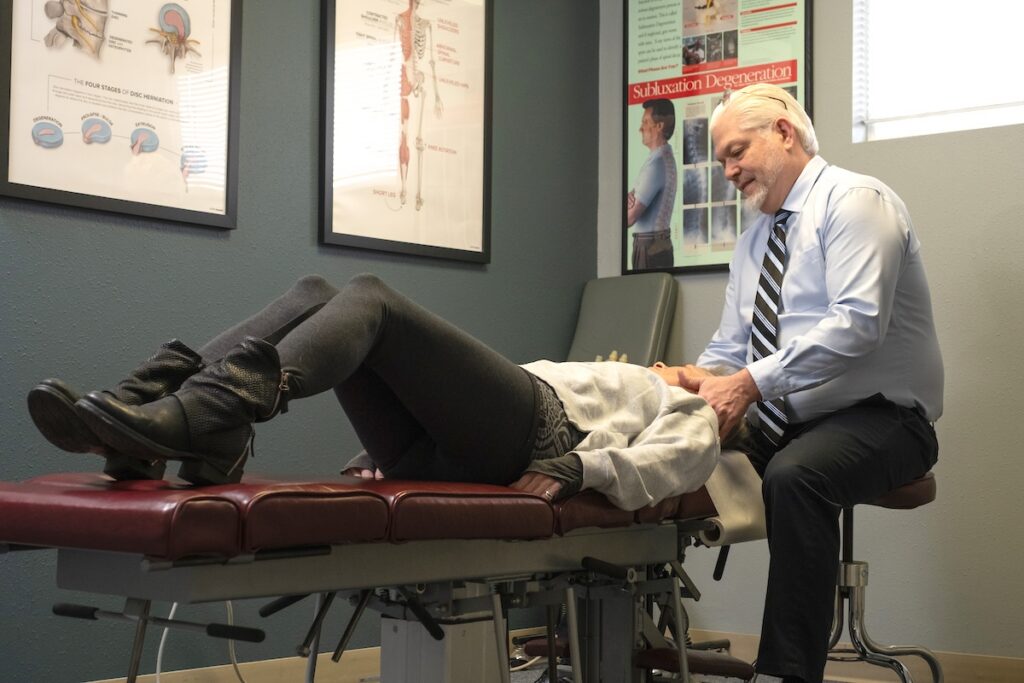
- Gentle, precise adjustments to the cervical and thoracic spine to restore joint motion and alignment. Improved mechanics calm irritated tissues and reduce pain signals that can trigger headaches.
- Soft-tissue work for overactive muscles and fascia, especially in the suboccipitals (base of the skull), upper trapezius, levator scapulae, and jaw muscles. Releasing these areas reduces tension and improves blood flow.
- Movement and posture retraining tailored to your job, hobbies, and sleep habits. Simple, specific exercises reinforce the benefits of your adjustments and help your progress last.
- Jaw and rib mechanics when needed. TMJ irritation or restricted upper ribs can reinforce neck tension and headache symptoms; addressing them makes a meaningful difference for many patients.
Research suggests chiropractic spinal manipulation can help reduce frequency and intensity for cervicogenic and tension-type headaches and may help some people with migraines. Results vary by individual, and we always tailor care to your unique exam findings and goals.
What to Expect at Kuns Chiropractic
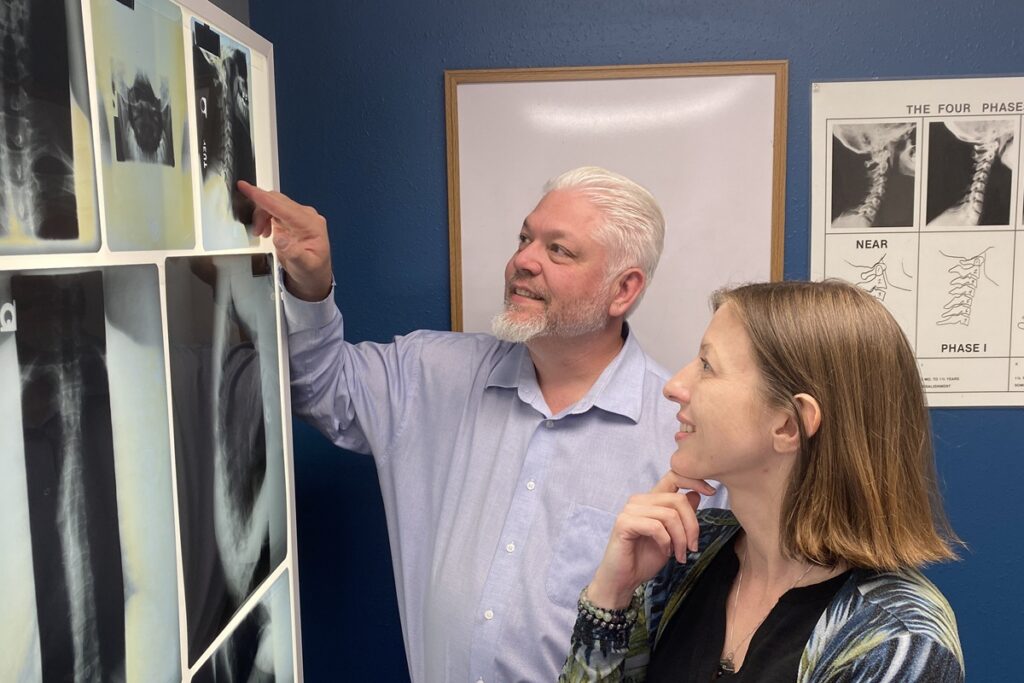
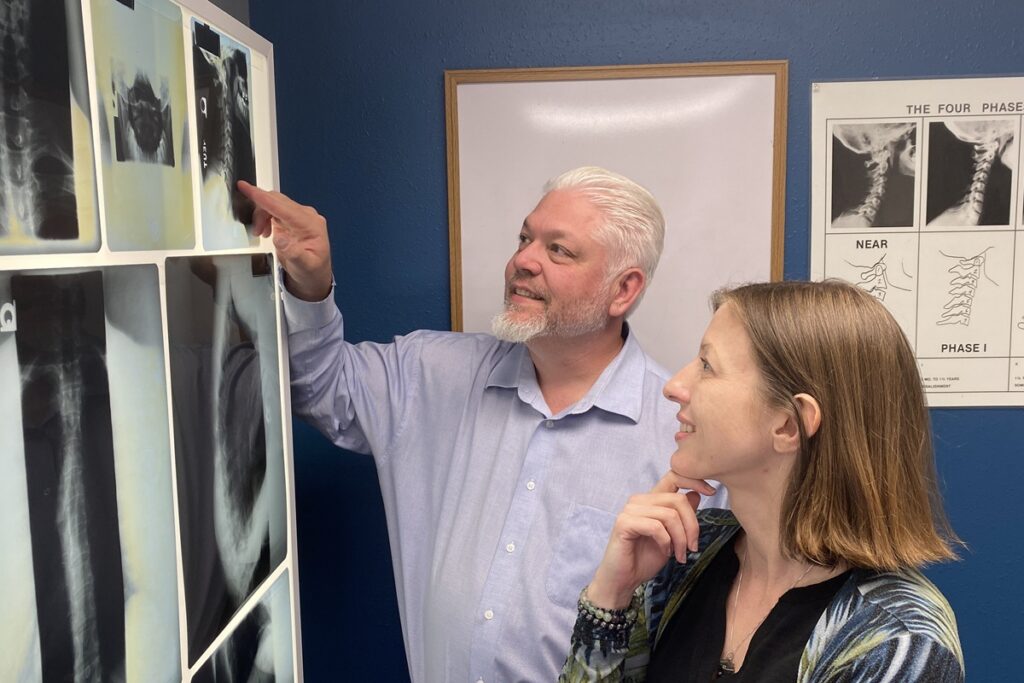
Your first visit is about clarity. We’ll listen to your story, review your health history, and perform a focused exam of your neck, back, jaw, and posture. If needed, we may recommend imaging to better understand alignment or rule out other issues. We’ll explain what we find in plain language and outline a plan that fits the way you live and work here in Gresham.
Care plans are straightforward and goal-driven. Most patients start with a short phase of more frequent visits to restore motion and reduce irritation, followed by a taper as stability improves. We’ll show you how to keep progress going at home and at work—so you’re not dependent on the office for relief.
Practical Steps You Can Start Today
- Reset your posture hourly: sit tall, align ears over shoulders, and gently tuck your chin for 10–15 seconds.
- Set up your workstation: top of monitor at eye level, screen an arm’s length away, feet flat, hips slightly above knees.
- Use a small rolled towel behind the mid-back during long sitting to reduce slouching and neck strain.
- Hydrate and eat regularly: dehydration and big blood-sugar swings can trigger headaches.
- Sleep smart: use a supportive pillow that keeps your neck neutral; avoid stomach sleeping.
- Jaw awareness: keep lips closed, teeth apart, tongue on the roof of your mouth; avoid clenching during stress.
These steps don’t replace individualized care, but they can lower background tension and help you notice patterns between posture, activity, and symptoms.
When to See a Chiropractor for Headaches
Consider scheduling an evaluation at Kuns Chiropractic if:
- Your headaches keep returning, you’re relying on pain relievers regularly, or they’re interfering with work, school, or family life.
- Headaches start in the neck or shoulders, or worsen after sitting, screens, or driving.
- You’ve had a past whiplash or sports injury that never fully resolved.
- You prefer a hands-on, non-drug approach that addresses mechanical and neurological contributors rather than just the symptoms.
Timely care matters. The sooner we address joint restriction, muscle imbalance, and irritated nerves, the quicker the system calms down—and the easier it is to prevent future flare-ups.
When to Seek Medical Care Immediately
Most headaches are not dangerous, but some require urgent medical attention. If any of the following occur, seek emergency care or call 911:
- “Thunderclap” headache: sudden, severe pain that peaks within seconds or minutes
- New headache with neurological symptoms: weakness, numbness, difficulty speaking, confusion, fainting, or a seizure
- Headache with fever, stiff neck, or rash
- Headache after a significant head injury or fall
- A new, unusually severe headache during pregnancy or postpartum
If you’re unsure, call a medical professional. We work collaboratively and will refer you out when something needs urgent medical evaluation.
Myths and Facts About Headaches and Chiropractic
Myth: “Headaches are just from stress—there’s nothing to fix.”
Fact: Stress contributes, but the body’s response to stress is often physical: tight muscles, altered breathing, forward head posture, and clenching. Correcting mechanics changes how your body handles stress.
Myth: “If pain is in my head, my neck can’t be the cause.”
Fact: The neck and head share nerve pathways. Irritation in the upper neck frequently refers pain into the head—especially behind the eyes, temples, and base of the skull.
Myth: “Medication is the only real option.”
Fact: Medication can help symptoms, but chiropractic care addresses mechanical drivers—joint restriction, muscle imbalance, and nerve irritation—to reduce how often headaches occur and how intense they feel.
Final Thoughts for Our Gresham Community
Headaches don’t have to be a normal part of your routine. Whether you’re commuting to Portland, studying at Mt. Hood Community College, managing a small business in downtown Gresham, or enjoying weekend hikes, you deserve a plan that treats the cause—not just the flare-ups.
At Kuns Chiropractic, we take the time to understand your specific triggers and the way your spine, muscles, and nervous system are working together. If chronic headaches or migraines are holding you back, we’re here to help you move, feel, and live better—confidently and consistently.
FAQs
Can chiropractic help migraines or just tension headaches?
Chiropractic care most consistently helps cervicogenic and tension-type headaches. Many migraine patients also report fewer or less intense episodes when neck mechanics and triggers are addressed. Individual results vary.
How many chiropractic visits will I need?
It depends on your exam findings, how long the issue has been present, and your daily habits. We’ll outline a clear, personalized plan after your first visit.
Is chiropractic safe for neck-related headaches?
For most people, chiropractic care is a safe, conservative option. We screen for risks, discuss options, and tailor techniques to your comfort and needs.
What if I also have TMJ or jaw pain?
Jaw tension and TMJ irritation commonly contribute to headaches. We assess and address jaw mechanics alongside neck and upper back care.
Do I need imaging before starting care?
Not always. We recommend imaging only when your history or exam indicates it will improve safety or decision-making.
Will I need to keep coming forever?
No. Our goal is to reduce symptoms, correct mechanical issues, and teach you how to maintain results. Some patients choose periodic wellness visits to stay ahead of flare-ups.
TL;DR
- Chronic headaches and migraines often involve the neck, jaw, and posture—not just “stress.”
- Chiropractic care is a first-line, hands-on approach that targets joint restriction, muscle tension, and nerve irritation driving headaches.
- Simple daily habits—better posture, hydration, sleep, and jaw awareness—support lasting relief.
- See a chiropractor if headaches keep returning; seek urgent medical care for sudden severe pain or neurological signs.