
If you’ve ever stood up too quickly and felt the room spinning around you, you know how unsettling vertigo can be. For some people, it’s a brief, one-time nuisance. For others, it’s a recurring problem that affects their ability to drive, work, or even walk safely. Here in Gresham, OR, many patients come into Kuns Chiropractic Clinic feeling confused, frustrated, and a little scared — because nobody ever explained to them what causes vertigo or what they can do about it. That’s exactly what this article is here to change.
What causes vertigo? Vertigo is most commonly caused by problems in the inner ear or disruptions in how the brain processes balance signals. It can also be triggered by issues in the cervical spine (your neck), certain medications, head injuries, or nerve dysfunction. Understanding the root cause is the first step toward finding real, lasting relief.
What Is Vertigo, Really?
A lot of people use the word “vertigo” to describe any type of dizziness, but they’re not exactly the same thing. Dizziness is a broad term — it can mean feeling lightheaded, unsteady, or off-balance. Vertigo is more specific. It’s the sensation that you or your surroundings are spinning or moving when nothing is actually moving. It can feel like the floor is tilting beneath you, or like the room is rotating on its axis.
Vertigo isn’t a diagnosis on its own — it’s a symptom. That distinction matters, because understanding what’s causing your vertigo is what determines the most effective approach to care. Some forms are brief and harmless. Others signal an underlying issue in the inner ear, brain, or musculoskeletal system that deserves proper attention.
Many patients are surprised to learn that vertigo treatment is something a chiropractor can genuinely help with. That surprise makes sense — most people associate chiropractic care with back and neck pain. But the connection between spinal health, the nervous system, and your sense of balance is very real, and we’ll get into that shortly.
The Most Common Causes of Vertigo
So, what causes vertigo in the first place? Let’s walk through the most well-established explanations.
Benign Paroxysmal Positional Vertigo (BPPV)
BPPV is by far the most common cause of vertigo. Inside your inner ear, there are tiny calcium carbonate crystals — often called “ear rocks” or otoliths — that help your brain sense gravity and movement. When these crystals get displaced and drift into the semicircular canals of the inner ear, they send confusing signals to your brain. The result is a sudden, intense spinning sensation that’s typically triggered by specific head movements, like rolling over in bed or tilting your head back.
BPPV episodes tend to be brief, usually lasting less than a minute. But they can be frequent and genuinely disruptive to daily life. The good news is that BPPV often responds well to repositioning maneuvers, which are specific guided head movements that help move those displaced crystals back where they belong.
Vestibular Neuritis and Labyrinthitis
These are inner ear conditions caused by inflammation, often following a viral infection. Vestibular neuritis affects the vestibular nerve, which carries balance signals from the inner ear to the brain. Labyrinthitis involves inflammation of the inner ear itself and may also affect hearing. Both can cause intense vertigo that lasts for days, along with nausea and difficulty walking steadily.
Ménière’s Disease
Ménière’s disease involves a buildup of fluid in the inner ear, which disrupts normal pressure and sends faulty signals about movement and balance. It typically comes with episodes of severe vertigo, tinnitus (ringing in the ears), a feeling of fullness in the ear, and sometimes hearing loss. Episodes can last anywhere from 20 minutes to several hours.
Head Injuries and Concussions
Trauma to the head or neck — whether from a car accident, sports injury, or a fall — can disrupt both the inner ear and the delicate relationship between the cervical spine and the brain’s balance centers. If you’ve been in a car accident, whiplash treatment often goes hand in hand with addressing vertigo symptoms, since the two frequently occur together. Patients who’ve experienced auto injury chiropractic care at Kuns Chiropractic Clinic in Gresham sometimes report that dizziness and balance issues improve significantly as their cervical spine heals.
Medications and Systemic Conditions
Certain medications — including some blood pressure drugs, sedatives, and antibiotics — can cause dizziness or vertigo as a side effect. Medical conditions like low blood pressure, diabetes, anemia, and anxiety can also contribute. These are important to rule out with a primary care provider before assuming a musculoskeletal cause.
The Neck-Vertigo Connection Most People Miss
Here’s something that surprises many of Dr. Westley Kuns’s patients: your neck plays a significant role in your sense of balance. This type of vertigo — caused by dysfunction in the cervical spine — is called cervicogenic dizziness or cervicogenic vertigo. It’s not as widely discussed as BPPV or Ménière’s, but it’s very real and more common than most people realize.
Your upper cervical spine (the top few vertebrae just below your skull) contains a high concentration of proprioceptors — specialized nerve receptors that send positional information to your brain. When the joints or muscles in this area become restricted, irritated, or misaligned, those proprioceptors can send inaccurate signals. Your brain then receives conflicting information from your eyes, inner ear, and neck — and vertigo is the result.
Poor posture, prolonged screen time, old injuries, and even chronic tension can all contribute to this kind of dysfunction. If you’ve ever noticed that your vertigo is worse when you turn your head a certain way or after sitting at a desk for hours, cervicogenic involvement may be part of the picture. Why vertigo keeps coming back is often tied directly to unresolved tension and joint restriction in the neck — something chiropractic care is specifically designed to address.
Neck pain and vertigo also frequently co-exist. If you’re dealing with both, reading more about neck pain treatment in the context of your overall health picture can be genuinely helpful.
How Chiropractic Care May Help With Vertigo
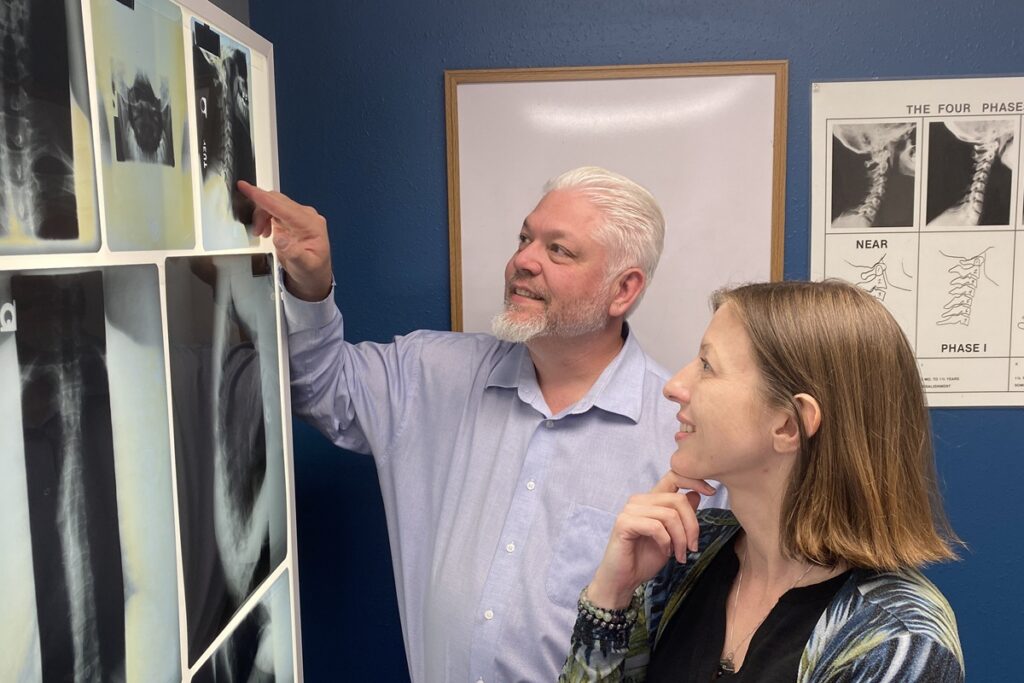
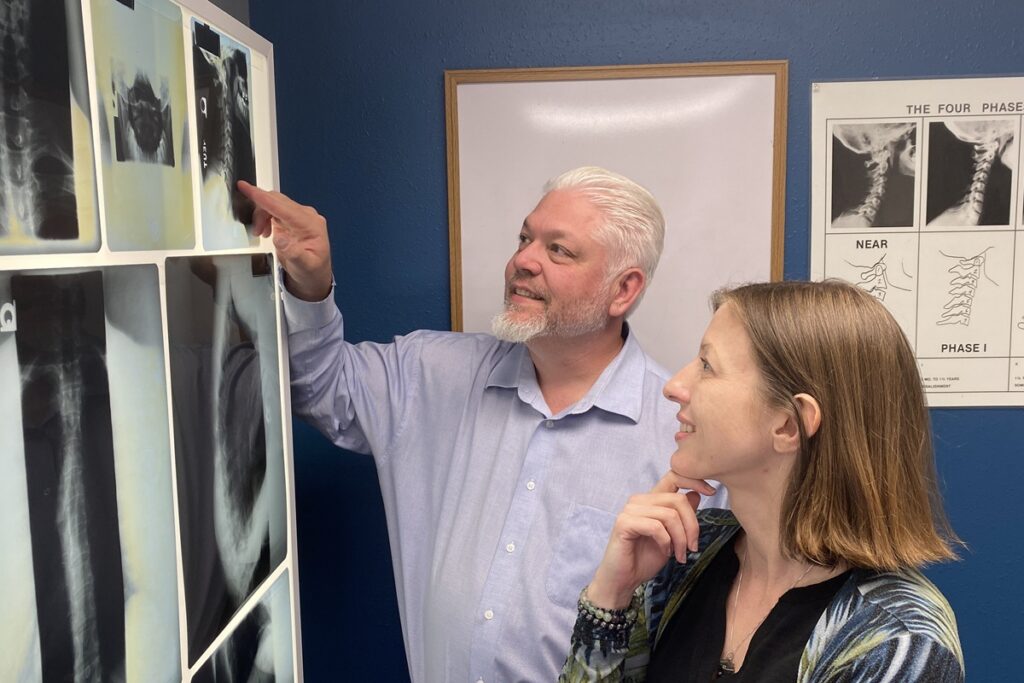
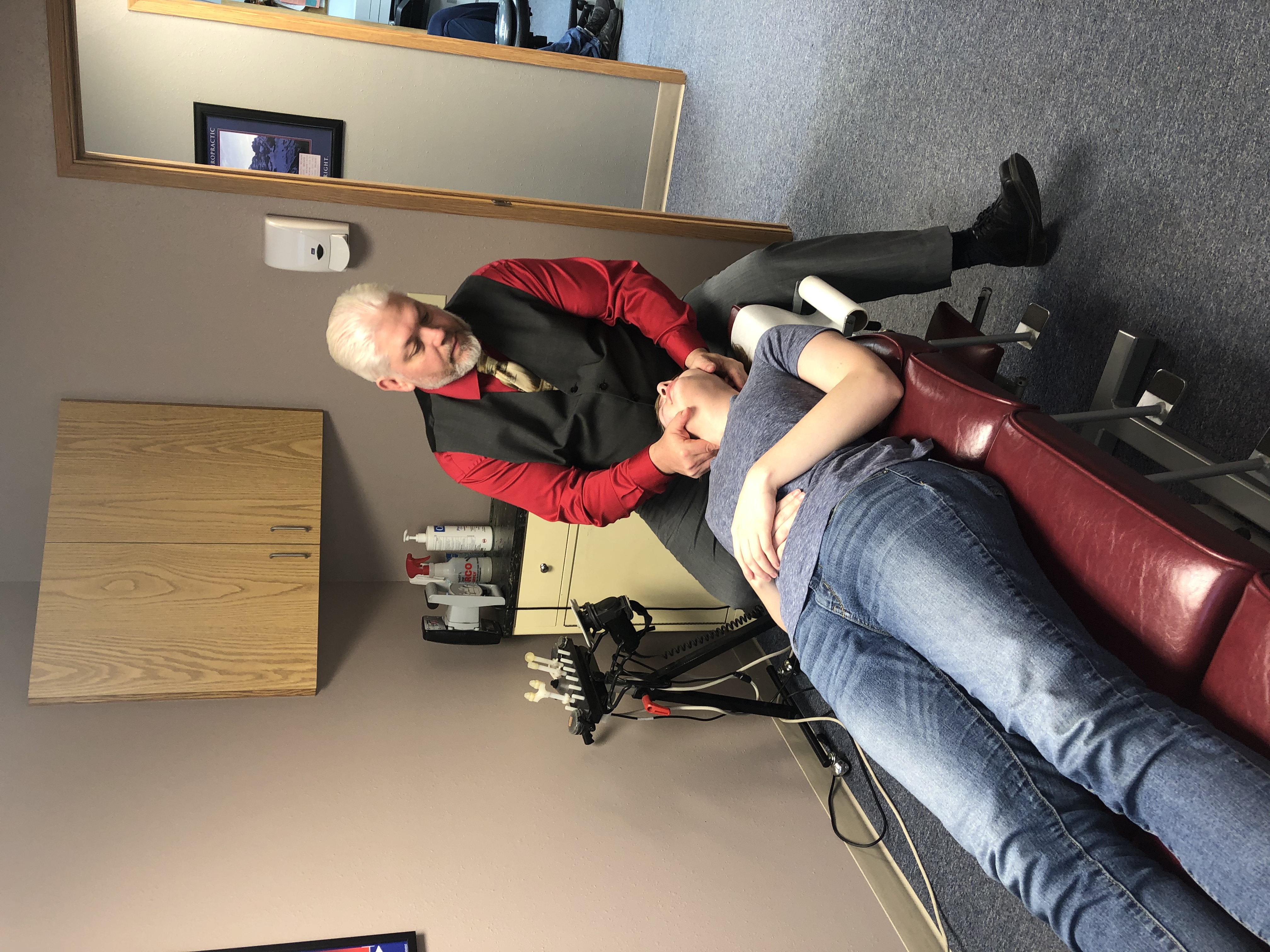
Chiropractic care isn’t a cure for every form of vertigo. But for cases involving the cervical spine, inner ear repositioning, or nervous system dysfunction, it can be a meaningful and effective part of the care plan. At Kuns Chiropractic Clinic in Gresham, OR, Dr. Westley Kuns takes a thorough, individualized approach to evaluating what’s actually driving a patient’s vertigo before recommending any specific treatment.
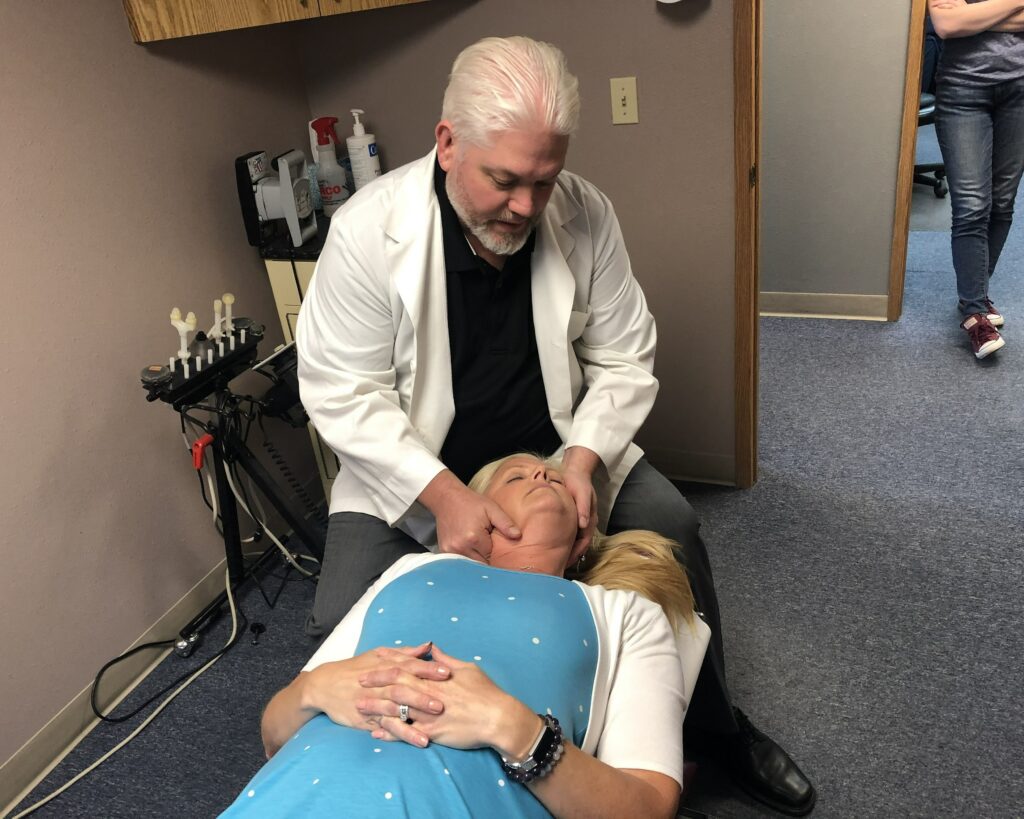
For BPPV, chiropractors trained in the Epley maneuver or similar canalith repositioning techniques can guide displaced inner ear crystals back to their proper location. Research supports these maneuvers as an effective conservative treatment for BPPV, and they can often provide relief in just one or a few sessions.
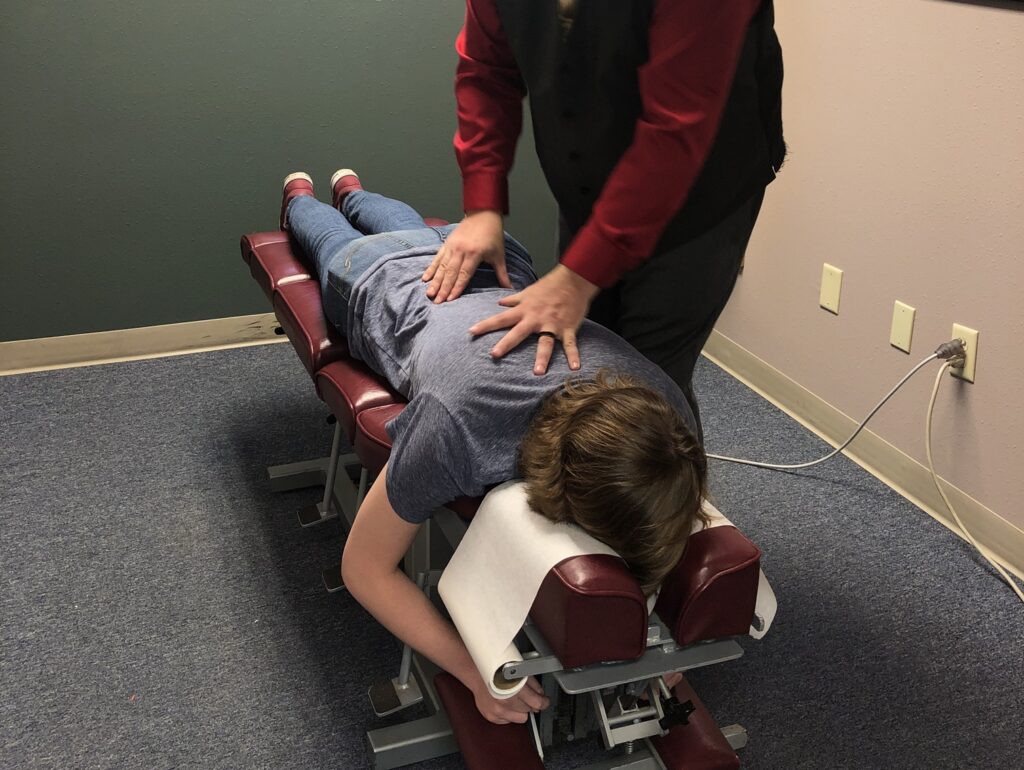
For cervicogenic vertigo, spinal manipulation and mobilization of the upper cervical spine can help restore normal joint movement and reduce the faulty proprioceptive signals that are confusing the brain. Soft tissue work and targeted rehabilitative exercises may also be incorporated to address muscle tension and postural imbalance.
Because vertigo often has multiple contributing factors, care at Kuns Chiropractic may also include physical therapy approaches such as vestibular rehabilitation exercises, which help retrain the brain’s balance processing over time. For patients whose vertigo is connected to broader spinal health concerns, wellness chiropractic care offers an ongoing framework for keeping the nervous system and musculoskeletal system functioning at their best.
It’s also worth noting that headaches and vertigo often travel together. If you’re experiencing both, the team at Kuns Chiropractic is experienced in addressing headache and migraine treatment as part of a comprehensive care plan.
Practical Tips to Manage Vertigo at Home
While professional evaluation is always the most important step, there are some safe, evidence-aligned habits that may help reduce the frequency and severity of vertigo episodes between visits.
First, pay attention to your head position. Sudden position changes — especially from lying down to sitting up, or tilting the head far back — are common triggers for BPPV episodes. Moving slowly and deliberately when changing positions can reduce the likelihood of setting one off.
Second, prioritize your neck health. If you spend long hours at a computer or looking down at a phone, your cervical spine is under constant stress. Simple awareness of posture, taking movement breaks, and keeping screens at eye level can reduce the kind of chronic tension that contributes to cervicogenic dizziness. If you’ve been told your neck is a factor in your symptoms, more guidance on seeing a chiropractor in Gresham for neck pain may be worth exploring.
Third, stay hydrated. Dehydration can affect inner ear fluid balance and contribute to dizziness. This is especially relevant for those with Ménière’s disease but applies broadly to anyone dealing with vertigo.
Fourth, limit caffeine and sodium if you have Ménière’s disease. Both can affect fluid regulation in the inner ear and may increase the frequency of episodes. This is something to discuss with your healthcare provider for personalized guidance.
Finally, don’t push through severe episodes. If a vertigo episode strikes, sit or lie down somewhere safe. Trying to walk through intense spinning can increase fall risk. Rest, let it pass, and document how long it lasted and what triggered it — that information is genuinely useful for your chiropractor or physician.
When to See a Chiropractor for Vertigo
If your vertigo is recurring, lasting more than a few days, or significantly interfering with your daily life, it’s time to seek a professional evaluation. Dr. Westley Kuns at Kuns Chiropractic Clinic in Gresham, OR, is experienced in assessing the musculoskeletal and neurological factors that contribute to vertigo and can help determine whether chiropractic care is appropriate for your situation.
Chiropractic evaluation may be especially helpful if your vertigo is accompanied by neck pain or stiffness, follows a head or neck injury, is triggered primarily by head movement, or has persisted despite other treatments. These patterns often suggest a cervicogenic or BPPV-related component that responds well to conservative care.
However, there are red flags that should prompt immediate medical attention rather than a chiropractic visit. Seek emergency care if your vertigo is accompanied by sudden severe headache, difficulty speaking, vision changes, facial drooping, weakness or numbness in the limbs, loss of consciousness, or difficulty walking. These symptoms could indicate a stroke or other serious neurological event that requires urgent medical evaluation.
For anything that doesn’t fit those emergency criteria, a chiropractic consultation is a reasonable, low-risk first step. The chiropractic care provided at Kuns Chiropractic Clinic is non-invasive, drug-free, and focused on finding and addressing the underlying cause — not just managing symptoms.
Vertigo Causes at a Glance
|
Cause |
Primary Mechanism |
Common Triggers |
Chiropractic Role |
|---|---|---|---|
|
BPPV |
Displaced calcium crystals in the inner ear |
Rolling over in bed, tilting head back |
Canalith repositioning maneuvers (e.g., Epley) |
|
Cervicogenic Dizziness |
Faulty proprioceptive signals from the cervical spine |
Head turning, prolonged desk posture, old neck injuries |
Spinal manipulation, soft tissue therapy, rehab exercises |
|
Vestibular Neuritis / Labyrinthitis |
Inflammation of the vestibular nerve or inner ear |
Often follows a viral illness |
Supportive vestibular rehab exercises |
|
Ménière’s Disease |
Excess fluid pressure in the inner ear |
High sodium intake, caffeine, stress |
Limited direct role; lifestyle guidance, referral coordination |
|
Post-Traumatic Vertigo |
Head or neck injury disrupting inner ear and cervical function |
Car accidents, sports injuries, falls |
Cervical care, whiplash treatment, vestibular rehab |
Myths vs. Facts About Vertigo
Myth: Vertigo is just another word for being dizzy.
Fact: Vertigo is a specific type of dizziness characterized by a spinning or tilting sensation. Not all dizziness is vertigo. Understanding the difference helps ensure you receive the most accurate evaluation and appropriate care.
Myth: There’s nothing you can do about vertigo — you just have to wait it out.
Fact: Many forms of vertigo, particularly BPPV, respond well to targeted treatment. Repositioning maneuvers, vestibular rehabilitation, and cervical spine care have all been shown to help reduce episodes and improve quality of life. You don’t have to just suffer through it.
Myth: Chiropractic care has nothing to do with vertigo.
Fact: Chiropractic care has a well-established role in managing both BPPV (through canalith repositioning) and cervicogenic dizziness (through cervical spine treatment). Many patients who’ve struggled with vertigo for months find meaningful relief through conservative chiropractic care.
Myth: Vertigo only affects older people.
Fact: While BPPV does become more common with age, vertigo can affect people of all ages. Athletes, office workers, young adults who’ve experienced head injuries, and even pregnant women dealing with postural and circulatory changes can all experience vertigo. Dr. Westley Kuns works with a wide range of patients in the Gresham community, including those who also benefit from sports chiropractic care for vertigo connected to athletic injuries.
Myth: If vertigo goes away on its own, you don’t need to do anything.
Fact: BPPV and other forms of vertigo can recur. If you’ve had one episode, addressing the underlying cause — whether that’s displaced inner ear crystals, cervical dysfunction, or something else — can significantly reduce the chances of it coming back. Ignoring it and hoping it stays away isn’t the most proactive strategy for your long-term health.
Final Thoughts From Kuns Chiropractic Clinic
Vertigo is one of those symptoms that can feel truly alarming — and it’s understandable why. The sensation of your world spinning out of control, even briefly, is frightening. But here’s what we want you to take away from this article: in most cases, what causes vertigo is identifiable, and it’s treatable.
At Kuns Chiropractic Clinic in Gresham, OR, Dr. Westley Kuns and the care team are here to help you figure out what’s going on and create a plan that actually addresses the root cause. Whether your vertigo is coming from your inner ear, your cervical spine, or a combination of factors, you deserve a thorough evaluation and a thoughtful, personalized approach to care — not just a shrug and a “wait and see.”
If you’ve been living with recurring dizziness or balance problems, we encourage you to reach out. The Gresham community has trusted Kuns Chiropractic Clinic for years, and we’re proud to offer non-invasive, patient-centered care that helps people get back to feeling steady, confident, and like themselves again.
Frequently Asked Questions
What causes vertigo to come back repeatedly?
Recurring vertigo is often caused by BPPV crystals re-displacing, ongoing cervical spine dysfunction, or an underlying condition like Ménière’s disease that hasn’t been fully addressed. Identifying and treating the specific root cause is the most effective way to reduce how often it returns. You can read more about why vertigo keeps coming back and what a chiropractor can do.
Can a chiropractor help with vertigo?
Yes, in many cases. Chiropractors trained in canalith repositioning maneuvers can effectively treat BPPV, and cervicogenic dizziness often responds well to cervical spine adjustments and soft tissue care. A thorough evaluation is the starting point to determine whether chiropractic care is appropriate for your specific type of vertigo.
Is vertigo dangerous?
Most common forms of vertigo — like BPPV — are not dangerous in themselves, though they do carry a fall risk. However, vertigo accompanied by sudden severe headache, vision changes, weakness, or difficulty speaking may signal a serious neurological issue and requires immediate emergency care.
How long does a vertigo episode usually last?
The duration depends heavily on the cause. BPPV episodes typically last less than one minute and are triggered by head movement. Ménière’s episodes can last 20 minutes to several hours. Vestibular neuritis can cause continuous dizziness for days. If episodes are lasting longer than expected or recurring frequently, professional evaluation is strongly recommended.
Can poor posture cause vertigo?
Poor posture — especially forward head posture from prolonged screen use — can contribute to tension and dysfunction in the upper cervical spine, which may trigger cervicogenic dizziness. This is one reason addressing posture and spinal health is often part of a comprehensive vertigo management plan.
What should I do during a vertigo episode?
Find a safe place to sit or lie down, move slowly, and avoid sudden head movements until the sensation passes. Document how long the episode lasts, what position you were in, and any other symptoms — this information helps your chiropractor or doctor determine the most likely cause.
TL;DR Summary
-
Vertigo is not just dizziness — it’s a specific spinning sensation most often caused by BPPV, inner ear conditions, cervical spine dysfunction, or head/neck injuries.
-
The neck-vertigo connection is real and often overlooked — faulty signals from the upper cervical spine can directly contribute to dizziness and balance problems.
-
Chiropractic care, including repositioning maneuvers and cervical adjustments, can be an effective, non-invasive approach for many types of vertigo.
-
Seek emergency care if vertigo is accompanied by sudden severe headache, speech difficulty, weakness, or vision changes — these are red flags for something more serious.
-
Dr. Westley Kuns at Kuns Chiropractic Clinic in Gresham, OR, provides individualized evaluation and care for patients dealing with vertigo and related balance issues.