If you’ve ever experienced vertigo, you know how unsettling it can be. That spinning sensation, the loss of balance, the nausea—it disrupts your entire day and leaves you wondering when it will strike again. For many people in Gresham and throughout the Portland metro area, vertigo isn’t just a one-time event. It keeps coming back, sometimes without warning, making it difficult to drive, work, or even walk across a room safely. If this sounds familiar, you’re not alone. Recurring vertigo affects millions of Americans each year, and understanding why it returns is the first step toward finding lasting relief. At Kuns Chiropractic Clinic, we see patients dealing with chronic vertigo all the time, and we’ve helped many find answers when traditional approaches haven’t worked.
What is vertigo? Vertigo is a specific type of dizziness characterized by a false sensation of spinning or movement—either you feel like you’re spinning, or the room appears to be moving around you. It’s not the same as feeling lightheaded or faint. Vertigo originates from problems in the inner ear, the vestibular nerve, or the brain’s processing centers that control balance and spatial orientation.
Table of Contents
- Why Vertigo Keeps Coming Back
- The Connection Between Your Spine and Vestibular System
- Common Types of Recurring Vertigo
- How Chiropractic Care Addresses Vertigo
- What Vertigo Treatment Looks Like at Our Gresham Clinic
- Lifestyle Factors That Trigger Vertigo Episodes
- When to Seek Chiropractic Care for Vertigo
- Myths vs. Facts About Vertigo
Why Vertigo Keeps Coming Back
Recurring vertigo is frustrating precisely because it seems unpredictable. One week you’re fine, and the next, you’re gripping the counter just to stay upright. Understanding the underlying causes helps explain why these episodes return.
First, it’s important to recognize that vertigo is a symptom, not a disease itself. Something is causing your balance system to malfunction. If that underlying cause isn’t properly addressed, the symptom will naturally return. Many people experience temporary relief from medications or vestibular exercises, but if the root mechanical or neurological issue remains, vertigo will likely recur.
Research suggests that mechanical dysfunction in the upper cervical spine—the neck region just below your skull—can interfere with the signals sent between your inner ear, your brainstem, and your brain. Your body relies on three systems to maintain balance: your vision, your inner ear (vestibular system), and proprioception (sensory feedback from muscles and joints). When the upper neck isn’t moving properly or when misalignment affects nerve function, these balance signals get scrambled.
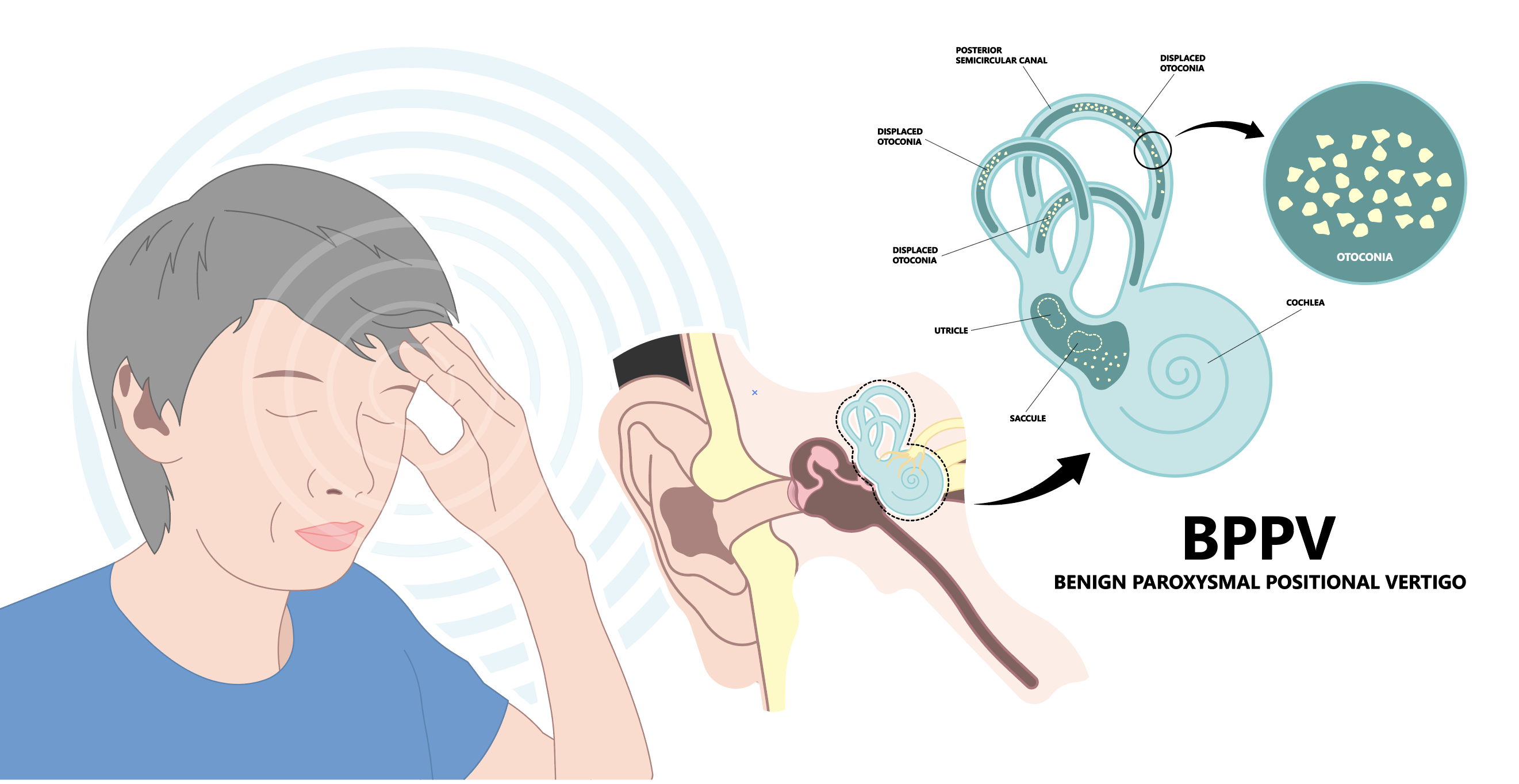
Additionally, crystal displacement in the inner ear (which causes a condition called BPPV) can happen more than once. These tiny calcium carbonate crystals can become dislodged again due to head trauma, aging, prolonged bed rest, or even changes in neck position. If the mechanical issues in your neck contribute to repeated crystal displacement, the vertigo will keep returning until both problems are addressed.
Other contributing factors include chronic muscle tension in the neck and shoulders, poor posture that strains the cervical spine, previous whiplash injuries that never fully healed, and vestibular nerve irritation from spinal misalignments. Here at Kuns Chiropractic Clinic, we often see patients whose vertigo started after a car accident or a fall—even if that injury happened months or years earlier. The body compensates for a while, but eventually, those compensations break down and symptoms emerge.
The Connection Between Your Spine and Vestibular System
Your spine and your balance system are intimately connected through the nervous system. The upper cervical spine—specifically the atlas (C1) and axis (C2) vertebrae—sits right at the junction where your spinal cord meets your brainstem. This area is packed with proprioceptive receptors that constantly send information to your brain about your head’s position in space.
When these vertebrae become misaligned or restricted in their movement, they can disrupt the flow of accurate information to your brain’s balance centers. The result? Confusion. Your brain receives conflicting signals: your eyes say you’re standing still, but your neck proprioceptors are sending garbled messages that suggest movement. This mismatch creates the sensation of spinning.
The vertebral arteries, which supply blood to the brainstem and inner ear structures, also run through small openings in the cervical vertebrae. Misalignment or muscle tension can potentially affect blood flow in this region, although this is less common than the proprioceptive disruption.
Evidence indicates that cervicogenic dizziness—dizziness originating from the neck—is more common than many people realize. Patients often don’t connect their neck stiffness or old whiplash injury with their current vertigo symptoms. They’ve tried inner ear treatments, medications, and dietary changes, but nothing provides lasting relief because the cervical component hasn’t been addressed.
Many patients at Kuns Chiropractic Clinic in Gresham have reported that their vertigo worsens with certain neck movements—turning their head quickly, looking up at shelves, or backing out of parking spaces. These positional triggers often point to a cervical spine involvement in their symptoms.
Common Types of Recurring Vertigo
Understanding what type of vertigo you have helps determine the best approach to care. Different types have different causes, though they can sometimes overlap.
Benign Paroxysmal Positional Vertigo (BPPV)
BPPV is the most common cause of vertigo. It occurs when tiny calcium crystals in your inner ear become dislodged and float into the semicircular canals—the fluid-filled tubes that sense head rotation. When you move your head, these crystals move around and send false signals to your brain about motion. BPPV typically causes brief episodes of intense spinning triggered by specific head movements, like rolling over in bed or tilting your head back.
BPPV can recur because the crystals can become dislodged again, especially if underlying neck problems continue to affect head positioning and inner ear mechanics. The recurrence rate for BPPV is significant, with studies showing that up to 50 percent of patients experience symptoms again within five years.
Cervicogenic Dizziness
This type of dizziness comes directly from problems in the cervical spine. It’s often accompanied by neck pain, stiffness, or headaches. The vertigo tends to be less intense than BPPV but more persistent and vague. Patients describe it as feeling unsteady, off-balance, or floating rather than experiencing a true spinning sensation. Cervicogenic dizziness responds particularly well to chiropractic care because the underlying cause is mechanical dysfunction in the neck joints and muscles.
Vestibular Neuritis or Labyrinthitis
These conditions involve inflammation of the vestibular nerve or inner ear structures, often following a viral infection. While the acute phase typically resolves, some patients develop chronic imbalance or recurring episodes. This may be due to incomplete recovery, ongoing inflammation, or compensation patterns that develop in the neck and postural muscles.
Meniere’s Disease
Meniere’s disease involves excess fluid buildup in the inner ear and typically includes vertigo episodes along with hearing loss, tinnitus, and ear fullness. While chiropractic care doesn’t cure Meniere’s disease, addressing cervical spine dysfunction and improving nerve communication can help reduce episode frequency and severity for some patients.
| Type of Vertigo | Primary Trigger | Duration of Episodes | Associated Symptoms |
|---|---|---|---|
| BPPV | Head position changes | Seconds to minutes | Nausea, imbalance |
| Cervicogenic Dizziness | Neck movement or position | Hours to days | Neck pain, headaches, stiffness |
| Vestibular Neuritis | Recent viral infection | Hours to days initially | Nausea, imbalance, no hearing loss |
| Meniere’s Disease | Fluid pressure changes | 20 minutes to hours | Hearing loss, tinnitus, ear fullness |
How Chiropractic Care Addresses Vertigo
Chiropractic care for vertigo focuses on restoring proper function to the cervical spine and improving the communication between your nervous system and balance centers. This approach is conservative, non-invasive, and drug-free—making it an excellent option for patients who want to address the root cause rather than just mask symptoms.
The primary goal is to identify and correct spinal misalignments or restrictions, particularly in the upper cervical region. When these vertebrae move properly and nerve signaling improves, many patients experience significant reduction in vertigo frequency and intensity.
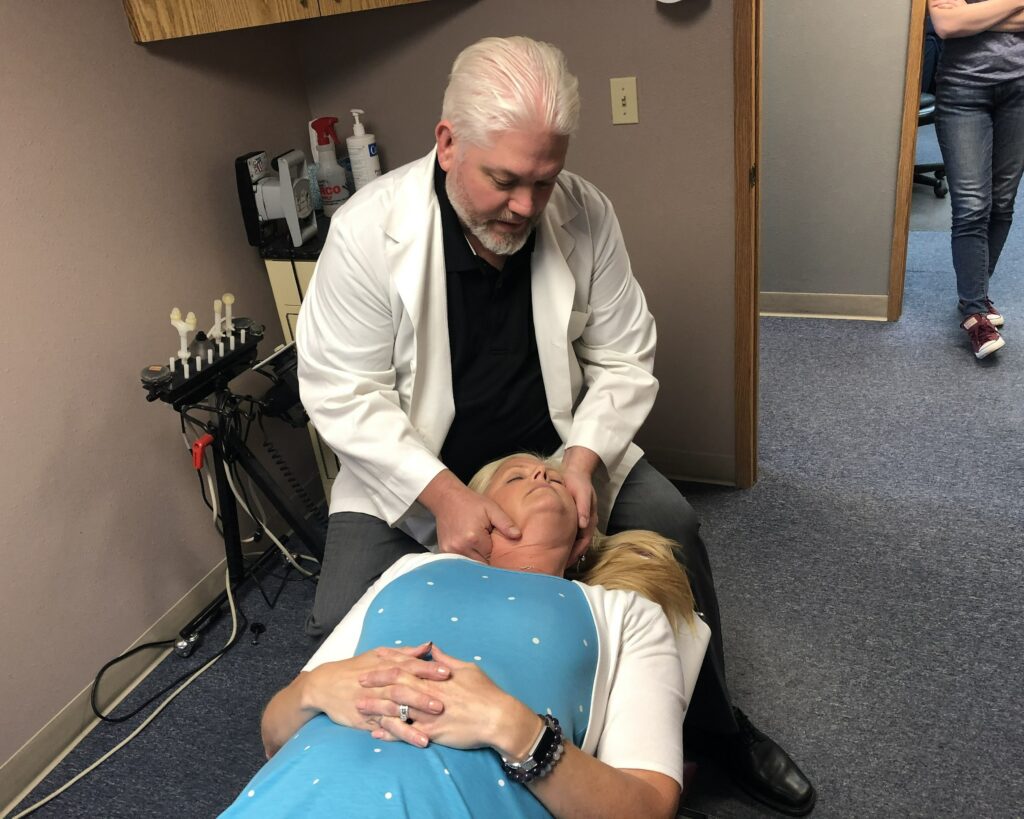
Specific chiropractic adjustments to the upper neck can help restore normal proprioceptive input to the brain. When your brain receives accurate information about head position, the confusion that causes vertigo diminishes. Research has shown that chiropractic adjustments may help reduce dizziness and improve balance in patients with cervicogenic causes.
For BPPV specifically, chiropractors trained in vestibular rehabilitation can perform canalith repositioning procedures such as the Epley maneuver. This technique guides the displaced crystals out of the semicircular canals and back into the proper chamber of the inner ear where they belong. While not technically an adjustment, this procedure is often part of a comprehensive chiropractic approach to vertigo.
Beyond adjustments, chiropractors may recommend specific exercises to retrain your balance system, improve neck strength and flexibility, and reduce muscle tension that contributes to symptoms. These exercises help reinforce the improvements gained from adjustments and reduce the likelihood of recurrence.
At Kuns Chiropractic Clinic, we take a thorough approach to vertigo care. We don’t just adjust your neck and send you on your way. We examine your posture, your movement patterns, your history of injuries, and how all these factors might be contributing to your recurring symptoms. This comprehensive evaluation helps us create an individualized care plan tailored to your specific needs.
What Vertigo Treatment Looks Like at Our Gresham Clinic
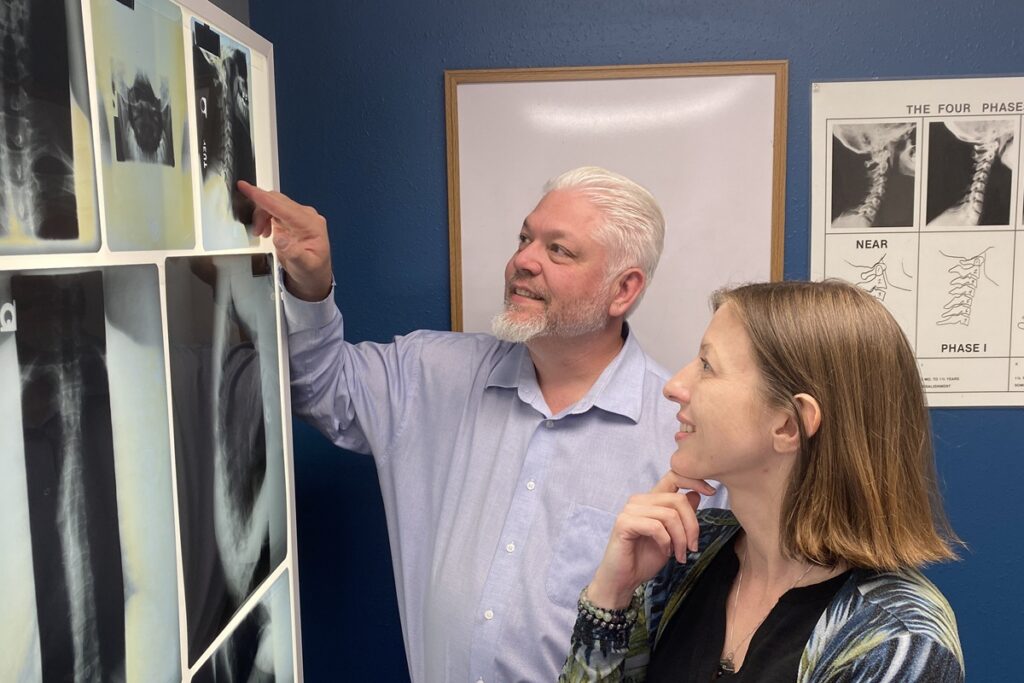
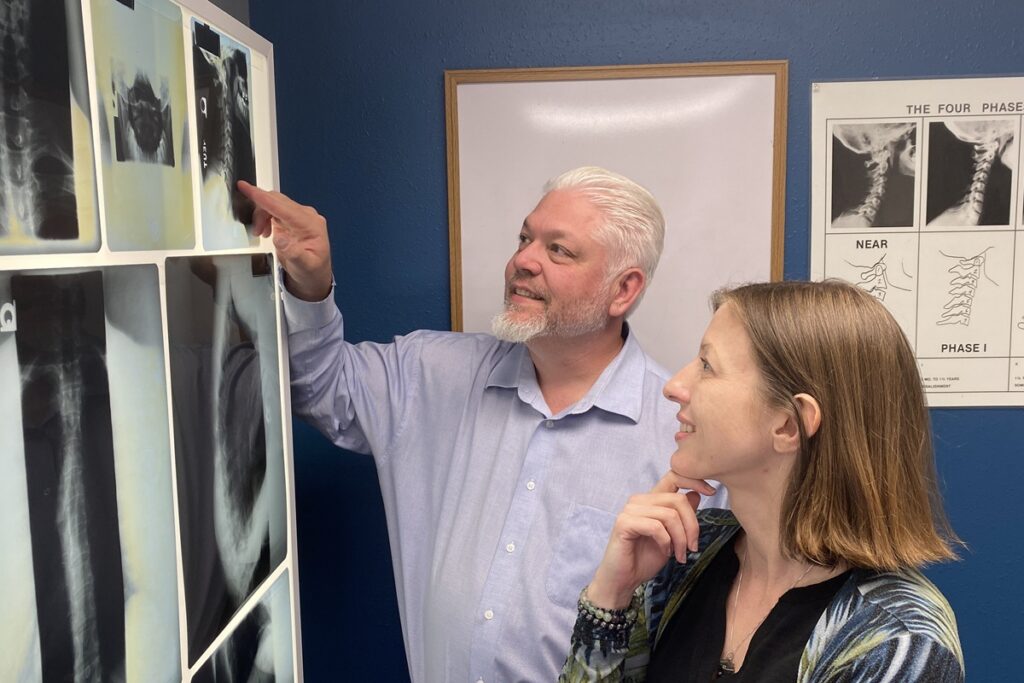
When you come to Kuns Chiropractic Clinic with recurring vertigo, we start with a detailed consultation and examination. We want to understand when your vertigo started, what triggers it, how long episodes last, and what other symptoms accompany it. We’ll also ask about past injuries, especially whiplash or head trauma, that might be contributing to your current problems.
Our examination includes orthopedic and neurological testing, cervical spine evaluation, posture analysis, and when appropriate, specific tests to assess vestibular function. We may perform positional testing to see if certain head movements trigger your symptoms, helping us determine whether BPPV, cervicogenic dizziness, or both are involved.
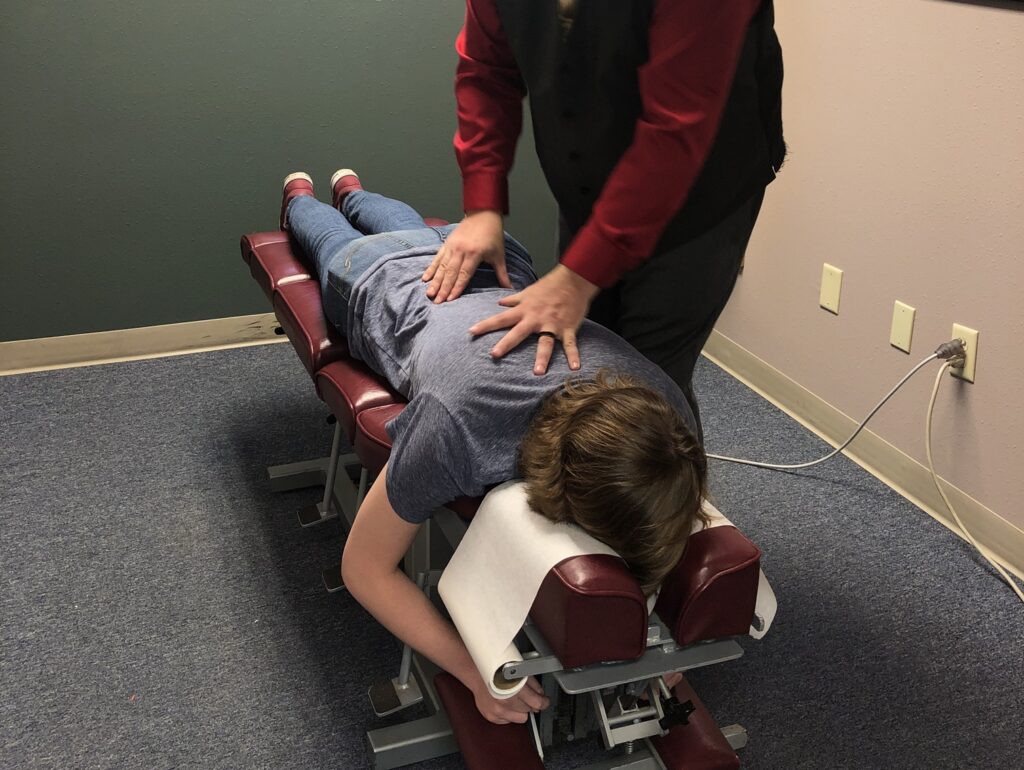
Based on our findings, we develop a personalized care plan. This typically includes gentle, specific chiropractic adjustments to the upper cervical spine, therapeutic exercises to improve balance and strengthen supporting muscles, and education about posture, ergonomics, and lifestyle factors that may be triggering episodes.
If we identify BPPV, we can perform canalith repositioning right here in the clinic. Many patients experience immediate relief after just one or two repositioning procedures. However, addressing any underlying cervical dysfunction is equally important to prevent the crystals from becoming dislodged again.
Treatment frequency varies depending on your specific condition and how long you’ve been dealing with symptoms. Some patients notice improvement within a few visits, while others with chronic, long-standing vertigo may need a longer course of care. We monitor your progress closely and adjust the treatment plan as needed.
What sets chiropractic care apart is that we’re not just treating your symptoms—we’re working to correct the underlying mechanical and neurological issues that allow vertigo to keep returning. This approach often provides more lasting results than symptom management alone.
Lifestyle Factors That Trigger Vertigo Episodes
While structural problems in the cervical spine often underlie recurring vertigo, certain lifestyle factors can trigger episodes or make existing vertigo worse. Understanding these triggers helps you take a more active role in managing your condition.
Poor posture: Forward head posture, common among people who work at computers or use smartphones frequently, places enormous strain on the upper cervical spine. Over time, this postural stress can contribute to misalignments and muscle tension that interfere with balance signaling. Here in Gresham, we see many office workers and tech professionals whose vertigo is directly related to their workspace ergonomics.
Dehydration: Your inner ear contains fluid that’s essential for balance function. Dehydration can alter the composition and pressure of these fluids, potentially triggering vertigo episodes, especially in people with Meniere’s disease or other inner ear conditions.
Sleep position: Sleeping with your neck in awkward positions or using pillows that don’t properly support your cervical spine can contribute to morning vertigo. If you wake up with vertigo regularly, your sleeping setup may be part of the problem.
Stress and muscle tension: Chronic stress causes muscles in the neck and shoulders to tighten, which can restrict cervical spine movement and contribute to cervicogenic dizziness. Many patients notice their vertigo worsens during particularly stressful periods.
Rapid head movements: Quick turns, looking up suddenly, or bending over and standing up quickly can all trigger vertigo in susceptible individuals. While you can’t avoid all head movements, being mindful of how you move—especially if you know you’re prone to vertigo—can help reduce episodes.
Dietary factors: For people with Meniere’s disease or migraine-associated vertigo, certain foods and drinks can trigger episodes. Common culprits include high sodium intake, caffeine, alcohol, and foods containing tyramine or MSG.
Lack of movement: Ironically, while rapid movements can trigger vertigo, being too sedentary can also contribute to the problem. Regular movement keeps your cervical spine mobile and your balance system calibrated. People who sit for long hours without breaks often develop the neck stiffness and postural problems that contribute to recurring vertigo.

When to Seek Chiropractic Care for Vertigo
If you’re experiencing recurring vertigo, chiropractic evaluation is appropriate in many situations. You should consider seeking care at Kuns Chiropractic Clinic if your vertigo keeps coming back despite other treatments, if your vertigo is accompanied by neck pain or stiffness, if specific head or neck positions trigger your symptoms, or if your vertigo started following a car accident, fall, or other injury.
Other indicators that chiropractic care may help include vertigo that’s worse in the morning or after sitting for long periods, a history of whiplash even if it occurred years ago, general feelings of imbalance or unsteadiness rather than true spinning, or if you’ve been told your inner ear tests are normal but symptoms persist.
The duration and frequency of episodes also matter. If you’re having vertigo episodes weekly or even monthly, that’s too often. You don’t have to live with recurring vertigo, and seeking help sooner rather than later often leads to better outcomes.
However, certain symptoms require immediate medical attention and are not appropriate for initial chiropractic care. Seek emergency medical evaluation if you experience sudden, severe vertigo accompanied by chest pain, difficulty breathing, severe headache unlike any you’ve had before, double vision or vision loss, difficulty speaking or slurred speech, weakness or numbness in your face, arms, or legs, or loss of consciousness.
These symptoms could indicate stroke, cardiovascular problems, or other serious medical conditions that require immediate intervention. Chiropractic care is an excellent option for mechanical and functional causes of vertigo, but we always prioritize your safety and will refer you for appropriate medical evaluation when necessary.
At our Gresham clinic, we work collaboratively with other healthcare providers when needed. If we identify something during your examination that falls outside our scope or requires additional medical workup, we’ll make appropriate referrals while continuing to address the musculoskeletal components we can help with.
Myths vs. Facts About Vertigo
Myth: Vertigo is the same as dizziness
Fact: Vertigo is a specific type of dizziness characterized by a spinning or rotational sensation. Other forms of dizziness include lightheadedness, feeling faint, or general unsteadiness. The distinction matters because different types of dizziness have different causes and require different approaches to care.
Myth: Vertigo always means you have an inner ear problem
Fact: While inner ear disorders are a common cause of vertigo, problems in the cervical spine, nervous system, or even visual system can also cause vertigo and balance problems. Many patients have been told their vertigo is solely an inner ear issue when cervical spine dysfunction is actually the primary cause or a significant contributing factor.
Myth: There’s nothing you can do about recurring vertigo except take medication
Fact: Medications can help manage symptoms temporarily, but they don’t address underlying mechanical or structural causes. Chiropractic care, vestibular rehabilitation, lifestyle modifications, and specific exercises can all help reduce vertigo frequency and intensity by addressing root causes rather than just masking symptoms.
Myth: If you have vertigo, you should avoid moving your head or being active
Fact: While it’s natural to want to stay still during an active vertigo episode, avoiding movement long-term actually makes your balance system worse. Appropriate movement, guided exercises, and gradually reintroducing normal activities help your brain recalibrate and improve your overall balance function. Your chiropractor can guide you on safe ways to stay active while managing your symptoms.
Myth: Chiropractic adjustments for vertigo are dangerous
Fact: When performed by a trained, licensed chiropractor, adjustments are safe and effective. Research indicates that serious complications from cervical adjustments are extremely rare. Your chiropractor will perform a thorough examination and screening to ensure adjustments are appropriate for your specific condition. At Kuns Chiropractic Clinic, patient safety is always our top priority.
Final Thoughts from Kuns Chiropractic Clinic
Recurring vertigo doesn’t have to control your life. If you’ve been dealing with repeated episodes and haven’t found lasting relief, the underlying cause may be in your cervical spine. Here in Gresham, Oregon, we’ve helped countless patients at Kuns Chiropractic Clinic find answers when other approaches haven’t worked.
The connection between your neck and your balance system is powerful, and addressing cervical spine dysfunction can make a significant difference in vertigo frequency and severity. Whether you’re dealing with BPPV, cervicogenic dizziness, or a combination of factors, a thorough chiropractic evaluation can help identify what’s driving your symptoms and create a path toward lasting improvement.
You don’t have to accept recurring vertigo as something you just have to live with. Conservative, non-invasive chiropractic care offers a safe, effective option for addressing the root causes of your symptoms. If you’re ready to stop wondering when the next episode will strike and start taking control of your balance health, we’re here to help you every step of the way.
Frequently Asked Questions
Can a chiropractor really help with vertigo?
Yes, chiropractic care can be very effective for many types of vertigo, particularly BPPV and cervicogenic dizziness. Chiropractors can perform canalith repositioning procedures for BPPV and provide specific adjustments to correct cervical spine dysfunction that contributes to balance problems. Research supports chiropractic care as a conservative treatment option for vertigo.
How long does it take to see results from chiropractic treatment for vertigo?
This varies depending on the cause and duration of your vertigo. Some patients experience significant improvement after just one or two visits, especially with BPPV repositioning procedures. Cervicogenic dizziness may take several weeks of consistent care to see full results. Your chiropractor will monitor your progress and adjust your treatment plan accordingly.
Why does my vertigo come back even after treatment?
Vertigo recurs when the underlying cause hasn’t been fully addressed. This might be persistent cervical spine dysfunction, ongoing postural stress, untreated muscle tension, or a combination of factors. Sometimes crystals in the inner ear become dislodged again if neck mechanics continue to be problematic. Comprehensive chiropractic care addresses these underlying issues to reduce recurrence.
Is it normal to feel dizzy after a chiropractic adjustment?
A small percentage of patients may experience mild, temporary lightheadedness after an adjustment as their nervous system adjusts to improved spinal function. This typically resolves within a few minutes to hours. If you experience significant dizziness after an adjustment, inform your chiropractor right away so they can modify your care approach.
Can poor posture really cause vertigo?
Yes, chronic poor posture—especially forward head posture—places significant stress on the upper cervical spine and can interfere with the proprioceptive signals that help maintain balance. Over time, this postural stress can contribute to cervicogenic dizziness and may even make BPPV more likely to recur by affecting how your head and neck move together.
Should I see a chiropractor or a medical doctor for my vertigo?
Ideally, you should work with healthcare providers who address your specific needs. If you have red flag symptoms like sudden severe vertigo with neurological signs, seek immediate medical attention. For recurring vertigo, especially with neck involvement or after previous injuries, chiropractic evaluation is appropriate and often very helpful. Many patients benefit from collaborative care between chiropractors and medical providers.
TL;DR – Key Takeaways
- Recurring vertigo often stems from underlying cervical spine dysfunction that disrupts balance signals between your neck, inner ear, and brain.
- Chiropractic care addresses vertigo through specific adjustments to the upper cervical spine, canalith repositioning procedures for BPPV, and comprehensive rehabilitation exercises.
- Common types of recurring vertigo include BPPV, cervicogenic dizziness, and vestibular disorders—each responds differently to chiropractic intervention.
- Lifestyle factors like poor posture, dehydration, stress, and rapid head movements can trigger vertigo episodes, especially when underlying spinal dysfunction exists.
- If your vertigo keeps coming back despite other treatments, or if it’s accompanied by neck pain and stiffness, chiropractic evaluation at Kuns Chiropractic Clinic in Gresham, Oregon may provide the answers and relief you’ve been seeking.