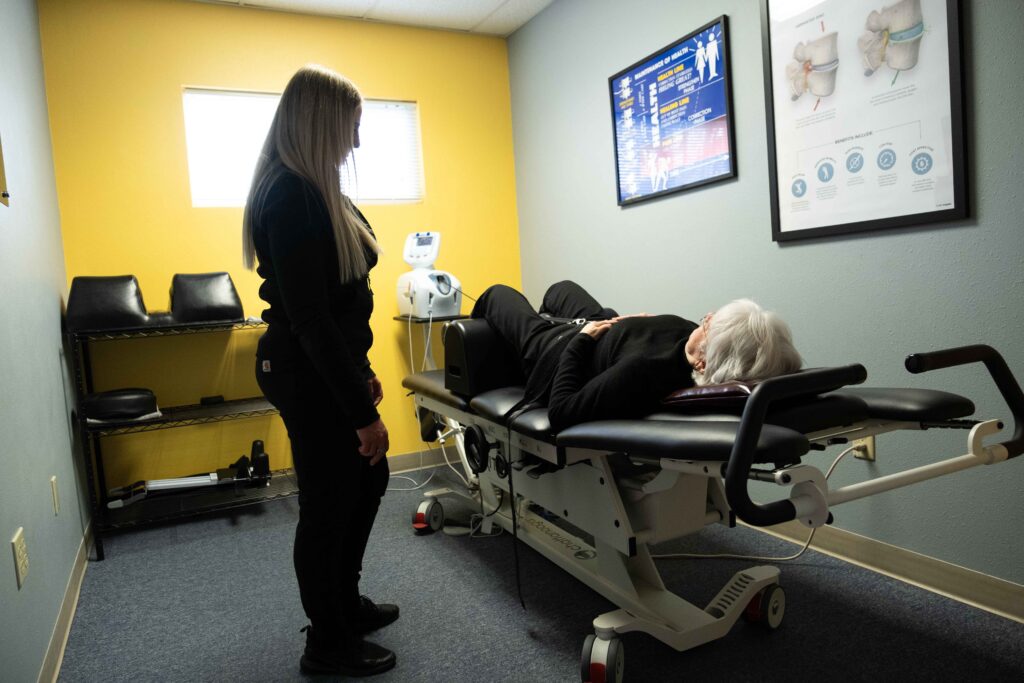

If you’ve been dealing with chronic back pain, sciatica, or herniated disc symptoms for months—or even years—you know how frustrating it can be when treatment after treatment fails to bring relief. You’ve tried medication, physical therapy, injections, maybe even considered surgery. Yet the pain persists, limiting your daily activities and quality of life. Here in Gresham, OR, many patients walk through the doors of Kuns Chiropractic Clinic feeling defeated, wondering if anything will truly help. That’s when we often introduce them to spinal decompression therapy—a non-surgical, drug-free approach that has helped countless patients find relief when other treatments have fallen short. This article will explain exactly why spinal decompression works, how it differs from other treatments, and what makes it effective for conditions that seem impossible to resolve.
What is Spinal Decompression Therapy?
Spinal decompression is a specialized treatment that uses controlled, gentle traction to relieve pressure on compressed spinal discs and nerves. By creating negative pressure within the disc, it promotes the movement of water, oxygen, and nutrient-rich fluids into the disc, encouraging a natural healing environment while reducing pain and improving function.
Table of Contents
- Understanding Why Other Treatments Often Fail
- How Spinal Decompression Actually Works
- Conditions That Respond Well to Spinal Decompression
- The Key Difference from Other Treatments
- What to Expect During Spinal Decompression Therapy
- Why Spinal Decompression Succeeds When Others Fail
- Maximizing Your Results with Lifestyle Support
- When to Consider Spinal Decompression
- Final Thoughts from Kuns Chiropractic Clinic
Understanding Why Other Treatments Often Fail
Before we dive into why spinal decompression works, it’s important to understand why so many conventional treatments fall short for chronic spinal conditions. Most traditional approaches focus on symptom management rather than addressing the underlying structural problem. Pain medications, for example, can temporarily mask discomfort but do nothing to heal a herniated disc or reduce nerve compression.
Physical therapy exercises are valuable for strengthening and stability, but if a disc is significantly herniated or degenerative changes have progressed, exercises alone may not create enough space to relieve nerve pressure. Similarly, cortisone injections can reduce inflammation temporarily, but they don’t restore disc height or improve disc hydration—two critical factors in long-term spinal health.
Many patients here in Gresham have shared stories of cycling through multiple treatments without lasting improvement. The common denominator is that these approaches don’t directly address the biomechanical compression happening within the spine itself. That’s where spinal decompression offers something fundamentally different.
How Spinal Decompression Actually Works
Spinal decompression therapy uses a specialized computerized table that applies gentle, intermittent traction to specific segments of your spine. Unlike older forms of traction that applied constant pulling force, modern decompression tables use cycles of stretch and relaxation that prevent your muscles from resisting the treatment.
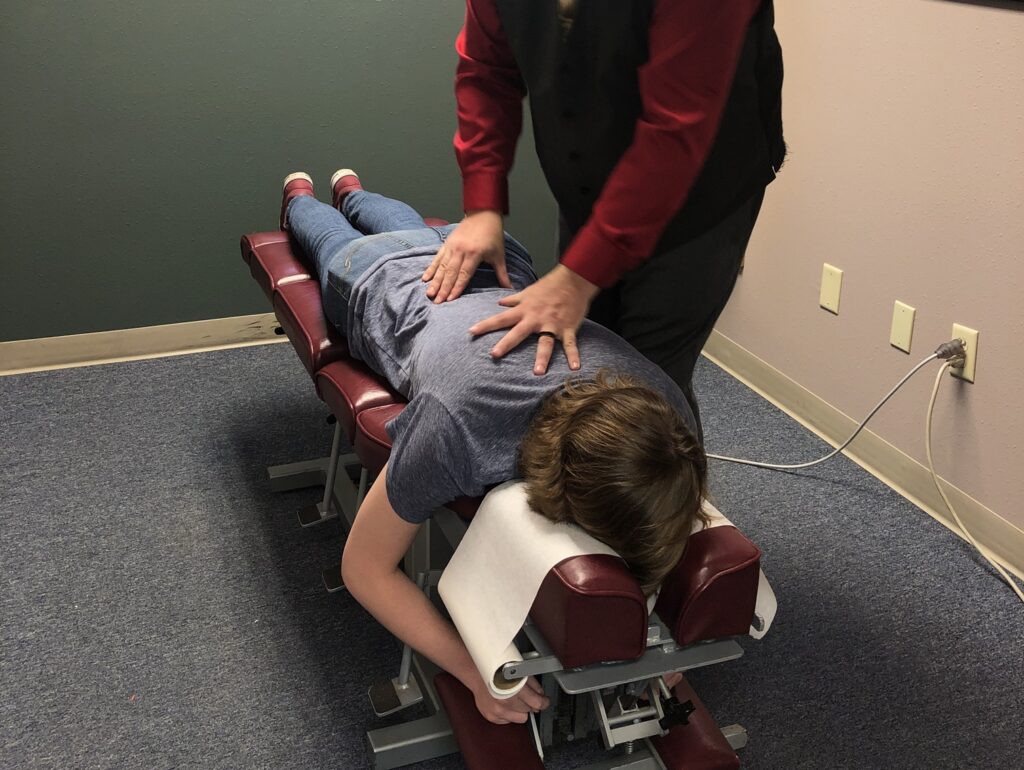
During a session, you’re comfortably positioned on the table with straps securing your pelvis or upper body, depending on whether we’re treating your lumbar or cervical spine. The table then creates a controlled distraction force that gently stretches the spine. This stretching creates negative pressure within the intervertebral disc—a vacuum effect that can draw bulging or herniated disc material back toward the center of the disc.
More importantly, this negative pressure allows nutrient-rich fluids to flow into the disc. Spinal discs don’t have a direct blood supply, so they rely on this fluid exchange for nutrition and healing. By repeatedly creating this negative pressure environment, decompression therapy promotes disc rehydration and can stimulate the body’s natural healing mechanisms.
The treatment also reduces pressure on compressed nerve roots. When a disc herniates or degenerates, it can press against nearby nerves, causing radiating pain, numbness, or tingling. By creating space and reducing that pressure, nerve function can improve and symptoms often decrease significantly.
Conditions That Respond Well to Spinal Decompression
At Kuns Chiropractic Clinic, we’ve seen remarkable results with spinal decompression for several specific conditions. Research suggests that certain spinal disorders respond particularly well to this type of therapy.
Herniated and Bulging Discs
When the soft inner material of a spinal disc pushes through its outer layer, it can compress nearby nerves and cause severe pain. Decompression therapy has been shown to help reduce the size of disc herniations and alleviate associated nerve compression. Many patients who were told surgery was their only option have found significant relief through consistent decompression treatment.
Degenerative Disc Disease
As we age, spinal discs naturally lose hydration and height. This degenerative process can lead to chronic pain and reduced mobility. While we can’t reverse aging, spinal decompression can help rehydrate degenerative discs and slow the progression of deterioration. Patients often report improved comfort and function even with advanced degenerative changes.
Sciatica
Sciatic nerve pain—that sharp, shooting pain that travels down your leg—is often caused by compression of nerve roots in the lower back. By reducing pressure on these nerve roots, spinal decompression can provide dramatic relief from sciatica symptoms. Many Gresham patients have come to us barely able to walk and left treatment able to return to normal activities.
Spinal Stenosis
This condition involves narrowing of the spinal canal, which puts pressure on the spinal cord and nerves. While decompression can’t widen the bony canal, it can create more space between vertebrae and reduce pressure on neural structures, often providing significant symptom relief.
Facet Syndrome and Posterior Joint Pain
Compressed spinal joints can become inflamed and painful. Decompression helps separate these joints, reducing friction and inflammation while promoting better joint mechanics.
The Key Difference from Other Treatments
What sets spinal decompression apart from other conservative treatments is its ability to create a healing environment at the disc level while simultaneously reducing nerve compression. Let’s look at how it compares to other common approaches:
| Treatment Approach | Primary Action | Limitation | Spinal Decompression Advantage |
|---|---|---|---|
| Pain Medication | Masks pain signals | Doesn’t address structural problem; temporary relief only | Addresses root cause by reducing disc pressure and promoting healing |
| Physical Therapy | Strengthens muscles, improves mobility | May not create enough space to relieve severe nerve compression | Directly decompresses discs and nerves while PT can complement treatment |
| Cortisone Injections | Reduces inflammation temporarily | Doesn’t restore disc height; effects wear off; limited number allowed | Promotes disc healing and rehydration for longer-lasting results |
| Traditional Traction | Stretches spine with constant pull | Muscles often resist; less effective at creating negative disc pressure | Computerized cycles prevent muscle guarding; creates optimal healing environment |
| Surgery | Removes disc material or fuses vertebrae | Invasive; long recovery; risks; permanent structural changes | Non-surgical, no downtime, preserves spinal structure and motion |
What to Expect During Spinal Decompression Therapy
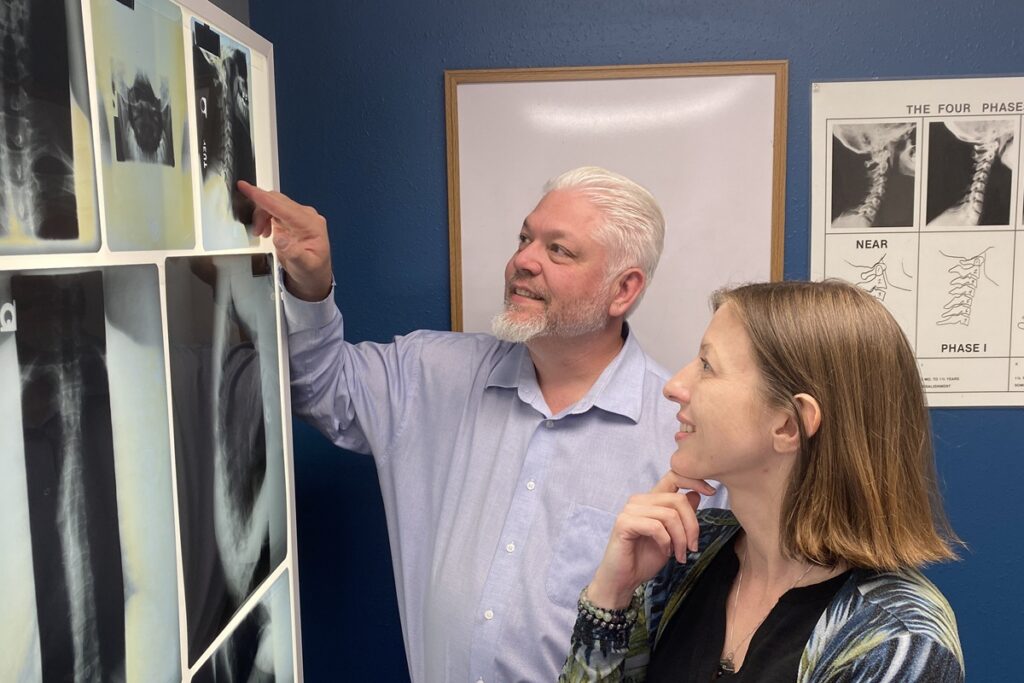
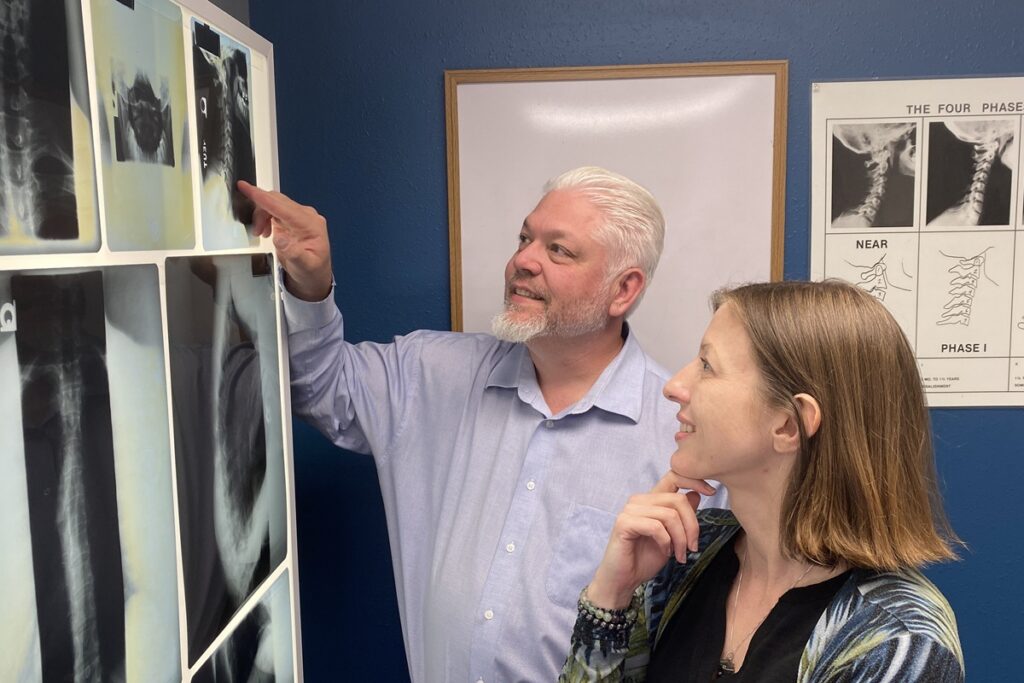
Understanding the treatment process helps patients feel more comfortable and confident. At Kuns Chiropractic Clinic in Gresham, we always begin with a thorough evaluation including your health history, examination, and review of any imaging studies you may have.
Each decompression session typically lasts between twenty and thirty minutes. You remain fully clothed and are positioned comfortably on the decompression table. Most patients find the treatment relaxing—some even fall asleep during sessions. You’re in complete control and can stop the treatment at any time if you feel uncomfortable, though this is rarely necessary.
The computerized table applies gentle pulling forces in cycles, alternating between stretching and relaxation. You’ll feel a gentle pulling sensation, but it should never be painful. The treatment parameters are customized based on your specific condition, body weight, and tolerance. We carefully monitor your response and adjust settings as needed throughout your treatment plan.
Most patients require a series of treatments to achieve optimal results. A typical treatment plan might include fifteen to twenty sessions over four to six weeks, though this varies based on the severity and chronicity of your condition. Some patients notice improvement after just a few sessions, while others require more time as the healing process unfolds gradually.
After each session, we often recommend a short period of rest or gentle walking to allow your spine to stabilize. Many patients experience immediate relief, while others notice progressive improvement as treatment continues. It’s important to follow the recommended treatment schedule, as consistency is key to achieving lasting results.
Why Spinal Decompression Succeeds When Others Fail
The question many patients ask is simple: why does spinal decompression work when so many other treatments haven’t? The answer lies in several unique mechanisms that make this therapy particularly effective for chronic spinal conditions.
It Addresses the Root Cause
Most failed treatments focus on managing symptoms rather than correcting the underlying problem. Spinal decompression directly addresses disc compression, the root cause of many chronic back and neck conditions. By creating negative pressure and space within the disc, it tackles the structural issue that’s generating your symptoms.
It Promotes Natural Healing
The negative pressure created during decompression draws nutrients, oxygen, and healing factors into the disc tissue. This is critical because discs have limited blood supply and rely on this fluid exchange for health. When a disc is compressed and degenerated, this natural exchange is compromised. Decompression restores it, allowing your body’s own healing mechanisms to work more effectively.
It’s Specific and Targeted
Modern decompression tables can be programmed to target specific spinal segments. This means we’re applying therapeutic force exactly where you need it, not just generically stretching your entire spine. This specificity makes treatment more effective and efficient than broader approaches.
It Overcomes Muscle Guarding
Your body has protective reflexes that cause muscles to tighten when your spine is pulled. Traditional traction often triggers this response, limiting effectiveness. Computerized decompression uses gentle cycles that work with your body rather than against it, allowing deeper therapeutic effects without triggering protective muscle spasms.
It’s Non-Invasive with Minimal Risk
Because decompression is gentle and non-surgical, it carries very little risk compared to injections or surgery. This means patients who’ve been told they need surgery often have a safe alternative to try first. Evidence indicates that many patients who would otherwise require surgical intervention find sufficient relief through decompression therapy.
It Can Reverse Degenerative Changes
While we can’t completely reverse aging or long-standing degeneration, research suggests spinal decompression can improve disc hydration and height in degenerative discs. This is something that medications, therapy exercises, and injections simply cannot accomplish. By restoring some of the disc’s natural cushioning ability, decompression can significantly improve comfort and function.
Maximizing Your Results with Lifestyle Support
While spinal decompression is powerful on its own, you can enhance and maintain your results through smart lifestyle choices. At Kuns Chiropractic Clinic, we emphasize that treatment works best when combined with supportive daily habits.
Stay Hydrated: Your spinal discs are mostly water. Drinking adequate water throughout the day supports the rehydration process that decompression initiates. Aim for half your body weight in ounces of water daily.
Maintain Proper Posture: Poor posture increases disc pressure and can undermine treatment results. Be mindful of your sitting posture, especially if you work at a desk. Keep your computer monitor at eye level, sit with your back supported, and take frequent breaks to stand and move.
Practice Safe Lifting: Always lift with your legs, not your back. Keep heavy objects close to your body and avoid twisting while lifting. These simple mechanics protect your healing discs from excessive stress.
Support Your Sleep Position: Sleeping on your back or side with proper pillow support keeps your spine aligned during the hours you’re resting. Avoid sleeping on your stomach, which hyperextends your neck and can stress your lower back.
Engage in Low-Impact Movement: Walking, swimming, or gentle yoga can support spinal health without overloading healing tissues. Movement promotes circulation and prevents stiffness. Start slowly and gradually increase activity as your condition improves.
Avoid Prolonged Sitting: Sitting increases disc pressure significantly. If your job requires extended sitting, set a timer to remind yourself to stand and walk every thirty minutes. Even brief movement breaks make a difference.
Strengthen Your Core: Once your acute symptoms improve, gentle core strengthening exercises help support your spine and prevent future problems. We can guide you on safe, appropriate exercises for your specific condition.
Manage Your Weight: Excess body weight increases stress on spinal structures, particularly in the lower back. Even modest weight loss can significantly reduce disc pressure and improve treatment outcomes.
When to Consider Spinal Decompression
Spinal decompression may be appropriate if you’re experiencing persistent symptoms that haven’t responded adequately to other conservative treatments. Here in Gresham, patients typically consider decompression therapy when they have chronic back or neck pain lasting more than six weeks despite other interventions.
Good candidates for spinal decompression include those with radiating pain down the arms or legs, numbness or tingling in extremities, or pain that worsens with standing or walking and improves when bending forward or sitting. If you’ve been diagnosed with a herniated disc, bulging disc, degenerative disc disease, or spinal stenosis through MRI or other imaging, decompression may offer significant benefits.
Patients who have failed to improve with physical therapy, medications, and injections often find decompression provides the relief they’ve been seeking. It’s also appropriate for those who want to avoid or delay surgery, or who aren’t good surgical candidates due to other health conditions.
However, spinal decompression isn’t appropriate for everyone. It’s generally not recommended during pregnancy, or for patients with certain conditions including severe osteoporosis, spinal fractures, tumors, or abdominal aortic aneurysm. Patients with spinal hardware, fusion, or certain types of spinal instability may also not be good candidates.
Red flag symptoms that require immediate medical evaluation include loss of bowel or bladder control, progressive weakness in legs or arms, severe unrelenting pain unaffected by position changes, or symptoms accompanied by fever or unexplained weight loss. These could indicate serious conditions requiring urgent medical attention rather than decompression therapy.
The best way to determine if spinal decompression is right for you is through a comprehensive evaluation. At Kuns Chiropractic Clinic, we carefully assess each patient’s unique situation before recommending treatment. We’ll review your health history, examine you thoroughly, evaluate any imaging you have, and discuss your goals and expectations. Only then can we determine if decompression is likely to help your specific condition.
Common Myths About Spinal Decompression
Myth: Spinal Decompression is Just Traction with a Fancy Name
Fact: While both involve stretching the spine, modern computerized spinal decompression is fundamentally different from traditional traction. The computerized cycles, specific targeting, and ability to overcome muscle guarding make decompression far more effective than older traction methods. The technology allows for precise force application that creates the negative disc pressure needed for healing.
Myth: If Other Treatments Failed, Nothing Will Work
Fact: Just because medications, injections, or physical therapy didn’t resolve your pain doesn’t mean you’re out of options. These treatments work through different mechanisms than spinal decompression. Many patients who failed multiple other treatments find significant relief with decompression because it addresses the structural disc problem that other approaches don’t target.
Myth: Decompression is Painful
Fact: Spinal decompression is generally comfortable and relaxing. Most patients report only a gentle pulling sensation. The treatment should never cause significant pain. If you experience discomfort, we adjust the settings immediately. Many Gresham patients tell us it’s one of the most comfortable treatments they’ve received.
Myth: You Need Surgery if You Have a Herniated Disc
Fact: While surgery is sometimes necessary, research indicates that many herniated disc patients can avoid surgery through conservative treatments including spinal decompression. Surgery should typically be considered only after conservative options have been thoroughly explored, except in cases of severe neurological compromise.
Myth: Results from Decompression Don’t Last
Fact: When combined with appropriate lifestyle modifications and ongoing spinal care, results from decompression therapy can be long-lasting. The treatment promotes actual healing and structural improvement, not just temporary symptom relief. Many patients maintain their improvements for years after completing treatment, especially when they continue with supportive care and healthy habits.
Final Thoughts from Kuns Chiropractic Clinic
Living with chronic spinal pain can feel hopeless, especially when treatment after treatment fails to provide relief. But hope is not lost. Spinal decompression therapy offers a scientifically-based, non-surgical approach that addresses the root cause of many chronic spinal conditions in ways that other treatments simply cannot.
Here in Gresham, OR, we’ve had the privilege of helping countless patients at Kuns Chiropractic Clinic find relief when they thought nothing would work. We’ve seen people who couldn’t walk without severe leg pain return to hiking and gardening. We’ve watched patients who relied on daily pain medication reduce or eliminate their need for drugs. We’ve helped people avoid surgeries they were scheduled for, allowing them to heal naturally instead.
The key to success with spinal decompression is receiving care from trained professionals who take the time to properly evaluate your condition, customize treatment to your specific needs, and support your healing with comprehensive guidance. If you’ve tried other treatments without success, we encourage you to explore whether spinal decompression might be the solution you’ve been searching for. Your journey to relief may be closer than you think.
Frequently Asked Questions
How long does it take to see results from spinal decompression?
Many patients notice some improvement within the first few sessions, though significant relief typically develops over several weeks as healing progresses. The timeline varies based on the severity and duration of your condition, with chronic cases generally requiring more time than acute injuries.
Is spinal decompression covered by insurance?
Coverage varies significantly by insurance plan and provider. Some plans cover decompression therapy while others don’t. We recommend contacting your insurance company directly or speaking with our office staff who can help verify your specific coverage and discuss payment options.
Can spinal decompression help with neck pain?
Yes, cervical spinal decompression is effective for neck conditions including herniated discs, degenerative disc disease, and radiating arm pain. The same principles that make lumbar decompression effective apply to the cervical spine, though the equipment setup and positioning differ.
What’s the difference between surgical and non-surgical decompression?
Surgical decompression involves removing disc material or bone through an invasive procedure, while non-surgical spinal decompression uses gentle traction to relieve pressure without surgery. Non-surgical decompression carries no surgical risks, requires no recovery time, and preserves your natural spinal structures.
Will I need maintenance treatments after my initial treatment plan?
Many patients benefit from periodic maintenance sessions to preserve their results, though the frequency varies by individual. Some patients do well with monthly or quarterly visits, while others maintain their improvement without ongoing treatment. We’ll develop a maintenance plan based on your response and specific condition.
Can spinal decompression prevent future disc problems?
While decompression can’t prevent all future spinal issues, it can improve disc health and hydration, potentially slowing degenerative processes. Combined with proper posture, ergonomics, and core strengthening, decompression therapy can contribute to better long-term spinal health and reduce the risk of recurrent problems.
TL;DR – Key Takeaways
- Spinal decompression creates negative pressure within discs, promoting nutrient flow and healing in ways other treatments cannot achieve.
- The therapy is particularly effective for herniated discs, degenerative disc disease, sciatica, and spinal stenosis when other conservative treatments have failed.
- Unlike medications or injections that mask symptoms temporarily, decompression addresses the root structural problem for potentially lasting relief.
- Treatment is comfortable, non-invasive, and carries minimal risk compared to injections or surgery.
- Success requires a proper evaluation, customized treatment plan, and supportive lifestyle habits including hydration, posture awareness, and appropriate movement.