
Leg pain is one of those symptoms that can sneak up on you gradually or hit all at once — and when it does, it has a way of affecting just about everything you do. Walking to your car, climbing stairs, sleeping comfortably at night — all of it becomes more difficult when your legs are hurting. Here in Gresham, OR, many of the patients who come through the doors at Kuns Chiropractic Clinic are dealing with some form of leg pain, and many of them are surprised to learn that the root cause often isn’t in the leg itself. Understanding why leg pain happens — and what can be done about it — is the first step toward feeling like yourself again.
What Is Leg Pain, Really?
Leg pain defined: Leg pain refers to any discomfort, aching, burning, numbness, tingling, or weakness felt anywhere from the hip down to the foot. It can be constant or intermittent, sharp or dull, and may affect one leg or both. Because the leg is served by a complex network of nerves, blood vessels, muscles, and joints — all connected to the spine — the cause of leg pain can originate from many different areas of the body.
Common Causes of Leg Pain
Leg pain is rarely a condition on its own — it’s almost always a symptom pointing to something else going on in your body. The causes can range from musculoskeletal issues rooted in the spine, to nerve irritation, to problems within the leg’s muscles and joints themselves. Knowing which type of leg pain you’re dealing with is essential, because the approach to care varies significantly depending on the underlying cause.
Sciatica
Sciatica is probably the most well-known cause of leg pain that originates outside the leg. The sciatic nerve is the longest nerve in the body, running from the lower back down through the buttocks, hips, and into each leg. When this nerve becomes compressed or irritated — typically due to a disc herniation, bone spur, or spinal misalignment — it can cause sharp, shooting pain that travels down one or both legs. Many people describe it as an electric shock sensation or a deep, burning ache. Sciatica is extremely common, and Dr. Westley Kuns sees it regularly among Gresham residents of all ages and activity levels.
Herniated or Bulging Discs
The discs that sit between your vertebrae act as cushions. When one of these discs shifts out of its normal position or the outer layer tears, the soft inner material can press against nearby nerves. In the lumbar spine, this often leads to radiating pain, tingling, or numbness down the leg. Disc issues can develop gradually from years of poor posture, or more suddenly from a specific injury or heavy lifting.
Piriformis Syndrome
The piriformis is a small but powerful muscle located deep in the buttock. When it becomes tight or inflamed — often due to overuse, prolonged sitting, or trauma — it can compress the sciatic nerve running beneath or through it. This condition, known as piriformis syndrome, mimics classic sciatica in many ways and is often misdiagnosed. Patients typically feel pain and tightness in the buttock that radiates down the back of the thigh.
Muscle Strains and Tension
Sometimes leg pain is more straightforward — a pulled hamstring, strained calf muscle, or tight quadriceps. These injuries are common among active people and athletes in the Gresham area but also happen to everyday individuals who overexert themselves or move awkwardly. Muscle strains cause localized pain, stiffness, and sometimes bruising or swelling. While these typically heal with rest, they can become chronic problems if the underlying movement patterns aren’t addressed.
Joint Dysfunction in the Hip, Knee, or Ankle
The joints of the lower extremity are designed to work in coordination. When one joint becomes restricted, inflamed, or misaligned, it places extra stress on surrounding structures. Hip joint dysfunction, for example, can cause pain that radiates down the thigh. Knee problems can create compensatory strain on the ankle. Chiropractic care addresses the entire kinetic chain, not just the painful spot, which is part of what makes it such a well-rounded approach to leg pain.
Postural and Gait Imbalances
How you stand, walk, and distribute your weight plays a major role in whether or not leg pain develops. If you tend to lean to one side, have one hip higher than the other, or walk with your feet turned out, those small imbalances compound over time. Your body compensates, some muscles overwork while others become weak, and eventually you start feeling pain that seems to come out of nowhere. In reality, it’s been building for months or even years.
The Spine-Leg Connection Most People Miss
Here’s something that surprises a lot of patients when they first visit Kuns Chiropractic Clinic in Gresham: leg pain is frequently a spine problem in disguise. The nerves that control sensation and movement in your legs exit from the lumbar and sacral regions of your spine. When the vertebrae in your lower back are misaligned or when disc problems put pressure on those nerve roots, you can feel it all the way down your leg — even if your back doesn’t hurt at all.
This is why treating only the leg rarely resolves the problem. If the nerve compression is coming from the spine, the leg pain will keep returning unless the source is addressed. Dr. Westley Kuns takes a thorough approach to evaluating where leg pain is actually coming from, assessing the spine, pelvis, and lower extremities together to identify the true origin of each patient’s discomfort.
Research published in journals like Spine and supported by organizations such as the American Chiropractic Association has consistently suggested that spinal manipulation and conservative care are effective, non-invasive approaches to managing nerve-related leg pain — particularly for conditions like sciatica and disc-related issues. This evidence aligns well with what Dr. Westley Kuns observes clinically every day.
Signs and Symptoms Worth Paying Attention To
Not all leg pain is the same, and the nature of your symptoms can offer important clues about what’s going on. Radiating or shooting pain that travels from the lower back or buttock down the back of the leg is a classic sign of sciatic nerve involvement. Numbness or tingling that follows a specific path down the leg suggests nerve compression somewhere along that nerve’s route.
Dull, aching pain localized to a specific muscle or joint tends to indicate a musculoskeletal issue within the leg itself. Pain that worsens with prolonged sitting or standing, then improves with movement, may point to a disc problem or postural imbalance. Pain that feels better at rest and worse with activity can suggest a muscle or joint strain. Weakness in the leg — difficulty lifting the foot, for example — is a more serious sign that warrants prompt evaluation.
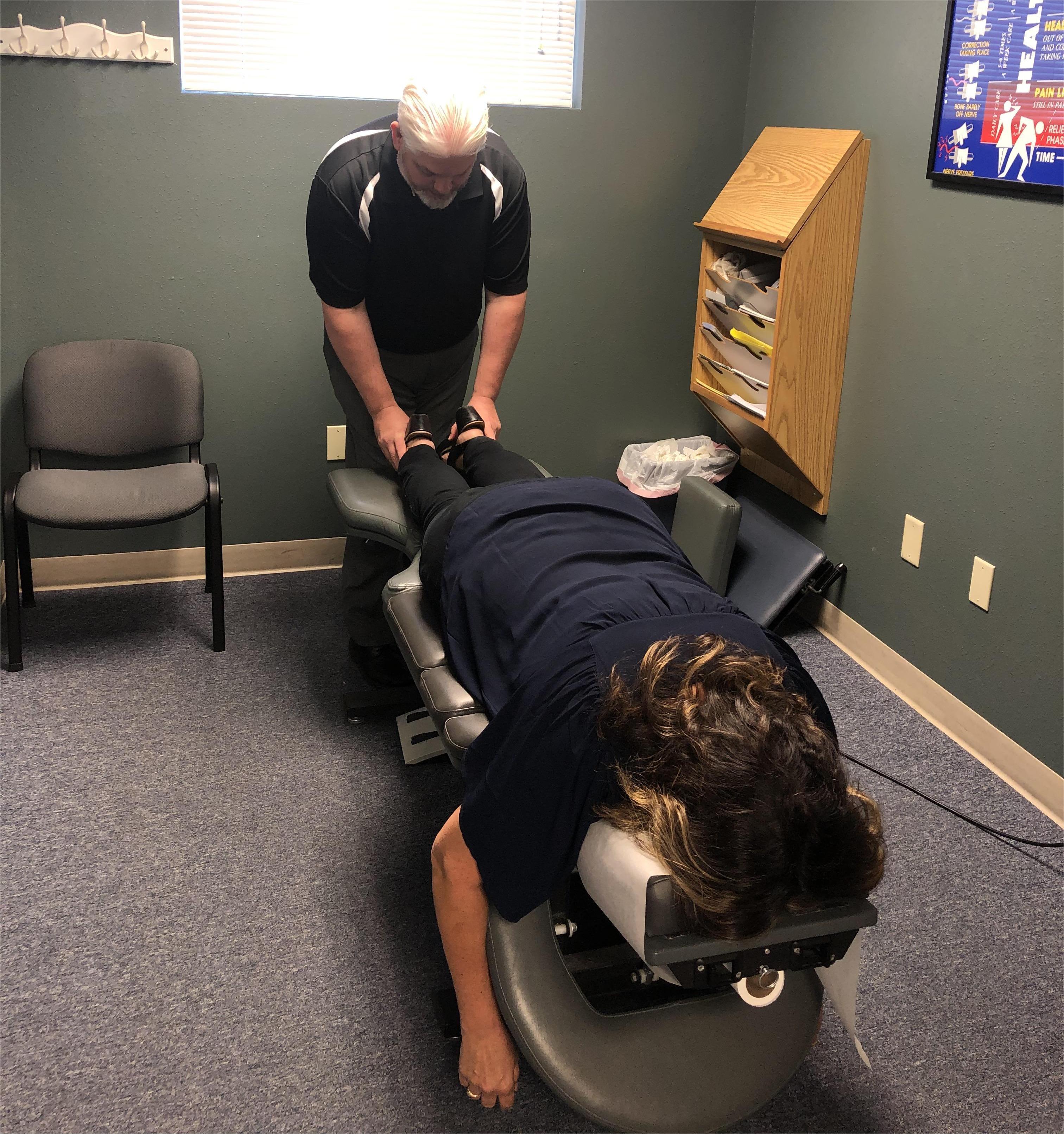
How Chiropractic Care Fits Into Leg Pain Treatment
Chiropractic care is a conservative, non-surgical, drug-free approach to musculoskeletal and nervous system health. When it comes to leg pain, chiropractic treatment is particularly well-suited for conditions that involve the spine, nerve irritation, joint dysfunction, or muscular imbalances — which, as we’ve discussed, covers a wide range of the most common causes.
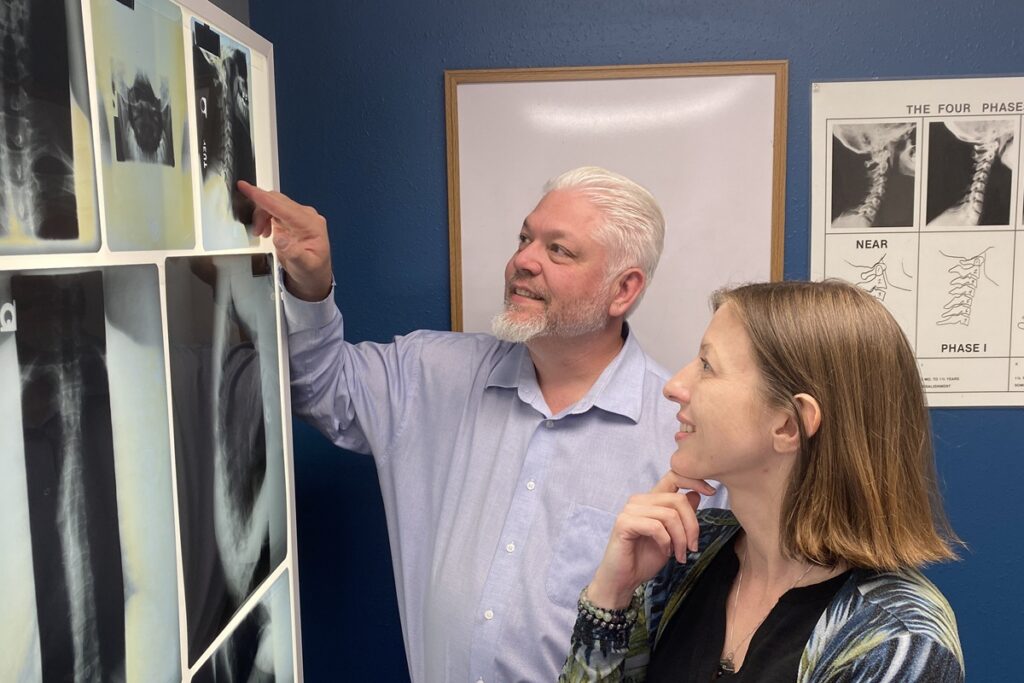
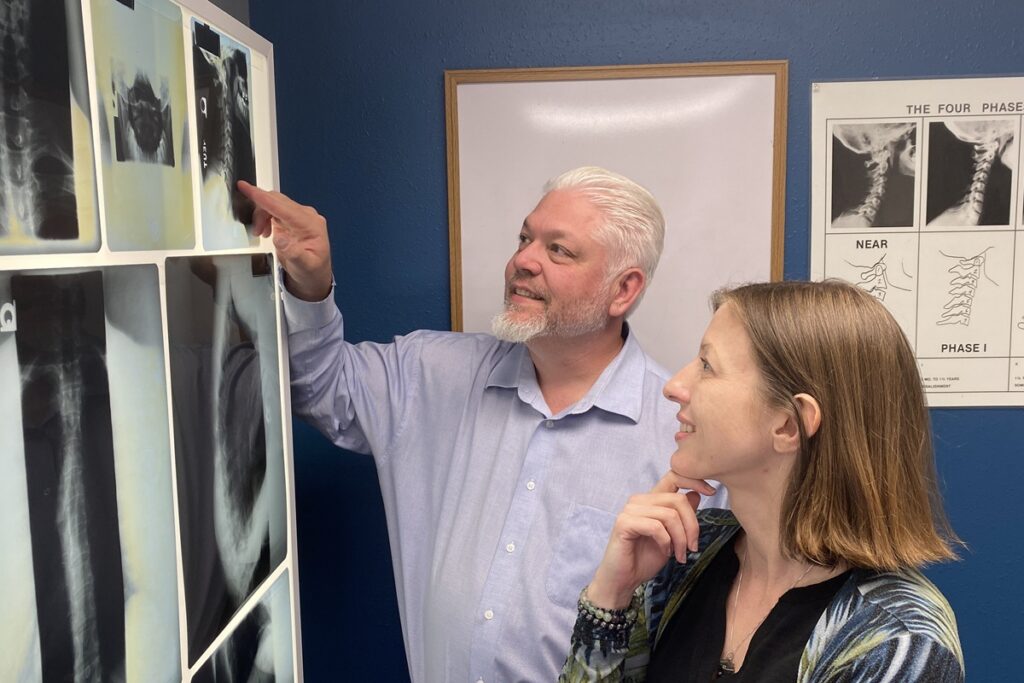
At Kuns Chiropractic Clinic, Dr. Westley Kuns begins with a thorough evaluation that includes a health history, postural assessment, orthopedic and neurological testing, and spinal analysis. The goal is to understand not just where you hurt, but why. From there, a care plan is tailored to your specific presentation.
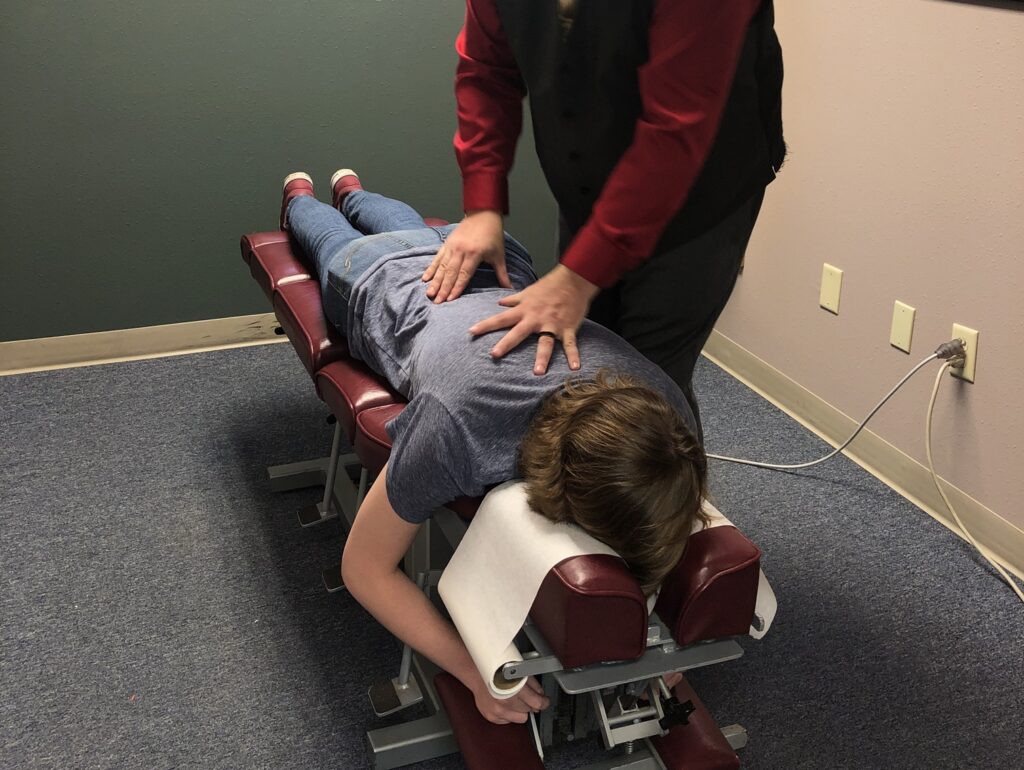
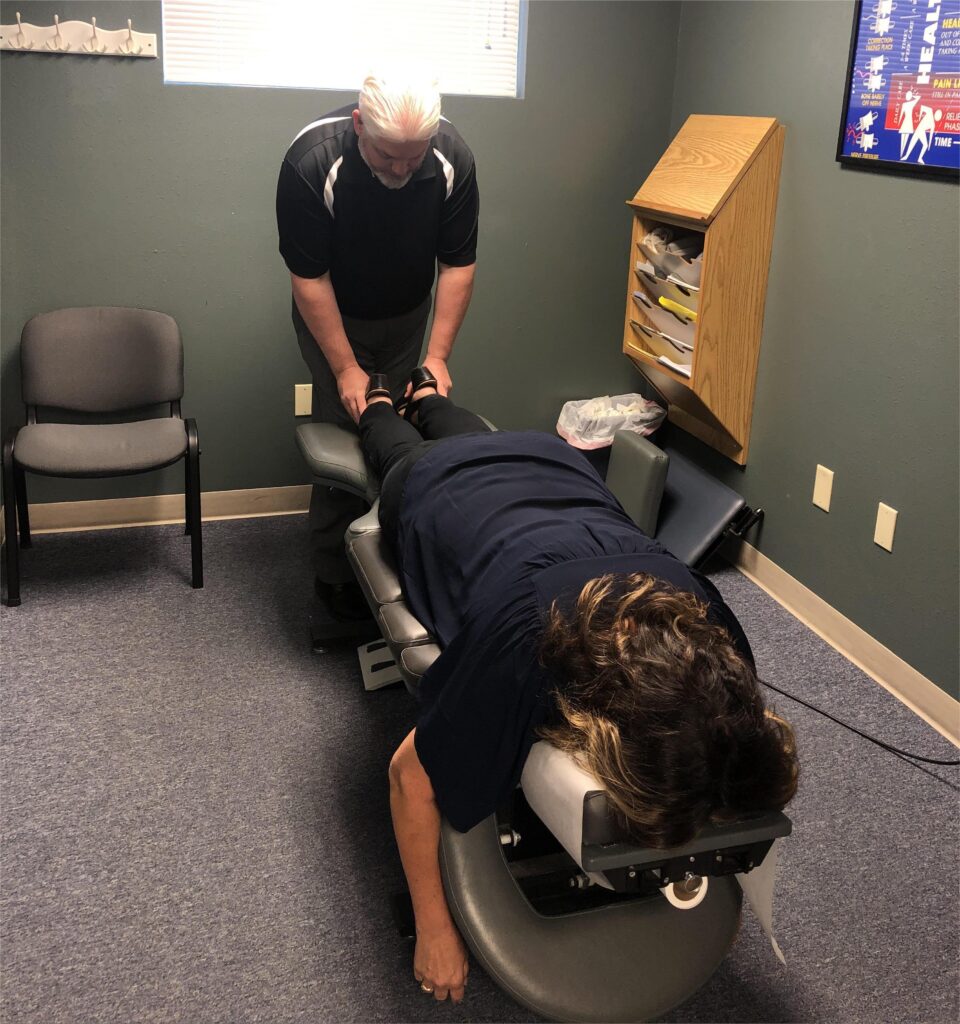
Spinal adjustments are often a central part of care for leg pain that has a spinal component. By gently restoring proper alignment and mobility to the vertebrae of the lumbar spine, chiropractic adjustments can relieve pressure on irritated nerve roots — which is exactly what’s needed in cases of sciatica or disc-related leg pain. Evidence suggests that spinal manipulation, when applied appropriately, can reduce nerve-related pain and improve function without the risks associated with surgery or long-term medication use.
In addition to spinal adjustments, chiropractic care for leg pain may involve soft tissue therapy to address tight muscles, joint mobilization of the hip or knee, rehabilitative exercises to correct movement patterns, and ergonomic guidance to reduce the daily habits contributing to your pain. It’s a whole-person approach, which is something many patients in the Gresham community find refreshing compared to treatments that only focus on masking the symptom.
Practical Tips for Managing Leg Pain at Home
While professional evaluation is important, there are things you can do day-to-day to support your recovery and reduce flare-ups. These tips are meant to complement chiropractic care, not replace it — especially if your leg pain is severe or persistent.
Movement is medicine. Prolonged sitting is one of the biggest contributors to leg pain, particularly sciatic irritation. Try to get up and move for a few minutes every 30 to 45 minutes if you work at a desk. Gentle walking, especially at an easy pace, keeps circulation flowing and helps reduce nerve sensitivity over time.
Pay attention to how you sleep. Sleeping on your side with a pillow between your knees can relieve pressure on the lumbar spine and reduce sciatic irritation overnight. Sleeping on your stomach tends to put excess strain on the lower back and is generally worth avoiding if you’re managing leg pain.
Strengthen your core and glutes. The muscles of your core and hip region provide stability to the lumbar spine and pelvis. When these muscles are weak, your spine is more vulnerable to the kind of stress that leads to disc issues and nerve compression. Gentle, guided strengthening — ideally with direction from Dr. Westley Kuns or another qualified professional — can make a meaningful difference in the long run.
Be mindful of footwear. Worn-out shoes or unsupportive footwear can significantly alter your gait and contribute to leg pain. Good arch support and cushioning matter more than most people realize, particularly if you spend long hours on your feet.
When to See a Chiropractor for Leg Pain
If your leg pain has lasted more than a week or two and isn’t improving with rest, it’s a good idea to have it evaluated. Chiropractic care is often a smart first step because it’s non-invasive, helps identify the cause, and can begin addressing the problem without jumping straight to medications or imaging.
You should seek evaluation sooner rather than later if your leg pain is accompanied by numbness or tingling, radiates from your lower back or buttock, came on after a fall or injury, or is affecting your ability to walk normally. These signs suggest nerve involvement that benefits from early, targeted care.
There are also red flags that warrant immediate medical attention rather than chiropractic care as a first step. These include sudden severe leg pain with swelling and redness (which could indicate a blood clot), leg pain following major trauma, loss of bowel or bladder control, or severe weakness in the leg. These symptoms require urgent medical evaluation. Dr. Westley Kuns and the team at Kuns Chiropractic Clinic are committed to making appropriate referrals when they are in the patient’s best interest — your safety always comes first.
Leg Pain Causes at a Glance
|
Cause |
Common Symptoms |
Typical Origin |
Chiropractic Relevance |
|---|---|---|---|
|
Sciatica |
Shooting pain, burning, tingling down the leg |
Lumbar spine / sacrum |
High — spinal adjustments often helpful |
|
Radiating pain, numbness, weakness |
Lumbar disc |
High — conservative care is first-line |
|
|
Piriformis Syndrome |
Deep buttock pain, radiating down thigh |
Piriformis muscle |
High — soft tissue and joint work |
|
Muscle Strain |
Localized aching, tightness, swelling |
Leg muscles |
Moderate — soft tissue therapy helpful |
|
Joint Dysfunction |
Stiffness, localized joint pain |
Hip, knee, or ankle |
High — joint mobilization and alignment |
|
Postural Imbalance |
Diffuse aching, one-sided pain |
Spine, pelvis, gait |
High — full kinetic chain assessment |
Myths vs. Facts About Leg Pain
Myth: Leg pain always means there’s something wrong with the leg itself.
Fact: Many cases of leg pain originate in the spine or pelvis. Nerve roots that exit the lumbar spine supply the entire lower extremity, which means a spinal issue can cause pain, numbness, or tingling anywhere from the hip to the toes — without any structural problem in the leg itself.
Myth: Rest is always the best treatment for leg pain.
Fact: While some rest is appropriate immediately after an acute injury, prolonged inactivity often makes leg pain worse. Research consistently shows that gentle, guided movement helps reduce inflammation, maintain circulation, and support recovery. Extended bed rest can actually slow healing and increase stiffness.
Myth: Chiropractic adjustments are only for back pain.
Fact: Chiropractic care addresses the entire musculoskeletal and nervous system, not just the back. Chiropractors routinely treat hip, knee, and ankle problems, as well as nerve-related conditions like sciatica that cause leg symptoms. At Kuns Chiropractic Clinic in Gresham, OR, leg pain is one of the most frequently treated complaints.
Myth: If imaging doesn’t show anything, leg pain isn’t real.
Fact: Many genuine sources of leg pain — such as nerve irritation, muscle dysfunction, and postural imbalances — don’t show up clearly on standard X-rays or even MRIs. A thorough physical and orthopedic examination is often more telling than imaging alone. Your experience of pain is real and deserves to be taken seriously.
Myth: You need surgery if your leg pain doesn’t go away quickly.
Fact: The vast majority of leg pain cases, including many disc herniations and sciatic conditions, resolve or significantly improve with conservative care. Major health organizations including the American College of Physicians recommend trying non-invasive approaches like chiropractic before considering surgical options for most spinal and nerve-related conditions.
Final Thoughts from Kuns Chiropractic Clinic
Leg pain can be frustrating, limiting, and — if you don’t understand what’s causing it — genuinely scary. But the good news is that most cases of leg pain have identifiable causes and respond well to conservative, thoughtful care. You don’t have to just push through it, and you don’t have to assume surgery or long-term medication is your only path forward.
Here in Gresham, OR, Dr. Westley Kuns and the team at Kuns Chiropractic Clinic are here to help you figure out what’s really going on and build a care plan that makes sense for your life. Whether your leg pain is coming from your spine, your muscles, your joints, or some combination of all three, the goal is always the same: get to the root of the problem and help you move better, feel better, and live better. If you’ve been living with leg pain and haven’t yet had it properly evaluated, now is a great time to take that first step.
Frequently Asked Questions
Can a chiropractor help with sciatica-related leg pain?
Yes. Chiropractic care, particularly spinal manipulation, is widely used for sciatica and has been shown in research to help reduce nerve-related leg pain. By addressing the spinal misalignment or disc pressure causing nerve irritation, chiropractic adjustments can provide meaningful relief for many patients.
How long does it take for chiropractic care to help leg pain?
This varies depending on the cause and severity of the leg pain, as well as how long the issue has been present. Some patients notice improvement within a few visits, while others with longer-standing or more complex conditions may need several weeks of consistent care. Dr. Westley Kuns will give you a realistic sense of what to expect during your initial evaluation.
Is leg pain from a herniated disc treatable without surgery?
In many cases, yes. Evidence suggests that a significant percentage of disc herniations improve with conservative care over time. Chiropractic treatment, combined with activity modification and rehabilitative exercises, is often effective and is typically recommended before surgical options are considered.
What’s the difference between sciatica and general leg pain?
General leg pain refers to any discomfort in the leg, regardless of cause. Sciatica specifically refers to pain caused by irritation or compression of the sciatic nerve, typically producing a radiating, often burning or electric sensation that travels from the lower back or buttock down the back of the leg. A proper evaluation helps clarify which type you’re dealing with.
Should I see a chiropractor or a medical doctor first for leg pain?
For most non-emergency leg pain — especially if there’s no swelling, no history of trauma, and no signs of a blood clot — starting with a chiropractor is a reasonable, conservative approach. Chiropractors are trained to identify when referral to another provider is necessary and will not hesitate to recommend it when appropriate.
Can poor posture really cause leg pain?
Absolutely. Postural imbalances create uneven loads on the spine, pelvis, and lower extremities. Over time, this leads to muscle compensation, joint stress, and sometimes nerve irritation — all of which can produce leg pain. Addressing posture and movement habits is an important part of both treating and preventing leg pain.
TL;DR Summary
-
Leg pain is often caused by spinal nerve compression (like sciatica), disc problems, muscle strains, joint dysfunction, or postural imbalances — not always a problem in the leg itself.
-
The lumbar spine plays a central role in leg pain because the nerves controlling the legs originate there; treating the spine is often essential to resolving the symptoms.
-
Chiropractic care is a proven, non-invasive approach to many types of leg pain and is recommended by major health organizations as a first-line conservative treatment.
-
Most leg pain cases do not require surgery and improve significantly with proper conservative care, movement, and postural correction.
-
If you’re in the Gresham, OR area and dealing with persistent leg pain, Dr. Westley Kuns at Kuns Chiropractic Clinic can help evaluate the cause and create a personalized care plan.