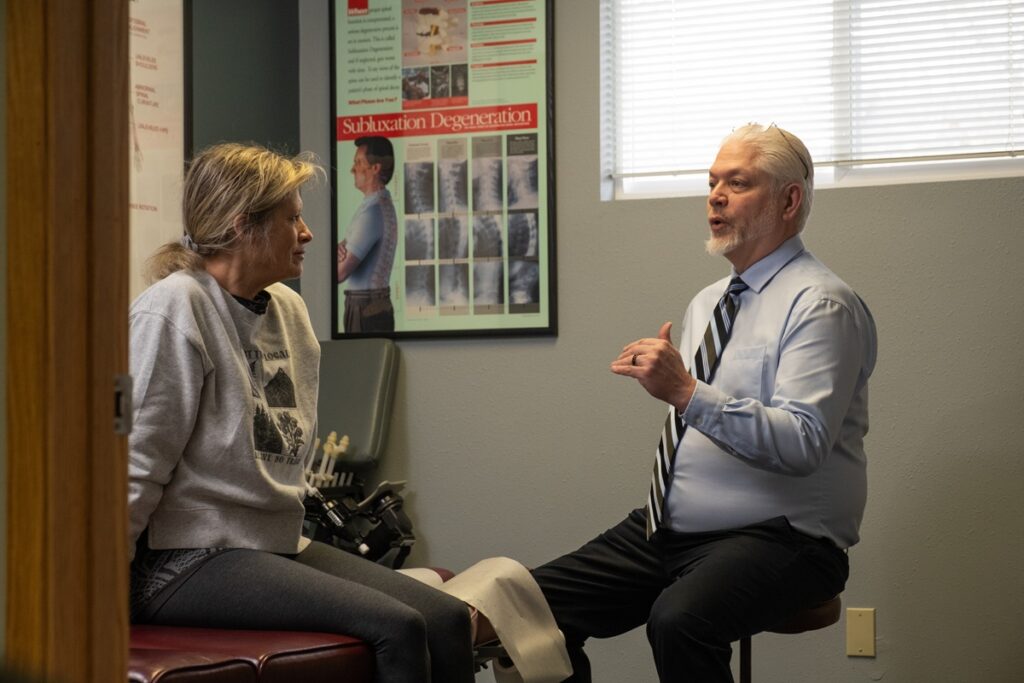
If you or someone you love has been told they have scoliosis, it’s completely normal to feel overwhelmed or confused. The spine is complex, and scoliosis is a condition that comes in several different forms — each with its own set of causes, characteristics, and management approaches. Understanding what type of scoliosis you’re dealing with is one of the most important first steps toward feeling confident about your path forward. Here at Kuns Chiropractic Clinic in Gresham, OR, Dr. Westley Kuns works with patients of all ages who are navigating questions about their spinal health, and education is always the foundation of great care.
What is scoliosis? Scoliosis is an abnormal lateral (side-to-side) curvature of the spine that, when viewed from behind, appears as an “S” or “C” shape rather than a straight vertical line. It affects millions of people in the United States and can range from mild to severe, appearing at any age and stemming from a variety of causes.
Understanding Scoliosis: A Closer Look at the Spine
The healthy spine has natural curves when viewed from the side — a gentle inward curve at the neck, an outward curve at the mid-back, and another inward curve at the lower back. These curves help distribute body weight, absorb shock, and allow for movement. But when the spine develops an abnormal curve from side to side, that’s scoliosis.
Scoliosis isn’t just a cosmetic issue. Depending on the degree of curvature, it can affect posture, muscle balance, range of motion, and in more significant cases, the function of surrounding nerves, organs, and tissues. A spinal curve is generally considered clinically significant when it measures 10 degrees or more using what’s called the Cobb angle — the standard measurement used by clinicians to assess and monitor scoliosis.
What makes scoliosis particularly interesting — and sometimes confusing — is that it isn’t a single condition with one root cause. It’s more of an umbrella term that describes an abnormal spinal curve, and the cause behind that curve matters a great deal when it comes to choosing the right approach to care. That’s why Dr. Westley Kuns emphasizes thorough evaluation for every patient at Kuns Chiropractic Clinic before recommending any course of action.
The Main Types of Scoliosis
When healthcare providers talk about scoliosis, they typically categorize it by its underlying cause or by the age at which it develops. Here’s a breakdown of the most common classifications you’re likely to encounter.
Idiopathic Scoliosis
Idiopathic scoliosis is by far the most common type, accounting for approximately 80% of all scoliosis cases. The word “idiopathic” simply means the cause is unknown. While that might sound alarming, it actually means there’s no identifiable disease, injury, or structural anomaly driving the curve — which is often reassuring in terms of the overall health picture.
Idiopathic scoliosis is further broken down by age of onset. Infantile idiopathic scoliosis develops in children from birth to age three. Juvenile idiopathic scoliosis occurs between ages three and ten. Adolescent idiopathic scoliosis — the most common subtype of all — typically develops during the growth spurts of puberty, most often between ages ten and eighteen. Adult idiopathic scoliosis refers to cases that either weren’t detected earlier or that continue to progress into adulthood.
Degenerative (De Novo) Scoliosis
Degenerative scoliosis, sometimes called de novo scoliosis or adult-onset scoliosis, develops in adults — typically those over 50 — as a result of age-related changes in the spine. As intervertebral discs lose height and joints degenerate unevenly, the spine can begin to tilt or curve to one side. This type is increasingly common as the population ages and is frequently seen alongside arthritis, disc degeneration, and osteoporosis.
Congenital Scoliosis
Congenital scoliosis is present from birth and results from vertebrae that didn’t form correctly during fetal development. Vertebrae may be incompletely formed (called hemivertebrae) or fused together in ways that cause the spine to curve. Because it is structural from the start, congenital scoliosis often requires close monitoring and sometimes surgical intervention, particularly when the curve is significant or progressing.
Neuromuscular Scoliosis
Neuromuscular scoliosis develops as a secondary effect of neurological or muscular conditions that affect the body’s ability to control and support the spine. Conditions associated with this type include cerebral palsy, muscular dystrophy, spinal muscular atrophy, and spina bifida. Because the underlying muscle imbalance or nerve disruption is the driving force, the curves in neuromuscular scoliosis tend to be larger and may progress more rapidly than in idiopathic cases.
Functional (Non-Structural) Scoliosis
Functional scoliosis is different from the other types in an important way — the spine itself is structurally normal. The curvature appears because of an external factor such as a leg length discrepancy, muscle spasm, or poor postural habits. Because the underlying spine is healthy, this type may be more responsive to conservative care when the root cause is addressed. Dr. Westley Kuns often evaluates patients in Gresham who discover their apparent spinal curve is actually functional in nature.
What Causes Each Type?
Understanding the cause of scoliosis matters because it shapes every decision about care and monitoring. Here’s a deeper look at the contributing factors behind each type.
Idiopathic scoliosis, despite its unknown direct cause, is believed to involve a combination of genetic, hormonal, and neurological factors. Research suggests that it tends to run in families, meaning genetics likely plays a meaningful role. Hormonal influences during adolescent growth spurts and differences in how the brain processes proprioception (the body’s sense of its own position) are also areas of active investigation.
Degenerative scoliosis is driven primarily by the cumulative effects of aging on spinal structures. Asymmetric disc degeneration — where one side of a disc breaks down faster than the other — causes the spine to tilt. Osteoporosis can accelerate this process by weakening the vertebral bodies themselves, making them more susceptible to compression and collapse on one side.
Congenital scoliosis originates during fetal development, typically during the first trimester when the spine is forming. The exact triggers are not always clear, but certain environmental exposures, nutritional deficiencies, and genetic factors during pregnancy may influence the abnormal development of vertebral segments.
Neuromuscular scoliosis results from the disruption of normal nerve and muscle function that would otherwise hold the spine in proper alignment. When the muscles on one side of the spine are chronically weaker or tighter than the other, the structural balance of the spine is compromised over time.
Functional scoliosis is caused by correctable, external factors. Leg length inequality is one of the most common culprits — when one leg is shorter than the other, the pelvis tilts, which in turn causes the spine above it to compensate by curving to the side. Muscle spasms, often from injury or prolonged postural stress, can produce a similar compensatory curve.
Signs and Symptoms to Watch For
Scoliosis is sometimes called a “silent” condition because mild cases can exist for years without causing significant pain or visible changes. That said, there are signs that often prompt people to seek evaluation. One shoulder sitting noticeably higher than the other is a common early indicator. Uneven hips, a prominent shoulder blade, or a visible lean to one side when standing upright can also be telltale signs.
In more advanced cases, patients may experience back pain, muscle fatigue, stiffness, or a reduced range of motion. Some people notice that their clothing doesn’t hang evenly, or that pants legs appear to be different lengths. For adolescents going through growth spurts, symptoms can develop or worsen quickly, which is why regular screenings during this period are so valuable.
Adults with degenerative scoliosis often present with low back pain, hip pain, or radiating leg pain (sciatica-like symptoms) caused by the nerve compression that can accompany a lateral curve combined with disc degeneration. At Kuns Chiropractic Clinic, Dr. Westley Kuns performs careful orthopedic and neurological assessments to understand the full picture before developing a care plan.
How Chiropractic Care Fits Into Scoliosis Management
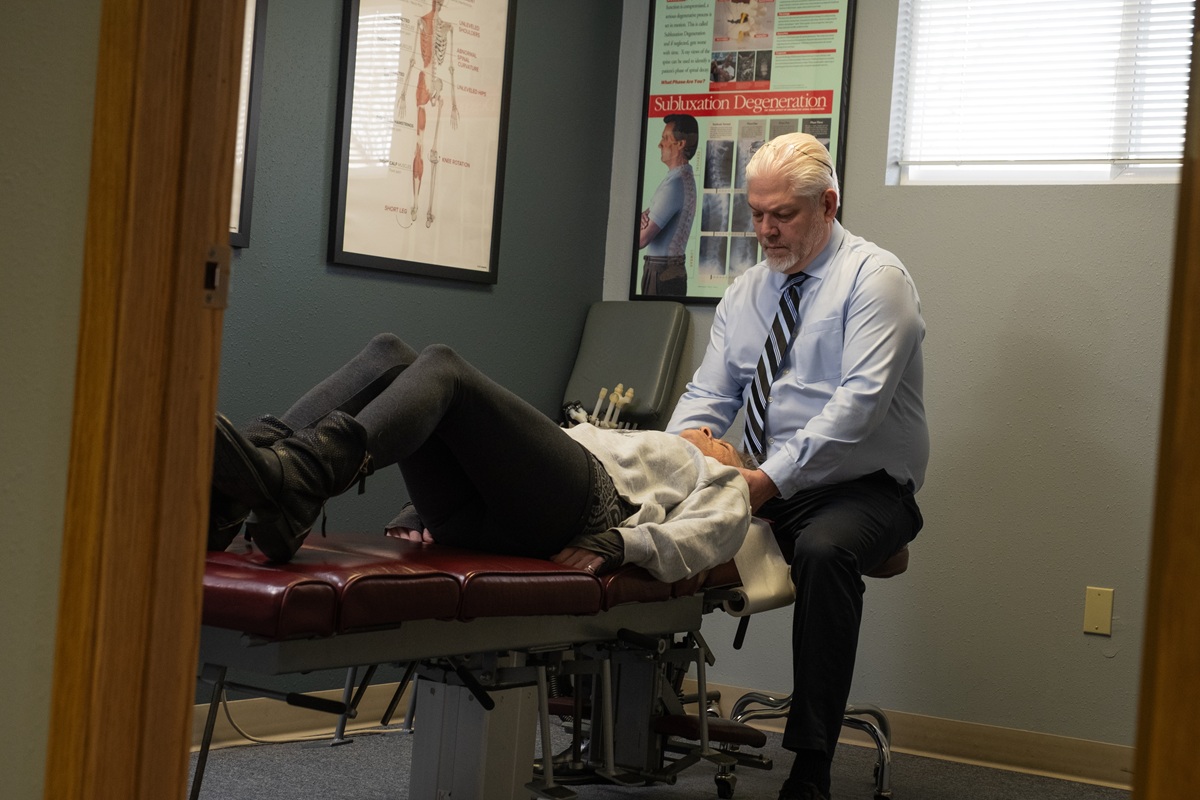
Chiropractic care won’t reverse a structural spinal curve, and it’s important to be straightforward about that. However, research suggests that conservative chiropractic care can play a meaningful supportive role for many scoliosis patients — particularly those with mild to moderate curves, functional scoliosis, or degenerative scoliosis-related pain.
The goals of chiropractic care for scoliosis patients typically include reducing pain and muscle tension, improving spinal mobility, correcting associated joint dysfunction, and supporting better posture and muscle balance. Specific chiropractic techniques are selected based on the type and severity of the curvature, as well as the patient’s age, overall health, and symptoms.
For functional scoliosis, addressing the underlying cause — such as a leg length discrepancy through orthotics or specific adjustments — may help reduce or resolve the apparent curvature. For degenerative scoliosis, the focus often shifts to managing pain, maintaining mobility, and slowing functional decline. At Kuns Chiropractic Clinic in Gresham, OR, the approach is always individualized, thorough, and rooted in what the evidence supports.
Chiropractic care is not a replacement for medical oversight, bracing, or surgery in cases where those interventions are indicated. Dr. Westley Kuns coordinates care with other healthcare providers when appropriate and will always refer patients to specialists if their condition warrants it.
Practical Tips for Living Well With Scoliosis
Whether your scoliosis is mild and monitored or something you actively manage, there are evidence-informed habits that can support your spinal health and overall wellbeing. These aren’t cures, but they can make a meaningful difference in how you feel day to day.
Staying active is one of the most consistently supported recommendations for scoliosis patients. Low-impact activities like swimming, walking, and yoga help maintain muscle strength and flexibility without placing excessive load on the spine. Core strengthening in particular — when guided appropriately — helps support the spine from the inside out. Always check with your chiropractor or healthcare provider before starting a new exercise program if you have a diagnosed curve.
Ergonomics matter more than most people realize. Prolonged sitting in unsupported or asymmetrical positions can aggravate muscle imbalances that already exist with scoliosis. Choosing a chair with proper lumbar support, keeping screens at eye level, and avoiding carrying heavy bags on one shoulder consistently are all simple adjustments that add up over time.
Sleep position and mattress quality also deserve attention. Sleeping on a mattress that provides even support — not one that causes the body to sag to one side — can reduce overnight muscle strain. Many patients find sleeping on their back or side with a supportive pillow between the knees more comfortable.
When to See a Chiropractor About Scoliosis
If you’ve noticed any of the physical signs described in this article — uneven shoulders, an asymmetrical waistline, or a visible lean — it’s worth getting a professional evaluation. Early detection is one of the best tools we have with scoliosis, particularly for adolescents whose spines are still growing.
You should seek care promptly if you’re experiencing increasing back or leg pain, noticeable changes in posture or gait, or if a curve that has been previously monitored seems to be progressing. Adults over 50 who develop new onset back pain alongside postural changes should also consider evaluation for degenerative scoliosis.
There are also red flags that should prompt you to seek medical attention immediately rather than waiting for a chiropractic appointment. These include sudden, severe pain following a fall or injury, loss of bladder or bowel control, numbness or weakness in the legs, or any signs of significant neurological compromise. These symptoms require immediate evaluation in an emergency or medical setting.
|
Type of Scoliosis |
Who It Affects |
Primary Cause |
Typical Care Approach |
|---|---|---|---|
|
Idiopathic |
Children, adolescents, adults |
Unknown; likely genetic and hormonal factors |
Monitoring, bracing, chiropractic support, exercise |
|
Degenerative |
Adults 50+ |
Age-related disc and joint degeneration |
Pain management, mobility support, chiropractic care |
|
Congenital |
Present from birth |
Abnormal vertebral development in utero |
Medical monitoring, possible surgery, supportive care |
|
Neuromuscular |
Those with neurological/muscular conditions |
Nerve or muscle dysfunction affecting spinal support |
Multidisciplinary care, bracing, surgical evaluation |
|
Functional |
Any age |
Leg length discrepancy, posture, muscle spasm |
Address root cause, chiropractic adjustments, orthotics |
Myths vs. Facts About Scoliosis
Myth: Scoliosis only affects teenagers.
Fact: While adolescent idiopathic scoliosis is the most commonly discussed form, scoliosis can develop at any age. Degenerative scoliosis, for instance, most commonly develops in adults over 50. Infants and young children can also be diagnosed with congenital or early-onset idiopathic scoliosis.
Myth: Scoliosis is always painful.
Fact: Many people with mild scoliosis experience little to no pain, especially in younger patients with idiopathic curves. Pain tends to become more of a factor in degenerative cases or when nerve structures are affected. The presence or absence of pain does not necessarily reflect the severity of the curve.
Myth: Poor posture causes scoliosis.
Fact: Poor posture does not cause structural scoliosis. While functional scoliosis can be related to postural habits or muscle imbalances, the structural forms of scoliosis — idiopathic, congenital, and neuromuscular — are not caused by how a person sits or stands. Encouraging good posture is still beneficial for overall spinal health, but it’s important not to blame patients or parents for a structural condition.
Myth: Chiropractic care can cure scoliosis.
Fact: Chiropractic care is not a cure for structural scoliosis, and any provider claiming otherwise is overpromising. However, evidence does indicate that chiropractic care can be a valuable part of a conservative management plan, helping to reduce pain, improve function, and support better quality of life — particularly for mild to moderate cases.
Myth: If you have scoliosis, you should avoid exercise.
Fact: For most scoliosis patients, staying active is strongly encouraged. Exercise helps maintain muscle strength, flexibility, and overall spinal support. The key is choosing appropriate activities and, in some cases, working with a professional to tailor a movement plan to your specific curve and condition.
Final Thoughts From Kuns Chiropractic Clinic in Gresham, OR
Scoliosis is a condition that looks different for every person who has it. From the adolescent navigating a new diagnosis during a growth spurt to the adult managing degenerative changes later in life, the experience of scoliosis is deeply personal. But one thing remains constant: knowledge is empowering, and you don’t have to figure this out alone.
Here in Gresham, the team at Kuns Chiropractic Clinic is committed to helping community members understand their spinal health in a way that feels approachable and manageable. Dr. Westley Kuns takes the time to thoroughly evaluate each patient, explain what’s happening in plain language, and build a care approach that’s tailored to the individual — not just the diagnosis. Whether you’re looking for answers about a curve that’s been on your radar for years or you’re just starting to notice changes in your posture, you’re welcome to come in and have a conversation.
Scoliosis doesn’t have to define your quality of life. With the right information, the right support, and a proactive approach to your spinal health, many people with scoliosis live active, full, and comfortable lives. We’re here to help you do exactly that.
Frequently Asked Questions About Scoliosis
Can scoliosis get worse over time?
In some cases, yes. Adolescent scoliosis can progress during growth spurts, and degenerative scoliosis may worsen as spinal tissues age. Regular monitoring by a qualified healthcare provider helps track any changes and guide timely decisions about care.
Is scoliosis hereditary?
Research suggests there is a genetic component to idiopathic scoliosis, meaning it can run in families. Having a parent or sibling with scoliosis may increase the likelihood of developing it, though not everyone with a family history will be affected.
At what age should children be screened for scoliosis?
Scoliosis screening is often recommended during early adolescence, typically around ages 10 to 12 for girls and 11 to 13 for boys, as these are common periods of rapid growth. Some pediatricians perform screening during routine checkups, and school-based screening programs exist in many communities.
Can adults develop scoliosis for the first time?
Yes. Degenerative scoliosis is a form that develops in adulthood, most commonly in people over 50, as a result of age-related changes to the spine’s discs and joints. It is not the same as a childhood curve that went undetected.
What is the difference between scoliosis and kyphosis?
Scoliosis refers to a side-to-side (lateral) curvature of the spine, while kyphosis refers to an excessive forward rounding of the upper back. Although they are different conditions, they can sometimes occur together or be confused with one another based on appearance.
Should I see a chiropractor or an orthopedic doctor for scoliosis?
The right provider depends on the type and severity of your scoliosis. Mild to moderate functional or idiopathic scoliosis may be well-managed with chiropractic care alongside regular monitoring. Severe structural curves, rapidly progressing cases, or those involving neurological symptoms often warrant orthopedic or surgical evaluation. Dr. Westley Kuns at Kuns Chiropractic Clinic in Gresham, OR is happy to evaluate your situation and refer you appropriately if needed.
TL;DR — Key Takeaways
-
Scoliosis is an abnormal lateral curvature of the spine that comes in several types, including idiopathic, degenerative, congenital, neuromuscular, and functional.
-
Each type has different causes — from genetics and aging to fetal development issues and muscle imbalances — which is why proper diagnosis matters so much.
-
Chiropractic care can be a valuable part of managing mild to moderate scoliosis by reducing pain, improving mobility, and supporting better muscle balance — though it does not cure structural scoliosis.
-
Staying active, maintaining good ergonomics, and monitoring your curve regularly are practical steps that support long-term spinal health.
-
If you’re in the Gresham, OR area and have questions about scoliosis or spinal health, Dr. Westley Kuns and the team at Kuns Chiropractic Clinic are here to help guide you with honest, individualized care.