
If you’ve ever felt a sharp, shooting pain down your leg or a deep, nagging ache in your lower back that just won’t quit, you may already know how life-altering a herniated disc can be. This condition affects millions of people every year, and it can make even the simplest tasks, like putting on your shoes, sitting at a desk, and sleeping through the night, feel nearly impossible. The good news is that most herniated discs respond well to conservative care, and chiropractic treatment is one of the most well-regarded non-surgical options available. Here at Kuns Chiropractic Clinic in Gresham, OR, Dr. Westley Kuns works with patients dealing with disc-related pain every week, helping them find relief and regain their quality of life without relying on medication or surgery.
What Is a Herniated Disc?
A herniated disc — sometimes called a slipped disc or ruptured disc — occurs when the soft, gel-like center of a spinal disc pushes through a crack in its tougher outer layer. This can irritate nearby nerves and cause pain, numbness, or weakness in the back, neck, arms, or legs depending on where in the spine the herniation occurs.
Understanding Herniated Discs: Anatomy and Basics
Your spine is made up of a series of bones called vertebrae, and between each vertebra sits a spinal disc. Think of these discs as small, flexible shock absorbers — they cushion your spine, allow you to bend and twist, and protect the vertebrae from grinding against one another. Each disc has two main parts: a tough, fibrous outer ring called the annulus fibrosus, and a soft, jelly-like center called the nucleus pulposus.
When a disc herniates, the soft inner material pushes outward through a weak spot or tear in the outer ring. Once that material bulges out, it can press directly on surrounding spinal nerves or the spinal cord itself. That nerve compression is usually the source of the pain, tingling, or weakness patients describe. It’s worth noting that not every herniated disc causes symptoms. Some people have disc changes that show up on imaging without any pain at all. However, when symptoms do appear, they can range from mild to severely debilitating.
Herniated discs most commonly occur in the lumbar spine — the lower back — simply because that region bears the most mechanical load throughout your day. They can also occur in the cervical spine, which is your neck. Thoracic disc herniations, in the middle of the back, are far less common due to the added stability provided by the rib cage.
Common Causes of Disc Herniation
Disc herniations rarely happen from a single catastrophic event. More often, they result from a gradual process of wear and stress on the spine over time. One of the leading contributors is age-related disc degeneration. As we get older, our spinal discs naturally lose water content and become less flexible. This makes them more vulnerable to tearing or rupturing, even from routine movements.
Repetitive strain is another significant factor. Jobs or hobbies that involve frequent bending, twisting, lifting heavy objects, or prolonged sitting can accelerate disc breakdown. Poor posture also plays a role. Spending hours hunched over a screen or behind a steering wheel puts uneven pressure on the discs, particularly in the lumbar spine. Here in Gresham, OR, Dr. Westley Kuns often sees patients whose disc problems are closely tied to sedentary work habits and prolonged desk postures that place enormous strain on the lower back over time.
Genetics can also contribute. Some people naturally have a predisposition to weaker disc tissue. Obesity increases mechanical stress on the spine as well. And while acute trauma, like a fall or a car accident, can trigger a herniation, it’s usually a disc that was already under significant stress that finally gives way rather than a completely healthy one.
Signs and Symptoms to Watch For
The symptoms of a herniated disc depend largely on where in the spine it occurs and whether it’s pressing on a nerve. A lumbar disc herniation — the most common type — often causes what’s known as sciatica. This is a radiating pain that travels from the lower back down through the buttock and into one leg, sometimes reaching all the way to the foot. Patients describe it as burning, sharp, electric, or aching. Numbness and tingling in the leg or foot are also common, as is muscle weakness that can make it hard to lift the foot or stand on the toes.
Cervical disc herniations, on the other hand, can cause pain that radiates from the neck into the shoulder, arm, and hand. You might notice a deep ache in the shoulder blade, pins and needles in the fingers, or a sense of weakness when gripping objects. Some patients also experience headaches originating at the base of the skull.
One important thing to understand is that the intensity of your pain doesn’t always reflect the severity of the herniation. Some people with large herniations have manageable discomfort, while others with smaller herniations experience intense symptoms. That’s why a proper evaluation, like the kind Dr. Westley Kuns provides at Kuns Chiropractic Clinic, is so important for understanding what’s really going on.
How Chiropractic Care Fits In
Chiropractic care is widely recognized as a first-line conservative treatment option for herniated discs, and for good reason. It’s non-surgical, drug-free, and individualized to each patient’s specific needs. The goal isn’t simply to reduce pain; it’s to address the underlying mechanical issues that are contributing to that pain and to help the body heal as effectively as possible.
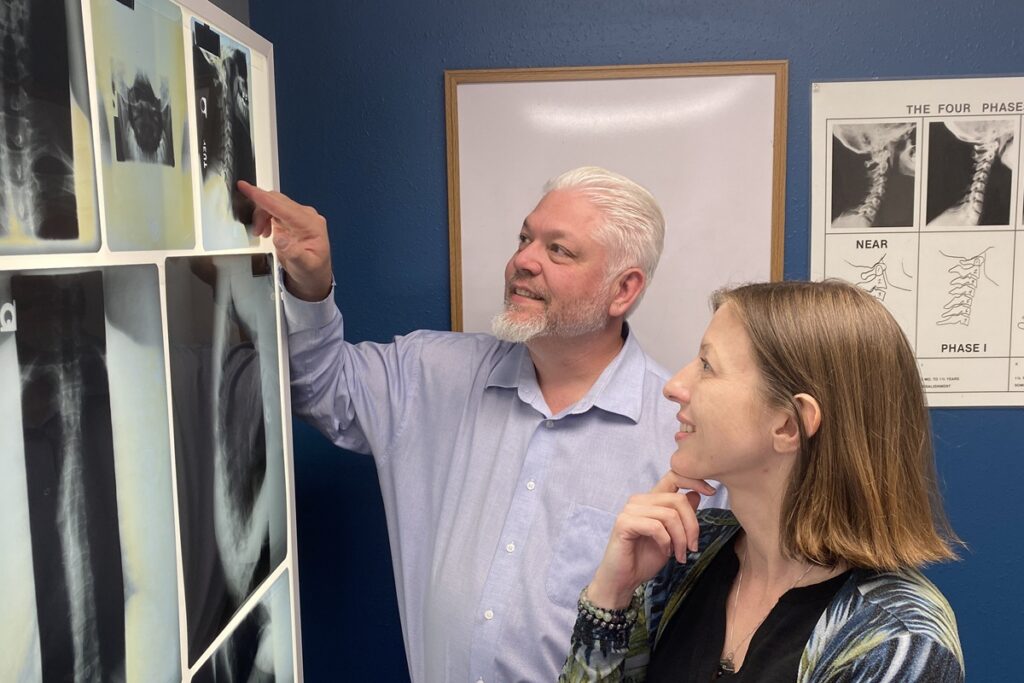
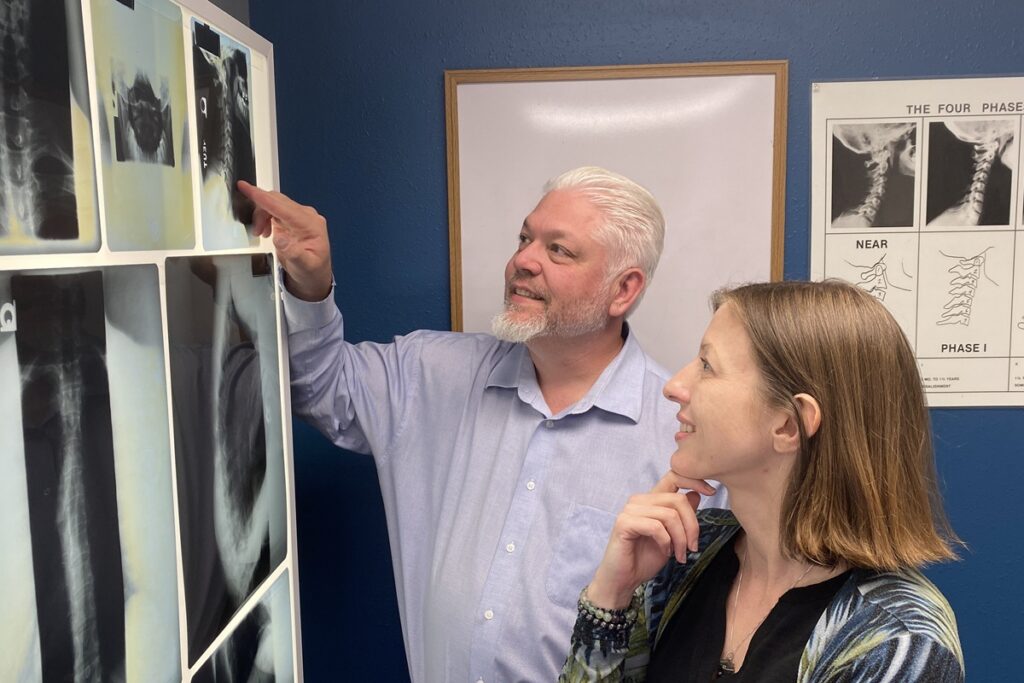
When you visit Kuns Chiropractic Clinic in Gresham, OR, Dr. Westley Kuns begins with a thorough evaluation. This typically includes a detailed health history, a physical and orthopedic examination, and an assessment of how your spine is moving and functioning. If imaging has already been done, that information is incorporated as well. This step is essential — chiropractic care for disc herniations isn’t one-size-fits-all, and the approach must be tailored to the individual.
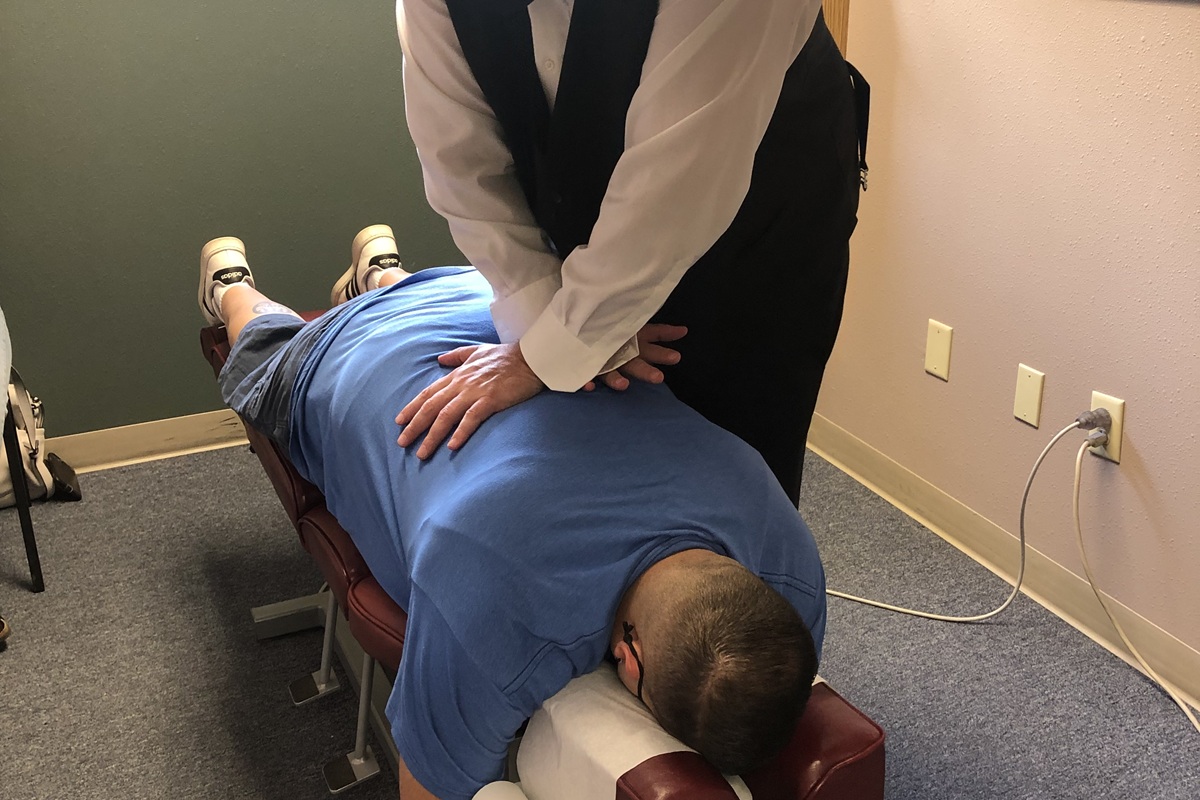
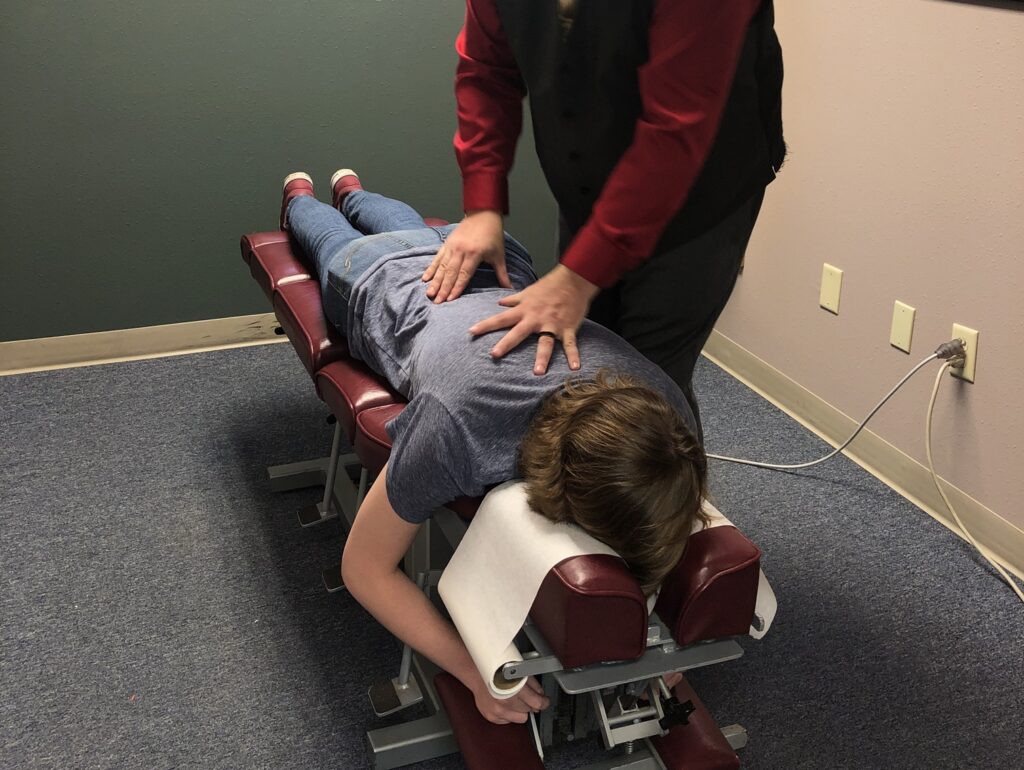
One of the most common chiropractic techniques used for disc problems is spinal manipulation, sometimes called a chiropractic adjustment. This involves carefully applying controlled force to specific spinal joints to restore better movement, reduce nerve irritation, and relieve muscle tension. For disc herniations, chiropractors often use gentler, low-force adjustment techniques rather than high-velocity thrusts, particularly in the acute phase of pain. Research published through institutions like the National Center for Complementary and Integrative Health (NCCIH) and the American College of Physicians (ACP) has indicated that spinal manipulation can be an effective option for managing acute and chronic low back pain.
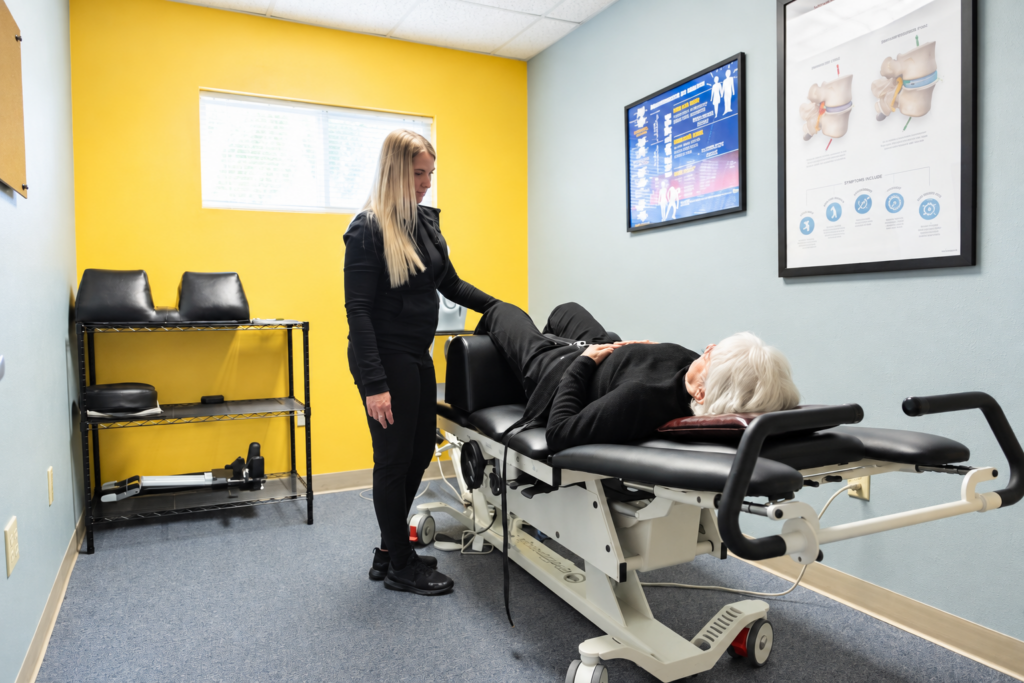
Flexion-distraction technique is another approach commonly used for lumbar disc herniations. This method uses a specially designed table to gently stretch and decompress the spine, reducing pressure on the affected disc and surrounding nerves. It’s a slow, rhythmic technique that most patients find quite comfortable, and it can be particularly helpful for those experiencing significant radiating leg pain.
In addition to hands-on care, Dr. Westley Kuns may incorporate soft tissue therapy, therapeutic exercises, and postural guidance into your care plan. Strengthening the muscles that support the spine plays a long-term role in preventing future disc episodes. Chiropractic care truly takes a whole-person approach, addressing not just the painful area but the patterns of movement and posture that may have contributed to the problem in the first place.
Practical Tips for Managing Disc Pain at Home
While professional chiropractic care is essential for proper treatment of a herniated disc, there are steps you can take at home to support your recovery and reduce discomfort between visits. These aren’t replacements for care, but they’re complements to it.
Movement is medicine, even when it hurts to move. Staying completely still and avoiding all activity tends to worsen disc pain over time. Gentle walking is one of the safest and most beneficial things you can do. Aim for short, flat walks and avoid activities that significantly worsen your symptoms. Staying active in a controlled, mindful way helps maintain circulation to the disc and surrounding tissues.
Ergonomics matter enormously. If you work at a desk, make sure your chair supports your lumbar curve, your screen is at eye level, and your feet are flat on the floor. Avoid slumping or hunching forward for extended periods. Getting up and moving for a few minutes every hour can reduce the cumulative stress on your discs significantly.
Heat and ice can both play a role in symptom management. Ice is generally more helpful in the acute phase to reduce inflammation, while heat may be more soothing for chronic, muscle-related tightness. Always place a cloth barrier between ice or a heating pad and your skin, and limit application to 15-20 minutes at a time.
Sleep position also matters. Sleeping on your side with a pillow between your knees can help maintain spinal alignment and reduce disc pressure overnight. If you sleep on your back, a pillow under your knees can serve a similar purpose. Avoid sleeping on your stomach, as this position puts significant stress on the lumbar spine and neck.
When to See a Chiropractor
If you’re experiencing persistent back or neck pain that hasn’t improved after a week or two of rest and self-care, that’s a good time to schedule an evaluation. Similarly, if your pain is radiating into your arms or legs, or if you’re noticing numbness, tingling, or weakness, don’t wait. These symptoms suggest nerve involvement and deserve prompt professional attention.
Chiropractic care can be appropriate even in the early stages of a herniated disc episode. In fact, early intervention often leads to better outcomes and may help you avoid the need for more invasive treatments down the line. Dr. Westley Kuns at Kuns Chiropractic Clinic in Gresham, OR welcomes patients at any stage of their disc condition, whether they’re in the acute phase of pain or dealing with a chronic, recurring problem.
There are some symptoms, however, that require immediate medical attention rather than chiropractic care. These red flags include loss of bladder or bowel control, rapidly progressive weakness in the legs, or severe, unrelenting pain that is worsening by the hour. These may indicate a serious condition called cauda equina syndrome, which requires emergency medical evaluation. If you experience any of these symptoms, go to an emergency room without delay.
Herniated Disc: Conservative vs. Invasive Approaches
Approach |
Examples |
Key Advantages |
Considerations |
|---|---|---|---|
|
Chiropractic Care |
Spinal manipulation, flexion-distraction, therapeutic exercise |
Non-invasive, drug-free, addresses root cause, individualized |
Requires multiple visits; not appropriate for all cases |
|
Physical Therapy |
Strengthening exercises, stretching, modalities |
Builds functional strength, supports long-term recovery |
Often works best alongside other conservative care |
|
Medication |
NSAIDs, muscle relaxants, nerve pain medications |
Can reduce pain and inflammation in the short term |
Does not address structural cause; potential side effects |
|
Epidural Steroid Injections |
Corticosteroids injected near affected nerve root |
May provide temporary relief for severe nerve pain |
Effects are often short-lived; invasive procedure |
|
Surgery (Discectomy) |
Surgical removal of herniated disc material |
Can provide rapid relief in severe, refractory cases |
Risks of surgery; most herniated discs improve without it |
Myths vs. Facts About Herniated Discs
Myth: A herniated disc always requires surgery.
Fact: The vast majority of herniated disc cases resolve with conservative treatment over time. Surgery is typically considered only when symptoms are severe, progressive, or have not responded to non-invasive care after several months. Research consistently supports conservative approaches, including chiropractic care, as effective first-line treatment for most disc herniations.
Myth: Chiropractic adjustments will make a herniated disc worse.
Fact: When performed by a trained, licensed chiropractor who has thoroughly evaluated your condition, chiropractic care is considered safe and appropriate for most disc herniations. Chiropractors like Dr. Westley Kuns are trained to identify when adjustments should be modified or avoided and to select techniques that are appropriate for each individual patient.
Myth: If you have a herniated disc, you should rest completely and avoid all movement.
Fact: Extended bed rest is no longer recommended for disc herniations. Evidence indicates that controlled, gentle movement promotes healing, maintains muscle strength, and prevents the stiffness that can worsen symptoms. Your chiropractor will guide you on what types of movement are safe and beneficial for your specific situation.
Myth: A herniated disc means permanent damage and lifelong pain.
Fact: Many people fully recover from herniated discs and return to all of their normal activities. The body has a remarkable ability to adapt and heal. Over time, herniated disc material can actually shrink on its own through a process called resorption. With proper care, most patients experience meaningful improvement in both pain and function.
Myth: You need an MRI to know if you have a herniated disc before seeing a chiropractor.
Fact: While imaging can be helpful in certain situations, it isn’t always necessary before beginning conservative care. A thorough clinical examination can provide a great deal of information about what’s going on. If imaging is needed to guide treatment decisions or to rule out more serious conditions, your chiropractor will let you know and refer you accordingly.
Final Thoughts From Kuns Chiropractic Clinic
Dealing with a herniated disc is genuinely difficult, and it’s completely natural to feel anxious or overwhelmed when back or leg pain is affecting every corner of your life. But here’s what we want you to know: most people get better, and you don’t have to face this alone or jump straight to invasive treatments to find relief.
At Kuns Chiropractic Clinic in Gresham, OR, Dr. Westley Kuns is committed to providing thoughtful, evidence-informed chiropractic care that’s tailored to you as an individual, not just your diagnosis. Our community here in Gresham deserves care that genuinely respects each patient’s concerns, goals, and circumstances. Whether you’re in the thick of acute pain or trying to prevent future flare-ups, we’re here to help you navigate this with confidence.
If you’re dealing with back pain, leg pain, neck pain, or any other symptoms that sound like what we’ve described in this article, we encourage you to take that first step. A proper evaluation is the foundation of effective care, and it’s the best way to understand what your body actually needs. We’re proud to serve the Gresham area and look forward to supporting your health for years to come.
Frequently Asked Questions
Can a chiropractor fix a herniated disc?
Chiropractic care can help manage the pain and functional limitations associated with a herniated disc, and it may support the body’s natural healing process. However, chiropractors don’t “fix” herniated discs in the surgical sense. Rather, they work to reduce nerve irritation, improve spinal movement, and help restore function through non-invasive techniques.
How many chiropractic visits does it take to feel better from a herniated disc?
The number of visits varies depending on the severity of the herniation, how long the symptoms have been present, and your overall health. Some patients notice improvement within a few visits, while others with more complex cases may need ongoing care over several weeks or months. Dr. Westley Kuns will outline a personalized care plan after your initial evaluation.
Is chiropractic care safe for herniated discs?
For most people with herniated discs, chiropractic care is considered a safe and appropriate treatment option. A thorough initial evaluation helps ensure that the techniques used are suitable for your specific condition. Certain situations, such as significant neurological deficits or suspected cauda equina syndrome, would prompt referral rather than chiropractic treatment.
What does a chiropractic adjustment feel like for a herniated disc?
Adjustments for disc herniations are often gentler than the traditional high-velocity techniques some people picture. Many patients find techniques like flexion-distraction to be quite comfortable and even relaxing. There may be some mild soreness after the first few visits, similar to what you might feel after light exercise, but this typically subsides quickly.
Can herniated discs come back after chiropractic treatment?
Yes, it’s possible for disc symptoms to recur, particularly if the underlying contributing factors — like poor posture, repetitive strain, or weak core muscles — aren’t addressed. This is why Dr. Westley Kuns at Kuns Chiropractic Clinic emphasizes exercise guidance, ergonomic education, and lifestyle habits as part of a complete approach to spinal health.
How do I know if my back pain is from a herniated disc or something else?
Back pain has many potential causes, and distinguishing between them requires a proper clinical evaluation. Signs that point more specifically toward a disc herniation include radiating pain into the arms or legs, numbness and tingling along a specific nerve pathway, and pain that worsens with prolonged sitting or certain movements. A chiropractor can perform orthopedic tests and review your history to help identify the likely source.
TL;DR Summary
-
A herniated disc occurs when the soft inner material of a spinal disc pushes through its outer layer, potentially irritating nearby nerves and causing pain, numbness, or weakness.
-
Most herniated discs respond well to conservative care. Surgery is rarely the first or only option.
-
Chiropractic care, including spinal adjustments and flexion-distraction therapy, is a recognized non-invasive treatment approach for disc herniations that addresses both symptoms and underlying spinal mechanics.
-
At Kuns Chiropractic Clinic in Gresham, OR, Dr. Westley Kuns provides individualized evaluations and care plans to help patients manage disc pain and return to the activities they love.
-
Seek emergency care immediately if you experience loss of bladder or bowel control, or rapidly worsening leg weakness. These are red flags that require urgent medical attention.