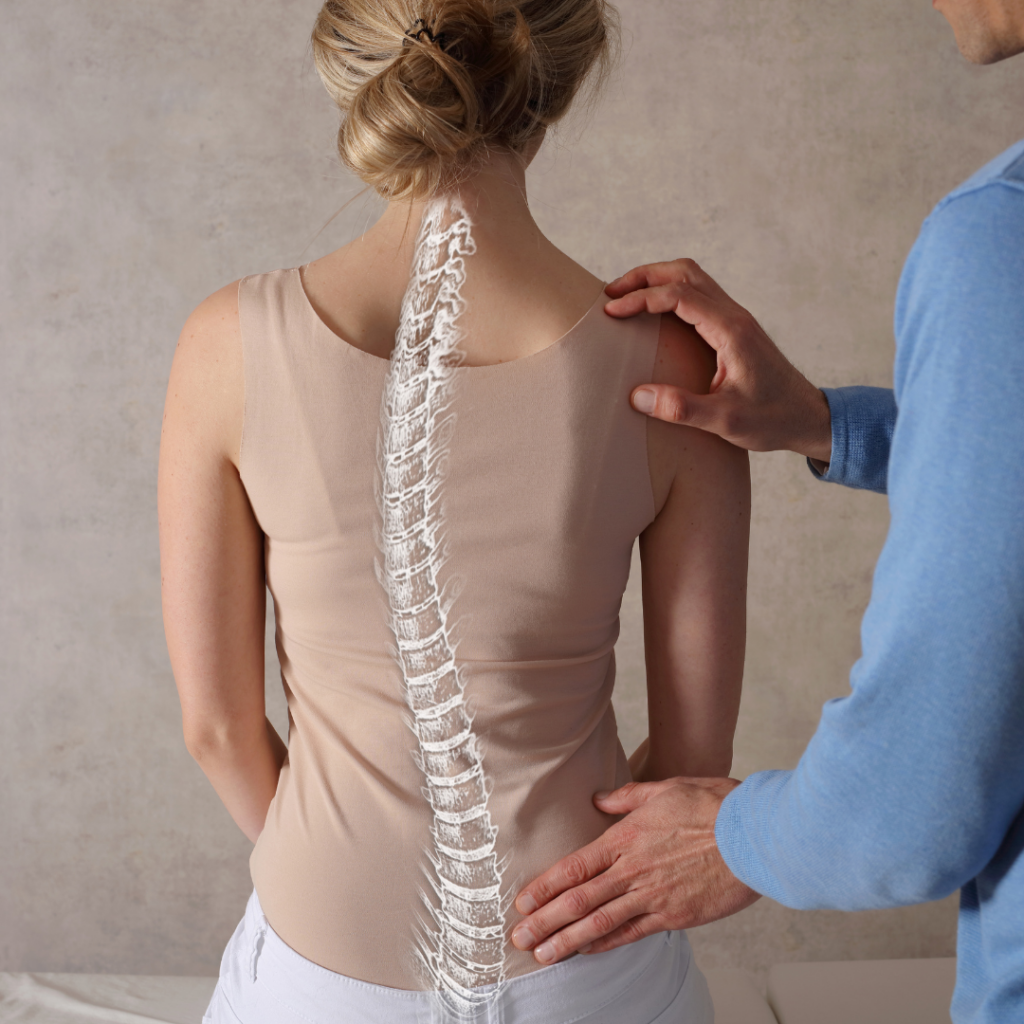
If you or your child has recently been told that there’s an abnormal curve in the spine, it’s natural to have a lot of questions. Scoliosis can sound intimidating at first, but understanding what causes scoliosis — and what can be done about it — goes a long way toward reducing that worry. Here at Kuns Chiropractic Clinic in Gresham, OR, Dr. Westley Kuns works with patients of all ages who are navigating this condition, and one of the most common things he hears is, “I just wish someone had explained this to me sooner.” That’s exactly what this article is here to do.
What is scoliosis? Scoliosis is an abnormal lateral (side-to-side) curvature of the spine. Rather than running in a straight vertical line when viewed from behind, a spine affected by scoliosis curves to one side — sometimes forming an “S” or “C” shape. It can develop at any age, though it most commonly appears during childhood or adolescence.
- Understanding Scoliosis: More Than Just a Curved Spine
- What Causes Scoliosis? The Main Types Explained
- Signs and Symptoms to Watch For
- How Chiropractic Care Fits Into Scoliosis Management
- Practical Tips for Living Well With Scoliosis
- When to See a Chiropractor for Scoliosis
- Scoliosis Types at a Glance
- Myths vs. Facts About Scoliosis
- Final Thoughts From Kuns Chiropractic Clinic
Understanding Scoliosis: More Than Just a Curved Spine
The spine is one of the most remarkable structures in the human body. It provides support, protects your spinal cord, allows for movement in every direction, and carries your weight through every step you take. When it curves abnormally to the side, however, everything connected to it — your muscles, joints, nerves, and even your internal organs — can be affected over time.
A normal spine, when viewed from the side, has natural front-to-back curves that act like a spring to absorb shock. But when viewed from behind, the spine should appear straight. In scoliosis, that straight line takes a detour. The degree of curvature is measured in what’s called a Cobb angle. Curves greater than 10 degrees are generally considered scoliosis. Mild curves may cause few or no symptoms, while more significant curves can affect posture, breathing, and comfort in a meaningful way.
It’s also worth knowing that scoliosis isn’t just a children’s condition. Adults can develop it too — either as a continuation of adolescent scoliosis or as a result of spinal degeneration that develops later in life. If you’ve been experiencing unexplained back pain and haven’t had your spine evaluated, it’s worth a conversation with a knowledgeable provider.
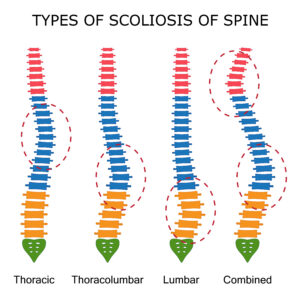
What Causes Scoliosis? The Main Types Explained
This is the question Dr. Westley Kuns gets most often from new patients at Kuns Chiropractic Clinic. The honest answer is that it depends on the type of scoliosis. There isn’t one single cause — there are several distinct categories, and each has a different origin.
Idiopathic Scoliosis (The Most Common Type)
The word “idiopathic” essentially means the cause is unknown. This form accounts for roughly 80% of all scoliosis cases. Idiopathic scoliosis is most commonly diagnosed during the adolescent growth spurt — typically between ages 10 and 16 — and it appears more frequently in girls than boys when it comes to curves that progress to a degree requiring treatment. Researchers have found that genetics play a significant role, meaning it tends to run in families. However, no single gene or definitive trigger has been fully identified, which is why it remains categorized as idiopathic.
When scoliosis is detected in younger children (ages 3–10), it’s called juvenile idiopathic scoliosis. When it appears in children under age 3, it’s called infantile idiopathic scoliosis. Each subtype has its own patterns of progression and management considerations. Early detection matters in all of them, which is why spinal screenings during childhood are so valuable. If you’re concerned about your child’s spinal development, our pediatric chiropractic care at Kuns Chiropractic Clinic is a great starting point for evaluation and support.
Congenital Scoliosis
Congenital scoliosis is present at birth. It results from a malformation of the vertebrae during fetal development — for example, a vertebra that didn’t form completely, or two vertebrae that fused together abnormally. Because it originates in utero, congenital scoliosis is structural from the start and often requires more involved management. It has nothing to do with what the mother did or didn’t do during pregnancy, and it’s important for parents to understand that this is not a preventable condition in the traditional sense.
Neuromuscular Scoliosis
This type develops as a secondary effect of a neurological or muscular condition. Cerebral palsy, muscular dystrophy, spinal muscular atrophy, and spinal cord injuries are among the conditions most associated with neuromuscular scoliosis. When the muscles that support the spine can’t function properly, the spine is more vulnerable to abnormal curvature. These curves tend to progress more rapidly and can be more complex to manage.
Degenerative (Adult) Scoliosis
In adults, scoliosis can develop or worsen as a result of spinal degeneration. As the discs between vertebrae break down and the joints of the spine wear over time, the spine can begin to shift and curve. This is sometimes called de novo scoliosis, meaning it’s newly developed rather than a continuation of childhood scoliosis. Osteoporosis, disc degeneration, and vertebral compression fractures are all contributing factors. If you’re curious about how spinal disc changes connect to this, our article on how to prevent degenerative disk disease is worth a read.
Functional Scoliosis
Unlike the structural types above, functional scoliosis isn’t caused by an actual deformity of the spine itself. Instead, the curve appears because of something else — a leg length discrepancy, chronic muscle tension on one side, or even prolonged postural habits. The important distinction is that functional scoliosis is often more responsive to conservative treatment because the spine itself is structurally normal. Addressing the underlying cause — whether that’s muscle imbalance, posture, or leg length — can reduce or resolve the apparent curve.
Signs and Symptoms to Watch For
One reason scoliosis is easy to miss in its early stages is that mild curves often don’t cause pain — particularly in adolescents. Many cases are first caught during a school screening or a routine physical. That said, there are physical signs that can point to the condition.
Uneven shoulders are one of the most common visual cues. You might notice that one shoulder blade protrudes more than the other, or that one shoulder sits higher. Similarly, uneven hips — where one side appears raised or shifted — can be a sign. When a person bends forward at the waist, a visible rib hump on one side (called a rib prominence) can often be observed. Clothing may hang unevenly, or one pant leg may appear shorter than the other despite equal leg length.
As scoliosis progresses or in adult cases, symptoms become more physically noticeable. These can include chronic back pain, stiffness, fatigue after standing or walking, and in more significant curves, reduced lung capacity or digestive discomfort due to postural changes. Some patients also experience sciatica-type leg pain if nerve roots become compressed due to the curvature. It’s always worth getting a proper evaluation rather than guessing based on symptoms alone.
How Chiropractic Care Fits Into Scoliosis Management
Chiropractic care isn’t a cure for scoliosis, and Dr. Westley Kuns is straightforward about that. What chiropractic care can do, however, is meaningful. It falls into the category of conservative, non-invasive care — and for many patients with mild to moderate scoliosis, it can play a genuine role in managing symptoms and supporting spinal function.
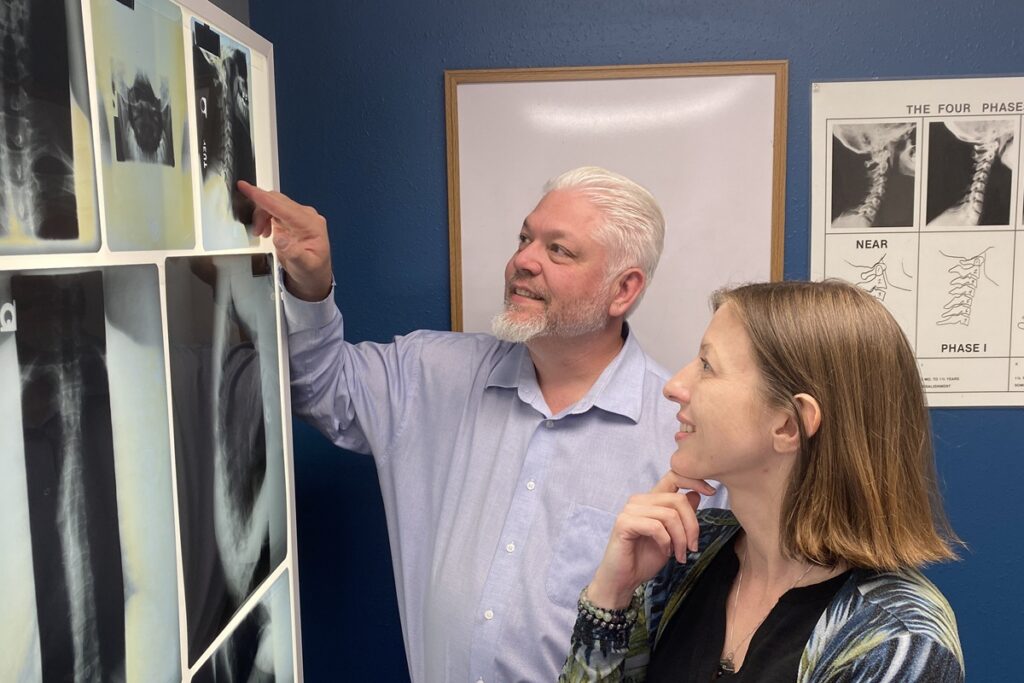
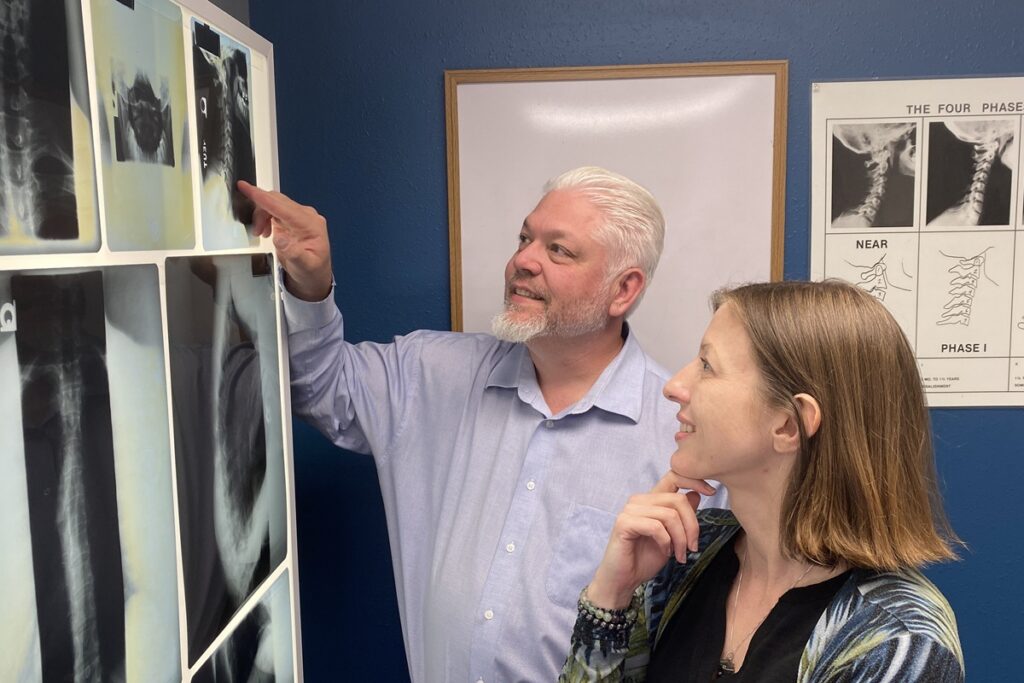
At Kuns Chiropractic Clinic in Gresham, the approach to scoliosis begins with a thorough evaluation. Understanding the type of scoliosis, the degree of curvature, the patient’s age and activity level, and their overall health history all inform the care plan. No two scoliosis patients are identical, and cookie-cutter approaches simply don’t serve them well.
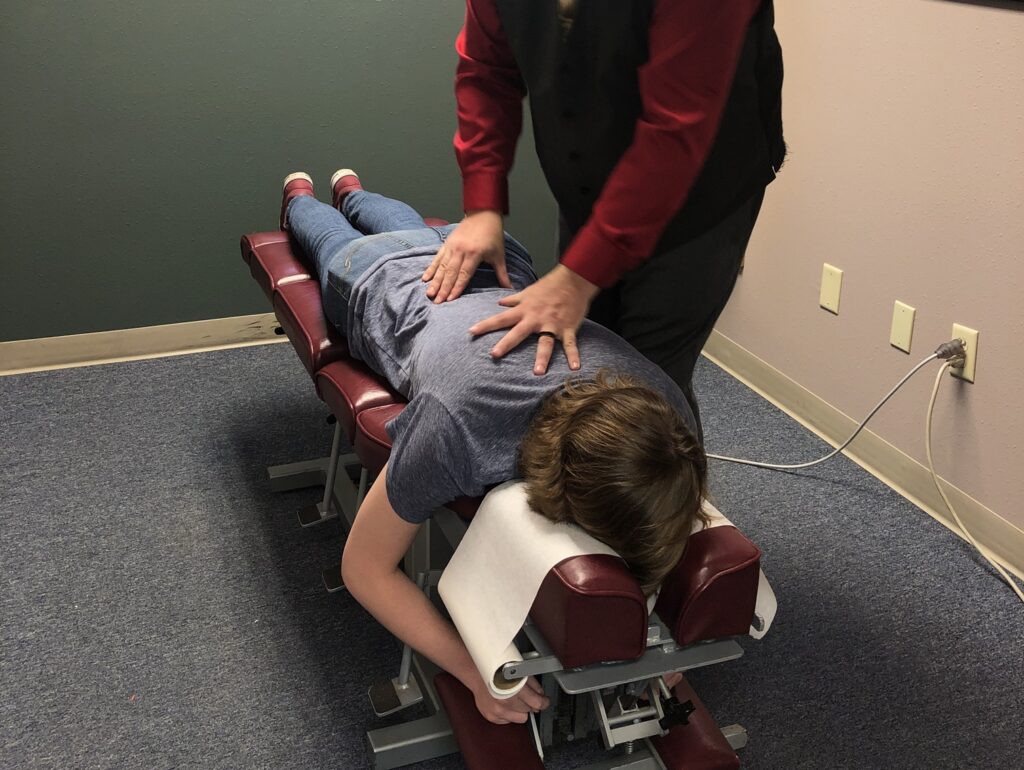
Chiropractic adjustments aim to improve spinal mobility, reduce areas of restriction, and support better alignment where possible. For patients experiencing back pain or muscle tension as a result of their spinal curvature, this can provide meaningful relief. Research in conservative care has suggested that chiropractic management — particularly when combined with specific rehabilitative exercises — may help slow the progression of curvature in some patients and reduce associated pain.
In addition to spinal adjustments, Kuns Chiropractic Clinic offers physical therapy services that can be an important complement to chiropractic care for scoliosis patients. Targeted exercises to strengthen core and back muscles help support the spine from the inside out. For patients with more significant disc involvement alongside their scoliosis, spinal decompression therapy may also be a consideration worth discussing.
For adolescents and children, early intervention is particularly valuable. The spine is still developing during these years, which means there may be a window of opportunity for conservative care to have a more significant impact. Families in the Gresham area who want to be proactive about their child’s spinal health are welcome to speak with Dr. Westley Kuns about what a supportive care plan might look like. You can also learn more about our approach to comprehensive chiropractic care for patients of all ages.
Practical Tips for Living Well With Scoliosis
Whether you’ve been recently diagnosed or have been managing scoliosis for years, there are everyday habits that can make a real difference in how you feel. These aren’t replacements for professional care — they’re things that complement it.
Staying active is one of the most important things a person with scoliosis can do. Sedentary habits allow the muscles that support the spine to weaken, which puts more stress on the vertebrae and surrounding structures. Low-impact activities like swimming, walking, and yoga are often well-tolerated and beneficial. Swimming in particular is frequently recommended because it supports the spine in a horizontal position while still building muscle symmetry. If you’re an active person managing scoliosis alongside sports participation, our team offers sports chiropractic care tailored to keep you moving safely.
Posture awareness matters too. While posture alone doesn’t cause structural scoliosis, maintaining better postural habits can reduce the muscular strain that often accompanies it. Pay attention to how you sit, especially during long periods at a desk. Ergonomic seating with lumbar support, keeping screens at eye level, and taking movement breaks throughout the day are all helpful practices.
Sleep position is another factor worth considering. Sleeping on your back or side with appropriate pillow support tends to be better for spinal alignment than sleeping on your stomach. A medium-firm mattress that provides support without excessive rigidity is generally a good choice for spinal conditions.
Finally, don’t underestimate the value of ongoing monitoring. Scoliosis — especially in younger patients — should be checked regularly to track whether the curvature is stable or progressing. Staying consistent with professional evaluations gives you the information you need to make good decisions.
When to See a Chiropractor for Scoliosis
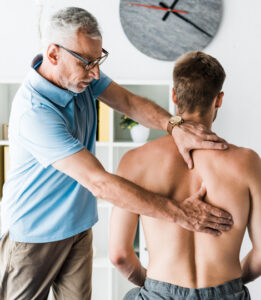
If you’ve noticed uneven shoulders, a tilted posture, or a visible curve in someone’s spine, it’s worth having it evaluated. You don’t need to wait until there’s significant pain — in fact, earlier evaluation is almost always better. Dr. Westley Kuns at Kuns Chiropractic Clinic in Gresham, OR welcomes patients who simply want to understand what’s going on with their spine, even if symptoms are minimal.
For adults experiencing back or neck pain that hasn’t responded well to other approaches, an undiagnosed or undertreated scoliosis could be a contributing factor. If you’re also dealing with radiating leg pain, you may find our resource on the top causes of leg pain and chiropractic treatment informative as well.
There are certain red flags that indicate the need for immediate medical attention rather than — or in addition to — chiropractic care. These include rapidly progressing neurological symptoms such as weakness, numbness, or loss of bladder or bowel control. Severe or sudden worsening of spinal pain, especially after trauma, also warrants urgent evaluation. In these cases, Dr. Westley Kuns will refer patients to the appropriate medical specialist without hesitation. Chiropractic care works best as part of a collaborative healthcare approach, not in isolation.
Scoliosis Types at a Glance
| Type of Scoliosis | Primary Cause | Typical Age of Onset | Conservative Care Potential |
|---|---|---|---|
| Idiopathic (Adolescent) | Unknown; genetic factors likely involved | 10–16 years | Good for mild to moderate curves |
| Idiopathic (Juvenile/Infantile) | Unknown; may have genetic component | Birth to age 10 | Early intervention important |
| Congenital | Vertebral malformation during fetal development | Present at birth | Supportive; often requires specialist involvement |
| Neuromuscular | Neurological or muscular disease (e.g., cerebral palsy) | Varies | Adjunctive; typically multidisciplinary |
| Degenerative (Adult) | Disc degeneration, osteoporosis, joint wear | Middle age and older | Good for symptom management and stabilization |
| Functional | Leg length discrepancy, muscle imbalance, posture | Any age | Excellent; often resolves with underlying cause |
Myths vs. Facts About Scoliosis
Myth: Carrying a heavy backpack causes scoliosis.
Fact: This is one of the most persistent myths, and it’s understandable why people believe it. Heavy backpacks can certainly cause muscle strain and postural issues, but they do not cause structural scoliosis. The major types of scoliosis — particularly idiopathic — are not caused by external load or posture habits. That said, reducing unnecessary load on a child’s spine is still a sensible practice for general spinal health.
Myth: Only teenagers get scoliosis.
Fact: While adolescent idiopathic scoliosis gets the most attention, scoliosis can affect people at any age. Infants, children, adults in their 30s and 40s, and older adults dealing with degenerative changes can all develop scoliosis. Age should never be a reason to dismiss a concern about spinal curvature.
Myth: Scoliosis always causes pain.
Fact: Many people — especially adolescents with mild curves — experience no pain at all from scoliosis. Pain is more common in adult scoliosis, particularly when degeneration or nerve involvement is present. The absence of pain does not mean a curve isn’t there or isn’t worth monitoring.
Myth: If scoliosis doesn’t bother you, you don’t need to do anything about it.
Fact: Some curves are stable and low-risk, and that’s genuinely reassuring. However, scoliosis should still be monitored — especially during periods of rapid growth in children. A curve that appears harmless at one point can progress. Regular professional evaluations allow for early action if needed, rather than reactive care after a curve has worsened significantly.
Myth: Chiropractic care can straighten a scoliotic spine.
Fact: Chiropractic care cannot structurally correct an established scoliotic curve. What it can do is improve spinal mobility, reduce muscular tension, manage pain, and in some cases help support stability. These are real, meaningful benefits — but it’s important to have honest expectations. At Kuns Chiropractic Clinic, Dr. Westley Kuns believes in transparent conversations about what conservative care can and cannot do.
Final Thoughts From Kuns Chiropractic Clinic
Scoliosis is a condition that affects millions of people across all age groups, and understanding what causes scoliosis is an empowering first step. Whether you’re a parent who just received news about your child’s spine, an adult who has lived with scoliosis for decades, or someone who simply wants answers, know that you don’t have to figure this out alone.
Here at Kuns Chiropractic Clinic in Gresham, OR, Dr. Westley Kuns takes pride in offering individualized, honest, and compassionate care to the local community. We take the time to understand your specific situation before making any recommendations. For those interested in learning more about how we approach spinal conditions like scoliosis, our scoliosis treatment page is a helpful starting point. And if you’re managing scoliosis alongside other concerns like overall spinal wellness, our wellness chiropractic care program may be a great fit.
The Gresham community deserves clear information and quality care — and that’s exactly what we’re here to provide.
Frequently Asked Questions
Can scoliosis get worse over time?
Yes, in some cases it can — particularly during periods of rapid growth in children and adolescents, or in adults with progressive spinal degeneration. Not all curves progress, but regular monitoring is important to catch any changes early. A professional evaluation can help determine how closely your curve needs to be tracked.
Is scoliosis hereditary?
Research suggests there is a genetic component, particularly with idiopathic scoliosis. If a parent or sibling has scoliosis, there is a higher likelihood that other family members may develop it. However, having the genetic tendency does not guarantee the condition will develop or progress significantly.
At what age is scoliosis most commonly diagnosed?
Adolescent idiopathic scoliosis is most commonly diagnosed between ages 10 and 16, often during a school screening or routine physical exam. However, scoliosis can appear at any age, from infancy to late adulthood. If you have concerns at any stage of life, an evaluation is worthwhile.
Can exercise help with scoliosis?
Yes — targeted exercise can be a valuable part of managing scoliosis. Strengthening the core and spinal muscles helps support the spine and reduce pain. Specific exercise approaches, such as the Schroth method, have shown promise in research as part of conservative scoliosis management. A chiropractor or physical therapist can guide you toward exercises appropriate for your curve type and severity.
Is chiropractic care safe for children with scoliosis?
When performed by a qualified chiropractor experienced in pediatric care, chiropractic evaluation and treatment for children with scoliosis is considered safe and non-invasive. Dr. Westley Kuns at Kuns Chiropractic Clinic in Gresham is experienced in working with younger patients and tailors all care to be age-appropriate and gentle.
What is the difference between scoliosis and poor posture?
Poor posture can create the appearance of an uneven spine but doesn’t involve actual structural changes to the vertebrae. Structural scoliosis represents a true lateral curve of the spine that remains when the person bends forward — it won’t fully correct with postural cues alone. A proper spinal evaluation can differentiate between the two.
TL;DR
- Scoliosis is an abnormal lateral curvature of the spine and can affect people of all ages, not just teenagers.
- The most common type — idiopathic scoliosis — has no fully identified cause, though genetics are believed to play a role.
- Other types include congenital (present at birth), neuromuscular (related to neurological conditions), degenerative (adult onset), and functional (caused by muscle imbalance or leg length differences).
- Chiropractic care can’t straighten a scoliotic curve, but it can meaningfully reduce pain, improve mobility, and support spinal health as part of a conservative care plan.
- Early evaluation, regular monitoring, and staying active are among the most important steps for anyone managing scoliosis.