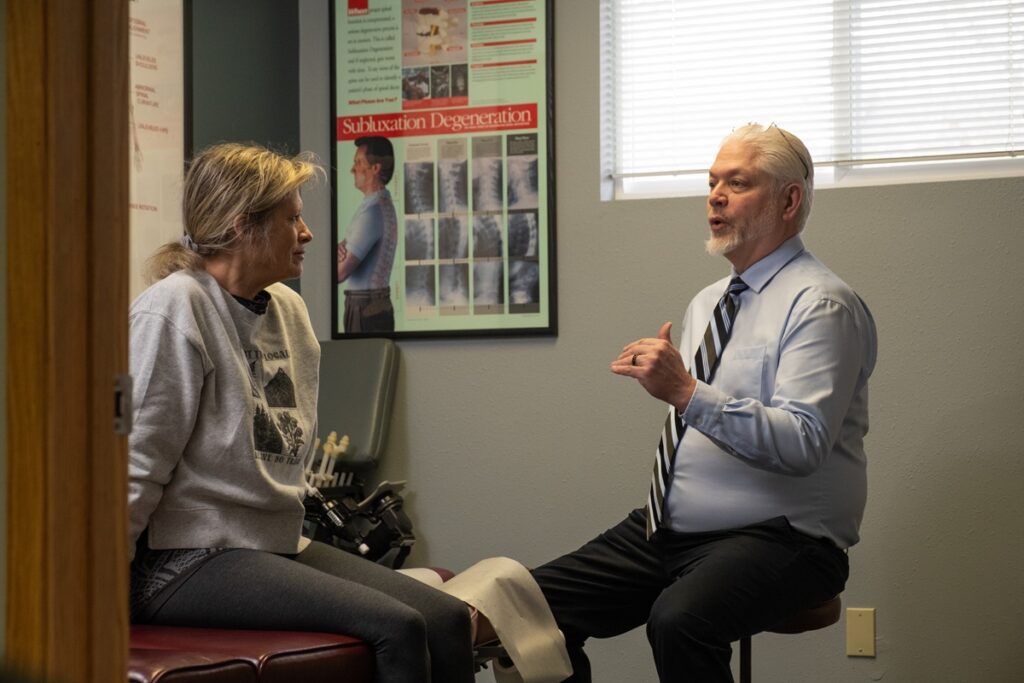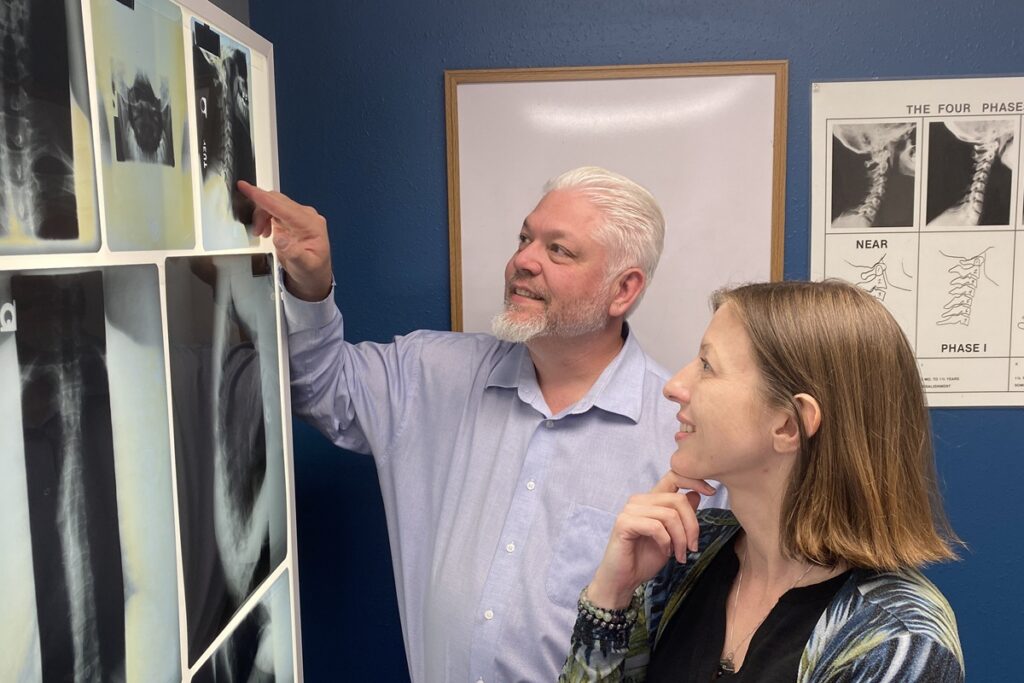

As a local chiropractor, I want to emphasize the importance of approaching neck injuries with care and intention. Recovery is not just about managing pain; it's about fostering a holistic healing process. One effective way to support your recovery is through gentle neck stretches, which can help ease discomfort and improve mobility. Additionally, incorporating proper heat and cold therapy can significantly alleviate pain and inflammation.
It's also essential to be mindful of your posture throughout the day, as maintaining good alignment can aid in your healing journey. Restorative sleep plays a vital role as well; creating a supportive sleep environment can enhance your body's natural recovery processes. If you're interested in how to effectively incorporate these techniques into your daily routine, I'm here to share key strategies that can truly make a difference in your healing experience. Remember, chiropractic care can be a valuable component of your recovery, helping you to achieve a healthier, pain-free life.
Gentle Neck Stretches
As a chiropractor, I want to share some gentle neck stretches that can significantly relieve tension and enhance flexibility in your neck. Incorporating these stretches into your daily routine can help you feel more relaxed and alleviate discomfort.
Begin by finding a comfortable position, whether sitting or standing, with your back straight and shoulders relaxed.
One of the most effective stretches is the neck tilt. To perform this stretch, lower your right ear toward your right shoulder and hold that position for 15-30 seconds. You should feel a gentle pull on the left side of your neck. After that, switch sides and repeat. This stretch is beneficial for releasing tightness and maintaining your range of motion.
Next, I recommend the neck rotation. Slowly turn your head to the right, allowing your chin to move over your shoulder. Hold this position for 15-30 seconds before returning to the center. Then, repeat the stretch on the left side. This exercise enhances flexibility and encourages better posture.
Another beneficial stretch is the chin tuck. Sit up straight and gently tuck your chin toward your chest. Hold this position for 5 seconds, then relax. This stretch helps strengthen the muscles in your neck and counteracts forward head posture, which is common in our daily lives.
Lastly, don't overlook the shoulder shrug. Simply raise your shoulders towards your ears, hold for a moment, and then release. Repeat this 5-10 times. This stretch not only alleviates tension in your neck but also benefits your upper back.
Incorporating these stretches into your routine can be a simple yet effective way to support your neck health and overall well-being.
Heat and Cold Therapy
As a local chiropractor, I want to share some valuable information about two effective techniques that can help manage neck injuries and alleviate discomfort: heat and cold therapy. These methods not only aid in reducing inflammation but also improve circulation and promote relaxation, making them essential components of your recovery journey.
When you apply heat therapy to your neck, aim for about 15 to 20 minutes. You can use a warm towel, a heating pad, or even a hot water bottle. Heat therapy is excellent for relaxing tight muscles, boosting blood flow, and easing stiffness. However, it's important to avoid applying heat to swollen areas, as it may exacerbate inflammation.
Conversely, cold therapy is particularly beneficial for minimizing swelling and numbing sharp pain. You can use an ice pack or a bag of frozen vegetables wrapped in a cloth. Apply the cold pack to your neck for 10 to 15 minutes, ensuring you give your skin a break between applications. Cold therapy is especially effective within the first 48 hours after an injury, as it helps reduce inflammation and provides immediate relief.
Another strategy to consider is alternating between heat and cold therapy. Start with cold to manage swelling, then switch to heat to promote relaxation in your muscles. Always pay attention to how your body responds; if something feels uncomfortable, don't hesitate to make adjustments.
Remember, heat and cold therapy are just part of a comprehensive approach to managing neck injuries. By incorporating these techniques into your routine, you're taking significant steps toward recovery and comfort.
If you have any questions or need further guidance, feel free to reach out—I'm here to help you on your path to wellness!
Mindful Breathing Exercises
As a chiropractor, I often see patients who experience discomfort in their necks due to various factors such as stress, poor posture, or muscle tension. After applying heat and cold therapy to alleviate some of this discomfort, I encourage my patients to consider incorporating mindful breathing exercises into their recovery routine. These exercises can be incredibly beneficial for enhancing your healing process.
Mindful breathing allows you to focus your attention on the present moment, which helps to relax your body and reduce tension in your neck. By centering your breath, you create a tranquil environment that promotes healing.
To begin, find a comfortable position, whether sitting or lying down. Close your eyes and take a deep breath in through your nose, allowing your abdomen to expand fully. Hold that breath for a moment, experiencing the fullness in your chest and belly. Then, exhale slowly through your mouth, consciously letting go of any tension.
Repeat this process several times, paying attention to the rhythm of your breath. As you breathe, notice the sensation of air entering and leaving your body. Visualize your breath flowing into the tight areas of your neck, bringing warmth and relaxation. With each exhale, imagine releasing any discomfort or stress you may be holding.
If your mind begins to wander, gently redirect your focus back to your breath without any judgment. You might also consider counting your breaths. Inhale for a count of four, hold for four, then exhale for six. This technique not only calms the mind but also helps to regulate your breathing pattern.
I recommend practicing these mindful breathing exercises for at least five to ten minutes each day. Consistency in this practice will enhance your focus and support the healing of your neck, allowing you to feel more relaxed and in control of your well-being.
Incorporating these simple yet effective techniques into your daily routine can complement the chiropractic care you receive, leading to a more holistic approach to your recovery.
Posture Awareness Techniques
As a local chiropractor, I want to emphasize the importance of maintaining good posture for preventing and alleviating neck injuries. Many people may not realize that being mindful of your posture throughout the day can significantly reduce strain on your neck and enhance your overall well-being.
First, let's talk about your workspace. If you spend a significant amount of time at a desk, it's crucial to ensure that your chair provides proper support for your lower back and that your computer screen is positioned at eye level. This setup helps keep your neck properly aligned and minimizes the urge to lean forward, which can lead to discomfort.
When you're standing, aim to distribute your weight evenly across both feet while keeping your shoulders relaxed. Avoid locking your knees, as this can create unnecessary tension in your upper body. I encourage you to regularly check in with your posture, especially if you notice yourself slouching or leaning. Setting reminders on your phone or placing sticky notes in your workspace can help prompt you to make adjustments.
In addition to being mindful of your posture, consider engaging in exercises that strengthen your core and back muscles. A strong core is essential for supporting better posture and reducing the risk of neck strain. Incorporating gentle stretches into your daily routine will help keep your neck flexible and alleviate tension.
If you find yourself sitting for extended periods, be sure to take short breaks to stand, stretch, and reset your posture.
Lastly, when lifting or carrying objects, practice mindful movements. Bend at your knees and keep the load close to your body to minimize strain on your neck. By integrating these posture awareness techniques into your daily life, you can cultivate a healthier neck and prevent future injuries.
Restorative Sleep Practices
As a local chiropractor dedicated to your well-being, I often emphasize the importance of restorative sleep practices for optimal neck health. Quality sleep isn't just a luxury; it's a vital component of healing, particularly when it comes to the condition of your neck.
When your body is well-rested, it has the opportunity to repair itself, which can significantly reduce inflammation and discomfort in the neck area. By incorporating restorative sleep practices into your routine, you can support your neck's recovery and overall health.
Here are some effective tips I recommend to promote restorative sleep for better neck health:
- Choose the right pillow: It's crucial to select a pillow that supports the natural curve of your neck. Consider using a contour pillow designed to maintain proper alignment, which can alleviate pressure and discomfort in your neck.
- Create a relaxing bedtime routine: Establish calming activities before bed, such as reading a book or engaging in gentle stretching. These activities signal to your body that it's time to wind down, helping to reduce stress that can contribute to neck tension.
- Maintain a consistent sleep schedule: Try to go to bed and wake up at the same time each day. This consistency helps reinforce your body's natural circadian rhythms, leading to deeper and more restorative sleep.
- Optimize your sleep environment: Ensure that your bedroom is dark, quiet, and cool. A comfortable and distraction-free sleep space is essential for falling asleep easily and staying asleep throughout the night.
By following these tips, you can enhance your restorative sleep practices, which in turn can lead to improved neck health and overall well-being.
Conclusion
As your local chiropractor, I want to share some gentle techniques that can help you manage neck injuries and promote healing naturally. Incorporating gentle stretches into your daily routine can significantly enhance your flexibility and reduce stiffness in your neck. Additionally, utilizing heat and cold therapy can be incredibly effective in alleviating pain and discomfort.
It's also important to practice mindful breathing, as it can help reduce stress and tension in your body. Maintaining good posture throughout your day is crucial, as it not only supports your neck but also contributes to overall spinal health. Don't underestimate the power of restorative sleep; prioritizing quality rest is essential for recovery.
By integrating these soft techniques into your lifestyle, you'll be well on your way to feeling better and enjoying a more comfortable life. Remember, taking care of your neck is vital—when you do, it will take care of you in return! If you have any questions or need guidance on how to implement these strategies, I'm here to help.