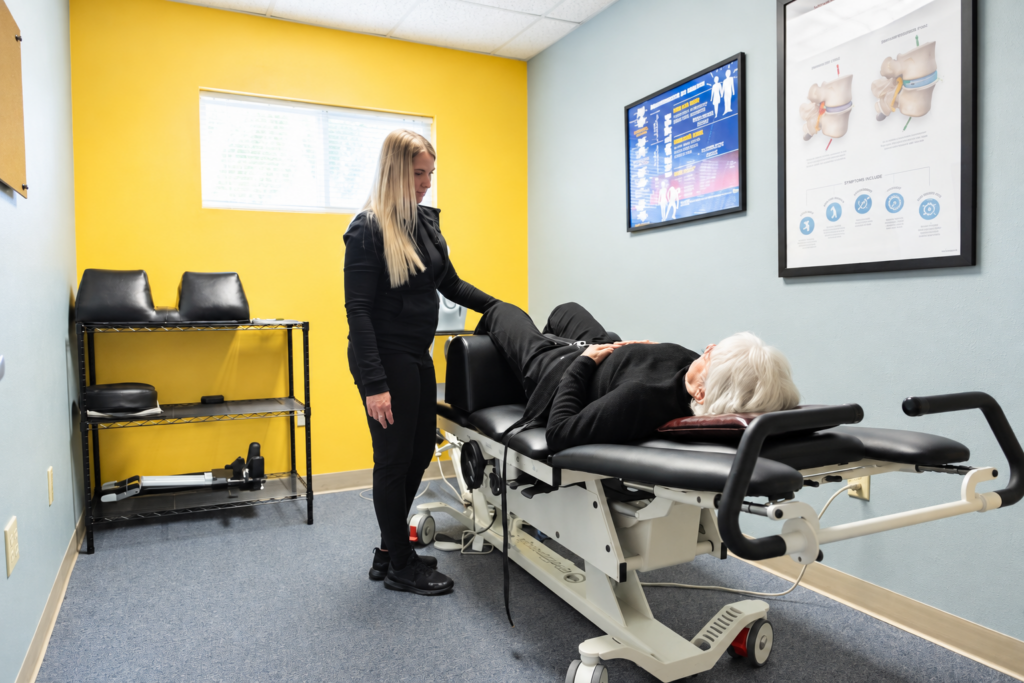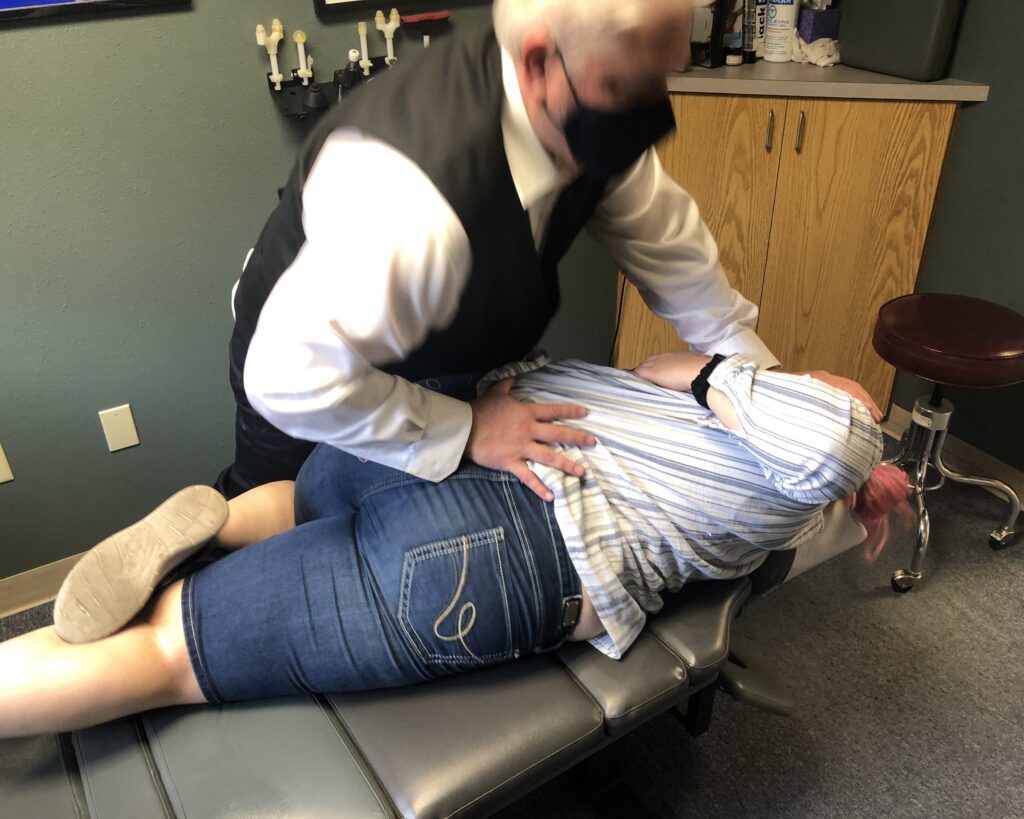

If you are experiencing neck pain, it's understandable to feel a bit lost with the myriad of relief options available. As a local chiropractor, I want to guide you through some effective techniques that can help alleviate your discomfort and improve your mobility. Many people are unaware that simple strategies like gentle stretches, heat therapy, and better posture can have a significant impact on your healing journey.
Navigating through these methods can be challenging, but finding the right approach for your individual needs is crucial. Let's take a closer look at seven natural techniques that I often recommend to my patients. These methods not only aim to relieve pain but also promote overall wellness, starting with the simplest options that you may have overlooked. Your comfort and recovery are my top priorities, and I'm here to help you explore these valuable solutions.
Gentle Neck Stretches
As a local chiropractor, I want to share some valuable insights on how gentle neck stretches can significantly relieve tension and enhance your flexibility. Incorporating these stretches into your daily routine can lead to noticeable improvements in stiffness and discomfort in your neck.
Let's start with a simple side tilt. Whether you're sitting or standing comfortably, gently tilt your head to one side, allowing your ear to move toward your shoulder. Hold this position for 15-30 seconds, and you should feel a gentle stretch along the opposite side of your neck. Once you've completed that, switch sides and repeat the process.
Next, I recommend trying the neck rotation stretch. Slowly turn your head to one side, aiming to align your chin with your shoulder. Again, hold this for 15-30 seconds before rotating to the other side. This stretch is excellent for enhancing your range of motion and overall neck health.
Another effective stretch is the forward and backward tilt. Start by lowering your chin toward your chest, which will provide a nice stretch in the back of your neck. Hold for the same duration, and then gently lift your head back to a neutral position. From there, tilt your head back and look up at the ceiling, which opens up the front of your neck and can help relieve tension.
Throughout each of these stretches, remember to breathe deeply and maintain a gentle pace. It's crucial not to force any movements; if you experience sharp pain, please stop immediately.
Performing these stretches a few times a day can alleviate discomfort and help prevent future injuries. Consistency is essential, so I encourage you to make these stretches a regular part of your day. You'll likely notice the benefits in no time, contributing to your overall well-being and natural healing journey.
Hot and Cold Therapy
As a local chiropractor, I want to share with you the benefits of hot and cold therapy for managing neck pain and promoting healing. This natural technique can be a valuable addition to your wellness routine, and it's quite simple to implement.
Here's how you can effectively use hot and cold therapy:
- Begin with Cold Therapy: Start by applying a cold pack or ice wrapped in a cloth to your neck for 15-20 minutes. This step is crucial as it helps to reduce inflammation and numbs any sharp pain you might be experiencing.
- Transition to Heat Therapy: After you've completed the cold treatment, switch to heat. Use a heating pad or a warm towel on your neck for another 15-20 minutes. The warmth helps to increase blood circulation and relaxes any tense muscles, providing you with relief.
- Pay Attention to Your Body: It's important to listen to how your neck responds to each treatment. If you notice any increase in pain or discomfort, feel free to adjust the temperature or the duration of the application.
- Repeat as Necessary: You can alternate between hot and cold therapy multiple times a day. Just remember to give your skin a break in between treatments to prevent any irritation.
Always remember to protect your skin by wrapping ice packs in a cloth or using a barrier when applying heat. This precaution helps to prevent burns or frostbite.
By combining hot and cold therapy, you can effectively reduce stiffness and soreness, allowing you to regain mobility in your neck.
If you find that your pain persists despite these efforts, please don't hesitate to reach out for professional guidance. As your chiropractor, I'm here to help you explore further assessment and treatment options tailored to your needs. Your health and comfort are my top priorities!
Massage Techniques
As a local chiropractor, I often emphasize the importance of holistic approaches, such as massage techniques, for alleviating neck pain. After you've experimented with hot and cold therapy, consider integrating massage into your self-care routine.
Massage isn't just a luxury; it plays a vital role in relieving tension, enhancing circulation, and fostering relaxation in the neck muscles.
To get started, use your fingers to gently press along the sides of your neck. Employ circular motions to work out any knots or tight areas. Pay special attention to the base of your skull—this is where a lot of tension tends to accumulate. It's crucial to listen to your body and adjust the pressure to your comfort level; the goal is to create a soothing experience, not discomfort.
Another effective method is the "pincer grip." With your thumb on one side of your neck and your fingers on the other, apply a gentle squeeze to the muscles. This technique helps to release tightness and enhance blood flow to the area.
You might also find it beneficial to use a massage ball. Place it between the wall and your neck, and roll it slowly to locate and alleviate trigger points.
Don't overlook your shoulders! Tension often radiates down from the neck, so addressing your shoulder muscles can lead to significant relief. Use your fingers to apply pressure and knead the muscles, focusing on any areas of tightness.
Incorporating these techniques into your daily routine can be immensely beneficial—especially after a warm shower or at the end of a busy day.
Consistency is key, so I encourage you to make massage a regular part of your self-care regimen. This can lead to long-lasting relief from neck pain and contribute to your overall well-being.
Posture Correction
As a local chiropractor, I want to share with you some vital insights on how correcting your posture can significantly alleviate neck pain and help prevent future discomfort.
Many individuals may not realize that poor posture can lead to muscle strain and tension in the neck, making it crucial to adopt healthier habits.
Here are four effective strategies that can improve your posture and support neck relief:
- Sit Up Straight: When you're seated at your desk or any chair, it's important to keep your back straight and your shoulders relaxed. Your feet should rest flat on the floor, and your knees should form a 90-degree angle. This proper alignment helps to reduce strain on your neck, promoting overall spinal health.
- Screen Height: It's essential to adjust your computer or device screen to eye level. This adjustment prevents the need to tilt your head up or down, minimizing the risk of neck strain. If you frequently use a laptop, consider utilizing a separate keyboard and mouse. This can help you achieve a more ergonomic positioning that supports your neck's natural alignment.
- Take Breaks: I recommend that you regularly take breaks from prolonged sitting or staring at screens. Standing up, stretching, or walking around for a few minutes every hour can help reset your posture and relieve any tension that has built up in your neck. These small breaks are key to maintaining your overall well-being.
- Mind Your Phone: When you're using your smartphone, try to hold it at eye level rather than looking down. This simple change can significantly reduce the strain on your neck and promote better posture throughout the day. Being mindful of how you use your devices can make a big difference in your neck health.
By incorporating these strategies into your daily routine, you can take proactive steps towards improving your posture and alleviating neck pain.
Strengthening Exercises
As your chiropractor, I'd like to help you understand how to effectively manage neck injuries through targeted strengthening exercises.
It's essential to focus on specific muscle groups that support the neck. Additionally, incorporating flexibility and mobility enhancements can significantly improve your range of motion, making daily activities easier and more comfortable.
I encourage you to utilize progressive resistance techniques in your exercises. This approach not only helps build strength but also ensures that you're doing so safely and effectively, minimizing the risk of further injury.
Targeted Muscle Strengthening
As a local chiropractor dedicated to helping you achieve better health and wellness, I want to share how incorporating targeted muscle strengthening exercises into your routine can significantly alleviate neck pain and enhance your overall stability.
Focusing on specific muscle groups not only improves the resilience of your neck but also helps reduce the risk of future injuries. Here are four effective exercises that I recommend you try:
- Neck Flexion: Begin by sitting or standing upright. Slowly lower your chin toward your chest, holding this position for a few seconds before returning to the starting point. Aim to repeat this 10-15 times. This exercise helps strengthen the muscles in the front of your neck.
- Neck Extension: Gently tilt your head back to look up at the ceiling. Hold this position for a few seconds, then return to a neutral position. Try to perform this for 10-15 repetitions. This movement targets the muscles at the back of your neck.
- Lateral Neck Flexion: Tilt your head to one side, bringing your ear toward your shoulder. Hold for a moment, then switch sides. Complete 10-15 repetitions on each side. This exercise works the muscles on the sides of your neck, enhancing flexibility and strength.
- Isometric Neck Exercises: Press your forehead gently into your hands without moving your head. Hold for 5-10 seconds, then relax. You can also perform this exercise for the sides and back of your head. This isometric approach helps build strength without straining your neck.
Remember, consistency is crucial when it comes to reaping the benefits of these exercises.
By regularly integrating them into your routine, you'll not only build strength in your neck but also contribute to pain relief and improved posture.
If you have any questions or need further guidance, feel free to reach out during your next visit!
Flexibility and Mobility Enhancements
As a local chiropractor committed to your overall well-being, I want to share some insights about maintaining a healthy neck. While building strength in your neck is important, it's essential to also focus on flexibility and mobility for complete neck health. This dual approach can significantly enhance your neck's resilience and help you avoid discomfort in your daily activities.
To start, I recommend incorporating gentle neck stretches into your routine. For instance, try tilting your head to one side and holding that position for 15-30 seconds before switching to the other side. This lateral stretch is excellent for relieving tension in the neck.
Additionally, performing forward and backward neck rolls can help loosen tight muscles and improve your overall range of motion.
Don't overlook the benefits of mobility exercises either. Simple movements like shoulder shrugs and gentle head rotations can't only enhance flexibility but also promote better circulation, which aids in recovery and overall neck health.
I encourage you to make these stretches a regular part of your day, especially if you find yourself sitting for long periods. Establishing this routine can help counteract the stiffness that often comes from poor posture and support your journey towards a healthier neck.
Progressive Resistance Techniques
As a local chiropractor dedicated to promoting natural healing and overall wellness, I want to emphasize the importance of strengthening your neck through progressive resistance techniques.
These exercises can greatly enhance your neck health and stability, which is crucial for maintaining good posture and preventing future injuries. Here's how you can begin incorporating these effective methods into your routine:
1. Isometric Neck Exercises: One of the simplest ways to strengthen your neck is through isometric exercises. You can do this by pressing your head against your hands or a stable surface like a wall.
Hold this position for 5-10 seconds and repeat several times. This method engages your neck muscles without straining them.
2. Resistance Band Training: Utilizing a resistance band can add a dynamic element to your neck workouts. Perform movements that involve neck flexion, extension, and lateral motions.
The beauty of resistance bands is that you can easily adjust the intensity based on your comfort level, making it suitable for everyone.
3. Weighted Neck Exercises: As you progress, you might consider gently incorporating weights into your routine. For instance, using light dumbbells while doing lateral raises can effectively target your neck muscles.
Always remember to prioritize safety and start with lighter weights to avoid strain.
4. Neck Bridges: Another excellent exercise is the neck bridge. Lie on your back and lift your head and shoulders while keeping your feet flat on the ground.
This exercise engages multiple neck muscles and can help enhance your overall strength.
Before embarking on any progressive resistance training, I strongly recommend consulting with a healthcare professional or a physical therapist.
With dedication and consistency, you'll likely notice significant improvements in your neck strength and a reduction in discomfort.
Mindfulness and Relaxation
As a chiropractor, I want to share with you some effective mindfulness and relaxation techniques that can significantly alleviate neck pain and tension. When you focus your mind and calm your body, you create an ideal environment for healing. I encourage you to dedicate a few minutes each day to practice mindfulness.
Begin by finding a quiet space where you won't be interrupted, and sit in a comfortable position. Close your eyes and take deep, soothing breaths—inhale through your nose and exhale through your mouth. This simple practice can help reduce stress levels, which are often a contributing factor to neck pain.
As you breathe, pay attention to the sensations in your neck and shoulders. Notice any tightness or discomfort without judging it. Acknowledge these feelings, then visualize warmth and relaxation flowing into those areas with each breath. This mental imagery can help promote relaxation throughout your entire body.
Incorporating gentle stretching into your mindfulness practice can be incredibly beneficial as well. While continuing to breathe deeply, slowly tilt your head to one side, holding it for a few seconds, and then switch to the other side. This gentle movement, combined with mindfulness, can help release tension while keeping your mind engaged.
I also recommend exploring guided meditation or relaxation apps. These resources often provide structured sessions specifically designed to reduce stress and tension. They can help you maintain focus and make your mindfulness practice even more effective.
Proper Sleep Support
As a local chiropractor, I want to emphasize the importance of proper sleep support for anyone dealing with neck injuries.
Many people mightn't realize how crucial it's to choose the right pillow and maintain a good sleep position. These factors can significantly impact your comfort and recovery process.
When you sleep with the right pillow, it helps align your neck and spine, which can alleviate pressure and promote healing.
Additionally, adopting a supportive sleep position can reduce strain on your neck and muscles. By making these adjustments, you can wake up feeling refreshed and free from pain.
Let's work together to ensure you're getting the restorative sleep your body needs for optimal healing.
Pillow Selection Tips
As a chiropractor, I often emphasize the importance of selecting the right pillow, as it plays a crucial role in supporting your neck while you sleep. A well-chosen pillow helps to align your spine and reduces strain on your neck, which can significantly enhance your overall sleep quality and well-being.
Here are some essential tips to guide you in picking the ideal pillow:
- Consider Your Sleep Position: Your sleeping position—whether you're a back, side, or stomach sleeper—should dictate the type of pillow you choose. Each position benefits from specific shapes and heights that provide optimal support to your spine.
- Choose the Right Fill Material: The fill material of your pillow can greatly affect your comfort. Options like memory foam, latex, down, and synthetic fibers each have unique properties. Memory foam is excellent for contouring to the natural curves of your neck and head, while latex tends to offer a firmer support that some people prefer.
- Adjustable Options: I recommend looking for pillows that come with adjustable fill. This feature allows you to customize the height and firmness to suit your personal comfort needs, ensuring that your spine remains well-supported throughout the night.
- Check for Support and Firmness: It's important to ensure that your pillow maintains its shape during the night. A supportive pillow should cradle your neck adequately without allowing for excessive sinking, which can lead to discomfort and misalignment.
Sleep Position Matters
As a chiropractor, I want to emphasize how crucial your sleep position is for the health of your neck and spine. It's not just about comfort; it's about ensuring your body is well-supported throughout the night.
For those who naturally sleep on their backs, using a medium-loft pillow is beneficial. This type of pillow helps to maintain the natural curve of your neck, promoting even weight distribution and reducing strain on the cervical spine. I advise steering clear of overly thick pillows, as they can elevate your head too much, leading to discomfort and potential misalignment.
If you're a side sleeper, it's important to select a firmer, higher pillow. This will help fill the gap between your shoulder and head, ensuring that your neck remains straight and free from unnecessary strain. You might also consider using a body pillow for added support, which can help you maintain a more comfortable and aligned position during the night.
On the other hand, sleeping on your stomach is generally the least favorable position for neck health. This position often forces your head to twist, which can lead to strain and discomfort. If you find it difficult to change this habit, I recommend trying a flat pillow or even no pillow at all to minimize neck rotation and support your spine better.
Conclusion
As a local chiropractor, I want to share some effective techniques that can help you find relief from neck injuries and enhance your overall well-being. By incorporating these seven strategies into your daily routine, you can make a significant difference in how you feel.
First, gentle stretches are essential. They can help to release built-up tension in your neck muscles. Additionally, utilizing hot and cold therapy can provide immediate relief—heat can soothe tight muscles, while cold therapy can reduce inflammation.
Targeted massages are another valuable tool. They can help alleviate discomfort and promote relaxation. Furthermore, focusing on posture correction is crucial; maintaining proper alignment not only helps to prevent pain but also supports your long-term health.
Strengthening exercises play a critical role as well. By strengthening the muscles that support your neck, you can enhance stability and reduce the risk of future injuries.
Mindfulness practices are also important. They can help reduce stress, which often contributes to muscle tension. Lastly, choosing the right pillow for your sleeping position is vital for maintaining proper alignment overnight.
By dedicating yourself to these practices, you'll be on a path toward a healthier, pain-free neck. Remember, as your chiropractor, I'm here to guide you through these techniques and support your journey to recovery.