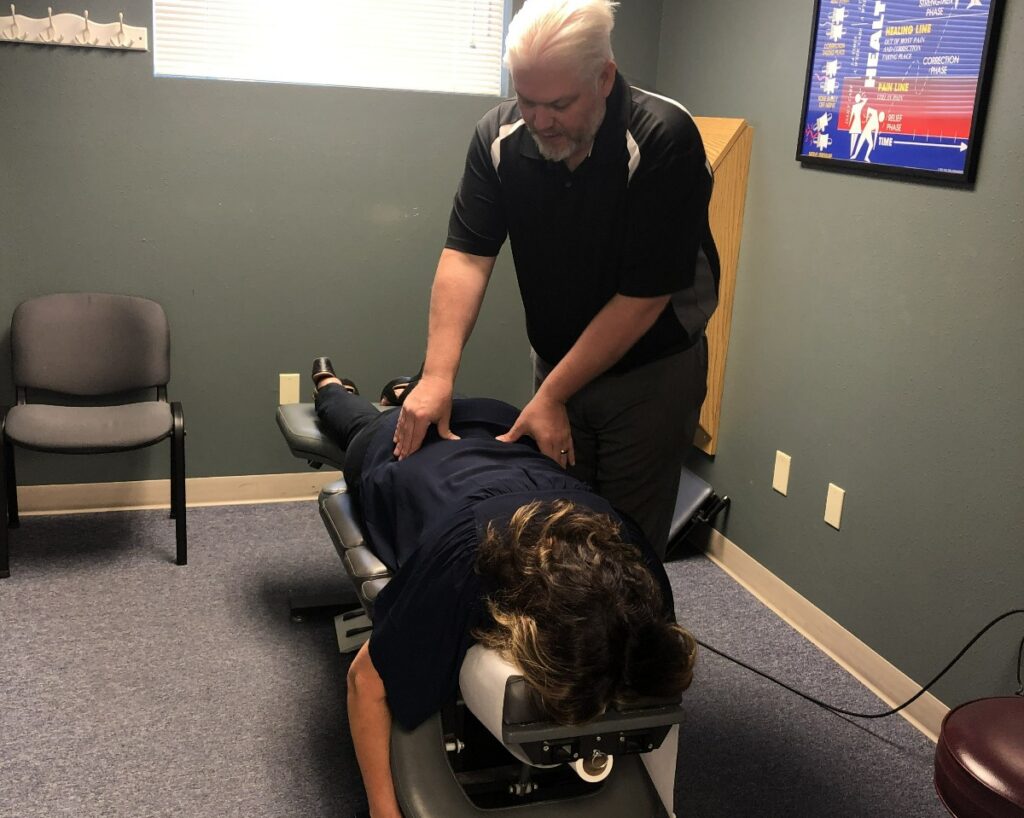

If you've ever dealt with tension headaches, you're not alone—90% of patients find relief through various approaches. Whether it's simple over-the-counter medications or lifestyle changes like hydration and exercise, numerous strategies can greatly reduce pain. You might be surprised to learn how effective relaxation techniques and alternative therapies can be as well. But what if you've tried these options and still struggle? Understanding the nuances of tension headaches could lead you to the solution you've been searching for.
Understanding Tension Headaches
Tension headaches are one of the most common types of headaches, affecting nearly everyone at some point in their lives. You might experience them as a dull, aching sensation or a feeling of tightness around your forehead or the back of your head. Understanding the nature of tension headaches can help you manage and relieve the discomfort they bring.
These headaches often stem from stress, muscle tension, or anxiety. When you're under pressure, your muscles can tighten, leading to pain that radiates from your neck and shoulders up to your head. You might notice that poor posture, long hours at a desk, or even skipping meals can trigger or exacerbate your symptoms.
It's important to recognize that tension headaches aren't caused by underlying medical conditions, but rather by lifestyle factors. Knowing this can empower you to take proactive steps to minimize their occurrence. You can explore various techniques such as relaxation exercises, physical therapy, or even mindfulness practices that can help reduce the tension in your muscles and alleviate the headache.
Additionally, keeping a consistent routine that includes regular breaks while working, staying hydrated, and maintaining a balanced diet can greatly impact the frequency and intensity of your tension headaches.
Common Symptoms to Recognize
Recognizing the symptoms of tension headaches can help you identify when they're starting and take action before they escalate. Typically, you'll feel a dull, aching pain that wraps around your head, almost like a tight band. This sensation can be mild to moderate and usually isn't as intense as migraines.
You might also notice pressure or tightness in your forehead, temples, or the back of your head and neck. In addition to the head pain, you may experience tenderness in your scalp, neck, and shoulder muscles. This discomfort can make it challenging to concentrate on tasks, and you might find yourself feeling fatigued or irritable.
Often, tension headaches are triggered by stress, poor posture, or even lack of sleep, so being aware of these triggers can help you manage your headaches more effectively. Another symptom to watch for is sensitivity to light or sound, though it's typically less severe than what you'd find with a migraine.
You mightn't necessarily experience nausea, but some people do report a mild upset stomach. If you notice these symptoms starting to creep in, it's a good idea to take a break and assess your situation.
Whether it's a quick stretch, a change in your environment, or simply some deep breaths, recognizing the early signs can empower you to take control of your discomfort and prevent a full-blown headache from disrupting your day.
Over-the-Counter Medications
When tension headaches strike, over-the-counter (OTC) medications can offer quick relief.
You'll find common options like ibuprofen, acetaminophen, and aspirin effective, but it's important to know the right dosage and safety tips.
Let's explore how to use these medications safely and effectively to ease your headache pain.
Common OTC Options
For many people, over-the-counter (OTC) medications provide quick relief from tension headaches. Common options include acetaminophen, ibuprofen, and naproxen. Each of these medications can effectively reduce headache pain and discomfort, allowing you to get back to your daily activities.
Acetaminophen is a popular choice due to its effectiveness and gentleness on the stomach. It's often recommended for individuals who may have sensitivities to other pain relievers.
Ibuprofen, a nonsteroidal anti-inflammatory drug (NSAID), works by reducing inflammation, making it a great option for those with more severe tension headache symptoms.
Naproxen, also an NSAID, has a longer-lasting effect, which can be beneficial if you know you're prone to frequent headaches.
When choosing an OTC option, consider factors like your pain level, any dietary restrictions, and personal tolerance to medications.
Many people find that a single dose is enough, but others may need to take medication a couple of times a day for ideal relief.
Always listen to your body and choose the medication that works best for you.
Dosage and Safety Tips
Understanding the right dosage and safety tips for over-the-counter medications can enhance your relief from tension headaches. First, always follow the recommended dosage on the package. Common options like ibuprofen and acetaminophen typically suggest taking one or two tablets every four to six hours, but don't exceed the maximum daily limit. For ibuprofen, that's usually 1,200 mg, while acetaminophen caps at 3,000 mg unless directed otherwise by a healthcare professional.
Next, consider your personal health history. If you have liver or kidney issues, consult your doctor before taking these medications. Also, be wary of any potential interactions with other prescriptions you might be on. It's a good idea to keep a record of all medications you're taking.
Lastly, if your tension headaches persist or worsen, don't hesitate to seek medical advice. Regular use of over-the-counter medications can lead to rebound headaches, so using them sparingly is key.
Relaxation Techniques That Help
When tension headaches strike, relaxation techniques can be your best friend.
You can try deep breathing exercises, progressive muscle relaxation, or guided imagery techniques to ease the pain.
These methods not only help reduce stress but also promote a sense of calm and relief.
Deep Breathing Exercises
Although tension headaches can be debilitating, practicing deep breathing exercises can provide effective relief. These exercises help you focus your mind, reduce stress, and increase oxygen flow to your brain. By taking just a few minutes out of your day, you can find a quiet space, sit or lie down comfortably, and begin this simple technique.
Start by inhaling deeply through your nose, allowing your abdomen to expand. Hold that breath for a moment, then exhale slowly through your mouth. Try to make your exhale longer than your inhale; this can promote relaxation. Repeat this cycle for five to ten minutes, concentrating on the rhythm of your breath. If your mind wanders, gently bring your focus back to your breathing.
You can also incorporate visualization by imagining a calm, peaceful place while you breathe. This combination can heighten your sense of relaxation.
Practicing deep breathing exercises regularly isn't just a quick fix; it can help reduce the frequency and intensity of your tension headaches over time. So, set aside a few moments each day to breathe deeply and enjoy the calming benefits it brings.
Progressive Muscle Relaxation
One effective method for alleviating tension headaches is Progressive Muscle Relaxation (PMR), a technique that systematically tenses and then relaxes different muscle groups in your body. By focusing on each muscle group, you'll learn to recognize the difference between tension and relaxation, helping you reduce overall stress.
To practice PMR, find a comfortable position, either sitting or lying down. Start with your toes; clench them tightly for about five seconds, then release. Notice the sensation of relaxation that follows. Gradually move up your body, working through your calves, thighs, abdomen, arms, and face.
As you tense each group, breathe in deeply; when you relax, exhale slowly. This process not only calms your muscles but also soothes your mind.
Incorporating PMR into your daily routine can help you manage stress and prevent tension headaches from becoming a recurring issue. Aim to practice for 10-20 minutes each day, or whenever you feel a headache coming on.
Over time, you'll find that you can quickly access this relaxation state, allowing you to fend off tension headaches more effectively. Give it a try, and you might be surprised at how much relief PMR can provide.
Guided Imagery Techniques
Guided imagery techniques offer a powerful way to relieve tension headaches by using your imagination to create calming mental images.
When you focus on serene scenarios, you help reduce stress and tension in your body. Here are three simple techniques you can try:
- Nature Visualization: Picture yourself in a peaceful forest, surrounded by tall trees and gentle streams. Imagine the sounds of rustling leaves and birds chirping. Breathe deeply and let the tranquility envelop you.
- Safe Place Imagery: Create a mental image of your personal sanctuary. This could be a beach, a cozy cabin, or anywhere you feel safe and relaxed. Spend a few moments exploring this space in your mind, noticing all the details and sensations.
- Guided Relaxation: Listen to a guided imagery recording. These often lead you through calming scenarios, helping you to visualize peaceful places and sensations while you relax.
Lifestyle Changes for Relief
Making simple lifestyle changes can greatly alleviate tension headaches and improve your overall well-being. Start by evaluating your daily habits. Are you drinking enough water? Dehydration can trigger headaches, so aim for at least eight glasses a day. Incorporate regular exercise into your routine; even a brisk walk can help reduce stress and tension, which are common headache triggers.
Next, pay attention to your posture, especially if you spend long hours at a desk. Verify your workspace is ergonomically friendly. Adjust your chair and computer screen to promote good posture, and take short breaks every hour to stretch and move around. This can help relieve muscle tightness that contributes to headaches.
Additionally, focus on your sleep patterns. Aim for seven to nine hours of quality sleep each night. Establish a relaxing bedtime routine to signal your body it's time to wind down. Limiting screen time before bed can also improve your sleep quality.
You should also consider your diet. Eating regular, balanced meals can prevent blood sugar dips that might lead to headaches. Keep an eye on potential food triggers, such as caffeine, alcohol, or processed foods, and try to minimize these if they affect you.
Lastly, prioritize stress management techniques. Mindfulness practices, deep breathing exercises, or even yoga can help you manage daily stressors more effectively.
Alternative Therapies to Consider
If you're looking for additional ways to relieve tension headaches, exploring alternative therapies might be beneficial. Many people find that incorporating holistic approaches can enhance their overall well-being and reduce headache frequency.
Here are three alternative therapies you might consider:
1. Acupuncture: This ancient Chinese practice involves inserting thin needles into specific points on the body. Many individuals report significant relief from tension headaches after a few sessions. The technique aims to restore balance and improve energy flow, which can alleviate pain and tension.
2. Massage Therapy: Getting a professional massage can work wonders for tension headaches. A skilled therapist can target tight muscles in your neck, shoulders, and scalp, helping to release built-up tension.
Even self-massage techniques can provide quick relief, especially when you're feeling a headache coming on.
3. Aromatherapy: Using essential oils like lavender, peppermint, or eucalyptus can create a soothing atmosphere. You can try diffusing these oils in your space, adding them to a warm bath, or applying them topically (with a carrier oil).
The calming scents may help reduce stress and tension, promoting headache relief.
When to Seek Professional Help
When tension headaches become frequent or severe, it's important to contemplate seeking professional help. You shouldn't ignore symptoms that disrupt your daily life or lead to persistent discomfort. If you find yourself relying on over-the-counter medications more than twice a week, that's a clear sign to consult a healthcare provider. Frequent use can lead to medication-overuse headaches, which complicate your situation.
If your headaches are accompanied by other symptoms like vision changes, nausea, or confusion, it's essential to seek immediate medical attention. These could indicate a more serious underlying condition that needs to be addressed. Additionally, if you notice that your headaches are worsening in intensity or frequency, don't hesitate to reach out for professional guidance.
Sometimes, lifestyle factors contribute markedly to headache patterns. A healthcare professional can help identify triggers you mightn't have considered—stress, posture, sleep disturbances, or dietary habits. They can also provide tailored treatment plans that might include physical therapy, prescription medications, or referrals to specialists.
Lastly, if you've tried various home remedies and lifestyle changes without success, it's time to talk to a doctor. You deserve relief, and a healthcare provider can help you explore all available options.
Preventive Measures to Implement
Implementing preventive measures can greatly reduce the frequency and intensity of tension headaches. By adopting a proactive approach, you can take control of your well-being and minimize the likelihood of these painful episodes.
Here are three effective strategies you can implement in your daily routine:
1. Maintain a Consistent Schedule
Try to stick to a regular sleep, meal, and exercise schedule. Your body thrives on routine. By ensuring you get enough rest and nourishment, you'll help keep tension headaches at bay.
2. Manage Stress
Incorporate stress-reduction techniques into your day. Practices like deep breathing, yoga, or meditation can make a significant difference in how your body responds to stress.
Even short breaks throughout your day can help you recharge and prevent headaches.
3. Stay Hydrated
Dehydration can trigger tension headaches, so make it a habit to drink plenty of water. Aim for at least eight glasses a day, and more if you're active.
Carrying a reusable water bottle can serve as a reminder to hydrate regularly.
Long-Term Management Strategies
Managing tension headaches over the long term requires an all-encompassing approach that addresses both physical and emotional well-being. To start, you'll want to identify and eliminate any triggers in your daily life. Keep a headache diary to track when your headaches occur and note any accompanying factors, like stress levels, sleep patterns, or dietary habits. This awareness can help you make necessary adjustments and avoid situations that may lead to tension headaches.
Incorporating regular physical activity into your routine is essential. Exercise releases endorphins, which can act as natural pain relievers. Aim for at least 30 minutes of moderate exercise most days of the week. Activities like yoga and stretching can also help reduce muscle tension and promote relaxation.
Don't forget about the importance of stress management techniques. Techniques such as mindfulness, meditation, and deep breathing exercises can greatly lower stress levels. Consider setting aside time each day for relaxation practices that resonate with you.
Additionally, maintaining proper posture throughout your day can prevent unnecessary strain on your neck and shoulders, which often contribute to tension headaches. Ergonomic adjustments in your workspace can make a noticeable difference.
Lastly, don't hesitate to consult with a healthcare professional if your headaches persist. They may suggest physical therapy, counseling, or medications to manage your symptoms effectively.
Conclusion
To sum up, you're not alone in your struggle with tension headaches, and relief is within reach. By embracing over-the-counter medications, practicing relaxation techniques, and making simple lifestyle changes, you can greatly reduce the frequency and intensity of your headaches. Consider exploring alternative therapies, and remember to seek professional help if needed. With the right strategies in place, you can take control of your well-being and enjoy a more comfortable, pain-free life.