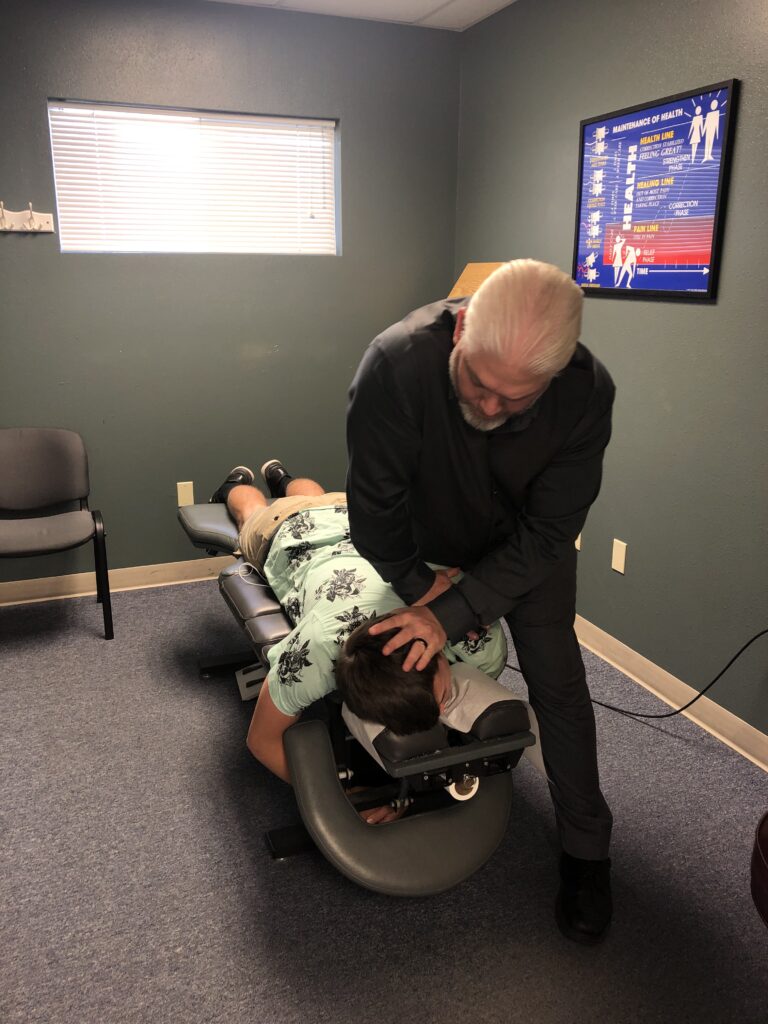

As a local chiropractor, I understand that many of you may be grappling with back pain, and it can feel overwhelming to seek relief. However, I want you to know that you're not alone in this journey, and there are effective, natural strategies that you can start using right away to alleviate your discomfort.
In my practice, I've seen firsthand how simple adjustments, both physically and in your daily routine, can lead to significant improvements in back health. From targeted stretching techniques to mindful practices that promote relaxation and body awareness, these methods are designed to support your body's natural healing processes.
I invite you to learn about these practical approaches that not only aim to relieve pain but also enhance your overall well-being. Are you curious about how these strategies can transform your back health? Let's dive into these secrets together, so you can take proactive steps toward a pain-free life.
Stretching Techniques
As a local chiropractor, I want to emphasize how incorporating effective stretching techniques into your daily routine can greatly relieve back pain. Stretching is a natural way to improve flexibility, reduce muscle tension, and enhance overall mobility—all of which are essential for alleviating discomfort. I encourage you to set aside just a few minutes each day to focus on your back and the muscles surrounding it.
One of the simplest and most beneficial stretches you can perform is the cat-cow stretch. Begin on your hands and knees; as you inhale, arch your back and lift your head (the cow position), then exhale as you round your back and tuck your chin (the cat position). Repeat this for several cycles to help loosen your spine and encourage better alignment.
Another excellent stretch to include in your routine is the child's pose. Kneel on the floor, sit back on your heels, and stretch your arms forward while lowering your head. This gentle position stretches your lower back and promotes relaxation, making it an ideal addition to your self-care regimen.
Don't overlook the seated forward bend either. While seated with your legs extended in front of you, reach for your toes while keeping your back straight. This stretch effectively targets your hamstrings and lower back, providing relief and promoting flexibility.
I recommend holding each stretch for at least 20-30 seconds, taking deep breaths to enhance relaxation and effectiveness.
Correct Posture Practices
As a local chiropractor, I want to emphasize the importance of maintaining correct posture for both preventing and alleviating back pain. When you stand, sit, or move with proper alignment, you significantly reduce the strain on your back muscles and spine, which can lead to long-term health benefits.
To begin improving your posture, I encourage you to be mindful of your body position throughout the day. For instance, when sitting, ensure that your feet are flat on the floor and that your knees form a right angle. It's beneficial to use a chair that provides good lumbar support, helping to maintain the natural curve of your lower back.
Keep your shoulders relaxed yet upright, and align your ears with your shoulders to prevent any forward leaning, which can strain your neck and back.
If you spend long hours at a desk, consider investing in an ergonomic chair or adjusting your workstation to promote better posture. The right setup can make a significant difference in your comfort and overall spinal health.
When standing, aim to distribute your weight evenly on both feet. Avoid locking your knees and keep your hips aligned with your shoulders. Engaging your core muscles is essential; this helps support your spine and prevents slouching.
As you walk, focus on maintaining a straight back and looking ahead rather than down at your feet.
If you often carry a bag or backpack, it's advisable to keep the weight balanced. Regularly switch sides or opt for a backpack with padded straps to minimize pressure on your spine.
By incorporating these posture practices into your daily routine, you can't only alleviate existing back pain but also serve as a preventative measure against future discomfort.
Heat and Cold Therapy
As your local chiropractor, I want to share with you the benefits of heat and cold therapy for relieving back pain and aiding your recovery process. These methods are accessible and can be incredibly effective in managing discomfort.
When you apply heat to your back, it increases blood circulation to the affected area. This boost in blood flow helps to loosen tight muscles and alleviate stiffness, making it particularly helpful for chronic pain or muscle tension. You can easily apply heat using a heating pad, a warm compress, or by enjoying a hot bath. These soothing treatments can provide immediate comfort to your back.
Conversely, cold therapy is excellent for reducing inflammation and numbing sharp pain, especially within the first 48 hours after an injury. Using an ice pack or a bag of frozen vegetables wrapped in a towel can offer quick relief. Just a friendly reminder: always place a barrier between the ice and your skin to prevent frostbite.
To enhance the effectiveness of these therapies, consider alternating between heat and cold. I recommend starting with 15-20 minutes of heat therapy, followed by a similar amount of time with cold therapy. This combination can help improve circulation and speed up your healing process.
It's important to listen to your body while using these therapies. If you experience any increase in pain or discomfort, please stop immediately.
Both heat and cold therapy are simple yet powerful tools to help manage back pain, but they're most effective when used mindfully. By integrating these techniques into your daily routine, you can significantly alleviate discomfort and support your recovery journey.
If you have any questions or need personalized guidance, feel free to reach out during your next visit!
Mindfulness and Relaxation
As a local chiropractor, I want to share how mindfulness and relaxation techniques can significantly aid in managing back pain.
Many patients may not realize that alongside chiropractic adjustments, practices such as breathing techniques, guided imagery, and progressive muscle relaxation can enhance your healing process.
These methods allow you to focus your mind and effectively release tension in your body.
By integrating mindfulness into your routine, you can't only find relief from pain but also improve your overall well-being.
Embracing these natural healing techniques can be a valuable addition to your chiropractic care journey.
Breathing Techniques for Relief
As a chiropractor, I often encourage my patients to incorporate breathing techniques into their daily routines to effectively manage back pain through mindfulness and relaxation.
Focusing on your breath can significantly reduce tension in your body and instill a sense of calm, which is essential for healing.
To get started, find a comfortable position, whether sitting or lying down. Close your eyes and take a deep breath in through your nose, allowing your abdomen to expand fully. Hold that breath for a few seconds, and then exhale slowly through your mouth.
Repeat this process several times, paying close attention to the rhythm of your breath. You may notice that as you breathe deeply, your muscles start to relax, alleviating pressure on your spine.
I recommend practicing this technique for a few minutes each day, especially during moments of discomfort or stress.
For even greater benefits, consider combining your breathing exercises with gentle stretches. As you inhale, visualize your spine lengthening and, as you exhale, imagine releasing any tension you might be holding.
Over time, these practices can help shift your focus away from pain and foster a more positive mindset, empowering you to take control of your back pain management.
Guided Imagery Benefits
As a local chiropractor, I often emphasize the importance of holistic approaches to relaxation and pain relief, particularly for those suffering from back pain. One effective technique that can significantly enhance your journey toward wellness is guided imagery. This powerful practice allows you to visualize serene environments, helping your mind escape the stress and tension that often exacerbate back pain.
When you engage in guided imagery, you're not simply providing a distraction from discomfort; you're actively retraining your brain to perceive pain differently. By picturing yourself in a peaceful setting, whether it's a tranquil beach, a lush forest, or a cozy room, you create a mental landscape that promotes relaxation. This process can lead to a reduction in muscle tension and a notable decrease in pain perception.
Incorporating guided imagery into your daily routine is straightforward and can easily complement your chiropractic care. There are numerous recordings and apps available that can guide you through the process, making it accessible whenever you need a moment of relief. You don't need any special equipment—just a quiet space, your imagination, and an openness to release stress.
Embracing this practice can foster a deep sense of relaxation and empower you in managing your back pain more effectively. Remember, at our clinic, we believe in treating the whole person, and guided imagery is just one of the many natural healing techniques we can discuss to support your health and well-being.
Progressive Muscle Relaxation
As a local chiropractor, I want to introduce you to a powerful technique that can significantly aid in your quest for relief from back pain: Progressive Muscle Relaxation (PMR). This method is essential in helping you become more aware of the tension held in your body, allowing you to effectively release it and promote a state of relaxation, which is crucial for easing discomfort.
By deliberately tensing and then relaxing each muscle group, you can cultivate a deep sense of calm that may help alleviate stress and tightness, particularly in your back.
To begin practicing PMR, I recommend finding a quiet, comfortable space where you can focus without distractions. Start by taking slow, deep breaths—inhale deeply through your nose and exhale gently through your mouth.
Begin with your feet: tense the muscles for about five seconds, then release and take a moment to notice the difference. Gradually work your way up through your body—calves, thighs, abdomen, arms, and finally your neck and face—paying close attention to the shift between tension and relaxation.
Incorporating PMR into your daily routine can be especially beneficial when you experience flare-ups of back pain. Even dedicating just a few minutes to this practice can empower you to feel more in control of your body and pain levels.
With regular practice, PMR not only has the potential to relieve your back pain but can also enhance your overall sense of well-being. As your chiropractor, I encourage you to explore this method as part of a holistic approach to your health.
Strengthening Exercises
As a local chiropractor, I want to share the importance of strengthening exercises in alleviating back pain and preventing future issues. When we focus on building strength in your core, legs, and back, we create a solid foundation that supports your spine. This support helps reduce strain on your back muscles and joints during your daily activities.
Let's start with some basic exercises that can easily be incorporated into your routine. Planks, for instance, are fantastic for engaging your entire core, which helps stabilize your spine. To perform a plank, lie face down, then lift your body off the ground, supporting yourself on your forearms and toes. It's crucial to keep your body straight. Hold this position for 20-30 seconds and, as you build strength, gradually increase the duration.
Another excellent exercise is the bridge. Begin by lying on your back with your knees bent and feet flat on the floor. Press through your heels to lift your hips towards the ceiling, squeezing your glutes at the top of the movement. Hold for a moment before lowering back down. I recommend aiming for three sets of 10-15 repetitions.
Let's not forget about the importance of your legs! Exercises like squats and lunges are vital for strengthening your lower body, which provides additional support for your back. As you perform these movements, remember to maintain proper form to avoid injury.
I encourage you to incorporate these strengthening exercises into your routine two to three times a week. Consistency is key, and over time, you should notice improved stability and a reduction in pain.
Ergonomic Adjustments
As a local chiropractor, I want to share some essential tips on how making simple ergonomic adjustments in your workspace can significantly reduce back pain and improve your overall comfort.
It's crucial to start by evaluating your chair. Ensure it provides adequate support for your lower back, allowing your feet to rest flat on the floor. If your chair lacks proper lumbar support, consider using a cushion or a rolled-up towel to fill that space and promote better spinal alignment.
Next, focus on adjusting your desk height. When typing, your elbows should form a 90-degree angle, with your wrists straight and your hands hovering just above the keyboard. If your desk isn't adjustable, using a keyboard tray can help you achieve the correct height and reduce strain on your shoulders and neck.
Monitor placement is another vital aspect. The top of your screen should be at or slightly below eye level and positioned about an arm's length away. This alignment helps prevent neck strain and encourages better posture. If you work with multiple monitors, arrange them to minimize the need for neck twisting.
I can't stress enough the importance of taking regular breaks. Stand up, stretch, or take a short walk every hour. Setting a timer to remind yourself to move can alleviate tension and keep your muscles engaged, which is essential for maintaining a healthy spine.
Lastly, consider your footwear. Wearing supportive shoes is crucial, especially if you spend a lot of time standing. Proper footwear aligns your body correctly and helps prevent discomfort.
By implementing these ergonomic adjustments, you can create a workspace that promotes better posture, reduces strain, and can significantly relieve your back pain.
I encourage you to take these steps today and observe how much better you feel while working. Remember, your spine deserves care and attention!
Professional Treatments
As a local chiropractor, I want to share how professional treatments can provide significant relief from back pain. Many people are unaware of the benefits of chiropractic care and natural healing.
Our approach focuses on restoring alignment and function to your spine and nervous system, which can lead to improved comfort and mobility. Chiropractic care is a holistic option that emphasizes the body's natural ability to heal itself.
Through gentle adjustments and personalized treatment plans, we can address the root causes of your discomfort. In addition to chiropractic adjustments, I often recommend complementary therapies such as physical therapy exercises to strengthen your back and improve flexibility.
If you're struggling with back pain, I encourage you to explore these natural treatments. Together, we can create a tailored plan that suits your unique needs and helps you regain your quality of life.
Your journey to recovery starts with understanding the powerful benefits of chiropractic care.
Physical Therapy Benefits
As a local chiropractor, I want to share with you the numerous benefits of chiropractic care for those experiencing back pain, emphasizing a natural approach to healing and recovery. When you seek chiropractic treatment, I'll assess your specific condition and create a personalized care plan tailored to your unique needs. This targeted strategy is designed to alleviate pain, enhance mobility, and strengthen the muscles that support your spine.
One of the significant advantages of chiropractic care is the education you'll receive throughout your treatment. I'll teach you about proper body mechanics, posture, and exercises that can help prevent future injuries. This knowledge empowers you to take control of your recovery journey and maintain a healthy back for the long term.
In addition, as a chiropractor, I utilize a variety of techniques, including spinal adjustments, manual therapy, and specific exercises that can significantly reduce pain and promote healing.
You'll also benefit from the consistent support and accountability that comes with regular visits, motivating you to stay committed to your path toward recovery and overall wellness. Embracing chiropractic care can lead you to a healthier, pain-free life.
Chiropractic Care Explained
As your local chiropractor, I want to take a moment to explain how chiropractic care can play a vital role in your journey towards better health and wellness. Many people aren't familiar with the benefits of chiropractic treatments, so let's break it down.
When you come into my office, my first step is to evaluate your spine and nervous system. This involves a thorough assessment that includes physical examinations and a discussion about your medical history and lifestyle choices. Understanding these factors is crucial in pinpointing any misalignments that may be contributing to your back pain.
Once we identify the source of your discomfort, I'll develop a personalized treatment plan tailored just for you. The cornerstone of chiropractic care is spinal manipulation. This technique involves applying controlled force to realign your spine, which can relieve pressure, enhance mobility, and boost your body's natural healing capabilities.
In addition to spinal adjustments, I often include complementary treatments such as massage therapy, stretching exercises, and strength training to support your back. I also provide guidance on maintaining proper posture and body mechanics to help you prevent future injuries.
Regular visits to my office can aid in maintaining your spinal alignment, significantly reducing the chances of recurring pain. Many of my patients report improvements in their overall well-being, including better sleep and increased energy levels.
If you're experiencing persistent back pain, I encourage you to consider chiropractic care as a natural and effective avenue for relief and recovery. Together, we can work towards achieving your health goals.
Medical Interventions Available
As a local chiropractor, I want to take a moment to share some insights on how chiropractic care can be an integral part of your journey toward relief from back pain. While many people experience significant improvements with chiropractic adjustments, it's also important to understand the broader landscape of medical interventions available.
If you're dealing with persistent discomfort, I encourage you to seek guidance from a healthcare professional who can assess your situation and suggest the most suitable treatment options.
Chiropractic care focuses on aligning the spine and optimizing the body's natural healing processes. This can be complemented by physical therapy, which is another effective approach. Physical therapists can design tailored exercise programs that strengthen your back muscles and enhance flexibility, helping to support your chiropractic treatment.
In addition to these options, some patients may find relief through medications like nonsteroidal anti-inflammatory drugs (NSAIDs) or muscle relaxants, which can alleviate pain and inflammation. For those with more localized pain, corticosteroid injections may also provide temporary relief by targeting specific areas.
If conservative treatments aren't yielding the desired results, it's essential to consider other interventions, which may include nerve blocks or, in rare cases, surgical options, depending on the underlying cause of the pain.
Moreover, exploring alternative therapies like acupuncture or massage can enhance your overall wellness and complement the benefits of chiropractic adjustments.
Remember, every individual's experience with back pain is unique, and I encourage you to actively engage in discussions with your healthcare provider to develop a comprehensive treatment strategy that works best for you.
Combining various approaches can often lead to the most effective outcomes in managing back pain. Your journey to relief is important, and I'm here to support you every step of the way.
Conclusion
As a local chiropractor, I want to share with you seven effective strategies to help alleviate your back pain naturally. By integrating these secrets into your daily life, you can manage your discomfort and promote healing.
First, prioritize regular stretching to keep your muscles flexible and reduce tension. Good posture is also crucial; it supports your spine and can prevent pain from worsening. Don't underestimate the benefits of heat and cold therapy, which can provide immediate relief and reduce inflammation.
In addition, mindfulness practices can help you manage pain perception and enhance your overall well-being. Engaging in strengthening exercises tailored to your needs can also bolster your back health and prevent future issues.
Make sure your workspace is ergonomically friendly—adjust your chair, desk, and computer setup to support your spine's natural alignment. Lastly, consider seeking professional treatments like chiropractic adjustments, which can significantly improve your condition.
By committing to these practices, you will be taking significant steps toward a healthier, pain-free back. Remember, I'm here to guide you on this journey to natural healing!