
When considering the journey of recovering from an injury, particularly as an athlete, it's important to recognize that healing involves much more than just physical therapy or taking time off. As a local chiropractor, I want to emphasize that a holistic approach is crucial for effective recovery. This includes structured rehabilitation, proper nutrition, and mental strategies that all contribute significantly to the healing process. Each of these elements plays a vital role, and understanding how they work together can greatly enhance your return to optimal performance.
So, what specific chiropractic techniques and natural healing methods can support your recovery? Chiropractic adjustments can help restore proper alignment to your body, reducing pain and improving mobility. Complementing this with a nutrition plan that focuses on anti-inflammatory foods can aid in healing. Additionally, incorporating mental wellness strategies, such as visualization and relaxation techniques, can enhance your recovery experience.
By integrating these approaches, you can create a comprehensive plan that not only addresses your physical needs but also supports your overall well-being. If you have questions about how chiropractic care can fit into your recovery process, feel free to reach out. I'm here to guide you on your path to healing and peak performance.
Rest and Recovery
As a local chiropractor, I want to emphasize the vital role that rest and recovery play in your journey to optimal health and performance, especially after an injury. Your body requires time to heal, and it's important to resist the urge to dive back into intense physical activity too soon. Ignoring the need for rest can lead to further complications and prolonged recovery time.
One of the most crucial aspects of your recovery is prioritizing sleep. Quality sleep is essential for repairing muscles and tissues, and I recommend aiming for at least 7-9 hours each night. Additionally, incorporating regular rest days into your routine is beneficial. These days off allow your body to recuperate and adapt to the physical stresses it has endured.
Hydration is another fundamental element of recovery. Drinking plenty of water helps eliminate toxins and ensures your muscles operate effectively. Coupling proper hydration with a balanced diet that includes a variety of vitamins and minerals can significantly enhance your healing process.
It's also important to recognize that mental recovery is just as essential as physical rest. Taking time to mentally detach from the pressures of competition is crucial. Engage in calming activities that bring you joy, such as reading, meditating, or spending quality time with loved ones.
By integrating these practices into your recovery plan, you'll create a solid foundation for returning to your sport or daily activities. By respecting your body's need for rest and recovery, you won't only heal more effectively but also emerge stronger and more focused, ready to pursue your health and athletic goals with renewed enthusiasm.
As your chiropractor, I'm here to guide you on this path to natural healing and overall wellness.
Physical Therapy Techniques
Understanding effective rehabilitation is key to your recovery, and chiropractic care offers a natural approach tailored to your specific needs and injuries. When you visit our chiropractic office, we'll conduct a thorough assessment of your condition to develop a personalized treatment plan. This plan often integrates spinal adjustments, therapeutic exercises, and natural modalities to promote healing.
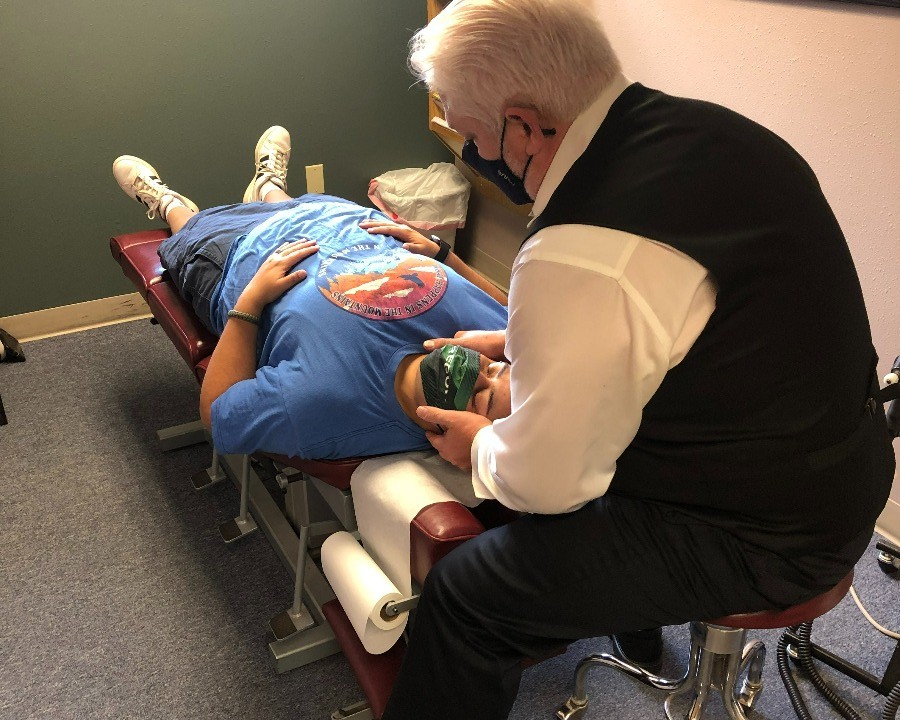
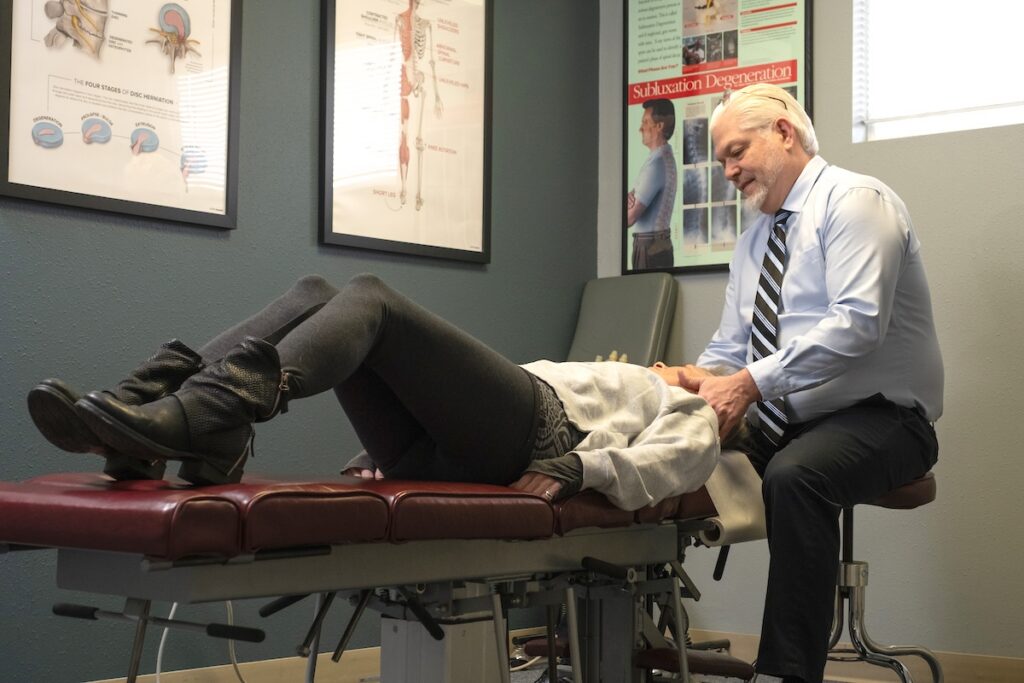
Chiropractic adjustments, or spinal manipulations, play a crucial role in alleviating pain and enhancing mobility. By realigning your spine and joints, we can relieve pressure on nerves, improve blood flow, and reduce stiffness in the surrounding muscles.
Incorporating specific exercise routines is essential for your rehabilitation process. I'll guide you through exercises designed to strengthen your muscles, enhance flexibility, and restore your range of motion. These exercises will be progressively adjusted to ensure you regain your strength safely and effectively.
We may also utilize natural modalities like heat therapy or cold therapy to support your healing process. These techniques help to reduce inflammation and relieve pain, enabling you to participate more fully in your chiropractic care.
It's important to maintain open communication with me about your pain levels and any concerns you may have. This feedback allows me to tailor your treatment plan to suit your evolving needs, ensuring that you're making consistent progress.
Lastly, your commitment to attending your chiropractic sessions and following any recommended home exercise programs is vital. Staying dedicated to your recovery plan will significantly improve your chances of a successful outcome, allowing you to return to your daily activities and sports stronger and more resilient than before.
Nutrition for Healing
As you embark on your journey towards healing and recovery, it's important to understand how nutrition can significantly support your rehabilitation process. What you choose to eat can have a profound impact on how quickly you recover and how you feel overall. By focusing on the right nutrients, you can help repair your tissues, reduce inflammation, and boost your energy levels, allowing you to get back on your feet more effectively.
Here are some essential components to consider as you navigate this phase of healing:
- Protein: This vital macronutrient is key for muscle repair and regeneration. Incorporating sources such as lean meats, fish, eggs, legumes, and dairy into your meals will support the healing of your tissues.
- Omega-3 Fatty Acids: These healthy fats, found in fish, flaxseeds, and walnuts, can help reduce inflammation and enhance blood flow to the injured areas, promoting quicker recovery.
- Vitamins and Minerals: Nutrients such as vitamin C, vitamin D, calcium, and zinc play a crucial role in bone and tissue repair. By consuming a variety of fresh fruits, vegetables, nuts, and whole grains, you can ensure a balanced intake of these essential nutrients.
Additionally, staying hydrated is paramount. Water is essential for transporting nutrients to your cells and aiding in the elimination of toxins from your body.
By incorporating these nutritional elements into your daily diet, you can create a strong foundation for your recovery.
Remember, each meal presents an opportunity to nourish your body and facilitate your healing process. Stay dedicated to your nutrition plan, and you may observe a significant improvement in your recovery journey.
As a chiropractor, I encourage you to embrace both your chiropractic care and nutrition as complementary pathways to achieving optimal health and well-being.
Ice and Heat Therapy
As your local chiropractor, I'm here to help you understand the benefits of ice and heat therapy in managing pain and promoting recovery. These therapies are valuable tools that can significantly enhance your healing process when used correctly.
Let's start with ice therapy, also known as cryotherapy. This method is best utilized right after an injury occurs. Ice works wonders by reducing swelling and numbing pain; it constricts blood vessels and lowers inflammation in the affected area.
To apply ice, simply wrap it in a cloth or use a cold pack, and hold it against the injury for about 15-20 minutes. Be sure to let your skin return to its normal temperature before applying it again. Ice therapy is particularly effective within the first 48 hours post-injury, so don't hesitate to use it if you're experiencing acute pain.
On the flip side, heat therapy plays a crucial role in the later stages of your recovery. When the initial swelling has subsided, applying heat can help increase blood flow to the injured area, promoting healing and reducing stiffness.
You can use warm towels, heating pads, or even take a warm bath to apply heat. Just like with ice, limit your heat application to around 15-20 minutes, ensuring the temperature is comfortable to avoid burns.
By strategically combining these two therapies, you can maximize your recovery. Start with ice to control initial pain and swelling, and then transition to heat as the injury begins to heal.
Always pay attention to how your body responds; if you feel discomfort or notice an increase in pain, it's important to adjust your approach accordingly.
Understanding and mastering ice and heat therapy can empower you in your recovery journey. As you follow these strategies, you'll be taking an active role in healing and ultimately get back to your activities stronger than ever.
If you have any further questions or need personalized advice, don't hesitate to reach out during your visits. Together, we'll ensure you're on the right path to recovery!
Compression and Elevation
As a local chiropractor, I want to share some crucial techniques that can aid in your recovery from an injury: compression and elevation.
When you experience an injury, applying compression to the affected area can significantly help reduce swelling and enhance blood circulation. This is essential for delivering nutrients and oxygen to the tissues that need healing.
Equally important is the practice of elevating the injured limb. By keeping it elevated, you can assist your body in draining excess fluid, which further contributes to reducing swelling and promotes a more efficient healing process.
Combining these two methods—compression and elevation—can not only alleviate discomfort but also accelerate your recovery time.
Understanding and implementing these techniques can make a notable difference in getting you back on your feet and back to your favorite activities sooner.
If you have any questions or need guidance on how to apply these methods effectively, don't hesitate to reach out during your next visit!
Benefits of Compression
As a local chiropractor dedicated to helping you on your healing journey, I want to share the incredible benefits of compression therapy in injury recovery. Many people may not be familiar with how simple techniques can significantly enhance your healing process.
When you apply compression to an injured area, it serves as a powerful tool to reduce swelling and inflammation. This is crucial because less swelling means a more effective recovery. Additionally, compression therapy plays a vital role in improving blood circulation in the affected area. Enhanced circulation is essential for delivering nutrients and oxygen to your injured tissues, which can accelerate your recovery time.
Here are some key benefits of incorporating compression into your healing routine:
- Reduces Swelling: Compression garments or wraps apply pressure that helps limit the fluid buildup in an injured area, which is key to managing swelling effectively.
- Enhances Blood Flow: By improving circulation, compression helps ensure that your tissues receive the necessary nutrients and oxygen they need, promoting quicker healing.
- Provides Support: The stability offered by compression can help protect the injured area, minimizing the risk of further injury as you work towards recovery.
Using various compression techniques—whether through bandages, sleeves, or specialized garments—can be a simple yet effective way to support your body's natural healing process.
Importance of Elevation
As a local chiropractor, I want to share some valuable insights on the importance of elevation in your recovery process, especially if you've experienced an injury. Elevating the injured area can significantly enhance your healing, particularly when combined with compression techniques.
When you elevate your injured limb above the level of your heart, it effectively reduces swelling and inflammation. This is crucial because excess fluid accumulation can impede your healing and prolong any discomfort you may be feeling. By keeping that limb elevated, you're not only minimizing swelling but also promoting better blood circulation, which is essential for delivering vital nutrients to the injured tissue.
Additionally, elevation aids in draining excess fluid away from the injury site, creating a more favorable environment for recovery. If you incorporate compression, using a bandage or wrap, you provide additional support to stabilize the injured area while further controlling swelling.
I recommend that you aim to keep your injured limb elevated for at least 20 minutes every hour during the initial days following your injury. If you're sitting or lying down, using pillows or cushions can help maintain that elevation comfortably.
Remember, consistency is key to effective healing. Incorporating elevation into your recovery routine is a simple yet powerful strategy that can greatly influence your healing time and overall recovery outcome.
Don't overlook its significance; this natural approach can help you get back to your daily activities and sports faster. If you have any questions or need personalized advice, feel free to reach out to me during your next visit!
Mindfulness and Mental Recovery
As a local chiropractor, I want to emphasize that when you experience an injury, your mental recovery is just as important as the physical healing process.
It's fascinating how the mind-body connection works, and utilizing visualization techniques can be beneficial. By picturing your healing journey, you can foster a positive outlook on your recovery.
Incorporating meditation into your routine can also play a significant role in building mental strength and resilience during your healing process.
Additionally, using positive affirmations can help reinforce a constructive mindset. This can boost your confidence and motivation, enabling you to return to the activities you love more quickly.
Visualization Techniques for Healing
As a local chiropractor, I want to emphasize the significant role visualization techniques can play in your recovery from injury.
These techniques not only enhance your mindfulness but also build mental resilience, which is crucial for healing. By visualizing yourself fully healed and performing at your best, you create a positive mindset that can accelerate your recovery process. This mental imagery can boost your confidence and help you maintain focus on your healing goals.
To effectively incorporate visualization into your healing routine, here are some strategies tailored for you:
- Daily Visualization Practice: Dedicate a few minutes each day to visualize your body healing and returning to optimal performance. Picture the details vividly—how you move, how you feel, and even the sounds of success that accompany your recovery.
- Guided Imagery Resources: Consider using audio recordings or apps that guide you through specific healing visualizations. These resources can enhance your experience and keep you engaged in the process.
- Create a Vision Board: Gather images and inspirational quotes that resonate with your healing journey and goals. Display this vision board in a prominent place to remind you of your aspirations and maintain your motivation.
Incorporating these visualization techniques into your recovery process can complement the chiropractic care you receive and foster a holistic approach to your healing journey.
Let's work together to support your recovery and overall well-being.
Meditation for Mental Strength
As a local chiropractor, I want to share the importance of mental strength and resilience in your recovery journey, especially when it comes to healing your body naturally. When you incorporate meditation into your routine, you're not just helping your mind; you're also creating a supportive environment for your physical healing.
Meditation allows you to establish a safe space to process the thoughts and emotions that may come up as you navigate your recovery. It helps you become more aware of your mental state, which is crucial for addressing any negative feelings that might surface during this time.
By centering your attention on your breath and grounding your mind, you can significantly reduce anxiety and foster a sense of calm. This is vital because stress can impede your healing process. Regular meditation practice also sharpens your focus, making it easier to adhere to your rehabilitation plan and fully engage in the exercises I recommend.
Moreover, meditation nurtures self-compassion. It teaches you to embrace your current state in the recovery process, which helps mitigate feelings of frustration or impatience. Rather than fixating on what you can't do, you begin to recognize and celebrate small victories, which can boost your motivation to continue healing.
Incorporating meditation into your daily routine not only enhances your mental resilience but also cultivates a positive mindset. As you build this mental fortitude, you'll find it easier to tackle both physical and psychological challenges during your recovery journey with chiropractic care.
Together, we can work towards a holistic approach to your health and wellness.
Positive Affirmations and Recovery
As a local chiropractor, I want to share how incorporating positive affirmations into your recovery journey can significantly enhance your healing process. Many of my patients are new to chiropractic care and the concept of natural healing, so let's explore how a positive mindset can complement your treatment.
When you experience an injury, maintaining a positive outlook is crucial. Affirmations can assist you in reframing any negative thoughts you might have, allowing you to concentrate on your healing and progress instead of focusing on obstacles.
By including positive affirmations in your daily routine, you can strengthen your mental resilience and foster a deeper connection with your body's natural healing abilities.
Here are some affirmations that can be particularly beneficial during your recovery:
- "Every day, I'm getting stronger and closer to my goals."
- "I trust my body to heal at its own pace."
- "I embrace the journey and learn from my challenges."
Using these affirmations can help shift your perspective, encouraging you to remain dedicated to your rehabilitation efforts. As you repeat these positive statements, take a moment to visualize your recovery process and celebrate the small victories you achieve along the way.
This practice not only aids your physical healing but also nurtures your mental well-being, setting a strong foundation for a successful return to your daily activities and interests.
Remember, a positive mindset is a powerful ally in overcoming challenges and achieving your health goals. At our chiropractic office, we believe in the holistic approach to recovery, which combines physical treatment with mental wellness strategies like affirmations.
Together, we can work towards your optimal health and well-being.
Rehabilitation Exercises
Rehabilitation exercises are crucial in your recovery journey, especially after sustaining an injury. As a local chiropractor, I want to emphasize the importance of a structured rehabilitation program tailored specifically to your needs. These exercises not only facilitate healing but also help prepare your body for a return to peak performance.
When you start your rehabilitation, it's vital to begin with gentle movements aimed at increasing your range of motion. These initial exercises can help prevent stiffness and promote healthy blood circulation to the injured area.
As you progress, we'll gradually incorporate strength training exercises designed specifically for your condition. Building strength is essential for re-establishing stability and reducing the risk of future injuries.
Balance and coordination exercises are also a key focus in any rehabilitation program. These activities enhance your neuromuscular control and boost your confidence in your movements.
Throughout this process, it's important to listen to your body; if you experience any discomfort or uncertainty, please reach out to me or your healthcare provider for guidance.
Consistency is vital in your rehabilitation journey. I encourage you to set aside time each day to perform your rehabilitation exercises, which will help maintain your motivation.
Tracking your progress can also keep you focused and allow you to celebrate the small victories along the way. Remember, patience is key. Recovery isn't an overnight process, but with dedication to your rehabilitation exercises, you'll be well on your way to returning stronger than before.
Use this period as an opportunity to refine your skills and come back even better. As your chiropractor, I'm here to support you in this journey to natural healing and wellness. Together, we can work towards restoring your health and enhancing your overall performance.
Massage and Manual Therapy
As a local chiropractor, I want to share the vital role that massage and manual therapy can play in your healing journey. These natural techniques not only alleviate pain but also promote relaxation, helping you feel your best.
If you're experiencing a sprain, strain, or chronic pain, integrating massage and manual therapy into your recovery plan can truly make a difference.
Through massage therapy, we can stimulate your body's innate healing abilities. The hands-on techniques help break down scar tissue, enhance your range of motion, and reduce inflammation, leading to a quicker recovery.
Manual therapy complements this by focusing on the manipulation of joints and soft tissues, effectively addressing stiffness and discomfort you may be facing.
Here are some key benefits you might experience from these therapies:
- Pain Relief: Regular sessions can significantly lower your pain levels, allowing you to manage discomfort more effectively.
- Improved Mobility: Our therapeutic techniques promote flexibility and help restore your range of motion, which is crucial for returning to your normal activities, including sports.
- Stress Reduction: The calming effects of massage can reduce stress hormones and enhance your mental outlook during the recovery process.
Incorporating massage and manual therapy into your rehabilitation routine can greatly enhance your healing experience.
I encourage you to consult with me or your healthcare provider to ensure you're receiving the appropriate care tailored to your specific injury. Your body will appreciate the natural approach to healing!
Alternative Healing Modalities
As a local chiropractor, I want to share how exploring alternative healing modalities can significantly enhance your recovery from injuries and improve your overall well-being. These methods can complement conventional treatments, allowing you to harness your body's natural healing abilities.
One effective option is acupuncture, which involves the insertion of thin needles into specific points on the body. This technique can help alleviate pain, improve circulation, and promote relaxation—beneficial aspects for anyone recovering from injuries, particularly athletes.
Another modality worth considering is aromatherapy. By utilizing essential oils, you can support both physical and emotional healing. Inhaling or applying these oils can reduce stress, elevate your mood, and even decrease inflammation, making aromatherapy a valuable addition to your recovery routine.
I also encourage you to explore energy healing practices such as Reiki or Qi Gong. These techniques focus on balancing your body's energy to foster healing and well-being. They can assist in releasing tension and enhancing mental clarity, both of which are crucial during the recovery process.
Furthermore, incorporating yoga and meditation into your routine can be incredibly powerful. These practices not only enhance flexibility and strength but also help you cultivate a deeper mind-body connection. This connection can be vital as you navigate the emotional challenges that often accompany injury recovery.
Finally, don't overlook the importance of nutritional therapies. Maintaining a well-balanced diet that's rich in vitamins, minerals, and anti-inflammatory foods can significantly accelerate your healing process and fortify your body for future challenges.
Gradual Return to Activity
As you embark on your recovery journey from an injury, it's crucial to keep an eye on your pain levels consistently.
At our chiropractic clinic, we emphasize the importance of a well-structured rehabilitation plan tailored to your specific needs. This approach ensures that you can progress safely and avoid the temptation of jumping back into activities too quickly.
By gradually increasing your activity, you not only support your body's healing processes but also build your confidence in returning to your favorite sport.
Assessing Pain Levels
When recovering from an injury, it's essential to accurately assess your pain levels to ensure a safe and effective return to your daily activities. As a chiropractor, I want to help you understand how your body responds to movement. This insight can greatly assist in your rehabilitation process and help prevent the risk of re-injury.
A great starting point is to keep a pain diary. By documenting the intensity, type, and duration of your pain during various activities, you'll gain a clearer understanding of your recovery journey.
Here are some important considerations when evaluating your pain levels:
- Utilize a Pain Scale: I recommend rating your pain on a scale from 0 (no pain) to 10 (the worst pain you can imagine). This will allow you to quantify your experience and track any changes over time, which is crucial for monitoring your progress.
- Recognize Pain Triggers: Take note of specific movements or activities that seem to increase your pain. Understanding these triggers will empower you to modify your approach during your recovery and work together with me to develop effective strategies.
- Tune In to Your Body: If you experience sharp or persistent pain, it's important to listen to your body and take a step back. Distinguishing between normal discomfort and pain that indicates a potential issue is key to a successful healing process.
Structured Rehabilitation Plans
As a local chiropractor, I want to emphasize the importance of a structured rehabilitation plan when recovering from an injury. This approach is crucial for facilitating a smooth return to your daily activities and preventing any setbacks, while also promoting optimal healing.
If you're new to chiropractic care, you may not be familiar with how we can support your recovery through a tailored step-by-step process.
To begin, we'll conduct a thorough assessment of your condition to gain a clear understanding of your unique limitations. This assessment is vital for developing a personalized rehabilitation plan that addresses your specific needs.
Initially, your plan will likely include gentle movements designed to maintain flexibility and strength without putting undue stress on your body.
As you progress in your recovery, we'll gradually increase the intensity and complexity of the exercises, always monitoring your body's response to ensure you're not overdoing it.
It's also important to incorporate rest and recovery periods, which allow your body to heal effectively. Remember, listening to your body is key—if you encounter any pain or discomfort, we may need to modify your plan accordingly.
Consistency and patience are essential during this rehabilitation phase. By following a structured plan, you're not just working towards a successful return to your activities; you're also minimizing the risk of re-injury and promoting long-term health.
With proper chiropractic care and a commitment to your rehabilitation process, you can achieve a healthier, more active lifestyle.
Progressive Activity Increase
As a local chiropractor, I want to help you understand how to safely return to your favorite activities after an injury. The key to a successful recovery is to embrace a progressive activity increase. This approach allows you to gradually reintroduce physical demands on your body while minimizing the risk of re-injury.
It's important to start slow and pay close attention to your body's signals; rushing the healing process can lead to setbacks.
Here are some steps to consider as you begin your recovery journey:
- Start with low-intensity activities: Begin with gentle movements or rehabilitation exercises that won't put strain on your injury. This could include activities like walking, stretching, or specific exercises designed to promote healing without causing discomfort.
- Gradually increase the intensity: Once you feel more comfortable and your body is responding positively, you can begin to increase the duration and intensity of your workouts. Make sure that any increases remain within a pain-free range to avoid aggravating your injury.
- Monitor your progress closely: Keep a record of how your body responds to these activities and be ready to adjust your level of activity as needed. If you experience any pain, it's crucial to scale back and, if necessary, consult with a healthcare professional, like myself, to ensure you're on the right track.
By following these guidelines and being mindful of your body's needs, you can safely transition back to the activities you love while promoting natural healing and overall wellness.
Conclusion
As a local chiropractor, I understand that dealing with injuries can be challenging, but I want to share some effective, natural healing methods that can help you return to your favorite activities even stronger. First and foremost, it's essential to prioritize rest—your body needs time to heal properly.
Incorporating physical therapy into your recovery plan can be incredibly beneficial. It helps to restore function, improve flexibility, and strengthen the affected area. Nutrition also plays a crucial role in the healing process; eating a balanced diet rich in vitamins and minerals can support your body's recovery.
Additionally, utilizing ice or heat therapy can provide significant relief from pain and inflammation. Ice is great for reducing swelling, while heat can help relax tight muscles. Don't overlook the benefits of massage techniques, which can enhance circulation and promote relaxation, aiding in your recovery.
As you start to return to your usual activities, do so gradually. This approach not only helps you build resilience but also boosts your confidence. Remember to trust the healing process, stay mindful of your body's signals, and know that each step you take brings you closer to a full recovery. Together, we can work towards getting you back to your peak performance in a safe and effective manner.