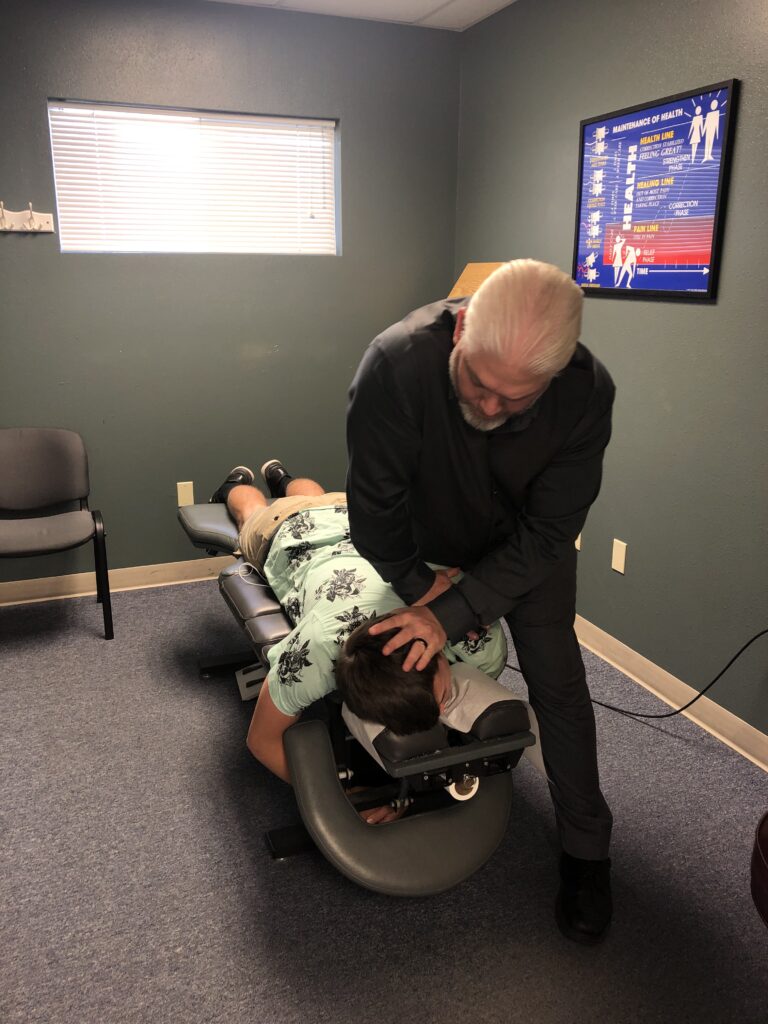

As a local chiropractor, I understand that managing neurological disorders can seem daunting, but you don't have to face it on your own. One of the first steps toward better brain health is prioritizing a balanced diet, staying well-hydrated, and incorporating regular exercise into your routine. These foundational practices are essential for supporting your overall wellness.
In addition to these basics, I encourage you to explore mindfulness and meditation as powerful tools to enhance your mental clarity and emotional resilience. You might also find that certain herbal remedies can complement your journey toward natural healing.
But there are even more surprising strategies that can significantly boost your well-being in ways you might not expect. If you're curious about these tips and how they can positively impact your life, I'm here to guide you through the process of natural healing and chiropractic care. Together, we can find the best approach for your unique needs!
Prioritize a Balanced Diet
As a local Chiropractor, I want to emphasize the importance of a balanced diet in managing neurological disorders effectively. By prioritizing whole foods that are rich in nutrients, you can provide your brain with the essential fuel it needs for optimal function.
It's crucial to include a variety of fruits, vegetables, lean proteins, whole grains, and healthy fats in your meals. These foods offer vital vitamins, minerals, and antioxidants that support brain health and may help reduce inflammation.
Particularly, pay attention to omega-3 fatty acids, which are abundant in fatty fish like salmon and in walnuts. These healthy fats are known for promoting cognitive function and may even offer protection against neurodegenerative diseases.
Additionally, incorporating foods rich in B vitamins, such as leafy greens and legumes, is important for maintaining healthy nerve cells.
I recommend limiting processed foods, sugar, and saturated fats, as these can adversely affect your brain health. Instead, aim for a colorful plate filled with diverse foods to ensure you're getting a broad spectrum of nutrients.
Planning your meals is also beneficial; it reduces the temptation to opt for unhealthy choices when you're short on time. Cooking at home gives you control over ingredients and portion sizes, which helps you adhere to a balanced diet.
Lastly, pay attention to how certain foods affect your mood and cognitive function. You may find that particular dietary choices can enhance your overall well-being.
Stay Hydrated
As a local chiropractor, I want to emphasize the importance of staying hydrated for your overall health, particularly when it comes to managing neurological disorders.
Many people may not be aware that even mild dehydration can result in uncomfortable symptoms such as headaches and fatigue.
It's crucial to recognize the signs of dehydration so that you can maintain optimal health for both your body and mind.
Remember, proper hydration plays a key role in your wellness journey, and it complements the natural healing processes we focus on in chiropractic care.
Let's work together to ensure you're feeling your best!
Importance of Water Intake
As a local chiropractor dedicated to your overall well-being, I want to emphasize the significance of hydration in managing your neurological health. Many people may not realize that proper water intake goes beyond just quenching your thirst; it plays a crucial role in supporting brain function and mood stability. Did you know your brain is composed of approximately 75% water? Even slight dehydration can hinder its performance.
I encourage you to make drinking enough water a daily priority. Staying well-hydrated can help you maintain focus, enhance memory, and elevate your mood. If you engage in physical activities or live in warmer climates, you may need to increase your water intake even further.
In addition to drinking water, consider adding hydrating foods to your diet, such as fruits and vegetables. These can significantly contribute to your overall fluid intake. A great tip is to carry a water bottle with you—it serves as a handy reminder to drink regularly and prevents you from becoming dehydrated.
Always listen to your body; it often provides signals indicating when you need more fluids. By prioritizing your hydration, you not only support your neurological health but also improve your quality of life.
Let hydration be an essential part of your daily routine, and you may start to notice the positive impact on your well-being. Remember, at our chiropractic practice, we're here to guide you on your journey to optimal health through natural healing methods, including proper hydration.
Signs of Dehydration
As a local Chiropractor, I'm here to emphasize the importance of hydration for your neurological health, which is often overlooked. Many people aren't aware that when you don't drink enough water, it can hinder your body's ability to function optimally, and this can worsen neurological issues. So, it's crucial to listen to your body's signals.
One of the first signs of dehydration is thirst. If you're feeling thirsty, it's a clear signal from your body that you need to replenish your fluids. You may also experience a dry mouth or cracked lips, which are common indicators.
Additionally, pay attention to your urine; if it appears darker and is less frequent, that's another warning sign. Symptoms such as fatigue, dizziness, and headaches can arise as well. These can impact your cognitive function, making it difficult to concentrate or think clearly.
It's vital to respond promptly when you notice these signs. Start by drinking water right away, and consider incorporating electrolyte-rich fluids into your daily routine.
Even mild dehydration can affect your mood and energy levels, which can ultimately influence your overall well-being. Remember, staying hydrated is an essential part of both your chiropractic care and your journey towards natural healing.
Incorporate Regular Exercise
As a local chiropractor, I want to emphasize the importance of incorporating regular exercise into your life for optimal neurological health. Engaging in physical activity isn't just about building muscle or losing weight; it plays a crucial role in enhancing brain function and overall well-being.
When you exercise, you increase blood flow to the brain, which can significantly improve cognitive abilities and elevate your mood. Additionally, regular movement helps to manage stress and anxiety, which can be particularly beneficial for those dealing with neurological conditions.
You don't need to commit to intense workout sessions; even moderate exercise can lead to meaningful improvements in your health. Here are four essential types of exercise that I recommend including in your routine:
- Aerobic Activities: Consider activities like walking, cycling, or swimming. These exercises not only strengthen your heart but also enhance circulation, which is vital for brain health.
- Strength Training: Using light weights or resistance bands can be very effective. Building muscle supports better balance and coordination, which is especially important as we age.
- Flexibility Exercises: Incorporating yoga or stretching into your routine can greatly improve your flexibility and reduce the risk of injuries, allowing you to move more freely and comfortably.
- Balance Training: Activities like tai chi or simple balance drills are excellent for maintaining stability and preventing falls, which can be a concern for many individuals.
I recommend aiming for at least 150 minutes of moderate aerobic activity each week, while also integrating strength and flexibility exercises.
Remember, it's perfectly fine to start small; even short bursts of activity can provide significant benefits. Always listen to your body and feel free to modify your routine as needed.
Practice Mindfulness and Meditation
As a chiropractor, I want to share with you how practicing mindfulness and meditation can significantly enhance your mental and emotional well-being, particularly if you're dealing with neurological disorders.
These practices can complement your chiropractic care by promoting relaxation and reducing stress, which is essential for overall health.
There are various mindfulness and meditation techniques that can easily fit into your lifestyle, making it more manageable to integrate them into your daily routine.
By focusing on your breath, being present in the moment, and cultivating a sense of awareness, you can support your body's natural healing processes.
Let's take a closer look at how you can effectively begin and sustain a mindfulness and meditation practice to enhance your chiropractic care and improve your overall quality of life.
Benefits of Mindfulness
As a local chiropractor, I want to share with you some powerful tools that can complement your chiropractic care and enhance your overall well-being, particularly if you're managing a neurological disorder.
Many of my patients have found that incorporating mindfulness and meditation into their daily routines can yield remarkable benefits. Here's how these practices can support your journey to better health:
- Reduced Stress: Mindfulness encourages you to remain in the present moment, which can significantly alleviate stress and anxiety associated with your condition. This can be particularly helpful in managing the physical manifestations of stress that often accompany neurological disorders.
- Improved Focus: By regularly practicing mindfulness, you can sharpen your concentration. This is especially beneficial if you're facing cognitive challenges, as a clearer mind can aid in your recovery and daily functioning.
- Emotional Regulation: Mindfulness fosters a deeper awareness of your thoughts and feelings, empowering you to respond thoughtfully rather than react impulsively. This skill can be invaluable in navigating the emotional ups and downs that often come with managing a neurological disorder.
- Enhanced Sleep Quality: Meditation promotes relaxation, which in turn can lead to improved sleep quality. Good sleep is crucial for neurological health and can support the effectiveness of your chiropractic treatments.
Integrating mindfulness into your lifestyle doesn't have to be overwhelming. Start with just a few minutes a day, and as you become more comfortable, gradually increase the time you spend on these practices.
By focusing on the present moment, you may discover a newfound sense of peace and resilience on your path to better health and wellness.
Meditation Techniques Explained
As a chiropractor, I want to share how meditation can complement your journey towards better health and well-being. It's a valuable practice that can enhance mindfulness and support your body's natural healing processes. There are several techniques you might find beneficial, each offering unique advantages.
One effective method is focused attention meditation. In this practice, you concentrate on a single point, such as your breath or a calming mantra. This helps to anchor your mind, reducing stress and distractions, which can be particularly important for maintaining spinal health and overall wellness.
Another technique is body scan meditation. This involves mentally scanning your body from head to toe, paying attention to any sensations or tensions without judgment. This practice can promote relaxation and help you become more aware of your physical state, which is essential for those experiencing discomfort or tension.
Loving-kindness meditation is also worth exploring. By silently repeating phrases of goodwill towards yourself and others, you foster feelings of compassion and connection. This practice can enhance your emotional resilience and support a positive mindset, both of which are crucial for maintaining a healthy lifestyle.
Lastly, consider incorporating mindful movement practices like yoga or tai chi into your routine. These exercises combine meditation with gentle movement, helping you stay grounded in the present moment while also promoting physical well-being.
Daily Practice Tips
Building a routine that incorporates mindfulness and meditation can greatly benefit your overall health and well-being, especially when considering the holistic approach of chiropractic care.
By integrating these practices into your daily life, you can enhance not only your mental clarity but also your physical health. Here are some tailored tips to help you blend mindfulness and meditation into your routine:
- Establish a Routine: Just as you schedule your chiropractic appointments, set aside a specific time each day for mindfulness or meditation. Whether it's in the morning to set a positive tone for the day, during lunch for a refreshing break, or in the evening to unwind, consistency is essential.
- Create a Healing Space: Identify a quiet corner in your home where you can practice meditation without interruptions. This space can serve as your personal sanctuary, much like the calming environment of a chiropractic office.
- Begin with Short Sessions: If you're new to meditation, it's perfectly fine to start small. Try meditating for just a few minutes each day, gradually extending the time as you become more comfortable—similar to how we might increase the intensity of your chiropractic adjustments over time.
- Explore Guided Sessions: Just as you'd seek professional guidance for chiropractic care, consider using apps or online resources that offer guided meditations. These can provide structure and motivation, helping you stay focused on your wellness journey.
Explore Herbal Remedies
As a local chiropractor dedicated to promoting natural healing, I often encourage my patients to explore herbal remedies as a complementary approach to managing neurological disorders. Many individuals are unaware that certain herbs can play a significant role in alleviating symptoms and supporting overall brain health, alongside the chiropractic care I provide.
One herb you might hear about is Ginkgo biloba. This plant is renowned for its ability to enhance cognitive function and improve blood flow to the brain. If you're dealing with anxiety or mood issues, you might find relief with Ashwagandha or St. John's Wort, both of which have shown promising calming effects in various studies.
Another herb that deserves attention is Bacopa monnieri, known for its potential to improve memory and cognitive performance over time.
Don't overlook turmeric, either! This vibrant spice contains curcumin, which has powerful anti-inflammatory properties and may offer neuroprotective benefits. You can easily incorporate turmeric into your meals or consider it as a supplement to reap its rewards.
Additionally, omega-3 fatty acids, found in sources like flaxseed and fish oil, are essential for brain health and can help reduce inflammation.
Before adding any herbal remedies to your regimen, it's crucial to consult with your healthcare provider—especially if you're currently taking medications. Some herbs can interact with prescription drugs or may not be suitable for everyone.
Keeping a journal to track your experiences with these remedies can also be beneficial, as it allows you to identify what works best for your unique needs.
Establish a Sleep Routine
As a local chiropractor, I want to emphasize the importance of establishing a sleep routine for your overall health, especially if you're managing neurological disorders. A consistent sleep schedule is crucial for regulating your body's internal clock, which can significantly enhance your ability to fall asleep and wake up, leading to better neurological function and overall well-being.
Here are some practical tips I recommend to help you create and maintain a sleep routine:
- Set a consistent bedtime and wake-up time: Aim to go to bed and wake up at the same time each day, including weekends. This consistency reinforces your body's natural rhythm and can lead to improved sleep quality, which is essential for your healing journey.
- Create a relaxing pre-sleep ritual: Engage in calming activities before bed, such as reading a book, taking a warm bath, or practicing mindfulness exercises. It's important to avoid screens during this time, as the blue light emitted can interfere with your ability to fall asleep.
- Optimize your sleep environment: Make your bedroom a sanctuary for sleep. Keep the room dark, quiet, and cool to promote relaxation. You might consider blackout curtains or a white noise machine to help minimize disturbances that could interrupt your rest.
- Limit caffeine and heavy meals before bed: Try to avoid caffeine in the afternoon and evening, and steer clear of large meals close to bedtime. These habits can disrupt your sleep cycle and lead to restless nights, which can be particularly challenging if you're trying to manage any health concerns.
By implementing these strategies, you can create a sleep routine that supports your body's natural healing processes and enhances your overall health.
Limit Stress Triggers
As a local chiropractor, I want to emphasize the importance of managing your neurological health by reducing stress triggers in your everyday life.
It's essential to first pinpoint the sources of stress that impact you personally. This awareness is a vital first step. Alongside chiropractic care, I encourage you to incorporate mindfulness techniques into your routine; these can help you stay centered and balanced.
Establishing healthy boundaries is also crucial. By doing so, you protect your well-being and can significantly reduce anxiety.
Remember, chiropractic care isn't just about spinal adjustments; it's also about fostering a holistic approach to health that includes managing stress effectively.
Let's work together to create a healthier, more balanced lifestyle!
Identify Stress Sources
Identifying stress sources is crucial for effectively managing your overall well-being, especially when it comes to neurological health. As a chiropractor, I often see how stress can impact the body and mind, and it's important to recognize these stressors in order to address them.
By taking a moment to reflect on what elevates your stress levels, you can empower yourself to create a healthier, more balanced life.
Here are some common stress sources you might consider:
- Work-related pressures: Deadlines, conflicts with colleagues, or worries about job stability can lead to significant stress that may affect your physical health.
- Family dynamics: Tensions with family members or the demands of caregiving can weigh heavily on your emotional and physical well-being.
- Financial concerns: Anxiety about finances, such as debt or unexpected expenses, can create a cycle of stress that may manifest in physical symptoms.
- Health issues: Dealing with your own health challenges or those of loved ones can contribute to a heightened sense of anxiety and tension.
Once you've identified the sources of your stress, there are practical steps you can take to mitigate their effects.
As a chiropractor, I encourage you to consider setting boundaries, seeking support from loved ones, and exploring natural methods for managing your time and energy. Chiropractic care can also play a vital role in reducing stress by helping to align your spine and improve your overall bodily function.
Remember, the goal is to cultivate an environment that promotes healing and balance, allowing you to thrive while managing any neurological concerns.
Practice Mindfulness Techniques
Incorporating mindfulness techniques into your daily routine can significantly reduce stress and enhance your overall well-being, which is an important aspect of maintaining a healthy spine and nervous system. As a chiropractor, I often emphasize the connection between mental and physical health. Mindfulness allows you to stay present and observe your thoughts and feelings without judgment, which can help alleviate tension in your body.
Start with simple practices like focusing on your breath. Spend just a few minutes each day concentrating on your inhales and exhales. This mindful breathing can ground you, especially when you feel stress creeping in, and can also help reduce tension in your back and neck.
You might also consider mindful walking. As you walk, pay attention to the sensations in your feet and legs, the rhythm of your steps, and the sights and sounds around you. This practice not only shifts your focus away from stressors but also encourages proper posture and movement, which are essential for spinal health.
Additionally, incorporating meditation into your routine can be incredibly beneficial. Even just a few minutes of meditation can help clear your mind and reduce anxiety, which can lead to less physical tension in your body. There are many apps and guided sessions available to help you get started if you're new to this practice.
Lastly, engaging in activities that promote mindfulness, such as yoga or tai chi, can be incredibly advantageous. These practices combine movement with breath awareness, enhancing your connection to your body and helping to maintain a healthy spine.
Establish Healthy Boundaries
As your local chiropractor, I want to emphasize the importance of establishing healthy boundaries for your overall well-being, particularly when it comes to managing stress and supporting your mental health.
Defining what you can handle and recognizing what may be too overwhelming is crucial for creating an environment where you can truly thrive. This is especially significant for those of you dealing with neurological disorders, as stress can exacerbate many conditions.
Here are some practical strategies to help you set those boundaries effectively:
- Limit your exposure to negative influences, whether that's people who drain your energy or situations that cause unnecessary stress. Surrounding yourself with positivity can greatly improve your mental state.
- Communicate clearly with your loved ones and colleagues about your needs and limitations. Let them know how they can support you on your journey to wellness.
- Schedule personal time dedicated to relaxation and self-care. Make it a priority and treat it as non-negotiable, just like your chiropractic appointments.
- Practice saying no when you feel overwhelmed. Remember, it's okay to prioritize your health and well-being without feeling guilty.
By implementing these strategies, you can create a supportive environment that fosters healing and resilience, both physically and mentally.
Let's work together to ensure you're feeling your best!
Engage in Cognitive Activities
As a local chiropractor, I want to emphasize the importance of engaging in cognitive activities for your overall well-being, including maintaining brain health and enhancing mental sharpness. This is particularly vital for those of you who may be managing neurological challenges. By actively stimulating your brain, you can improve your memory, boost your problem-solving abilities, and enhance your overall cognitive function.
Incorporating activities such as puzzles, crosswords, and Sudoku into your routine can be excellent ways to challenge your mind. Not only do these exercises keep your brain active, but they also provide a satisfying sense of accomplishment once completed.
Additionally, I encourage you to explore new hobbies that engage your mind. Learning to play a musical instrument, picking up a new language, or even trying your hand at painting can be incredibly beneficial. These activities promote neuroplasticity—the brain's remarkable ability to adapt and form new connections. By diversifying your cognitive challenges, you stimulate various parts of your brain, which can enhance your mental flexibility.
Social interactions are equally important for cognitive health. Engaging in conversations or participating in group activities can significantly boost your mental acuity. Consider joining a book club or attending local workshops where you can share ideas and learn from others.
It's a good practice to set aside time each day for cognitive activities. Establishing a routine can help keep your mind sharp. Even simple tasks like reading a book or playing a trivia game can yield substantial benefits. The key is to continually push your mental limits while enjoying the process.
By incorporating these activities into your daily life, you're not only taking proactive steps in managing your neurological health but also investing in your brain's long-term wellness.
Consider Acupuncture
If you're exploring natural methods to manage neurological disorders, I encourage you to consider the benefits of chiropractic care. As a chiropractor, I focus on promoting your body's natural healing abilities through spinal adjustments and other holistic techniques. Many patients have found relief from symptoms associated with various neurological conditions, such as anxiety, headaches, and chronic pain.
Chiropractic care works by ensuring that your nervous system is functioning optimally. By adjusting misalignments in the spine, we can enhance the communication between your brain and body, which is crucial for overall health and well-being. Research has shown that chiropractic adjustments may help reduce inflammation and improve blood circulation, both of which are vital for optimal brain function.
By addressing specific areas of concern, you may experience significant relief from discomfort and an overall improvement in your health.
Here are some key benefits of chiropractic care for managing neurological disorders:
- Pain Relief: Chiropractic adjustments can effectively alleviate pain, allowing you to participate more fully in daily activities.
- Improved Sleep Quality: Many patients report that they experience better sleep after chiropractic care, which is essential for maintaining brain health.
- Reduced Stress and Anxiety: The calming effects of chiropractic adjustments may help lower stress levels, which can enhance mental clarity and focus.
- Enhanced Cognitive Function: Some studies suggest that chiropractic care can aid in improving memory and cognitive abilities, helping you stay mentally sharp.
Before starting chiropractic treatment, it's important to consult with a qualified chiropractor who can assess your specific needs. Together, we can create a personalized treatment plan to help you address your symptoms effectively.
With its holistic approach, chiropractic care may serve as a valuable component in your journey toward naturally managing neurological disorders.
Maintain Social Connections
Maintaining strong social connections is vital for your overall well-being, especially if you're managing neurological disorders. As a local chiropractor, I often emphasize the importance of emotional and mental health alongside physical health. Engaging with friends, family, and support groups can significantly enhance your quality of life by alleviating feelings of isolation and depression that sometimes accompany these conditions.
I encourage you to reach out to those you trust. Sharing your experiences and feelings can lead to deeper connections and support. A simple phone call or text can make a difference in your day and strengthen those bonds. If you feel comfortable, consider joining a local support group where you can meet others who are facing similar challenges. This community can provide you with invaluable encouragement and understanding, which is essential for healing.
Don't underestimate the benefits of regular social activities. Whether it's a weekly coffee date or a game night, these interactions create a routine that can bring stability and joy to your life. Additionally, engaging in volunteering or community events can't only expand your social circle but also provide you with a sense of purpose, which is crucial for mental health.
It's important to be mindful of your energy levels and capacity during these social interactions. Remember, self-care is key, and it's perfectly okay to take breaks when needed. Focus on quality connections rather than the quantity of interactions. Surround yourself with positive influences who uplift you and support your journey toward better health.
As we work together on your chiropractic care, remember that your emotional and social well-being is just as important for achieving holistic health.
Conclusion
As a local chiropractor, I want to share some valuable insights on how you can actively manage your neurological disorder using natural methods. One of the foundational steps is to prioritize a balanced diet that nourishes your brain and body. Staying hydrated is equally important, as water plays a crucial role in maintaining overall health.
Incorporating regular exercise into your routine can significantly enhance your neurological function, so I encourage you to find activities you enjoy that keep you moving. Mindfulness practices, such as meditation or deep breathing, can help reduce stress and improve mental clarity.
Additionally, exploring herbal remedies can offer support for brain health, but it's essential to consult with a professional to find the right options for you. Engaging in cognitive activities, like puzzles or reading, can keep your mind sharp, while maintaining social connections is vital for emotional well-being.
By integrating these natural strategies into your life, you can take proactive steps toward a healthier, more vibrant existence while effectively supporting your neurological health. Remember, chiropractic care can also play a key role in this journey, helping to optimize your nervous system and overall wellness.