
As a local chiropractor, I want to emphasize that recovering from a sports injury goes beyond simply waiting for the pain to fade. It’s important to adopt a structured approach that incorporates a variety of strategies to facilitate your healing process. From prioritizing rest to engaging in personalized chiropractic care, each step is vital in your recovery journey.
So, what specific actions can you take to ensure a smoother recovery and reduce the risk of future injuries? Let’s delve into some of the best methods that can help you regain your strength and mobility naturally. With the right support and guidance, you can get back to doing what you love while promoting long-term wellness.
Rest and Recovery: The Foundation of Healing
As a local chiropractor, I want to emphasize the importance of rest and recovery when it comes to healing from a sports injury. Your body is incredibly resilient, but it requires time to repair itself properly. Ignoring pain and pushing through can exacerbate your injury, leading to prolonged recovery.
It’s crucial to listen to your body; if you experience pain, consider it a signal to take a step back. Allow yourself some time away from vigorous activities so that your muscles and joints can recover effectively.
Incorporating rest days into your routine is essential. Don’t overlook the significance of quality sleep; it plays a vital role in tissue repair and reducing inflammation. Staying well-hydrated is equally important, as proper hydration supports circulation and ensures that nutrients reach the areas in need of healing.
I often recommend using ice packs to help manage swelling and discomfort after an injury.
Moreover, a balanced diet rich in vitamins and minerals is fundamental for recovery. These nutrients equip your body with the tools it needs to heal efficiently.
Physical Therapy: Tailored Rehabilitation
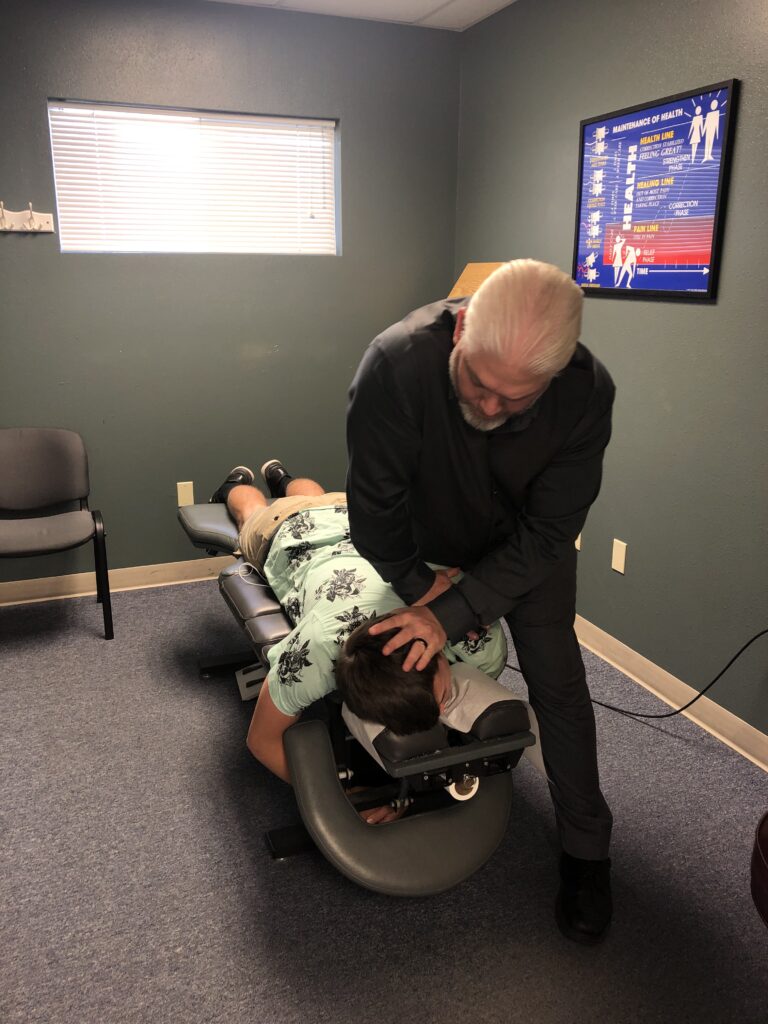
While rest plays a crucial role in recovery, incorporating chiropractic care can significantly enhance your healing process after a sports injury. A customized chiropractic rehabilitation program addresses your unique needs, aiding in the restoration of strength, flexibility, and movement.
As your chiropractor, I’ll thoroughly assess your injury, develop a personalized treatment plan, and guide you through specific adjustments and exercises that not only promote healing but also help prevent future injuries.
Chiropractic care goes beyond just treating the injury; it’s about understanding your body as a whole and optimizing your overall performance. You’ll learn effective techniques to avoid re-injury and cultivate a strong foundation for a successful return to your sport.
Additionally, the hands-on approach of chiropractic adjustments provides motivation and accountability, helping you stay committed to your recovery journey.
With regular visits, you’ll likely notice significant improvements in your mobility and confidence. Don’t overlook the benefits of chiropractic care—investing in natural healing can make a remarkable difference in your path back to peak performance.
Ice and Compression: Managing Swelling and Pain
As your local chiropractor, I want to share some valuable insights on managing swelling and pain associated with sports injuries through the effective use of ice and compression. Many of my patients aren’t familiar with these techniques, but they can play a crucial role in your recovery process.
Understanding how to properly apply ice and compression can significantly alleviate discomfort and reduce inflammation.
It’s important to know the correct timing and methods for application to ensure you’re getting the best results. By incorporating these strategies into your recovery routine, you can enhance your healing naturally and support your overall well-being.
Let’s delve into how to utilize these techniques effectively for optimal recovery.
Ice Application Techniques
As your local chiropractor, I want to share some essential techniques for applying ice effectively, especially when it comes to managing swelling and pain after a sports injury.
Understanding how to use ice properly can significantly aid in your recovery. Here are some key points to consider:
- Always use a cloth barrier: It’s crucial to wrap the ice in a towel or cloth before applying it to your skin. This simple step helps prevent frostbite and protects your skin from extreme cold.
- Keep application time in check: Aim to ice the injured area for 15-20 minutes at a time, ideally once every hour. This method helps reduce swelling effectively while minimizing the risk of tissue damage.
- Elevate the injured area: When you apply ice, try to keep the injured limb elevated. This helps enhance the ice’s effectiveness and further reduces swelling, promoting a quicker recovery.
By incorporating these techniques into your healing process, you can manage pain and swelling more effectively.
Compression Methods Explained
As a local chiropractor, I want to share with you the importance of compression methods in managing swelling and pain after a sports injury. When you apply pressure to the affected area, it plays a significant role in reducing inflammation and enhancing blood circulation, which can ultimately speed up your recovery process.
You can utilize various compression tools such as bandages, sleeves, or wraps. It’s important that these fit snugly around the injury, but not so tightly that they cut off circulation. When you’re applying compression, start below the injury site and work your way up, overlapping each layer for effective coverage.
Always be vigilant for signs of excessive swelling or numbness, as these can indicate that the compression may be too tight.
For optimal results, I recommend combining compression with ice therapy. This combination can significantly improve your healing process.
Timing for Best Results
As a local chiropractor, I want to emphasize the crucial role that timing plays in managing swelling and pain after a sports injury with ice and compression. It’s important to act quickly—applying ice and compression as soon as possible after your injury can make a significant difference in your recovery.
For optimal results, aim to ice the affected area for about 15-20 minutes every hour during the first 48 hours following your injury. This approach not only helps reduce swelling but also numbs the pain, which can aid in restoring your mobility more swiftly.
Here are a few key points to remember:
- Acting quickly can lead to faster relief and recovery.
- Consistent use of ice and compression can help prevent long-term complications.
- Always listen to your body; if you experience pain, don’t hesitate to take a break.
By understanding the importance of timing in your treatment, you can take proactive steps towards a quicker and more effective recovery.
If you have any questions or need further guidance, feel free to reach out!
Nutrition: Fueling Your Recovery
As a local chiropractor dedicated to your holistic health, I want to emphasize the vital role that nutrition plays in your recovery from sports injuries. When your body is healing, it requires specific nutrients to mend effectively and regain strength. One of the most important components is protein, which is crucial for tissue repair and muscle recovery. I recommend incorporating sources like lean meats, fish, eggs, legumes, and dairy into your meals to support this process.
Additionally, we mustn’t underestimate the power of vitamins and minerals in your recovery journey. Vitamin C is essential for collagen production, which is necessary for healing, while zinc supports the overall healing process. A diet rich in fruits and vegetables will help ensure you receive these important nutrients.
Omega-3 fatty acids, found in fish and flaxseeds, are also beneficial as they help reduce inflammation and promote healing. Staying hydrated is equally important. Water is essential for your recovery as it helps transport nutrients to your cells and flushes out toxins from your body.
I encourage you to drink plenty of fluids throughout the day to support your healing process. By prioritizing your nutrition alongside chiropractic care, you’ll not only enhance your recovery but also build a stronger foundation for returning to your sport.
Gradual Return to Activity: Avoiding Setbacks
As a local chiropractor, I want to emphasize the importance of a gradual return to your activities after recovery, especially when it comes to avoiding setbacks.
It’s crucial to understand that jumping back into your routine too quickly can lead to discomfort and potentially hinder your healing process. Instead, focus on a slow and steady approach.
Begin with low-impact exercises that allow your body to adjust without putting excessive strain on it. Pay close attention to how you feel during and after these activities; if something feels off, it’s essential to trust your instincts and take a step back.
Here are a few key points to keep in mind as you navigate your recovery:
- Celebrate small victories: Each step you take towards regaining your strength is an achievement. Recognizing these milestones can boost your motivation and remind you of the resilience you possess.
- Stay mindful of your limits: It’s easy to get carried away and push yourself too hard, but doing so can result in frustration and even pain. Be aware of what your body can handle and respect those boundaries.
- Keep communication open: Don’t hesitate to discuss your progress, concerns, or any discomfort with me or other healthcare professionals. Open dialogue is vital for a successful recovery plan.
By taking these steps, you can safely return to your activities and enjoy a healthier, more active lifestyle.
Mental Health: Staying Positive During Recovery
As a local chiropractor, I want to share how maintaining a positive mindset can significantly enhance your recovery from sports injuries. Your mental outlook plays a crucial role in your healing journey. It’s essential to focus on your progress, no matter how small. Celebrate those little victories—whether it’s regaining range of motion or completing a physical therapy session. These milestones are important!
Surrounding yourself with supportive friends and family can also be incredibly beneficial. Their encouragement can help reinforce your positivity during challenging times.
Remember, it’s completely normal to experience feelings of frustration or sadness while recovering. Acknowledging these emotions is key; don’t let them overshadow your journey.
I recommend considering journaling your thoughts or talking with a therapist to help process what you’re feeling. Additionally, incorporating mindfulness practices—like meditation or deep breathing—can be effective in reducing anxiety and improving your overall outlook.
As your chiropractor, I’m here to support you in both your physical and mental recovery, guiding you towards a healthier, more balanced life.
Preventive Measures: Reducing Future Injury Risk
As your local chiropractor, I want to emphasize the importance of taking proactive steps to reduce your risk of future injuries. One key aspect is to always engage in proper warm-up techniques before participating in any physical activity. This prepares your muscles and joints, helping to prevent strains and sprains.
In addition, strengthening your core muscles is vital for providing better stability and support for your entire body. A strong core can enhance your posture and balance, which are crucial for reducing the likelihood of injuries.
Proper Warm-Up Techniques
As a local chiropractor, I want to emphasize the importance of effective warm-up techniques for your overall health and well-being, especially if you’re engaging in sports or physical activities. Proper warm-ups aren’t just about getting ready to play; they play a crucial role in reducing your risk of injuries by preparing both your body and mind for what lies ahead.
When you engage in a proper warm-up, you increase blood flow to your muscles, enhance flexibility, and sharpen your focus. This proactive approach is essential for maintaining optimal health and enjoying your sports experience without the fear of injuries.
Imagine the thrill of performing at your best, completely free from the worry of setbacks. Picture yourself experiencing the joy of every game, fully confident in your physical readiness. That’s the beauty of incorporating warm-up techniques into your routine.
I encourage you to integrate dynamic stretches and sport-specific movements before you engage in any physical activity. This crucial step won’t only prepare your body but also help you avoid unnecessary injuries in the future.
Your future self will undoubtedly thank you for making this commitment to your health!
Strengthening Core Muscles
As a local chiropractor, I often see patients who underestimate the importance of strengthening their core muscles. However, I want to emphasize that a strong core is vital for injury prevention and overall health. Your core muscles play a crucial role in stabilizing your body, enhancing your balance, and supporting your movements in daily activities and sports.
Incorporating exercises like planks, bridges, and Russian twists into your routine can significantly benefit your core strength. These exercises not only target your abdominal muscles but also engage your back and hips, promoting overall stability.
I recommend aiming for at least two core workouts each week, gradually increasing the intensity as you progress. By developing a robust core, you can maintain proper form during activities, which significantly reduces your risk of strains and sprains.
Prioritizing core strength is an essential step in laying a solid foundation for your physical performance and protecting yourself from future injuries. As your chiropractor, I encourage you to stay proactive about your health.
Strengthening your core won’t only enhance your athletic performance but also contribute positively to your overall well-being. Your body will thank you for it!
Conclusion
As a local chiropractor, I want to emphasize that recovering from sports injuries requires dedication and a comprehensive approach. It’s essential to prioritize rest and allow your body the time it needs to heal. Engaging in physical therapy is also crucial, as it helps restore function and mobility. Nutrition plays a vital role in recovery too; fueling your body with the right nutrients can significantly enhance the healing process.
Managing swelling with ice and compression is a fundamental step, but don’t overlook the importance of gradually easing back into your activities. A positive mindset can work wonders—celebrating small victories along the way will not only uplift your spirits but also enhance your recovery journey.
Additionally, I encourage you to consider preventive measures, as they can greatly reduce the risk of future injuries. Chiropractic care can be an integral part of this process, as it focuses on natural healing and maintaining proper alignment in your body. Stay committed to your recovery, and remember that with the right approach, you’ll come back stronger than ever!