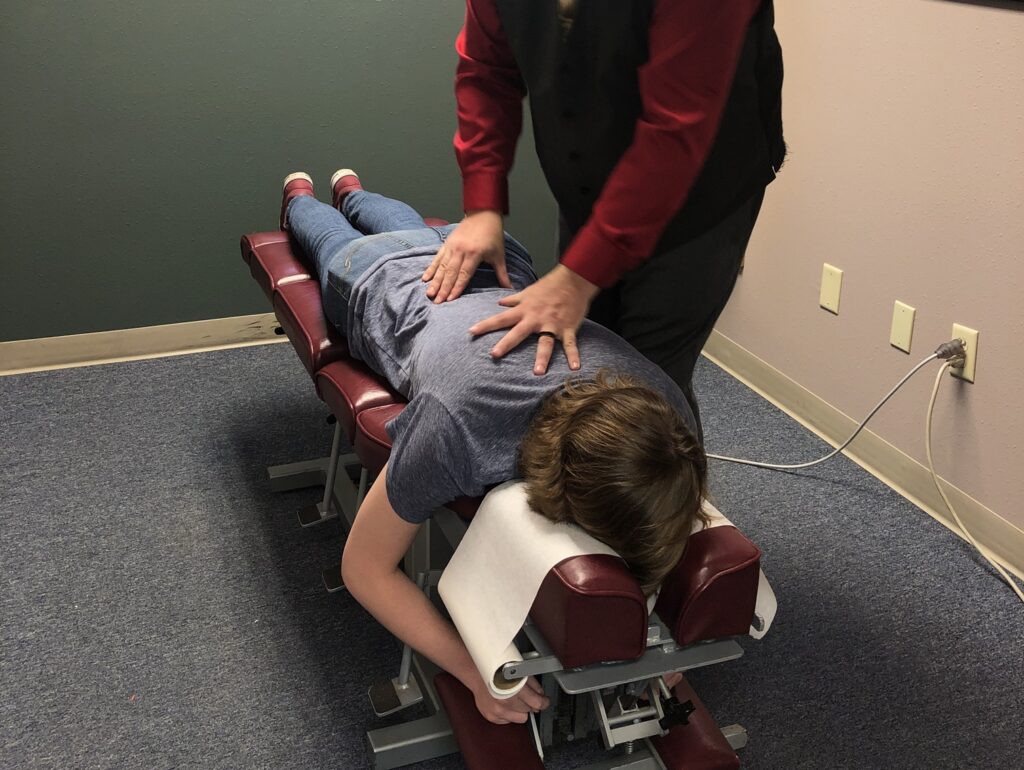

If you’ve recently experienced whiplash, managing neck pain can feel overwhelming, but there’s good news: chiropractic care can play a pivotal role in your recovery. Addressing inflammation and muscle tension effectively is crucial, and as a chiropractor, I want to share some simple yet powerful strategies to help you regain comfort and promote healing naturally.
- Chiropractic Adjustments: Regular visits to your chiropractor can help realign your spine and reduce tension in your neck. Gentle adjustments can restore proper movement and function, aiding the healing process.
- Ice Therapy: Applying ice to the affected area can help reduce inflammation and numb pain. Aim to ice your neck for 15-20 minutes every hour, especially in the first few days after your injury.
- Gentle Stretches: Once you feel ready, incorporating gentle neck stretches can improve flexibility and reduce stiffness. Simple movements, like tilting your head from side to side or gently rotating your neck, can be beneficial.
- Proper Posture: Be mindful of your posture throughout the day. Keeping your head aligned with your spine can help alleviate unnecessary strain on your neck. Consider ergonomic adjustments to your workspace to support better posture.
- Heat Therapy: After the initial inflammation has subsided, applying heat can promote blood flow and relax tight muscles. A warm towel or a heating pad for 15-20 minutes can work wonders.
- Hydration: Staying hydrated is essential for muscle health and recovery. Drinking plenty of water helps lubricate your joints and can aid in reducing muscle tension.
- Strengthening Exercises: Once your pain decreases, strengthening exercises can help support your neck and prevent future issues. Your chiropractor can guide you through safe exercises tailored to your needs.
- Mindfulness and Relaxation Techniques: Stress can exacerbate pain, so consider incorporating mindfulness practices, such as deep breathing or meditation, into your routine to help relax both your mind and body.
- Sleep Support: Ensure you’re sleeping in a position that maintains proper neck alignment. A supportive pillow can make all the difference in your recovery.
- Regular Check-ups: Continued care with your chiropractor ensures that your recovery stays on track. Regular assessments can help monitor your progress and adjust your care as needed.
Remember, each person heals at their own pace, so be patient with yourself. By choosing chiropractic care and incorporating these simple tips into your routine, you can facilitate your recovery and move towards a healthier, pain-free life. Your journey to optimal health starts here!
Key Takeaways
- Start with ice therapy to help reduce inflammation and swelling. Apply ice packs wrapped in a cloth for 15-20 minutes every hour, ensuring you keep it away from direct skin contact to avoid frostbite.
- Once the initial swelling subsides, switch to heat therapy. Use warm towels or a heating pad for 15-20 minutes to help relax tight muscles and get your blood flowing, which is essential for healing.
- Gentle neck stretches can be incredibly beneficial. Try simple movements like chin tucks and side rotations 2-3 times a day. These stretches can improve flexibility and help ease pain, making daily activities more comfortable.
- Staying hydrated is key to recovery. Drink plenty of water and enjoy hydrating foods like fruits and vegetables. This helps maintain muscle elasticity and supports your overall healing process.
- Consider visiting a chiropractor for tailored spinal adjustments. Chiropractic care focuses on relieving pressure on your nerves and aligning your spine, promoting natural healing and optimal health without the need for medications or invasive procedures.
Apply Ice to Reduce Inflammation
When dealing with neck pain from a whiplash injury, one of the most effective natural remedies you can use is ice. Applying ice helps reduce inflammation by constricting blood vessels, which minimizes swelling and provides a soothing numbing effect. This can bring you immediate relief as your body starts to heal.
To use ice effectively, wrap it in a cloth or use a cold pack and gently apply it to your neck for about 15-20 minutes every hour. Just remember, it’s important not to place ice directly on your skin, as that could lead to frostbite. You might notice a decrease in pain and stiffness after just a few sessions.
Listening to your body is key; if the cold feels uncomfortable at any point, be sure to take breaks between applications.
Alongside ice therapy, consider visiting your local chiropractor, who can provide tailored care to improve your spinal health and support your recovery. Chiropractic adjustments can help realign your spine, reduce tension, and enhance your overall wellness.
Incorporating gentle stretches and maintaining good posture can also aid in your recovery. Staying hydrated and ensuring you get adequate rest will further support your healing process.
Use Heat Therapy for Muscle Relaxation
After addressing inflammation with ice, let’s look at how heat therapy can be a wonderful addition to your muscle relaxation routine. Utilizing heat, through methods like warm towels or heating pads, can effectively soothe tight muscles and enhance blood circulation, which is essential for healing and relaxation.
As a chiropractor, I believe in the power of natural healing, and incorporating heat therapy into your routine can complement your chiropractic care beautifully. It’s a simple and effective way to relieve tension and promote overall wellness.
Just remember to always prioritize safety when using heat—make sure the temperature is comfortable and avoid direct contact with your skin to prevent burns.
In addition, consider combining heat therapy with gentle stretches or chiropractic adjustments to maximize your relief. This holistic approach not only addresses immediate discomfort but also supports long-term spinal health.
Always listen to your body, and don’t hesitate to reach out to your chiropractor for personalized advice on integrating heat therapy into your wellness plan. Together, we can work towards achieving your optimal health!
Benefits of Heat Therapy
Whiplash can often leave your neck feeling tight and uncomfortable, but incorporating heat therapy into your recovery routine can be a fantastic way to promote muscle relaxation and relieve pain.
Here’s how heat therapy can benefit you:
- Increased blood flow: When you apply heat to your neck, it helps widen blood vessels. This improved circulation allows more oxygen and nutrients to reach your muscles, which can accelerate the healing process and reduce discomfort.
- Reduced muscle stiffness: The warmth from heat therapy works wonders for tight muscles. By easing stiffness, you can enjoy greater mobility in your neck, making daily activities more comfortable and pain-free.
- Enhanced relaxation: Heat therapy also encourages your body to release endorphins—natural chemicals that help relieve pain and promote a feeling of well-being. This can leave you feeling more relaxed and at ease.
While heat therapy is a great tool for managing neck pain, it’s essential to remember that seeking chiropractic care can further enhance your recovery.
A chiropractor can help identify the root cause of your discomfort and provide personalized treatment plans tailored to your needs.
For additional relief, consider these tips:
- Use a warm towel or heating pad on your neck for about 15-20 minutes at a time.
- Combine heat therapy with gentle stretching exercises to improve flexibility.
- Stay hydrated, as proper hydration supports muscle function and recovery.
By integrating heat therapy with chiropractic care, you can take significant steps toward alleviating neck pain and improving your overall wellness.
Embrace the natural healing benefits of chiropractic and heat therapy for a healthier, pain-free life!
Types of Heat Applications
If you’ve experienced a whiplash injury, finding ways to relieve muscle tension in your neck is essential for your recovery and overall well-being. As a chiropractor, I believe in the power of natural healing methods to promote health and wellness. Here are some effective heat applications that can help ease discomfort and enhance relaxation.
One of the simplest methods is using a heating pad. Applying it directly to the affected area for 15-20 minutes can work wonders in alleviating muscle tension. If you prefer a more natural approach, consider using a warm towel or a rice bag that you can easily heat in the microwave. Both options provide soothing warmth that can help your neck muscles relax.
Soaking in a warm bath is another excellent way to unwind and relieve tension. The warm water not only helps to relax your muscles but also promotes blood flow, which is vital for healing. Additionally, you might find a warm gel pack beneficial; it conforms to the shape of your neck and provides targeted relief.
Remember, the goal of these heat applications is to improve circulation and reduce stiffness, making it easier for you to move comfortably. As you explore these options, pay attention to how your body responds and find the method that works best for you.
While these heat applications can provide relief, don’t forget that chiropractic care is one of the most effective ways to address the root causes of pain and promote long-term wellness. A chiropractor can help assess your condition and provide personalized treatment plans that support your recovery.
Safety Precautions to Consider
Using heat therapy can be a wonderful way to help relax your muscles, especially if you’re dealing with neck pain. However, it’s essential to use it safely to maximize its benefits. Here are some easy-to-follow precautions to consider while incorporating heat therapy into your routine:
- Temperature Check: Before applying heat to your neck, always test the heat source on a small area of skin. It should feel comfortably warm, not hot enough to cause discomfort or burns. The goal is to soothe your muscles, not to create additional pain.
- Limit Usage: Aim to use heat therapy for no longer than 15-20 minutes at a time. This short duration helps avoid overheating your muscles and allows them to recover effectively. Remember, moderation is key to achieving the best results.
- Stay Hydrated: It’s a great idea to drink water before and after your heat therapy session. Staying hydrated is crucial for your overall muscle health, as it helps your body regulate temperature and supports healing.
In addition to heat therapy, chiropractic care is an excellent option for addressing neck pain and promoting overall wellness. Chiropractors focus on spinal health, which can lead to improved function and mobility.
Perform Gentle Neck Stretches
When you’re recovering from whiplash, gentle neck stretches can play a vital role in your healing process. As a chiropractor, I want to emphasize the importance of utilizing safe stretching techniques to support your recovery and promote overall wellness.
By incorporating these stretches into your routine, you can effectively ease tension and improve mobility without risking further injury.
Here are some helpful tips for performing gentle neck stretches:
- Start Slow: Begin with simple movements, like slowly tilting your head from side to side or gently rotating it. This helps to gradually increase your range of motion without straining your muscles.
- Hold Each Stretch: Aim to hold each stretch for about 15-30 seconds. This allows your muscles to relax and lengthen, which is crucial for relieving tension.
- Listen to Your Body: Pay attention to how your neck feels during each stretch. If you experience any pain or discomfort, ease off and consult with a chiropractor for guidance.
- Frequency Matters: Try to incorporate these gentle stretches into your daily routine. Doing them several times a day can enhance your recovery and keep your neck feeling supple.
- Stay Relaxed: Make sure to breathe deeply and relax your shoulders while stretching. This not only helps to improve the effectiveness of the stretch but also promotes a sense of calm.
Remember, chiropractic care is an excellent choice for addressing neck pain and facilitating natural healing.
A chiropractor can provide personalized guidance, ensuring that you’re on the right path to recovery and optimal health. By combining gentle stretches with chiropractic adjustments, you can achieve lasting relief and a healthier, more vibrant life.
Safe Stretching Techniques
Neck pain following a whiplash injury can be quite challenging, but incorporating gentle stretching techniques into your routine can significantly aid in your recovery.
As a chiropractor, I believe that natural healing through movement is key to achieving optimal health. Here are three safe and effective stretches you can try:
- Neck Tilt: Find a comfortable seated position. Slowly tilt your head toward one shoulder, allowing the opposite side of your neck to stretch. Hold this position for 15-30 seconds. This stretch can help relieve tension and improve flexibility in your neck.
- Chin Tucks: While either sitting or standing, gently pull your chin back toward your neck. This movement not only helps to stretch the muscles but also strengthens them. Hold for about 5 seconds and repeat this exercise 5-10 times. It’s an excellent way to improve posture and support your spinal health.
- Side Rotation: Slowly turn your head to one side while keeping your shoulders relaxed. Hold this position for 15-30 seconds, then switch to the other side. This rotation stretch can enhance your neck’s flexibility and range of motion.
Incorporating these stretches into your daily routine can help alleviate pain, reduce tension, and promote overall recovery.
Remember, chiropractic care is a fantastic way to support your healing journey, as it focuses on addressing the root causes of pain and restoring balance to your body.
Frequency and Duration
To enjoy the benefits of gentle neck stretches, it’s essential to consider both how often you do them and for how long. As a chiropractor, I recommend incorporating these stretches into your daily routine at least two to three times a day. Consistency is crucial because regular stretching can help ease tension and enhance flexibility over time, making it a natural complement to chiropractic care.
Each session of neck stretches should ideally last about 5 to 10 minutes. Focus on making slow, controlled movements, and hold each stretch for 15 to 30 seconds. This approach allows your muscles to relax and adapt, helping to prevent any further strain on your neck.
Always listen to your body. If you start to feel pain while stretching, it’s important to ease off and modify your movements. As your neck becomes more comfortable, you can gradually increase the intensity of the stretches. By balancing how often and how long you stretch, you can effectively find relief and improve your mobility.
Practice Good Posture
Practicing good posture is crucial for alleviating neck pain, especially after a whiplash injury. By focusing on your posture, you can significantly reduce strain on your muscles and ligaments, promoting healing and comfort.
As a chiropractor, I believe that maintaining proper alignment is key to achieving optimal health. Here are three practical tips to help you improve your posture and support your recovery:
- Sit Up Straight: Ensure your back is straight and your shoulders are relaxed. Aim for your ears to align with your shoulders, creating a straight line from your head to your toes. This alignment reduces pressure on your spine and helps prevent further injury.
- Use Supportive Furniture: Consider investing in an ergonomic chair that provides excellent support for your lower back. Position your computer monitor at eye level to avoid tilting your head forward, which can strain your neck. This simple adjustment can make a big difference in your comfort levels throughout the day.
- Be Mindful While Using Devices: When using your phone or tablet, hold it at eye level to keep your neck in a neutral position. This helps avoid bending your neck, which can exacerbate pain. Remember to take regular breaks from screen time to stretch and realign your posture, allowing your muscles to relax and recover.
By incorporating these tips into your daily routine, you can help support your healing process and enhance your overall well-being.
Chiropractic care is also an excellent way to address underlying issues and promote natural healing, so consider scheduling an appointment to discuss your posture and any pain you may be experiencing. Your journey to better health starts with the right support!
Stay Hydrated
Staying hydrated is crucial for your recovery from whiplash, especially when it comes to supporting your spinal health and overall well-being. Proper hydration helps maintain the elasticity of your muscles, which is vital for reducing stiffness and discomfort in your neck.
When you’re dehydrated, your muscles can tighten up, leading to increased tension and pain. That’s why it’s important to drink plenty of water throughout the day, particularly if you’re undergoing chiropractic adjustments or physical therapy.
In addition to drinking water, consider adding hydrating foods to your diet, such as fruits and vegetables. These not only help with hydration but also provide essential nutrients that promote healing and support your body in a natural way.
Always listen to your body; if you’re feeling thirsty, that’s a clear sign that it’s time to hydrate. Setting reminders to drink water can be very helpful, especially when you’re busy with daily activities.
Staying well-hydrated not only supports muscle function but also helps reduce inflammation, which is key to a smoother recovery from whiplash. So, keep that water bottle close and make hydration a priority on your path to alleviating neck pain.
Engage in Low-Impact Exercise
Engaging in low-impact exercise can significantly alleviate your neck pain following a whiplash injury. As a local chiropractor, I often recommend activities like swimming, walking, and gentle yoga. These exercises not only enhance mobility but also help strengthen the muscles around your neck, all while minimizing strain.
Incorporating low-impact activities into your routine is a natural way to support your recovery and overall wellness. Here are a few exercises that can provide relief:
- Gentle Neck Stretches: Start by slowly tilting your head from side to side and forward and backward. This will help maintain flexibility and reduce stiffness.
- Walking: A simple walk can do wonders for your body. It promotes circulation and helps improve your posture without putting undue stress on your neck.
- Swimming: If you have access to a pool, swimming is an excellent low-impact workout that supports your body and allows you to move freely without pain.
- Gentle Yoga: Certain yoga poses can promote relaxation and stretch tight muscles. Focus on gentle poses that don’t strain your neck, such as Child’s Pose or Cat-Cow.
Always remember, consistent practice of these low-impact exercises, combined with regular chiropractic care, can lead to a more effective recovery process.
Chiropractic adjustments help ensure your spine is aligned, which is crucial for overall health and alleviating pain.
If you’re experiencing neck pain, I encourage you to schedule an appointment. Together, we can create a personalized plan that includes exercise and chiropractic care to help you achieve optimal health and wellness.
Benefits of Low-Impact Activities
After experiencing a whiplash injury, it’s understandable to feel hesitant about getting active. However, incorporating low-impact activities can significantly support your recovery process. These gentle movements not only enhance your well-being but also promote healing without putting excessive strain on your neck.
Here are three key benefits of engaging in low-impact exercises, especially when paired with chiropractic care:
- Enhanced Blood Circulation: Low-impact exercises improve blood flow, which is essential for delivering nutrients to your injured area. This increased circulation helps to facilitate healing, making chiropractic adjustments even more effective in restoring your neck’s function.
- Improved Muscle Strength: Strengthening the muscles around your neck provides better support and stability. This can alleviate discomfort and tension over time. With the guidance of your chiropractor, you can learn specific exercises that complement your adjustments, helping you regain strength safely and effectively.
- Reduced Stress: Participating in low-impact activities can help lower stress levels and promote relaxation. This is important for your overall recovery, as stress can impede healing. Chiropractic care also focuses on reducing tension in the body, so combining gentle movement with your regular adjustments can create a powerful synergy for your health.
By incorporating these low-impact activities into your routine and working closely with your chiropractor, you can enhance your recovery journey naturally.
Recommended Exercises for Relief
To find relief from neck pain after a whiplash injury, incorporating specific low-impact exercises into your routine can be incredibly beneficial, and it’s important to remember that chiropractic care is an excellent way to support your recovery.
Start with gentle neck stretches: tilt your head side to side and forward and back, holding each position for 15 seconds. This helps to maintain flexibility and reduce stiffness. Next, try shoulder rolls to release tension; roll your shoulders forward and backward in a smooth motion. This simple movement can alleviate tightness in the upper back and neck.
Additionally, consider seated neck rotations, where you gently turn your head from side to side. This exercise promotes mobility and can help reduce discomfort. Strengthening exercises like wall angels can also be advantageous; stand against a wall and slide your arms up and down while keeping your back flat. This not only strengthens your muscles but also encourages proper posture, which is crucial for neck health.
As you incorporate these exercises, remember to listen to your body. If you experience any increased pain, it’s essential to stop and consult a chiropractor. They can provide personalized guidance tailored to your specific needs, ensuring you receive the best care possible for your recovery.
Embracing chiropractic care not only helps in managing pain but also supports your overall wellness journey. Remember, maintaining a healthy lifestyle and being proactive about your spinal health can lead to a better quality of life.
Consider Physical Therapy
If you’re dealing with neck pain after experiencing whiplash, seeking chiropractic care can be a vital step toward healing and restoring your well-being. A skilled chiropractor can develop a customized treatment plan tailored to your specific needs, helping you regain mobility and strength naturally.
Here are some benefits you might experience from chiropractic care:
- Spinal Adjustments: Chiropractors use gentle adjustments to realign the spine and alleviate pressure on nerves. This can help reduce neck pain and improve your overall range of motion.
- Holistic Approach: Chiropractic care focuses on the root cause of your discomfort, rather than just masking symptoms. By addressing misalignments in your spine, you can experience long-lasting relief and improve your overall health.
- Education and Empowerment: Your chiropractor will teach you about proper posture and body mechanics, empowering you to make healthier choices and prevent future injuries. Understanding how your body works can help you manage pain more effectively.
- Natural Healing: Chiropractic care promotes the body’s natural healing processes. Instead of relying on medications or invasive procedures, you’ll be supporting your body’s innate ability to heal itself.
- Lifestyle Tips: Consider incorporating gentle stretches and strengthening exercises into your daily routine. Staying active can help maintain flexibility and strength in your neck, reducing the risk of future pain.
Remember, choosing chiropractic care isn’t just about treating pain; it’s about fostering a healthier, more balanced lifestyle.
Explore Massage Therapy
When recovering from neck pain due to whiplash, it’s important to consider the holistic benefits of chiropractic care as a primary option for pain relief and overall wellness. Chiropractic adjustments focus on aligning the spine, which can play a crucial role in alleviating discomfort and enhancing mobility. By addressing the root cause of your pain, chiropractic care offers a natural and effective means of recovery.
While massage therapy can complement chiropractic treatments, it’s essential to understand that chiropractic care directly targets spinal health. Regular adjustments can help reduce muscle tension, improve circulation, and promote better function throughout your body. Here’s a brief overview of how chiropractic care can support your recovery:
| Chiropractic Care | Benefits |
|---|---|
| Spinal Adjustments | Aligns the spine for optimal function |
| Soft Tissue Therapy | Eases muscle tension and pain |
| Posture Correction | Promotes better posture and alignment |
| Rehabilitation Exercises | Strengthens supporting muscles |
Before initiating any treatment, consult with a licensed chiropractor who can assess your specific needs and tailor a plan that works for you. They will focus on providing personalized care that addresses not just your neck pain, but your overall health.
In addition to chiropractic adjustments, there are a few general tips you can incorporate into your daily routine to support your recovery:
- Stay Hydrated: Drinking plenty of water helps maintain muscle elasticity and joint lubrication.
- Practice Good Posture: Be mindful of your posture, especially when sitting at a desk or using your phone.
- Incorporate Gentle Stretching: Simple neck and upper back stretches can relieve tension and improve mobility.
- Use Heat Therapy: Applying a warm compress can soothe sore muscles and encourage relaxation.
Try Over-the-Counter Pain Relief
While chiropractic care is a powerful and holistic approach to relieving neck pain after whiplash, it’s important to understand that managing discomfort can also involve some simple strategies you can try at home. Chiropractic adjustments can help restore your spine’s natural alignment, alleviate pain, and promote healing.
However, in addition to chiropractic treatment, here are a few natural methods you can consider for pain relief and improved mobility:
- Gentle Stretching: Incorporating gentle neck stretches into your daily routine can significantly enhance your range of motion. Slow, controlled movements can relieve tension and support recovery.
- Heat Therapy: Applying a warm compress or heating pad to your neck can help relax tight muscles and improve blood flow, promoting healing. Just make sure to use a comfortable temperature to avoid burns.
- Cold Therapy: If you’re experiencing swelling, using an ice pack wrapped in a cloth can reduce inflammation and numb the area, providing relief. Alternate between heat and cold to find what works best for you.
- Posture Awareness: Maintaining good posture is crucial for spinal health. Be mindful of your neck and spine position, especially if you’re sitting for long periods. Ergonomic adjustments to your workspace can make a big difference.
- Stay Active: Engaging in light activities, such as walking or gentle yoga, can keep your body moving and promote healing, even when you’re experiencing pain.
Remember, while over-the-counter medications might be an option for some, chiropractic care is designed to address the root cause of your pain, promoting long-term wellness and natural healing.
Always consult with your chiropractor for personalized advice and treatment options tailored to your unique needs. Embrace a natural path to health, and let chiropractic care guide you toward optimal well-being!
Seek Professional Medical Advice
After exploring various home remedies for neck pain relief, it’s a great idea to consider the benefits of chiropractic care as a natural and effective solution. A chiropractor can provide a comprehensive assessment of your spine and overall health, helping to identify the root cause of your pain and develop a personalized treatment plan that focuses on natural healing.
Chiropractic adjustments can improve spinal alignment, reduce tension, and promote better mobility, all of which are essential for recovery. Additionally, your chiropractor may offer advice on exercises, stretches, and lifestyle modifications that can support your healing process and enhance your overall wellness.
Here’s a quick reference table to keep in mind when consulting with your chiropractor:
| Question to Ask | Purpose | Possible Outcome |
|---|---|---|
| What’s causing my neck pain? | Understand the underlying issue | Clarity on your condition |
| How can chiropractic care help me? | Explore natural treatment options | A tailored plan for recovery |
| What exercises can I do at home? | Promote self-care | Tools for ongoing management |
Conclusion
After experiencing whiplash, it’s important to focus on natural healing methods to relieve neck pain and promote recovery. As a local chiropractor, I want to share some effective tips that can help you regain your comfort and get back to your daily activities.
- Ice and Heat Therapy: Start with ice packs on the affected area to reduce inflammation. After a few days, you can switch to heat therapy, which helps relax tight muscles and improve blood flow.
- Gentle Stretches: Incorporate gentle neck stretches into your daily routine. This can improve flexibility and reduce stiffness. Always listen to your body and avoid any movements that cause pain.
- Posture Awareness: Maintaining good posture is crucial in your recovery process. Be mindful of how you sit, stand, and move throughout the day. Proper alignment can alleviate stress on your neck.
- Stay Hydrated: Drinking plenty of water is vital for your overall health, including the health of your spinal discs. Proper hydration helps keep your muscles and joints functioning optimally.
- Chiropractic Care: Consider visiting a chiropractor for personalized care. Chiropractic adjustments can help realign your spine, relieve pressure on nerves, and promote natural healing. This approach not only addresses your pain but also supports your overall wellness.
- Heat Packs and Massage: Using a heat pack or getting a gentle massage can relieve muscle tension and improve circulation in your neck and upper back.
- Mind-Body Techniques: Practices such as deep breathing, meditation, or yoga can help reduce stress and tension in your body, contributing to a more relaxed state and aiding recovery.
- Avoid Prolonged Screen Time: Limit the time spent looking down at phones or computers, as this can strain your neck. If you have to use screens, take regular breaks and adjust your screen height to eye level.
- Sleep Support: Ensure you have a supportive pillow that keeps your neck aligned while you sleep. This can make a big difference in how you feel when you wake up.
- Listen to Your Body: Healing takes time, so be patient with yourself. Pay attention to your body’s signals, and don’t hesitate to reach out for professional help if your pain persists.
With these natural healing methods and the support of chiropractic care, you can effectively manage your neck pain and promote a quicker recovery from whiplash. Remember, your body has an incredible ability to heal itself, and with the right approach, you’ll be back to your regular activities before you know it!