
Back Pain Types, Causes, and Chiropractic Care in Gresham | Kuns Chiropractic
Back pain shows up in many ways. It can be a sharp twinge when you bend, a deep ache after a long day, or a stubborn stiffness every morning. Here in Gresham, we see it in desk workers, gardeners, hikers, and busy parents. Understanding the different types of back pain—and what commonly causes them—makes it easier to choose the right first step. At Kuns Chiropractic, that step is a focused chiropractic evaluation and a plan that restores motion, calms irritation, and helps you move with confidence.
What do we mean by “types of back pain”? Different pain patterns usually point to different structures—muscles, joints, discs, nerves, or the sacroiliac joints. Knowing the pattern helps us target care. Chiropractic focuses on restoring healthy spinal motion and alignment so those tissues can function and heal.
Understanding the Types of Back Pain
Most back pain fits into a few common categories. The description you give us in the clinic is a powerful clue. So is what makes your pain better or worse.
- Muscle strain or spasm
- Often felt as a tight, sore band in the lower or mid back. It can follow lifting, twisting, or a long day of yardwork. It may ease with gentle movement and return with overuse.
- Facet joint pain
- Facet joints are the small joints at the back of the spine. Pain is usually sharp with extension or twisting. You might point to a thumb-sized spot on one side of your spine.
- Disc-related pain
- Discs can bulge or herniate, irritating nearby tissues. You may feel deep, midline low back pain that worsens with sitting or bending. Coughing or sneezing can sometimes increase it.
- Sciatica (radicular pain)
- When a spinal nerve gets irritated, pain can travel down the leg. You may notice numbness, tingling, or weakness along a specific pathway.
- Sacroiliac (SI) joint pain
- This sits where your spine meets your pelvis. Pain often rests off to one side, near the dimple above your buttock. It can hurt with standing from a chair, rolling in bed, or climbing stairs.
- Spinal stenosis
- As we age, the canal or openings for nerves can narrow. Many feel back or leg pain with standing or walking that eases when sitting or bending forward.
- Upper back and rib joint pain
- This shows up between the shoulder blades or along a rib. It’s often tied to desk posture, lifting kids, or repetitive reaching.
| Type of Back Pain | Hallmark Sensations | Common Triggers | What We Assess in Chiropractic |
|---|---|---|---|
| Muscle strain/spasm | Tight, achy band; tender to touch | Lifting, overuse, awkward sleep | Segmental motion, guarding, muscle tone |
| Facet joint pain | Sharp with extension or rotation | Prolonged standing, quick twist | Joint glide, end-range pain, loading tests |
| Disc bulge/herniation | Deep midline ache; sitting worse | Bending, prolonged sitting, cough/sneeze | Flexion/derotation tolerance, nerve tension |
| Sciatica (radicular) | Pain/numbness down leg | Disc irritation, foraminal crowding | Dermatomes, reflexes, strength, SLR |
| SI joint dysfunction | One-sided buttock/low back pain | Standing up, rolling, stairs | Pelvic alignment, SI provocation tests |
| Spinal stenosis | Pain with standing/walking; relief with sitting | Upright loading, walking downhill | Extension intolerance, walking tests |
| Upper back/rib joint | Sharp on inhale or reach; between blades | Desk posture, overhead work | Thoracic/rib motion, scapular control |
Common Causes of Back Pain
Back pain usually has a mechanical cause. That means the way joints, discs, and muscles are moving—or not moving—sets the stage.
- Posture and position. Long hours of sitting or standing in one posture overloads certain tissues. Your body prefers variety and gentle movement.
- Lifting mechanics. Rounding the back with heavy or repetitive lifting strains discs and joints. Even light loads can irritate tissue when the pattern is off.
- Deconditioning. When stabilizing muscles quiet down, joints and discs take the extra stress. Small gaps in strength or control add up over time.
- Repetitive stress. Yardwork weekends, sudden home projects, or new hobbies can spike strain faster than your body adapts.
- Stress and sleep. Stress tightens muscles and can sensitize pain. Poor sleep slows recovery and makes minor tweaks feel worse.
In Gresham, we see patterns tied to remote workstations, spring yard cleanup, and weekend hikes near the Gorge. The trigger is unique, but the fix often starts with restoring normal motion and alignment.
The Spine, Simply Explained
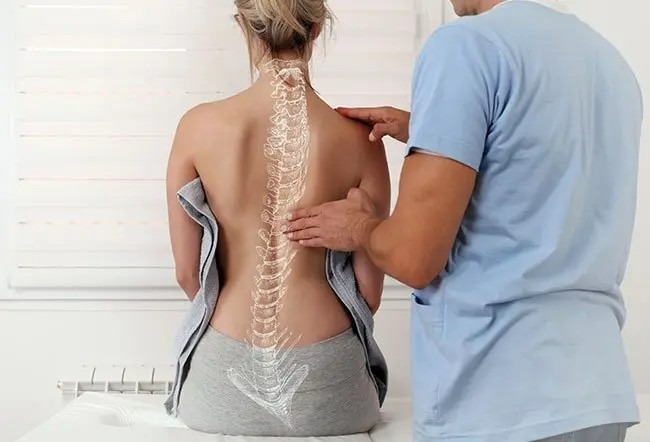
Your spine is a column of vertebrae with discs in between. Facet joints guide movement. Ligaments and muscles support and control each segment.
When a joint stops moving well, nearby tissues get overloaded. Muscles guard, discs bear uneven pressure, and nerves may get irritated. The result is pain, stiffness, or radiating symptoms.
Chiropractic adjustments help restore healthy motion to the right segments. Better motion improves load-sharing, reduces local irritation, and lets muscles relax and coordinate again.
Acute vs. Chronic Back Pain
- Acute pain
- New, usually under six weeks. It often follows a clear strain or activity change. With timely care and guidance, it typically improves.
- Subacute pain
- Lasts six to twelve weeks. It may need a more structured plan to resolve and prevent flares.
- Chronic pain
- Longer than twelve weeks. Tissues may have healed, but movement patterns or sensitivity keep the cycle going. Restoring motion, confidence, and gradual activity usually helps.
How Chiropractic Care at Kuns Chiropractic Helps
Chiropractic is a frontline, non-drug approach for spine pain. Our focus is precise assessment and hands-on care that restores motion and function. For many patients, this is the most direct way to address the root of mechanical back pain.
Your first visit. We start with a detailed history and exam. That includes orthopedic and neurologic checks, spinal motion assessment, and a movement screen. Imaging is considered only when it affects safety or decisions.
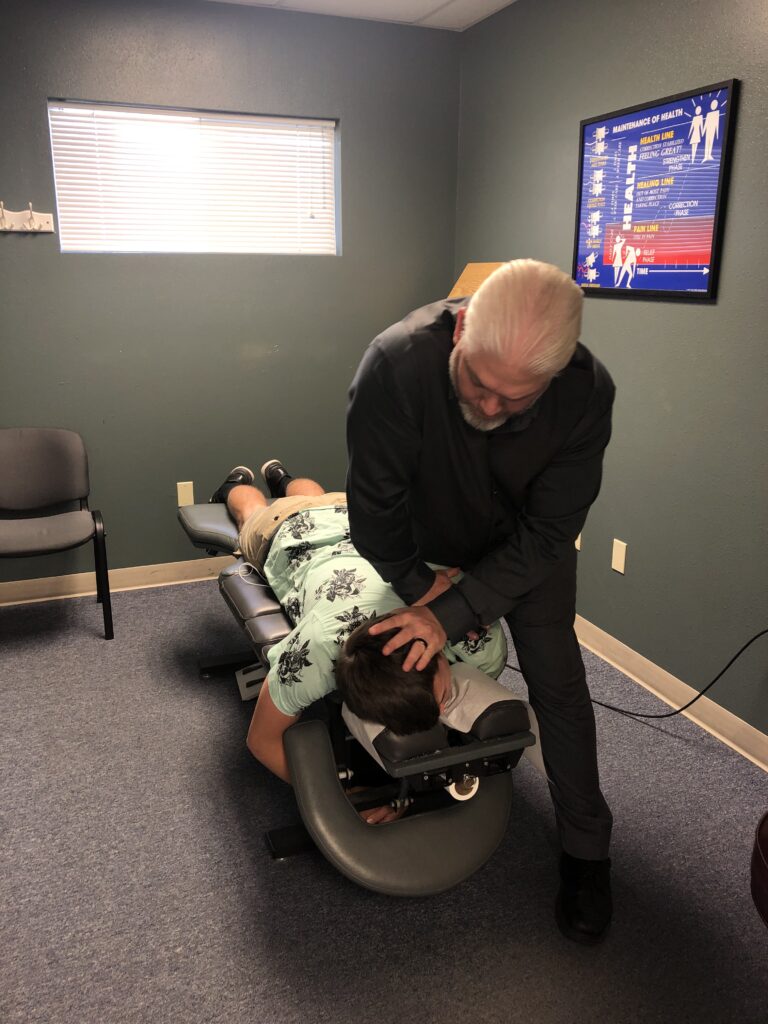
Chiropractic adjustments. Gentle, specific adjustments improve joint motion and alignment. That reduces local inflammation and nerve irritation and helps tight muscles release.
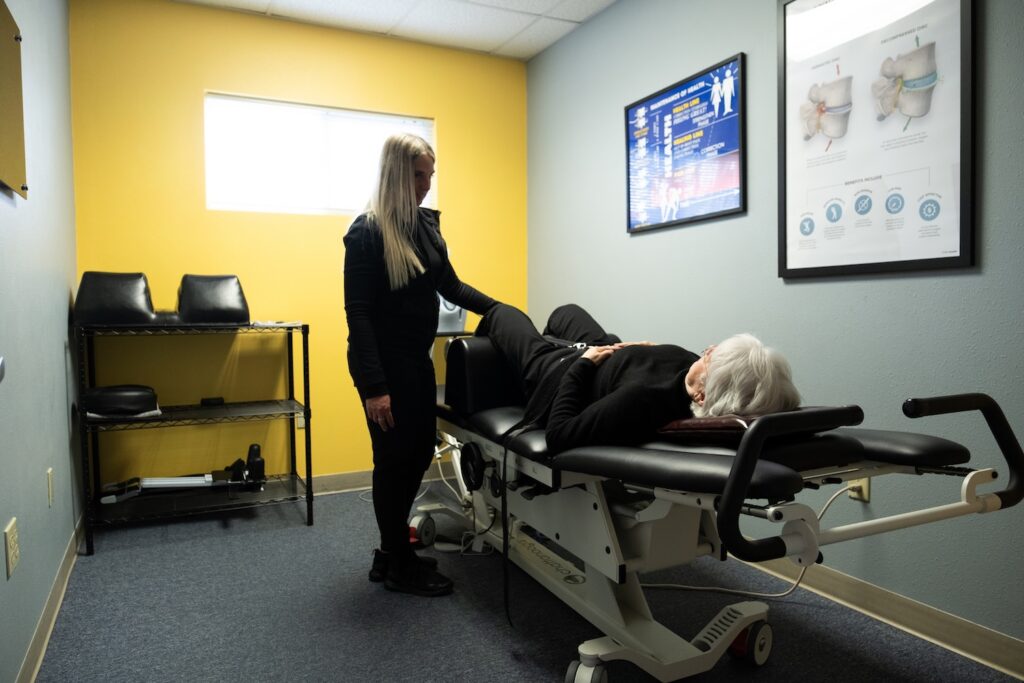
Targeted techniques. Depending on the type of back pain, we may use diversified adjustments, low-force or instrument-assisted methods, flexion-distraction for disc-related cases, and mobilization for sensitive segments. We also coach you on simple movement habits that reinforce your progress.
Condition-focused approach. For facet or SI joint pain, adjustments restore glide and balance. For disc-related pain or sciatica, we use positions and techniques that reduce nerve irritation and improve tolerance for sitting or bending. For thoracic and rib problems, we restore rib and mid-back motion to ease breathing and reaching.
Research and clinical guidelines support spinal manipulation as a first-line option for many types of back pain. The American College of Physicians includes spinal manipulation as a recommended initial non-drug therapy for low back pain, and global guidance echoes this conservative approach (ACP 2017; NICE NG59; WHO 2023). As chiropractors, spinal manipulation is our core expertise.
Practical Steps You Can Start Today
- Break up sitting and standing every 30–45 minutes. A quick walk or two spine-friendly stretches can reset stiffness.
- Hinge at your hips when lifting. Keep the load close, brace your midsection, and avoid twisting while carrying.
- Set up your workstation: screen at eye height, elbows near 90°, feet supported, and hips slightly higher than knees.
- Walk daily. Even 10–15 minutes supports circulation, mood, and spinal mobility.
- Sleep smart. Side-lying with a pillow between knees or back-lying with a pillow under knees keeps the spine more neutral.
- Warm up before yardwork or hiking. Gentle hip, hamstring, and thoracic motions prep the spine for activity.
When to See a Chiropractor in Gresham
- Pain lasts more than a few days or keeps returning, even after rest.
- You notice pain with certain motions like standing up, bending, or rolling in bed.
- Stiffness limits your day—driving, desk work, hiking, or sleep.
- Pain travels into the buttock or leg, or you feel tingling or numbness.
- You want a drug-free, hands-on assessment to find the mechanical source and fix it.
When Back Pain Needs Urgent Medical Attention
Chiropractic is not emergency care. Seek urgent medical evaluation if you have new bowel or bladder loss, numbness in the saddle region, or rapidly worsening leg weakness. These can signal serious nerve compression.
Also get medical care promptly for back pain with fever, unexplained weight loss, a history of cancer, major trauma, or pain that wakes you at night and does not change with movement. We coordinate referrals whenever these red flags appear.
Myths and Facts About Back Pain
- Myth: “The only fix is bed rest.” Fact: Short rest can help, but gentle movement usually speeds recovery. Too much rest can prolong stiffness.
- Myth: “Something is ‘out’ and can never go back.” Fact: Joints can lose normal motion and irritate tissues. Adjustments help restore that motion so you move and feel better.
- Myth: “If an X-ray looks bad, the pain must be severe.” Fact: Many people have age-related changes and no pain. How you move often matters more than what an image shows.
- Myth: “Manipulation is risky for discs.” Fact: When properly selected and applied, chiropractic techniques—including low-force and flexion-distraction—can be appropriate for disc-related pain. The key is a careful exam and individualized care.
A Local Note from Kuns Chiropractic
Our Gresham community is active. From the Mt. Hood corridor to neighborhood parks, we love seeing families moving well and without fear of a flare-up. If back pain is holding you back—on the trail, at your desk, or at home—our team is here to evaluate the cause and get you moving in the right direction.
FAQs
What is the most common cause of lower back pain?
Often it is a mechanical issue like a facet joint restriction or muscle strain. The exact source varies by person, which is why a focused chiropractic exam is so helpful.
How can I tell if my pain is from a disc or a muscle?
Disc-related pain often worsens with sitting and bending and may send symptoms down a leg. Muscle pain is usually localized and sore to touch. A chiropractor can test motion, nerves, and tension to pinpoint the source.
Is chiropractic care safe for a herniated disc?
For many patients, yes. We use techniques and positions that reduce nerve irritation, such as flexion-distraction or low-force methods, based on your exam. Safety starts with proper screening.
Can chiropractic help sciatica?
Often, yes—especially when the sciatica is due to irritated spinal joints or discs. The goal is to reduce nerve pressure, improve motion, and guide you back to comfortable activity.
Do I need X-rays before starting chiropractic?
Not usually. Imaging is used when red flags, trauma, or specific findings suggest it will change the plan. Most mechanical back pain is best addressed with an exam and movement-based care first.
How soon will I feel better with chiropractic?
Timelines vary by type of pain and how long it has been present. Many people notice early improvement, while longer-standing pain may take a more gradual plan. We set expectations based on your exam.
TL;DR
- Back pain comes in patterns—muscle, joint, disc, nerve, SI joint, or stenosis—and each points to a different approach.
- Chiropractic is a frontline, non-drug way to restore motion, reduce irritation, and help you move with confidence.
- Small daily habits—breaks from sitting, hip hinging, and brief walks—protect your spine.
- See a chiropractor if pain lingers, limits movement, or travels into a leg; seek urgent medical care for red flags.
- Here in Gresham, Kuns Chiropractic is ready to assess your back pain and guide a clear, personalized plan.