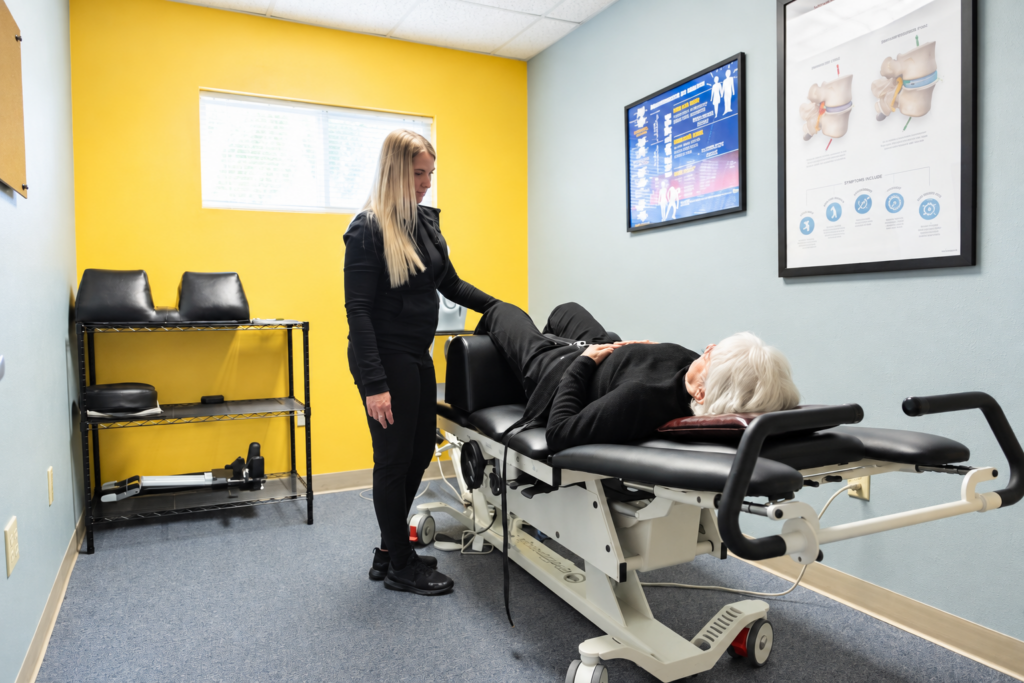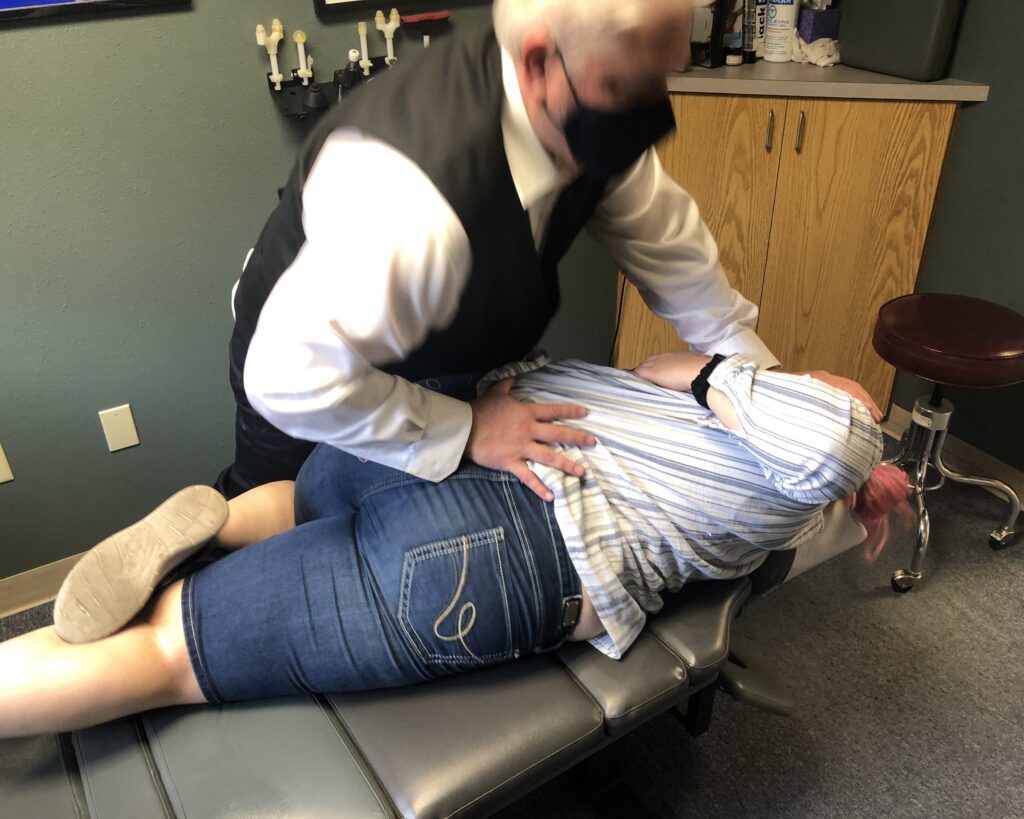

As a local chiropractor, I often see how vital posture is to your overall health. Many people may not realize that improper alignment can place significant strain on your spine and the surrounding muscles, which can lead to discomfort or even chronic back pain. Throughout our daily routines, we may unknowingly adopt habits that contribute to this misalignment. Understanding these habits is crucial for finding relief and promoting a healthier spine. So, what common mistakes might you be making that could negatively impact your back? Let’s delve deeper into the important relationship between posture and pain, and how chiropractic care can help restore balance and well-being.
Understanding Posture and Its Importance
As a local chiropractor, I want to emphasize the critical role posture plays in your overall health and well-being. Maintaining good posture isn’t just about standing up straight; it’s about allowing your body to function efficiently. When your posture is aligned correctly, it reduces unnecessary strain on your muscles and ligaments, which can prevent discomfort and pain, especially in your back.
Many people underestimate the impact of slouching or hunching over, but these habits can lead to a range of issues over time. That’s why it’s essential to stay mindful of your body’s alignment throughout the day.
Proper posture supports the natural curves of your spine and helps distribute weight evenly across your body. This balance is crucial because it protects your joints and muscles from undue stress, enabling you to move with greater freedom and comfort.
Additionally, good posture can enhance your confidence and even elevate your mood, which are important aspects of your overall health.
The Anatomy of the Spine
As your local chiropractor, I want to take a moment to highlight the importance of your spine, which serves as the body’s central support structure. Understanding how it works can significantly improve your overall health.
The spine is made up of 33 vertebrae arranged in a column, providing both flexibility and strength. These vertebrae are organized into five distinct regions: cervical, thoracic, lumbar, sacral, and coccygeal. The cervical region supports your neck, while the thoracic and lumbar regions are crucial for protecting vital organs and offering support for your lower back.
Between each vertebra, you’ll find intervertebral discs that act as shock absorbers. They not only allow for movement but also cushion impacts during daily activities. The ligaments and muscles surrounding your spine work together to provide stability and facilitate motion, ensuring you can go about your day comfortably.
Additionally, nerves branching from the spinal cord transmit signals throughout your body, affecting everything from movement to sensation. By understanding this anatomy, you can better appreciate the importance of maintaining a healthy spine.
It plays a key role in your posture and overall well-being. At our chiropractic practice, we focus on natural healing methods that prioritize spinal health. Taking care of your spine can lead to improved mobility, reduced pain, and enhanced quality of life.
If you have any questions or would like to learn more about how chiropractic care can benefit you, I’m here to help!
How Poor Posture Affects Spinal Alignment
As a local chiropractor, I want to emphasize the significant impact that poor posture can have on your spine’s natural curvature.
When we slouch or adopt improper positions, it can lead to misalignments in the spine. These misalignments often result in muscle imbalances, which can cause you pain and discomfort in various areas of your body.
Understanding how poor posture affects your spine is crucial for your health. By recognizing these effects, you can take proactive steps to improve your posture, which in turn promotes better spinal health.
Impact on Spine Curvature
As your local chiropractor, I want to help you understand how important proper posture is for maintaining a healthy spine. When you slouch or hunch over, it can really throw off the natural curvature of your spine. This misalignment can lead to discomfort and pain, particularly in the cervical, thoracic, and lumbar regions.
When these areas are misaligned, it puts extra pressure on your vertebrae and the surrounding tissues, which can lead to chronic pain, stiffness, and reduced mobility over time. You may notice changes in your body, such as your shoulders rounding forward or your lower back flattening.
These postural changes disrupt the spine’s ability to support your body effectively. That’s why it’s crucial to be mindful of your posture throughout the day. By maintaining proper alignment, you can help your spine function as it should.
Taking care of your posture is a proactive way to prevent misalignments and the pain that can come with them. At our chiropractic practice, we focus on natural healing methods to promote better spinal health.
Together, we can work towards keeping your spine aligned and functioning optimally, allowing you to enjoy a more comfortable and active lifestyle.
Muscle Imbalance Consequences
As a local chiropractor, I want to help you understand how improper posture can lead to muscle imbalances, which can cause significant issues with your spinal alignment.
When you maintain poor posture over time, certain muscles can become tight while others weaken. This imbalance makes it challenging for your body to maintain a neutral position, which can pull your spine out of alignment and lead to discomfort and stiffness.
For example, tight hip flexors can tilt your pelvis forward, while weak abdominal muscles may not provide the support your spine needs. Over time, these misalignments can result in chronic pain and may even limit your mobility.
The good news is that we can address these imbalances together. By incorporating specific exercises designed to strengthen weak muscles and stretch tight ones, we can help restore proper alignment and alleviate any pain you may be experiencing.
It’s important to be mindful of your posture and consider incorporating both strength and flexibility training into your routine.
This proactive approach can significantly improve your spinal health and enhance your overall well-being. If you have any questions or would like more information about how chiropractic care can support you, feel free to reach out!
Common Posture Mistakes in Daily Life
As a local chiropractor, I’ve seen many patients who unknowingly adopt poor posture habits in their daily lives, leading to significant discomfort and pain. One of the most common issues I encounter is slouching while sitting at work. This position places unnecessary strain on your back, which can lead to chronic pain over time.
Similarly, many people tend to crane their necks forward when looking at their phones or computers, resulting in tension in the upper back and neck.
When it comes to standing, I often notice individuals locking their knees, which can disrupt their alignment and contribute to discomfort. Carrying a heavy bag on one shoulder is another common mistake; it creates muscle imbalances that can lead to pain.
Additionally, crossing your legs while sitting can have negative effects on your hips and spine that you may not even be aware of.
The first step toward improving your posture is becoming aware of these habits. By making small adjustments, you can significantly reduce the risk of back pain and enhance your overall comfort throughout the day.
The Link Between Posture and Muscle Tension
As a local chiropractor, I want to take a moment to discuss the significant impact of posture on your overall muscle tension and well-being. Many people may not realize that poor posture can lead to various discomforts throughout the body.
When you slouch or sit in an improper position, certain muscles can become overworked while others may weaken. This imbalance not only leads to discomfort but can also result in ongoing pain.
Here are some of the ways poor posture affects muscle tension:
- It can increase strain on your neck and shoulders, leading to chronic discomfort.
- You may experience tightness in your lower back and hips, which can hinder your daily activities.
- Poor posture can reduce flexibility in the muscles that are affected, making it harder to move freely.
- You might feel heightened fatigue due to the overuse of certain muscle groups, which can drain your energy.
- Additionally, this imbalance raises the risk of injuries, as the body struggles to compensate for weakened muscles.
Understanding these effects is the first step towards improving your posture and alleviating muscle tension.
The Role of Ergonomics in Posture
As a local chiropractor, I want to emphasize the critical role that ergonomics plays in your overall posture and well-being. Many people aren’t aware that the way their workspace is set up can significantly affect their spinal health. By understanding and applying ergonomic principles, you can create a workstation that supports your body, reducing strain and enhancing comfort.
Start by adjusting your chair to provide proper support for your lower back. It’s important to keep your feet flat on the floor to maintain a stable base. Your computer screen should be positioned at eye level; this prevents unnecessary strain on your neck, which is key in avoiding discomfort.
Additionally, pay attention to the placement of your keyboard and mouse. They should be set at a height that allows your elbows to rest comfortably at a 90-degree angle.
If you find yourself sitting for extended periods, make it a habit to take regular breaks to stand, stretch, and move around. These small adjustments to your routine can lead to significant improvements in how you feel throughout the day.
By prioritizing ergonomics, you’re not just enhancing your work experience; you’re also taking essential steps to prevent back pain and maintain good posture over time.
Identifying Symptoms of Poor Posture
As a local chiropractor, it’s important for me to help you understand how your posture can impact your overall health. Many people don’t realize that poor posture can lead to a range of symptoms, indicating that it may be time to reevaluate how you carry yourself throughout the day.
Here are some common signs that your posture might be affecting your health:
- Chronic back or neck pain: If you’re experiencing persistent discomfort in these areas, it could be a result of poor posture.
- Fatigue: Feeling tired or drained, even after a full night’s sleep, can be linked to the strain poor posture puts on your body.
- Difficulty concentrating: If you notice a decrease in productivity or trouble focusing, it may be time to consider how your posture is affecting your mental clarity.
- Frequent headaches or migraines: These can often stem from tension in the neck and shoulders due to misalignment.
- Visible changes: Look out for a noticeable curvature in your spine or rounded shoulders; these physical signs are strong indicators of posture-related issues.
If you recognize any of these symptoms in yourself, it’s crucial to address your posture. Not only can poor posture lead to physical discomfort, but it can also impact your mental health and well-being.
By being mindful of your body and its signals, you can take proactive steps toward improving your posture and preventing more serious problems down the line. As your chiropractor, I’m here to guide you on your journey to better posture and overall health.
Let’s work together to create a healthier, pain-free you!
Tips for Improving Posture
As a local chiropractor, I want to emphasize the importance of maintaining good posture for your overall health and well-being. One of the first steps you can take is to set up an ergonomic workspace that aligns with your body’s natural posture. This means ensuring your desk, chair, and computer are positioned to support your spine and prevent strain.
Additionally, strengthening your core muscles is crucial. A strong core provides stability and support, helping you maintain proper posture throughout the day. I encourage you to incorporate exercises that focus on your abdominal and back muscles into your routine.
Let’s delve into these practical tips together, so you can stand tall, feel more comfortable, and improve your overall posture.
Ergonomic Workspace Setup
As a local chiropractor, I want to emphasize the importance of creating an ergonomic workspace to enhance your posture and alleviate back pain. Many patients come to me seeking relief, and often, a few adjustments in your workspace can make a significant difference.
Here are some essential tips to help you set up your environment in a way that promotes natural healing and comfort:
- Chair Height: Adjust your chair so that your feet rest flat on the floor, with your knees forming a 90-degree angle. This position helps prevent strain on your lower back.
- Monitor Position: Ensure your monitor is at eye level, ideally about an arm’s length away. This alignment reduces neck strain and promotes a more natural head position.
- Keyboard Angle: Your keyboard should be at elbow height, allowing your wrists to remain straight while typing. This reduces the risk of repetitive strain injuries.
- Back Support: Choose a chair that offers good lumbar support to help maintain the natural curve of your spine. Proper support can significantly reduce discomfort while sitting for extended periods.
- Frequent Breaks: It’s crucial to take short breaks every hour to stand, stretch, and move around. This practice helps keep your muscles engaged and reduces stiffness.
By implementing these ergonomic principles, you can create a healthier work environment that supports your overall well-being.
If you have any questions about improving your workspace or how chiropractic care can assist in your healing journey, don’t hesitate to reach out!
Strengthening Core Muscles
As a local chiropractor, I want to emphasize the importance of an ergonomic workspace in promoting good posture. However, it’s equally vital to strengthen your core muscles to maintain that posture throughout the day. A strong core acts as a natural support system for your spine, helping to keep you aligned and reducing strain on your back.
I encourage you to incorporate exercises such as planks, bridges, and abdominal crunches into your routine to build core strength. Aim for at least three sessions per week, and remember that focusing on proper form is essential for maximizing the benefits of these exercises.
Additionally, try to engage your core during daily activities, whether you’re sitting at your desk or standing in line. Don’t forget to take regular breaks to stretch and reset your posture, as this can significantly impact your overall well-being.
By strengthening your core, you not only enhance your posture but also improve your overall stability, which can help reduce the risk of back pain.
If you have any questions or need guidance on exercises that suit your individual needs, don’t hesitate to reach out. Your journey to better health and wellness starts here!
Exercises to Strengthen Posture
As a local chiropractor, I often see patients who struggle with poor posture, which can lead to discomfort and pain. The good news is that incorporating specific exercises into your daily routine can significantly improve your posture and overall well-being.
By targeting essential muscle groups, you can enhance your alignment and alleviate strain on your back. Here are some effective exercises I recommend:
- Wall Angels: Stand against a wall with your arms bent at a 90-degree angle. As you slide your arms up and down, keep your back pressed flat against the wall. This movement helps to open up your shoulders and improve mobility.
- Chest Opener Stretch: Clasp your hands behind your back and gently pull your shoulders back to stretch your chest. This exercise helps counteract the forward hunch that many of us develop from sitting or using our phones.
- Plank: Strengthening your core and back is crucial for good posture. Hold a plank position for 20-30 seconds, ensuring your body forms a straight line from head to heels. This exercise engages multiple muscle groups, supporting your spine.
- Seated Rows: Using resistance bands, mimic the motion of rowing to engage your upper back muscles. This exercise is great for improving posture by strengthening the muscles that pull your shoulders back.
- Bird-Dog: Start in a tabletop position and extend one arm and the opposite leg. This exercise enhances balance and stability while engaging your core.
By incorporating these movements into your routine regularly, you can build a stronger, healthier posture.
Remember, maintaining good posture isn’t just about looking better; it’s essential for your overall health and can help prevent future discomfort.
If you have any questions or need personalized guidance, feel free to reach out to me!
When to Seek Professional Help
As a local chiropractor, I want to emphasize the importance of listening to your body. If you’re dealing with persistent pain that lasts more than a few days, it’s crucial to consider reaching out for professional help. This could be a sign that your body is trying to communicate that something isn’t quite right.
Additionally, if you find that your mobility is limited, this could indicate an underlying issue that shouldn’t be overlooked. Addressing these concerns early on can be key to preventing more serious complications down the line.
Chiropractic care focuses on natural healing and can help restore your body’s balance, improve function, and get you back to enjoying your daily activities. Don’t hesitate to seek guidance; we’re here to support your journey to wellness.
Persistent Pain Duration
As a local chiropractor, I understand that recognizing when to seek professional help for persistent back pain can be a bit overwhelming, especially since many individuals believe their discomfort will eventually go away on its own.
However, if your pain has been lingering for more than a few weeks, it’s definitely time to consider reaching out for support.
Here are some key signs to watch for:
- If your pain worsens or fails to improve with rest, it’s a clear indicator that something may need to be addressed.
- Any discomfort that radiates down your legs or into other areas of your body shouldn’t be ignored.
- Struggling to get a good night’s sleep because of your pain is another important sign that professional help is warranted.
- Experiencing numbness, tingling, or weakness in your arms or legs is a signal that your body is asking for attention.
- If your pain is accompanied by unexplained weight loss or fever, it’s crucial to seek medical advice promptly.
If you notice any of these symptoms, please don’t hesitate to reach out to a healthcare professional, like myself.
Early intervention through chiropractic care can lead to better outcomes and help you avoid long-term complications.
Limited Mobility Issues
As a local chiropractor, I want to talk to you about the importance of addressing limited mobility, especially if you’re experiencing discomfort from back pain. Many people don’t realize that restricted movement can indicate underlying health issues that could worsen over time if not properly addressed.
If you find yourself struggling with everyday activities like bending, walking, or sitting, it’s crucial to seek professional help.
In my practice, I often see patients who report symptoms like numbness, tingling, or weakness in their legs. These signs can suggest nerve involvement, and it’s important to act on them quickly. Ignoring these symptoms can lead to chronic pain or even permanent damage.
Chiropractic care offers a natural and holistic approach to restoring your mobility. We focus on identifying the root cause of your discomfort and developing a personalized treatment plan that may include spinal adjustments, lifestyle advice, and exercises tailored to your needs.
Conclusion
As a local chiropractor, I want to emphasize how poor posture can significantly affect your back health. It’s crucial to understand the importance of proper spinal alignment and to be aware of common posture mistakes that many people make. By making a conscious effort to improve your posture and incorporating specific exercises into your daily routine, you can alleviate discomfort and promote overall well-being. Remember, maintaining a healthy spine is vital for a pain-free life. If you’re still experiencing issues despite your best efforts, please don’t hesitate to reach out to me for professional guidance. Together, we can work towards achieving a healthier, more balanced you!