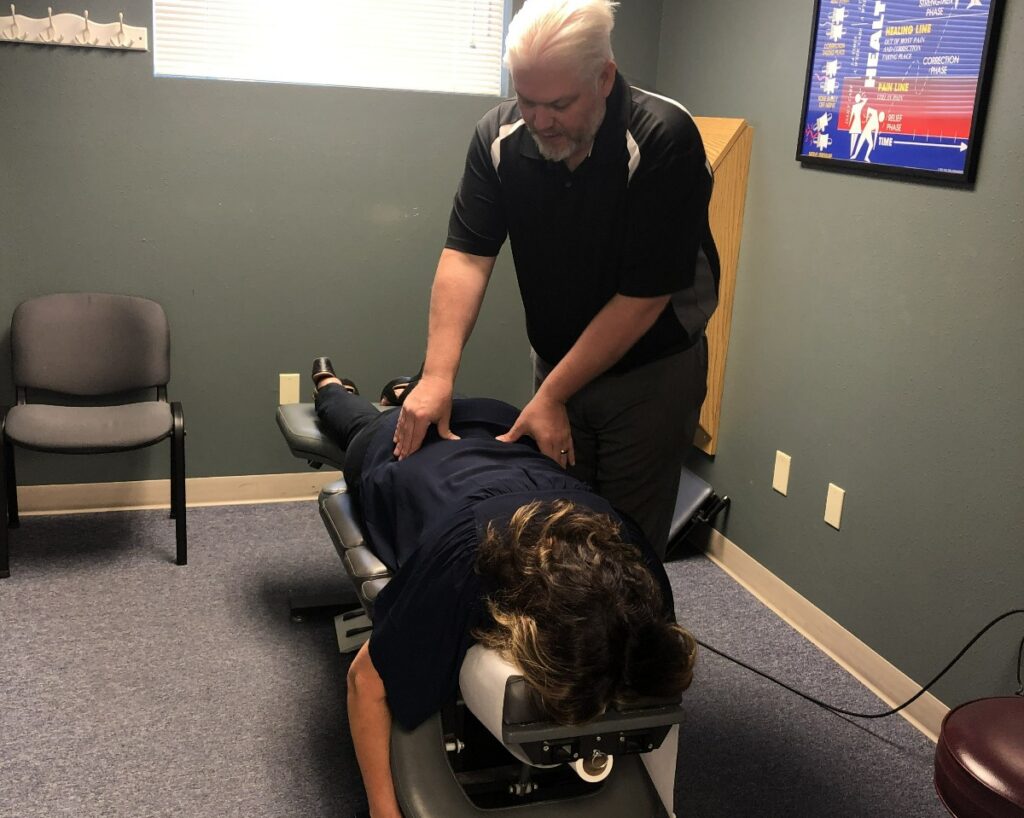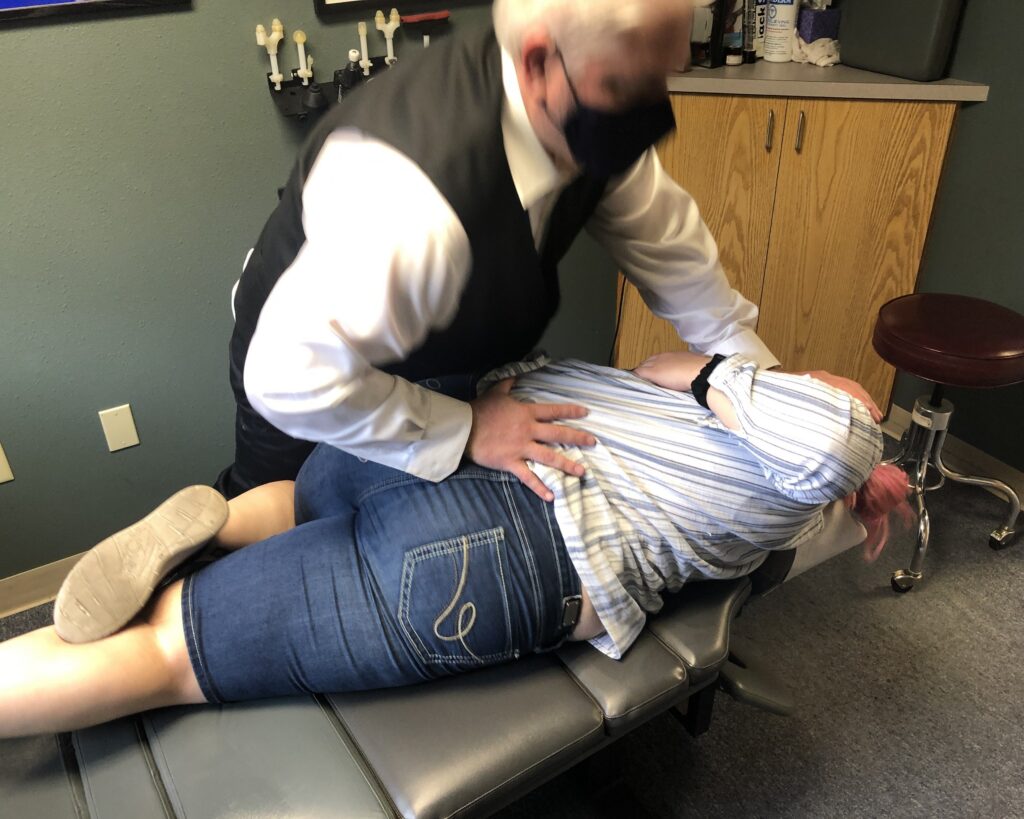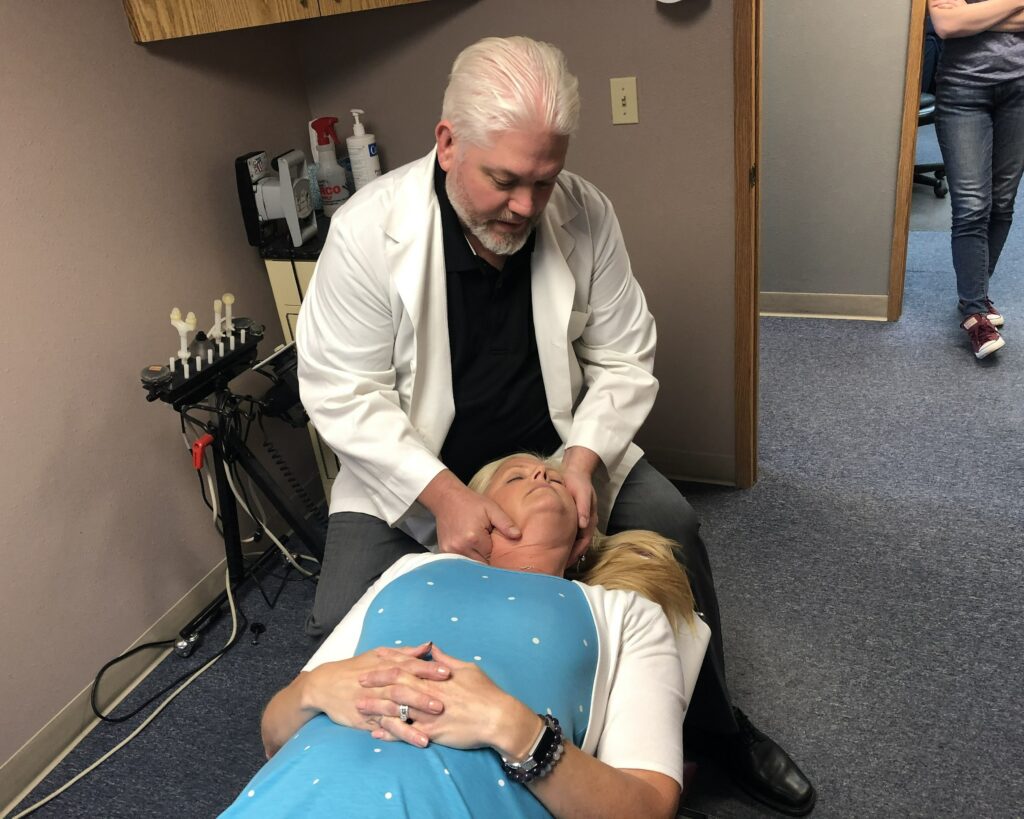

As a local chiropractor, I want to share some valuable insights about how your posture can impact your back health. Many people don’t realize that the way you sit, stand, and move can contribute significantly to back pain. By taking a closer look at your body’s alignment and making some straightforward adjustments, you can begin to relieve discomfort and improve your overall well-being.
Incorporating ergonomic practices into your daily routine, along with specific exercises tailored to strengthen your back, can lead to remarkable changes. My goal is to help you discover effective strategies that promote a healthier posture and contribute to a pain-free life. Are you ready to learn how to transform your sitting and standing habits for the better? Let’s embark on this journey to better back health together!
Understanding the Connection Between Posture and Back Pain
As your local chiropractor, I want to emphasize how important posture is for your overall well-being. When you sit or stand with poor posture, you’re not just making yourself uncomfortable; you’re placing unnecessary strain on your back. Slouching or leaning forward can lead to muscle fatigue, tension, and eventually pain.
Your spine is designed with natural curves to evenly distribute weight, and when that alignment is compromised, discomfort is inevitable.
Many of my patients notice that spending long periods in a slumped position can lead to tightness in the muscles surrounding their back. This can result in stiffness and reduced mobility, affecting your ability to perform daily activities.
Even simple tasks can become challenging when your body isn’t aligned properly.
I encourage you to pay attention to your posture, as it plays a vital role in maintaining a healthy spine. By making small adjustments to how you sit and stand, you can help alleviate some of that strain and improve your overall quality of life.
If you’re experiencing discomfort, I invite you to explore chiropractic care as a natural way to restore proper alignment and enhance your well-being.
Assessing Your Current Posture
As a local chiropractor dedicated to your well-being, I want to emphasize the importance of evaluating your current posture in order to prevent and alleviate back pain.
Many individuals are unaware of common mistakes they might be making that could be contributing to their discomfort. By identifying these issues, you can take proactive steps towards improving your posture, which won’t only enhance your comfort but also promote your overall health.
Let’s explore how making small adjustments can lead to significant benefits for your body and mind.
Importance of Good Posture
As a chiropractor, I want to emphasize the critical role good posture plays in your overall health. Many people may not realize that maintaining proper alignment isn’t just about looking good; it significantly impacts your physical well-being.
When you practice good posture, whether sitting or standing, your muscles and joints work more efficiently, which can alleviate common issues like back pain. Proper alignment reduces unnecessary strain on your body, helping to prevent discomfort and fatigue. This allows you to focus better and stay productive throughout your day.
Moreover, good posture enhances your circulation and digestion, two vital components of your health that are often overlooked. Being mindful of your posture not only benefits your physical health but also boosts your confidence and self-esteem.
When you carry yourself well, you project a more positive image to those around you. I encourage you to take a moment to assess your posture and consider making adjustments. Taking these small steps can lead to significant improvements in your health and well-being, making good posture an essential part of your daily routine.
If you have questions about how chiropractic care can support your journey to better posture, feel free to ask!
Common Posture Mistakes
As a local chiropractor, I often see patients who are unaware of common posture mistakes that can contribute to discomfort and pain in their daily lives. Understanding these errors is essential for improving your posture and alleviating back issues.
Let’s explore some of the most frequent mistakes you might want to assess in your daily routine:
- Slouching: Many people tend to lean forward while sitting or standing, which compresses the spine and can lead to chronic pain. I encourage you to be mindful of your posture and sit or stand tall to maintain spinal alignment.
- Crossing Legs: While it may feel comfortable, crossing your legs can misalign your hips and put strain on your lower back. Try to keep your feet flat on the ground or use a footrest to promote proper alignment.
- Looking Down at Devices: It’s common to tilt your head forward when using phones or computers, which increases strain on your neck. Instead, elevate your devices to eye level to keep your neck aligned and reduce tension.
- Prolonged Sitting: Sitting for extended periods can lead to muscle stiffness and discomfort. I recommend taking breaks to stand, stretch, or walk around every hour to keep your muscles engaged and promote better circulation.
By being aware of these common posture mistakes, you can take proactive steps towards improving your posture and overall well-being.
If you have any questions or need personalized advice, don’t hesitate to reach out for a consultation. Your journey to better posture and pain relief starts here!
Ergonomic Workspace Setup
As a local chiropractor, I want to emphasize the importance of creating an ergonomic workspace setup for your overall health, particularly in reducing back pain and enhancing productivity. Many of my patients are unaware of how simple adjustments in their work environment can lead to significant improvements in their comfort and well-being.
Start with your chair: it should provide adequate support for your lower back. Ensure that your feet are flat on the floor or on a footrest, and that your knees are at hip level or slightly lower. This positioning is crucial for maintaining a healthy spine.
Next, focus on your desk or work surface. Your elbows should remain at a 90-degree angle while typing, which can help prevent strain on your shoulders and neck. If you’re using a monitor, it’s best to place it at eye level and about an arm’s length away. This setup will help you avoid unnecessary neck strain.
If you’re working on a laptop, I recommend using an external keyboard and mouse to achieve better alignment.
Lighting in your workspace is also key; ensure that your area is well-lit to minimize eye strain.
Additionally, make it a habit to take regular breaks. Stand up, stretch, and move around to promote circulation and relieve tension, especially in your back.
By making these ergonomic adjustments, you can create a workspace that not only supports good posture but also contributes to your overall health.
If you have any questions or need personalized advice, please feel free to reach out. Your well-being is my priority!
The Importance of Proper Sitting Techniques
As a local chiropractor, I want to emphasize the importance of proper sitting techniques for your back health. Many people underestimate how much our sitting posture can impact our overall well-being.
Utilizing an ergonomic chair is a significant step towards maintaining good spinal alignment and reducing discomfort. It’s not merely about being comfortable; the way you position your feet plays a crucial role in your posture and stability.
When you adjust your sitting setup, you not only alleviate potential pain but also foster better alignment throughout your spine. Prioritizing these simple adjustments can lead to long-term benefits for your back health and overall quality of life.
Ergonomic Chair Benefits
As a local chiropractor, I often emphasize the importance of proper seating for maintaining optimal back health. One of the most effective tools for achieving this is an ergonomic chair.
These chairs are specifically designed to support your body and promote good posture, which can significantly reduce discomfort. Let me share four key benefits of ergonomic chairs that can positively impact your health:
- Lumbar Support: Ergonomic chairs come equipped with built-in lumbar support that helps maintain the natural curve of your spine. This support is crucial in minimizing strain on your back, which can help prevent issues that I frequently encounter in my practice.
- Adjustability: One of the standout features of ergonomic chairs is their adjustability. You can modify the height, armrests, and backrest to create a personalized fit for your body. This customization is vital, as everyone has different body types and needs.
- Improved Circulation: A well-designed chair promotes better blood circulation, which is essential for reducing fatigue during those long hours of sitting. Proper circulation can enhance your overall energy levels and contribute to a healthier lifestyle.
- Enhanced Focus: When you experience less pain and discomfort, it’s easier to concentrate on your tasks. This increased focus can lead to higher productivity, whether you’re working from home or in an office setting.
Investing in an ergonomic chair isn’t just a purchase; it’s a proactive step toward better back health and overall well-being.
As you consider your seating options, remember that your spine deserves the best support possible.
Feet Positioning Importance
As a local chiropractor, I want to emphasize the often-overlooked importance of foot positioning in maintaining your overall health. You mightn’t realize it, but where you place your feet while sitting can significantly impact your posture and contribute to back pain.
Ideally, your feet should rest flat on the floor or on a footrest, with your knees forming a right angle. This alignment not only helps distribute your weight evenly but also provides crucial support to your lower back.
It’s essential to avoid crossing your legs or tucking your feet under your chair, as these positions can lead to unnecessary strain and discomfort over time. I encourage you to be mindful of your foot positioning and to shift your weight occasionally.
Taking breaks to stand up and stretch can also make a world of difference. By focusing on how you position your feet, you can create a solid foundation for your body, which enhances your overall posture and helps you maintain comfort throughout the day.
Standing Posture: Tips for Alignment
As a local chiropractor, I want to emphasize the importance of good posture in preventing back pain, especially if you find yourself standing for extended periods. Proper alignment not only enhances your comfort but also minimizes strain on your back.
Here are some straightforward tips to help you improve your standing posture:
- Feet Placement: Start by positioning your feet shoulder-width apart. This helps distribute your weight evenly across both legs, providing a stable base.
- Knees: Instead of locking your knees, allow them to bend slightly. This small adjustment helps absorb shock and alleviates pressure on your spine.
- Hips: It’s crucial to align your hips with your shoulders. Avoid jutting your hips out or leaning forward, as this can disrupt your body’s natural alignment.
- Head Position: Maintain a level head with your chin tucked in. Ideally, your ears should be aligned over your shoulders, which fosters a neutral spine position.
By implementing these tips, you can cultivate better posture, which is a key aspect of natural healing and overall well-being.
If you have any questions or would like to learn more about how chiropractic care can assist you, feel free to reach out!
Lifting Techniques to Protect Your Back
As a local chiropractor, I often emphasize the importance of using proper lifting techniques to protect your back.
When you lift, it’s crucial to employ the correct squat technique to reduce strain on your spine. Engaging your leg muscles and keeping the load close to your body can significantly improve your balance and support during the lift.
By adhering to these practices, not only can you safeguard your back, but you also enhance your overall body mechanics, promoting natural healing and wellness.
Proper Squat Technique
As a local chiropractor, I want to emphasize the importance of mastering proper squat technique to protect your back and minimize your risk of injury. Many people may not realize how crucial this is for overall spinal health.
Here are some essential steps to ensure you’re squatting safely and effectively:
- Feet Position: Start with your feet shoulder-width apart, and slightly point your toes outward. This helps create a stable base and supports your joints during the movement.
- Engage Your Core: It’s important to tighten your abdominal muscles. This engagement provides support for your spine, helping to maintain its natural alignment as you move.
- Knees Over Toes: When you lower your body, ensure that your knees are tracking in line with your toes. Avoid letting them extend past your toes, as this can place undue stress on your knees and lower back.
- Maintain a Neutral Spine: Keep your back straight and your chest up. Focus on avoiding any rounding of your shoulders or back. A neutral spine is key to preventing injuries and ensuring your body functions optimally.
By following these guidelines, you not only enhance your squat technique but also contribute to your overall health and well-being.
Use Your Legs
As a local chiropractor, I want to emphasize the importance of proper lifting techniques for maintaining a healthy back. Many people aren’t aware that using your legs instead of your back when lifting heavy objects can significantly reduce the risk of injury.
When you need to lift something heavy, start by bending your knees and positioning your feet shoulder-width apart. This stance not only helps you balance but also engages your core muscles, providing essential stability. By doing this, your legs will take on most of the work, alleviating strain from your spine.
As you prepare to lift, focus on pushing through your heels and straightening your legs while keeping your back straight. It’s crucial to avoid twisting your body while carrying a load; instead, pivot with your feet to maintain alignment and minimize stress on your back.
Remember, by using your legs properly, you’re not only protecting your back but also fostering a stronger, healthier spine. Practicing these techniques can lead to greater safety and well-being, which is a core principle of chiropractic care.
Let’s work together to keep your back healthy and strong!
Keep Load Close
As your local chiropractor, I want to share some important tips on how to lift safely and prevent back pain. One of the fundamental principles I teach my patients is to keep the load close to your body. When you hold an object too far away, your back has to compensate, making it work harder and increasing the risk of injury.
Here are some key techniques to incorporate into your daily lifting:
- Bend at the knees: This technique allows your strong leg muscles to handle the heavy lifting, rather than straining your back.
- Engage your core: A strong core is vital for providing stability and support while lifting, helping to protect your spine.
- Hold the load close: Always position the object as close to your body as possible when lifting. This reduces the strain on your back and helps maintain proper posture.
- Avoid twisting: Instead of twisting at the waist, turn your entire body. This keeps your spine aligned and minimizes the risk of injury.
Remember, practicing these techniques not only helps prevent back pain but also promotes overall spinal health.
If you have any questions or need personalized advice, feel free to reach out during your next visit!
Stretching and Strengthening Exercises
As a local chiropractor, I want to share with you some effective ways to alleviate back pain through natural healing methods, particularly stretching and strengthening exercises. These practices can play a crucial role in improving your overall back health.
Stretching is vital for enhancing flexibility and relieving muscle tension. Gentle stretches, such as the cat-cow stretch or child’s pose, are excellent starting points. I recommend holding each stretch for 15-30 seconds while focusing on your breathing. This not only helps to ease discomfort but also promotes relaxation.
In addition to stretching, incorporating strengthening exercises is essential for building the core and back muscles that support your spine. Exercises like planks and bridges are particularly beneficial, as they engage both your core and lower back effectively. For best results, aim for two to three sets of 10-15 repetitions of each exercise.
Consistency is critical in your healing journey. I encourage you to incorporate these exercises into your routine at least three times a week. As you become more comfortable, you can gradually increase the intensity or duration of your workouts. However, always listen to your body and refrain from pushing through any pain.
With time and commitment to these exercises, you should notice improvements in flexibility, strength, and a significant reduction in back pain.
The Role of Supportive Footwear
As a local chiropractor, I often see patients who underestimate the significant role that footwear plays in their overall spinal health.
Many people are surprised to learn that wearing supportive shoes can greatly alleviate back pain and contribute to better posture. The right pair of shoes offers essential stability, cushioning, and alignment, which can help prevent unnecessary strain on your back.
Here are some important features to consider when selecting supportive footwear:
- Arch Support: Look for shoes with proper arch support. This feature is crucial for maintaining your foot’s natural alignment, which in turn reduces stress on your spine.
- Cushioning: Ensure your shoes have adequate cushioning. This helps absorb shock with every step, making it easier on your back and reducing the risk of injury.
- Heel Height: Opt for shoes with a moderate heel height. This encourages a natural posture. Shoes that are too high or too flat can disrupt your balance and lead to discomfort.
- Fit: It’s vital to wear shoes that fit well. Ill-fitting footwear can lead to discomfort, which may contribute to poor posture and exacerbate back pain.
By choosing the right supportive footwear, you can take a proactive step toward improving your spinal health and overall well-being.
If you’re experiencing back pain or discomfort, don’t hesitate to reach out for more personalized advice on how to enhance your foot support through proper footwear.
Mindfulness and Posture Awareness
As a local chiropractor, I want to emphasize the importance of being mindful of your body’s posture throughout the day. Many of my patients have found that practicing mindfulness not only enhances their awareness of how they hold themselves, but also significantly improves their posture and alleviates back pain.
To begin, it’s helpful to regularly check in with yourself. Pay attention to how you’re sitting, standing, or moving. Are your shoulders rounded? Is your back curved? Recognizing these common habits can inspire you to make necessary adjustments for better alignment.
Incorporating mindfulness into your daily routine can be incredibly beneficial. Take a moment to breathe deeply and focus on your posture.
While sitting at your desk, ensure your chair provides adequate support for your lower back, and keep your feet flat on the floor. Simple reminders, such as sticky notes placed around your workspace, can serve as prompts to help you maintain good posture throughout the day.
Creating a Sustainable Posture Improvement Plan
As a local chiropractor, I want to emphasize the importance of mindfulness and awareness when it comes to your posture, as these are crucial elements in creating a sustainable posture improvement plan.
Adopting a structured approach can significantly alleviate back pain and enhance your overall well-being. Here’s how you can get started on this journey:
- Set Clear Goals: Begin by identifying your specific objectives. Whether it’s sitting comfortably for extended periods or achieving better alignment while standing, having clarity on your goals is essential for success.
- Incorporate Daily Reminders: To help you stay mindful of your posture, consider using alarms on your phone or placing sticky notes in your environment. These reminders will prompt you to check in with your posture throughout the day.
- Practice Posture Exercises: It’s beneficial to carve out time each day to engage in exercises that strengthen your core and back muscles. These exercises are essential for promoting better posture and can be a key component of your healing process.
- Evaluate Progress Regularly: I recommend taking time each week to assess how your posture is improving. This self-evaluation will allow you to make any necessary adjustments to your plan, ensuring you stay on track towards achieving your posture goals.
By following these steps, you can take proactive measures towards improving your posture, ultimately leading to a more comfortable and pain-free life.
Conclusion
As your local chiropractor, I want to emphasize the importance of maintaining good posture to alleviate back pain and enhance your overall well-being. Many people may not realize how crucial posture is to spinal health. It’s essential to regularly assess your posture and make adjustments where needed. Creating an ergonomic workspace can significantly reduce strain on your back, so I encourage you to evaluate your desk setup and chair support.
In addition to proper sitting and standing techniques, incorporating regular stretching and strengthening exercises into your routine can help support your spine. Wearing supportive footwear is also vital; it can make a difference in how your body aligns throughout the day. I urge you to stay mindful of your posture as you go about your daily activities.
With dedication and consistency, you can establish a sustainable plan that not only provides lasting relief from back pain but also promotes a healthier spine. Remember, chiropractic care can be a valuable part of this journey, helping to align your spine and improve your overall health naturally. Let’s work together towards a pain-free life!