
If you’ve ever felt a sharp, shooting pain that starts in your lower back and travels down your leg, you know how disruptive sciatica can be. It can make sitting uncomfortable, standing painful, and even lying down challenging. Many people dealing with sciatica feel frustrated and confused about where to turn for relief. Here in Gresham, OR, patients often ask us what chiropractors actually do to help with sciatica, and whether it’s worth trying before resorting to medication or surgery. The answer is encouraging: chiropractic care offers a non-invasive, drug-free approach that addresses the underlying mechanical issues contributing to sciatic nerve pain. In this article, we’ll walk you through exactly what happens during chiropractic treatment for sciatica, what techniques are used, and what you can realistically expect from care at Kuns Chiropractic Clinic.
What is sciatica and how can chiropractors help? Sciatica refers to pain that radiates along the path of the sciatic nerve, which runs from your lower back through your hips and down each leg. Chiropractors treat sciatica by identifying and addressing the underlying spinal misalignments, muscle imbalances, and nerve irritation that contribute to symptoms, using hands-on adjustments, therapeutic techniques, and rehabilitative exercises to reduce pressure on the sciatic nerve and restore normal function.
Table of Contents
- Understanding Sciatica: What It Is and What Causes It
- How Chiropractors Diagnose Sciatica
- Spinal Adjustments for Sciatica Relief
- Complementary Therapies Used in Chiropractic Care
- What a Typical Treatment Plan Looks Like
- At-Home Strategies to Support Your Recovery
- When to See a Chiropractor for Sciatica
- Treatment Approaches Comparison
- Myths vs. Facts About Chiropractic Care for Sciatica
- Final Thoughts
Understanding Sciatica: What It Is and What Causes It
Sciatica isn’t actually a diagnosis itself but rather a symptom of an underlying problem affecting the sciatic nerve. The sciatic nerve is the longest and thickest nerve in your body, about the width of your pinky finger. It originates in your lower spine, runs through your buttocks, and branches down each leg to your feet. When this nerve becomes compressed, irritated, or inflamed, you experience what we call sciatica.
The pain can vary widely from person to person. Some describe it as a mild ache, while others experience sharp, burning sensations or electric shock-like jolts. You might also notice tingling, numbness, or weakness in the affected leg. Typically, sciatica affects only one side of your body at a time, though both sides can be involved in rare cases.
Several conditions can trigger sciatic nerve irritation. The most common cause is a herniated or bulging disc in the lumbar spine. The soft inner material of the disc can push outward and press directly on the nerve root. Spinal stenosis, a narrowing of the spinal canal that often develops with age, can also compress the nerve. Degenerative disc disease, where spinal discs lose height and cushioning over time, may create nerve irritation.
Another frequent culprit is piriformis syndrome, where a small muscle deep in the buttock spasms and irritates the nearby sciatic nerve. Spondylolisthesis, a condition where one vertebra slips forward over another, can pinch nerve roots as well. Even pregnancy can cause sciatica due to the weight and position of the developing baby putting pressure on the nerve.
What many patients don’t realize is that sciatica often develops gradually. Poor posture, prolonged sitting, repetitive movements, heavy lifting with improper form, or even an old injury that was never fully addressed can set the stage for sciatic nerve problems down the road. At Kuns Chiropractic Clinic, we see patients from all walks of life dealing with sciatica, from office workers to construction professionals to active retirees.
How Chiropractors Diagnose Sciatica
Before any treatment begins, a thorough examination is essential. When you visit a chiropractor for sciatica, the first appointment focuses on understanding your unique situation. This starts with a detailed health history where we ask about your symptoms, when they started, what makes them better or worse, and whether you’ve had any previous back injuries or treatments.
The physical examination includes several key components. Your chiropractor will observe your posture and gait, looking for asymmetries or compensatory patterns. Range of motion testing helps identify which movements are restricted or painful. Orthopedic tests specifically designed to reproduce or rule out sciatica are performed. The straight leg raise test, for example, involves lying on your back while the chiropractor slowly lifts your leg. If this recreates your symptoms before reaching 70 degrees, it suggests nerve root involvement.
Neurological testing evaluates nerve function by checking reflexes, muscle strength, and sensation along the affected leg. Diminished reflexes or weakness in specific muscle groups can indicate which nerve root is being compressed. Palpation of the spine and surrounding muscles helps identify areas of tenderness, muscle spasm, or joint restriction.
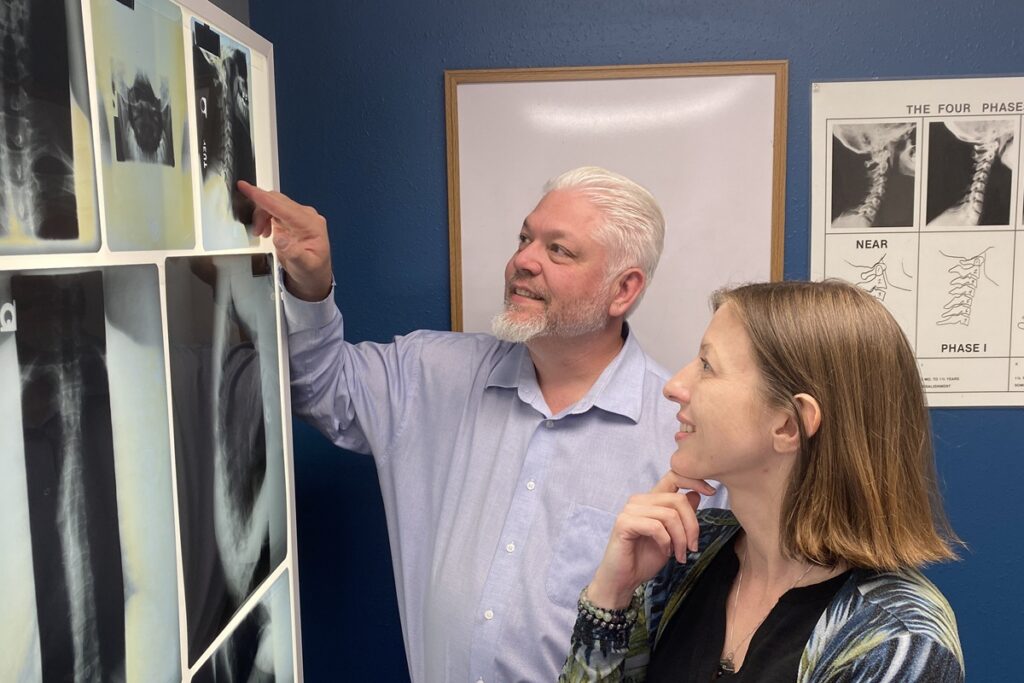
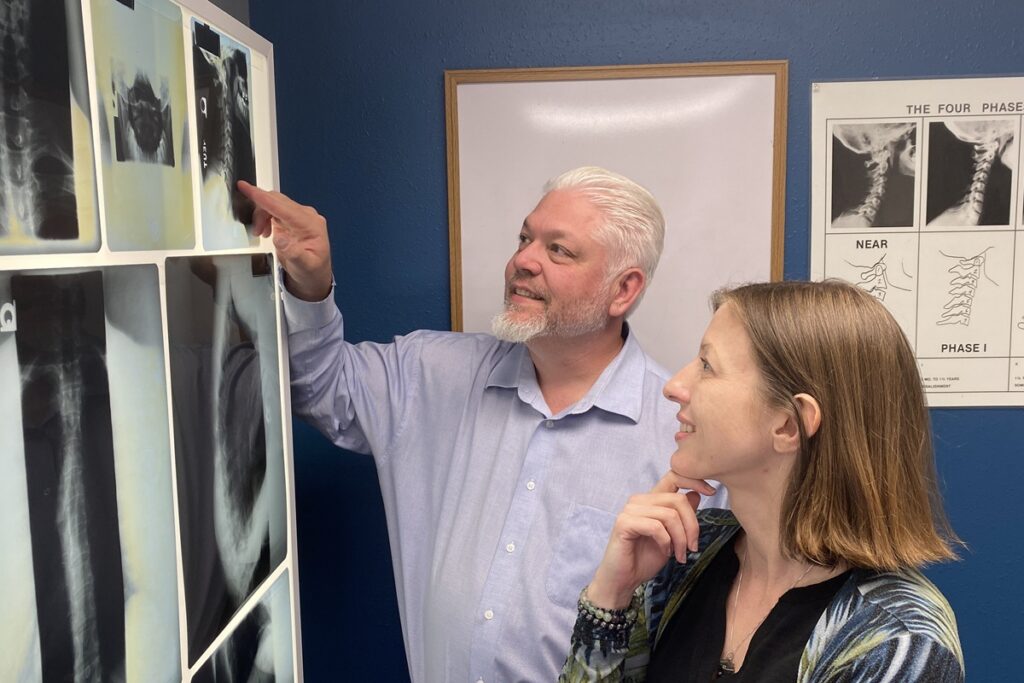
In some cases, imaging studies like X-rays or MRI may be recommended to visualize the spine’s structure and identify disc problems, bone spurs, or other issues. However, many patients can begin conservative chiropractic care based on clinical findings alone, especially when their symptoms and examination clearly point to mechanical nerve irritation without red flag warnings.
This comprehensive evaluation allows your chiropractor to determine whether chiropractic care is appropriate for your condition and to develop a personalized treatment plan. It also helps identify cases that may require co-management with other healthcare providers or referral for additional diagnostic workup.
Spinal Adjustments for Sciatica Relief
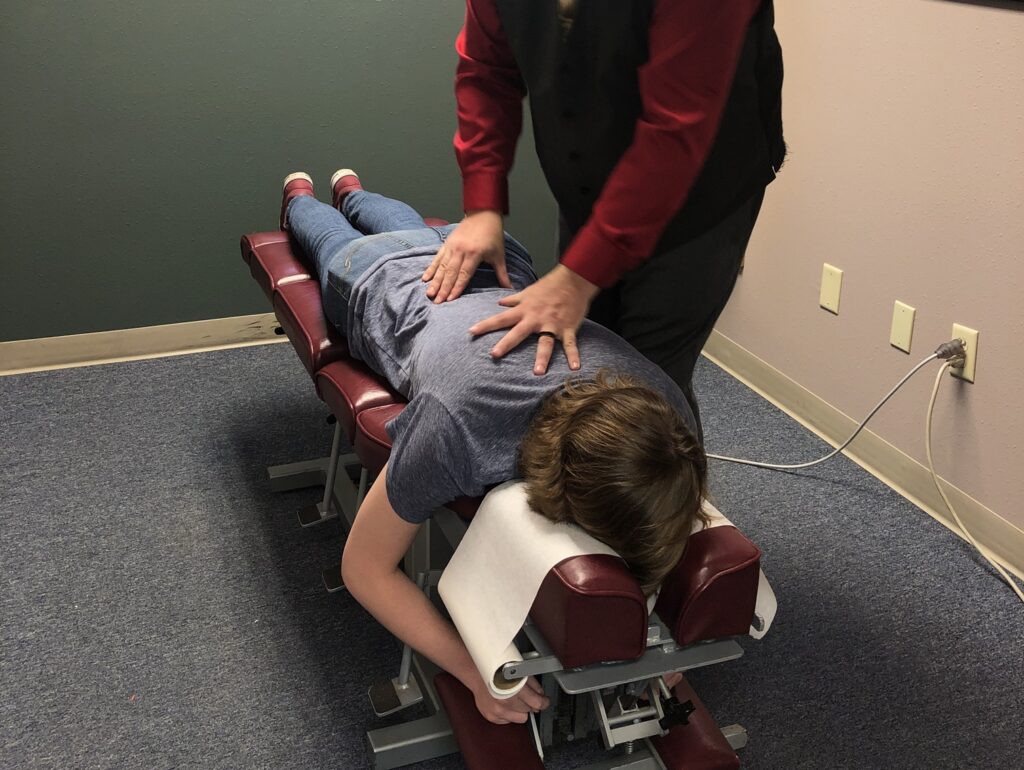
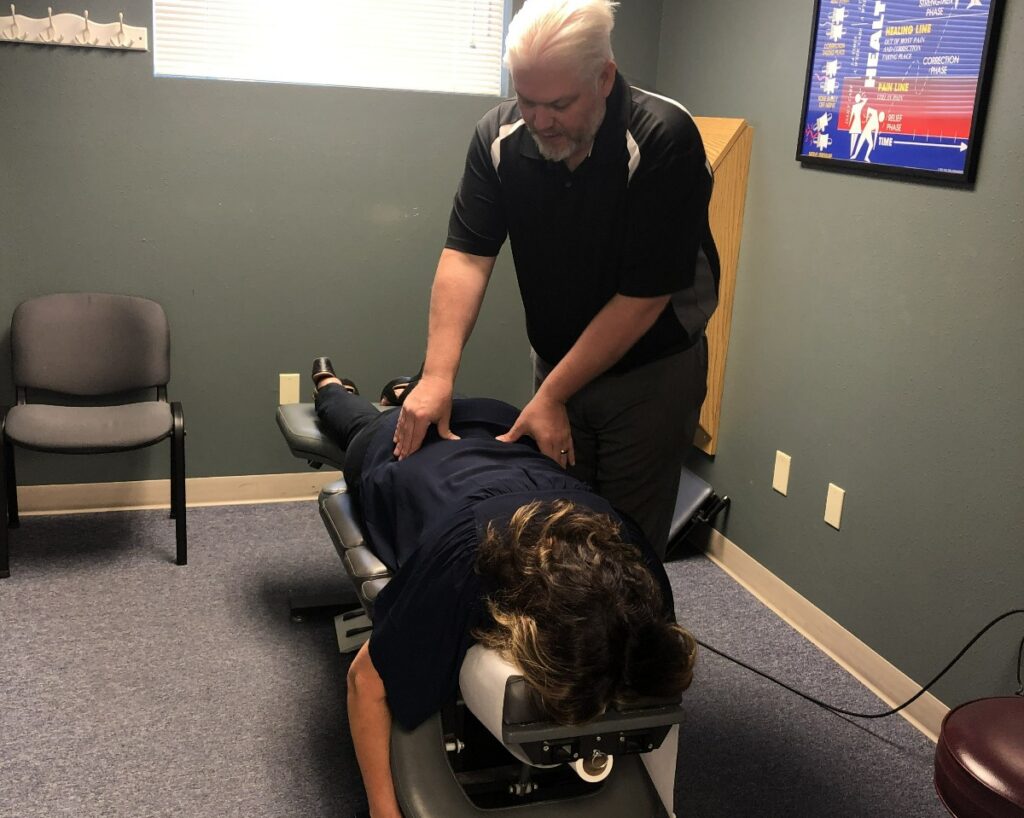
Spinal adjustments, also called spinal manipulations, form the cornerstone of chiropractic treatment for sciatica. The goal is to restore proper alignment and movement to spinal joints, reduce nerve irritation, and allow your body’s natural healing processes to work more effectively. Contrary to what some people fear, adjustments for sciatica are typically gentle and targeted, not forceful or painful.
Several adjustment techniques may be used depending on your specific condition and comfort level. The diversified technique is one of the most common approaches. It involves a quick, controlled thrust to a specific joint, often producing an audible “pop” as gas bubbles release from the joint fluid. This sound is normal and not a cause for concern. The adjustment helps restore normal joint motion and reduce pressure on surrounding nerves.
For patients with acute pain or disc herniations, chiropractors at Kuns Chiropractic Clinic may use gentler methods. The flexion-distraction technique utilizes a special table that gently stretches and decompresses the spine in a rhythmic pumping motion. This approach is particularly effective for disc-related sciatica because it creates negative pressure within the disc, potentially helping bulging material move away from the nerve. It’s comfortable and well-tolerated even when you’re experiencing significant pain.
The activator method uses a small handheld instrument that delivers a quick, low-force impulse to specific points along the spine. This technique is excellent for patients who are nervous about manual adjustments or who have conditions that make traditional techniques less suitable. The pelvic blocking technique involves placing wedge-shaped cushions under your pelvis in specific positions to allow gravity and your own body weight to help draw disc material off the nerve.
Adjustments aren’t limited to the lower back. Your chiropractor may also address the pelvis, hips, and even the upper spine. Biomechanical problems elsewhere in your spine can contribute to lower back stress and nerve irritation. The sacroiliac joints, where your pelvis connects to your spine, are frequently involved in sciatica cases and often require specific adjustment techniques.
Most patients notice some improvement in symptoms within the first few treatment sessions, though complete resolution takes time. Research indicates that spinal manipulation can be effective for reducing pain and improving function in patients with sciatica, particularly when combined with other therapeutic interventions. The treatment is tailored as you progress, with techniques adjusted based on how your body responds.
Complementary Therapies Used in Chiropractic Care
While spinal adjustments are central to treatment, chiropractors use various complementary therapies to enhance healing and provide faster relief. These additional techniques address the soft tissue components of sciatica, including muscle spasm, inflammation, and trigger points that can perpetuate nerve irritation.
Therapeutic massage and myofascial release target tight muscles that may be contributing to your symptoms. The muscles surrounding your spine and pelvis can develop protective spasms when you’re dealing with sciatica, which ironically can make the problem worse. Skilled manual therapy helps these muscles relax, improves circulation, and reduces overall tension in the area. Special attention is often given to the piriformis muscle, which sits directly over the sciatic nerve and can be a primary source of irritation.
Cold laser therapy or low-level laser therapy has gained popularity in chiropractic offices for its anti-inflammatory and pain-relieving properties. The treatment uses specific wavelengths of light to penetrate tissues and stimulate cellular healing processes. It’s completely painless and many patients find it soothing. Evidence suggests it may help reduce pain and accelerate tissue repair in various musculoskeletal conditions.
Electrical muscle stimulation sends gentle electrical pulses through electrodes placed on your skin near the affected area. This helps reduce muscle spasm, blocks pain signals, and promotes circulation. Ultrasound therapy uses sound waves to create deep heat in tissues, which can help reduce inflammation and improve mobility in stiff joints.
Heat and ice therapy are simple but effective tools. Ice helps reduce acute inflammation and numb sharp pain, while heat relaxes muscles and improves blood flow to promote healing. Your chiropractor will recommend which is most appropriate for your current stage of recovery and may alternate between both.
Therapeutic exercises and stretches are gradually introduced as your pain decreases. Core strengthening exercises help stabilize your spine and prevent future episodes. Stretching tight hip flexors, hamstrings, and piriformis muscles can relieve pressure on the sciatic nerve. These exercises are carefully selected based on your specific biomechanical issues and functional limitations.
At Kuns Chiropractic Clinic here in Gresham, we integrate these therapies thoughtfully, creating a comprehensive approach that addresses all aspects of your sciatica. No two treatment plans look exactly alike because no two patients present with identical problems.
What a Typical Treatment Plan Looks Like
Understanding what to expect from chiropractic care for sciatica helps set realistic expectations and encourages commitment to the treatment plan. Initially, treatment frequency is typically higher to achieve momentum in your healing. During the acute phase when pain is most severe, you might visit the office two to three times per week for the first few weeks.
Each session usually lasts between 15 and 30 minutes, depending on which therapies are included. You’ll receive spinal adjustments along with one or more complementary treatments. Your chiropractor will reassess your progress regularly, checking range of motion, pain levels, and functional abilities. As you improve, visit frequency gradually decreases.
The corrective phase focuses on strengthening and stabilizing improvements made during initial care. Visits might reduce to once or twice weekly, with more emphasis placed on rehabilitative exercises and postural education. This phase is crucial because it helps prevent relapses and addresses underlying weaknesses that contributed to your sciatica in the first place.
Many patients see significant improvement within four to six weeks, though individual timelines vary based on severity, chronicity, and adherence to recommendations. Some people feel noticeably better after just a few sessions, while others with long-standing or severe cases may require longer care periods. Honest communication with your chiropractor about your progress helps ensure the treatment plan stays on track.
Maintenance care is often recommended after symptoms resolve. Periodic check-ups, perhaps monthly or quarterly, help maintain spinal health and catch minor problems before they become major issues. Think of it like regular dental cleanings or car maintenance—preventive care is always easier and less costly than dealing with breakdowns.
Throughout treatment, patient education is emphasized. You’ll learn about proper lifting techniques, workstation ergonomics, sleeping positions, and exercises you can do at home. This knowledge empowers you to take an active role in your recovery and prevention of future episodes.
At-Home Strategies to Support Your Recovery
While professional chiropractic care is important, what you do between visits significantly impacts your recovery. These practical self-care strategies complement your treatment and help you heal faster.
Pay attention to your sleeping position. If you sleep on your side, place a pillow between your knees to keep your spine aligned and reduce pressure on your lower back. Back sleepers should put a pillow under their knees to maintain the natural curve of the spine. Avoid sleeping on your stomach, which twists your neck and can aggravate lower back problems.
When sitting, maintain good posture with your feet flat on the floor and your back supported. Avoid crossing your legs, which can torque your pelvis and aggravate sciatica. If you work at a desk, set up your workstation properly: monitor at eye level, keyboard close enough that your elbows stay near your sides, and chair height adjusted so your thighs are parallel to the floor. Stand up and walk around for a few minutes every 30 to 45 minutes.
Movement is medicine for sciatica, but the right kind of movement matters. Gentle walking is usually well-tolerated and beneficial because it promotes circulation without jarring the spine. Swimming or water aerobics provide excellent low-impact exercise once acute pain settles. Avoid activities that involve twisting, heavy lifting, or high-impact jarring until your chiropractor gives the green light.
Stretching can provide relief when done correctly. A simple piriformis stretch involves lying on your back, crossing the affected leg over the opposite knee, and gently pulling the bottom knee toward your chest. Hold for 20 to 30 seconds and repeat several times daily. Hamstring stretches and gentle spinal rotations may also help, but always follow your chiropractor’s specific recommendations.
Manage inflammation naturally. Staying well-hydrated helps reduce inflammatory compounds in your body. An anti-inflammatory diet rich in colorful vegetables, fruits, omega-3 fatty acids, and whole grains while limiting processed foods and sugar may support healing. Some patients find turmeric or fish oil supplements helpful, though always check with your healthcare provider before starting new supplements.
Stress management matters more than you might think. Chronic stress causes muscle tension and can amplify pain perception. Practices like deep breathing, meditation, gentle yoga, or simply spending time in nature can help calm your nervous system and support recovery.
When to See a Chiropractor for Sciatica
Knowing when to seek chiropractic care can prevent minor issues from becoming chronic problems. Consider scheduling an appointment if you experience persistent lower back pain that radiates down one or both legs, especially if it’s accompanied by numbness, tingling, or weakness. Pain that worsens with sitting, standing, or specific movements is another indicator that mechanical issues may be present.
You don’t need to wait until pain becomes unbearable. In fact, earlier intervention often leads to faster resolution. If you’ve tried rest, over-the-counter pain relievers, and basic stretching for a week or two without improvement, it’s time to get a professional evaluation. Many patients at Kuns Chiropractic Clinic wish they had come in sooner rather than suffering through weeks or months of increasing discomfort.
Recurrent episodes of sciatica suggest underlying biomechanical problems that need to be addressed. If you find yourself dealing with sciatic pain several times a year, a thorough chiropractic examination can identify contributing factors and help break the cycle. Previous injuries, even if they seemed to heal completely, can create compensatory patterns that eventually lead to nerve irritation.
Certain warning signs require immediate medical attention and may not be appropriate for chiropractic care alone. Seek emergency care if you experience loss of bladder or bowel control, progressive weakness in the leg, numbness in the saddle region, or severe pain following trauma. These can indicate serious nerve compression or other conditions requiring urgent intervention.
Fever accompanying back pain and sciatica, unexplained weight loss, or pain that’s worse at night and unrelieved by rest should be evaluated by a physician to rule out infection, tumor, or other serious underlying conditions. Chiropractors are trained to recognize these red flags and will refer appropriately when needed.
For most cases of sciatica related to mechanical issues like disc problems, joint dysfunction, or muscle imbalances, chiropractic care offers a safe, effective, drug-free option. The key is getting an accurate assessment so the right treatment approach can be implemented.
Treatment Approaches Comparison
| Treatment Approach | How It Works | Typical Timeline | Best For |
|---|---|---|---|
| Chiropractic Care | Addresses spinal alignment, joint mobility, and nerve pressure through adjustments and complementary therapies | 4-6 weeks for significant improvement, ongoing maintenance | Mechanical causes, disc issues, joint dysfunction, muscle imbalances |
| Physical Therapy | Focuses on strengthening, flexibility, and functional movement patterns | 6-8 weeks of regular sessions | Post-injury rehabilitation, weakness, poor movement patterns |
| Medications | Reduces pain and inflammation temporarily | Days to weeks for symptom relief | Acute pain management, inflammation control |
| Epidural Injections | Delivers anti-inflammatory medication directly to affected nerve | Days to months of relief | Severe inflammation unresponsive to conservative care |
| Surgery | Physically removes source of nerve compression | Weeks to months recovery | Severe cases with progressive neurological loss, failed conservative care |
Myths vs. Facts About Chiropractic Care for Sciatica
Myth: Chiropractors Can Cure Sciatica in One Visit
Fact: While some patients experience significant relief after their first adjustment, sciatica typically requires multiple visits over several weeks to address the underlying causes and achieve lasting improvement. Healing takes time, and consistent care produces better outcomes than expecting a miracle cure from a single session.
Myth: Chiropractic Adjustments Are Dangerous for Sciatica
Fact: When performed by a licensed, trained chiropractor, spinal adjustments are very safe for most sciatica patients. Serious complications are extremely rare. Chiropractors are specifically trained to identify contraindications and modify techniques appropriately for each patient’s condition. The benefits far outweigh the minimal risks for appropriate candidates.
Myth: You Need X-rays or MRI Before Chiropractic Treatment Can Begin
Fact: While imaging can be helpful in some cases, many patients can begin conservative chiropractic care based on clinical examination alone. Imaging is typically reserved for cases involving trauma, red flag symptoms, or when symptoms don’t respond to initial conservative care. Your chiropractor will determine whether imaging is necessary for your specific situation.
Myth: Once You Start Chiropractic Care, You Have to Keep Going Forever
Fact: Treatment plans are individualized and goal-oriented. While some patients choose ongoing maintenance care for overall wellness, you’re not obligated to continue indefinitely. Most sciatica patients complete an initial treatment series, learn self-management strategies, and only return if symptoms recur or for periodic check-ups. You remain in control of your care decisions.
Myth: Chiropractic Care Only Masks Pain Without Addressing the Cause
Fact: The opposite is true. Chiropractic care focuses on identifying and correcting the biomechanical dysfunction causing nerve irritation, rather than simply covering symptoms with medication. By restoring proper spinal alignment, joint mobility, and muscle balance, chiropractors address root causes while pain relief naturally follows as healing progresses.
Final Thoughts
Sciatica can be a challenging condition that significantly impacts your quality of life, but you don’t have to simply live with the pain or immediately resort to medication or surgery. Chiropractic care offers a comprehensive, conservative approach that addresses the underlying mechanical problems contributing to sciatic nerve irritation. Through careful evaluation, targeted spinal adjustments, complementary therapies, and patient education, chiropractors help many people find lasting relief from sciatica.
At Kuns Chiropractic Clinic here in Gresham, OR, we understand how frustrating and limiting sciatica can be. We’re committed to providing thorough evaluations, evidence-informed treatment, and compassionate care to help you get back to the activities you love. Every patient’s journey is unique, and we take the time to understand your specific situation and goals.
If you’re dealing with sciatic pain, numbness, or weakness, we encourage you to schedule a consultation. Early intervention often leads to faster recovery and better outcomes. Our team is here to answer your questions, address your concerns, and develop a personalized treatment plan that makes sense for your lifestyle and health goals. You deserve to feel better, move freely, and enjoy life without constant pain holding you back.
Frequently Asked Questions
How long does it take for chiropractic care to help sciatica?
Most patients notice some improvement within the first two to three weeks of consistent care, with significant relief typically occurring within four to six weeks. However, individual timelines vary based on severity, how long you’ve had symptoms, and adherence to the treatment plan. Chronic cases that have been present for months or years generally take longer to resolve than acute episodes.
Is chiropractic treatment painful when you have sciatica?
Chiropractic treatment for sciatica should not be painful. While you might feel some mild discomfort during certain movements or stretches, adjustments themselves are typically gentle and often provide immediate relief. Chiropractors modify techniques based on your pain levels and comfort, using gentler approaches when symptoms are acute. Many patients actually find the treatment soothing.
Can sciatica come back after chiropractic treatment?
Sciatica can recur if the underlying risk factors aren’t addressed. That’s why chiropractors emphasize patient education, exercises, and lifestyle modifications alongside hands-on treatment. Following through with rehabilitation exercises, maintaining good posture, and addressing ergonomic issues significantly reduces the likelihood of future episodes. Some patients choose periodic maintenance visits to prevent recurrence.
Do I need a referral to see a chiropractor for sciatica?
In most cases, you don’t need a referral to see a chiropractor. Chiropractors are portal-of-entry providers, meaning you can schedule an appointment directly without seeing another doctor first. However, some insurance plans may have specific requirements, so it’s worth checking your coverage. If you’re already working with other healthcare providers for your sciatica, collaboration between providers can be beneficial.
Will my insurance cover chiropractic treatment for sciatica?
Many insurance plans include chiropractic coverage, though specific benefits vary widely. Some plans cover a certain number of visits per year, while others require copays or have specific coverage limitations. It’s best to contact your insurance provider directly or speak with the staff at Kuns Chiropractic Clinic, who can help verify your benefits and explain your coverage options.
What’s the difference between sciatica and regular lower back pain?
Regular lower back pain typically stays localized in the lumbar region and doesn’t radiate significantly. Sciatica specifically involves the sciatic nerve, causing pain that travels from the lower back or buttock down the leg, often to the calf or foot. Sciatica frequently includes additional symptoms like numbness, tingling, or weakness in the leg, whereas simple back pain usually doesn’t affect the extremities.
TL;DR – Key Takeaways
- Chiropractors treat sciatica through spinal adjustments that address misalignments and reduce pressure on the sciatic nerve, combined with complementary therapies like massage, therapeutic exercises, and patient education.
- Treatment plans are individualized based on thorough examination findings, typically involving more frequent visits initially (2-3 times weekly) that taper as symptoms improve, with most patients seeing significant relief within 4-6 weeks.
- Chiropractic care for sciatica is generally safe and non-invasive, focusing on correcting the underlying biomechanical problems rather than just masking symptoms with medication.
- Self-care strategies like proper posture, appropriate stretching, ergonomic adjustments, and gentle movement support professional treatment and help prevent recurrence.
- Seek chiropractic evaluation for persistent or recurrent sciatic symptoms, but get immediate medical attention for red flags like loss of bowel/bladder control, progressive weakness, or severe pain after trauma.