
If you’ve dealt with hip pain that seems to improve for a while, only to flare up again weeks or months later, you’re not alone. Many patients here in Gresham come to Kuns Chiropractic Clinic frustrated by this cycle of temporary relief followed by recurring discomfort. They’ve tried rest, over-the-counter medications, stretching routines, and sometimes even expensive treatments—yet the pain keeps returning. The truth is, most people focus on treating the symptom (the pain itself) rather than addressing the underlying cause. Understanding why your hip pain keeps coming back is the first step toward finding lasting relief and getting back to the activities you love.
Why does hip pain keep coming back? The number one reason hip pain becomes a recurring problem is biomechanical imbalance—when the pelvis, spine, or surrounding joints are misaligned, it creates uneven stress on the hip joint and muscles, causing chronic irritation that returns whenever the compensating structures become fatigued or overloaded.
Table of Contents
- Understanding Biomechanical Imbalance and Your Hips
- Common Causes of Recurring Hip Pain
- Signs Your Hip Pain Is More Than Just Muscle Soreness
- How Chiropractic Care Addresses the Root Cause
- Practical Tips to Support Hip Health
- When to See a Chiropractor for Hip Pain
- Treatment Approaches: A Comparison
- Myths vs. Facts About Hip Pain
- Final Thoughts from Kuns Chiropractic Clinic
Understanding Biomechanical Imbalance and Your Hips
Your hip joints don’t function in isolation. They’re part of an intricate kinetic chain that includes your lower back, pelvis, sacroiliac joints, knees, and even your feet. When one part of this chain becomes misaligned or restricted, the body compensates by shifting stress to other areas. Over time, these compensations create patterns of dysfunction that lead to chronic pain.
Biomechanical imbalance refers to asymmetries in how your body moves and bears weight. This can stem from pelvic misalignment, leg length discrepancies (functional or structural), spinal restrictions, or muscle imbalances. When your pelvis tilts or rotates abnormally, it changes the angle at which your femur (thigh bone) sits in the hip socket. This altered position increases friction, strains supporting muscles and tendons, and irritates the joint itself.
Here’s the critical point: if you only address the pain with rest or anti-inflammatory medications, you’re giving the irritated tissues time to calm down—but you’re not correcting the underlying misalignment. As soon as you return to normal activities, the same faulty mechanics kick back in, and the pain cycle repeats. This is why so many people experience temporary relief that doesn’t last.
Dr. Westley Kuns frequently sees this pattern at Kuns Chiropractic Clinic in Gresham. Patients often report that their hip pain improves with rest but returns when they resume walking, standing for long periods, or exercising. The real solution isn’t just managing symptoms—it’s restoring proper alignment and function to the entire kinetic chain.
Common Causes of Recurring Hip Pain
Several factors contribute to the biomechanical imbalances that drive recurring hip pain. Understanding these causes helps you recognize patterns in your own experience.
Pelvic Misalignment
The pelvis serves as the foundation for your spine and the attachment point for major hip muscles. When the pelvis becomes misaligned—often due to trauma, repetitive movements, or prolonged sitting—it creates uneven stress distribution across both hip joints. One hip may bear more weight than the other, leading to accelerated wear and chronic irritation.
Sacroiliac Joint Dysfunction
The sacroiliac (SI) joints connect your sacrum to your pelvis. These joints are meant to have limited movement, but when they become too mobile or too restricted, they can refer pain into the hip region. SI joint dysfunction often mimics hip pain, and many people treat the hip when the real problem lies in the pelvis.
Lumbar Spine Restrictions
Your lower back and hips are intimately connected through shared muscle attachments and nerve pathways. Restrictions or misalignments in the lumbar spine can alter how forces transfer down through the pelvis and into the hips. Additionally, nerve irritation in the lower back can create referred pain that feels like it’s coming from the hip itself.
Muscle Imbalances and Weakness
The muscles surrounding your hips—including the glutes, hip flexors, piriformis, and deep hip rotators—work together to stabilize and move the joint. When some muscles become weak (often the glutes) while others become tight and overactive (often the hip flexors), it creates abnormal pulling forces on the hip joint. These imbalances often develop from prolonged sitting, poor posture, or compensation patterns after injury.
Leg Length Discrepancy
Both functional and structural leg length differences can force one hip to work harder than the other. A functional leg length discrepancy occurs when the legs are actually the same length, but pelvic rotation or spinal misalignment makes one appear shorter. A structural discrepancy means the bones themselves are different lengths. Either type creates asymmetrical loading that stresses the hip over time.
Previous Injuries and Compensations
An old ankle sprain, knee injury, or lower back problem can set up compensation patterns that eventually affect the hips. Your body is remarkably adaptive, but these adaptations aren’t always healthy long-term. What starts as a protective mechanism can become a chronic problem months or years later.
Signs Your Hip Pain Is More Than Just Muscle Soreness
Not all hip discomfort indicates a biomechanical problem requiring professional care. However, certain patterns suggest the pain stems from underlying joint dysfunction or alignment issues rather than simple muscle fatigue.
Watch for pain that consistently occurs on one side more than the other, especially if you notice yourself favoring one leg when standing or walking. Recurring pain that follows a predictable pattern—such as hurting after sitting for extended periods, first thing in the morning, or after specific activities—often points to mechanical dysfunction rather than acute injury.
Stiffness that improves with movement but returns after rest is another hallmark sign. If your hip feels locked up or restricted when you first stand after sitting, or if you need to “warm up” before the joint moves freely, this suggests the joint isn’t moving through its proper range of motion.
Pain that radiates into the groin, buttock, or down the thigh can indicate referred pain from the hip joint itself, the SI joint, or the lower spine. Similarly, clicking, popping, or grinding sensations in the hip—especially if accompanied by pain—may signal improper joint mechanics or cartilage irregularities.
Difficulty with activities that require hip stability or range of motion offers important clues. This includes trouble putting on shoes, getting in and out of cars, climbing stairs, or standing from a seated position. If these everyday movements have become progressively more difficult, it’s time to investigate the underlying cause.
Many patients at Kuns Chiropractic Clinic in Gresham also report that their hip pain affects their sleep, especially when lying on one side. This often indicates inflammation or pressure on specific structures that becomes more noticeable when body weight compresses the joint in certain positions.
How Chiropractic Care Addresses the Root Cause
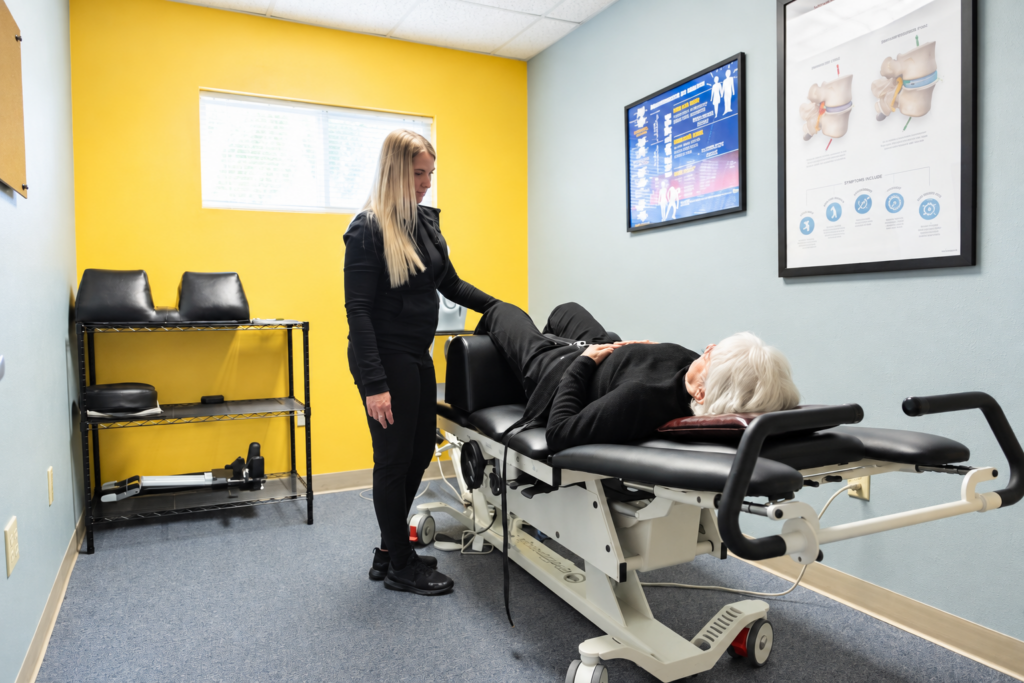
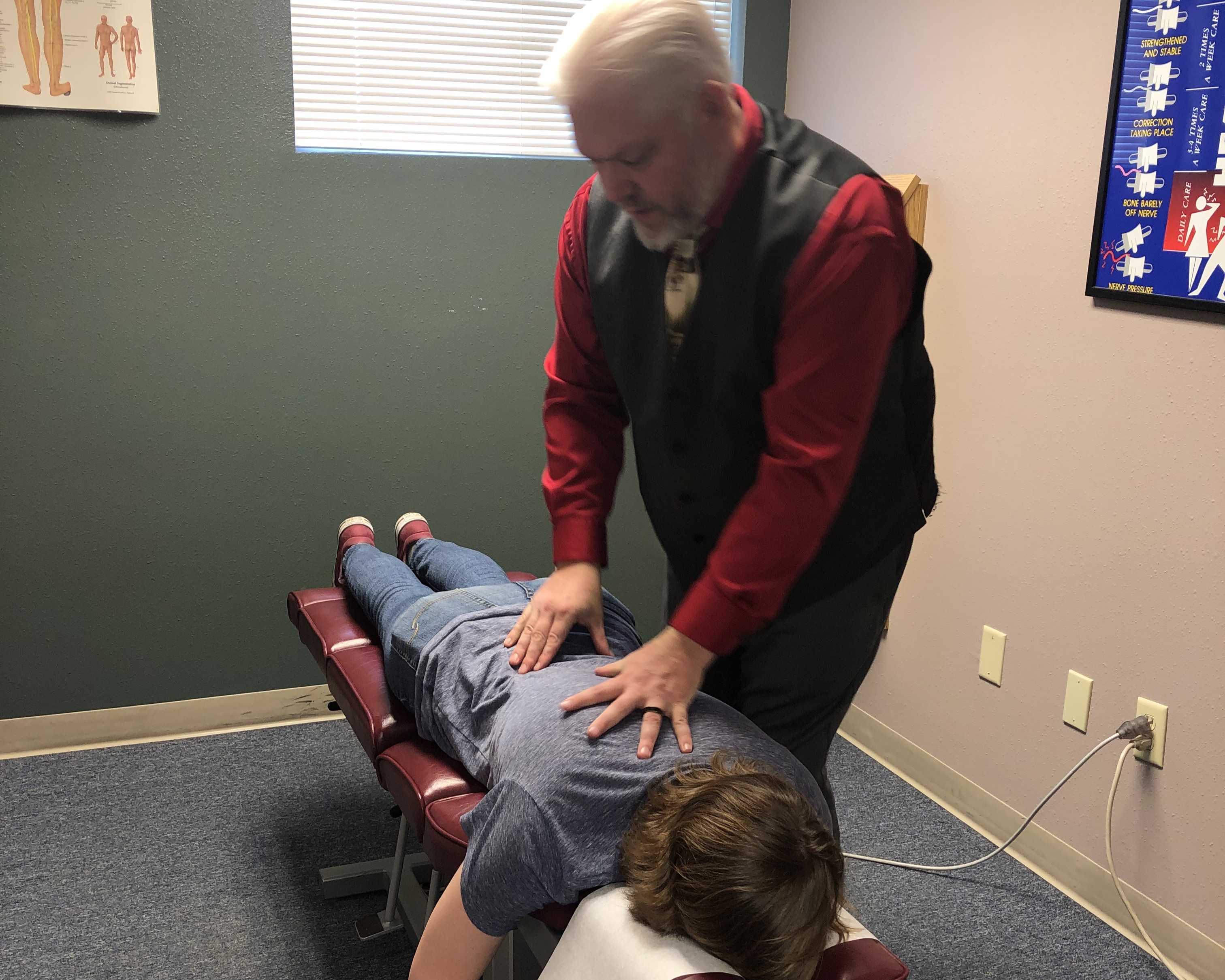
Chiropractic care takes a fundamentally different approach to recurring hip pain by focusing on the biomechanical factors that perpetuate the problem. Rather than simply masking symptoms, the goal is to restore proper alignment and function throughout the entire kinetic chain.
Dr. Westley Kuns begins with a comprehensive evaluation that examines not just the hip itself, but the pelvis, spine, and lower extremities. This assessment identifies misalignments, restrictions, and imbalances that contribute to abnormal stress on the hip joint. Understanding the whole picture allows for targeted, effective care.
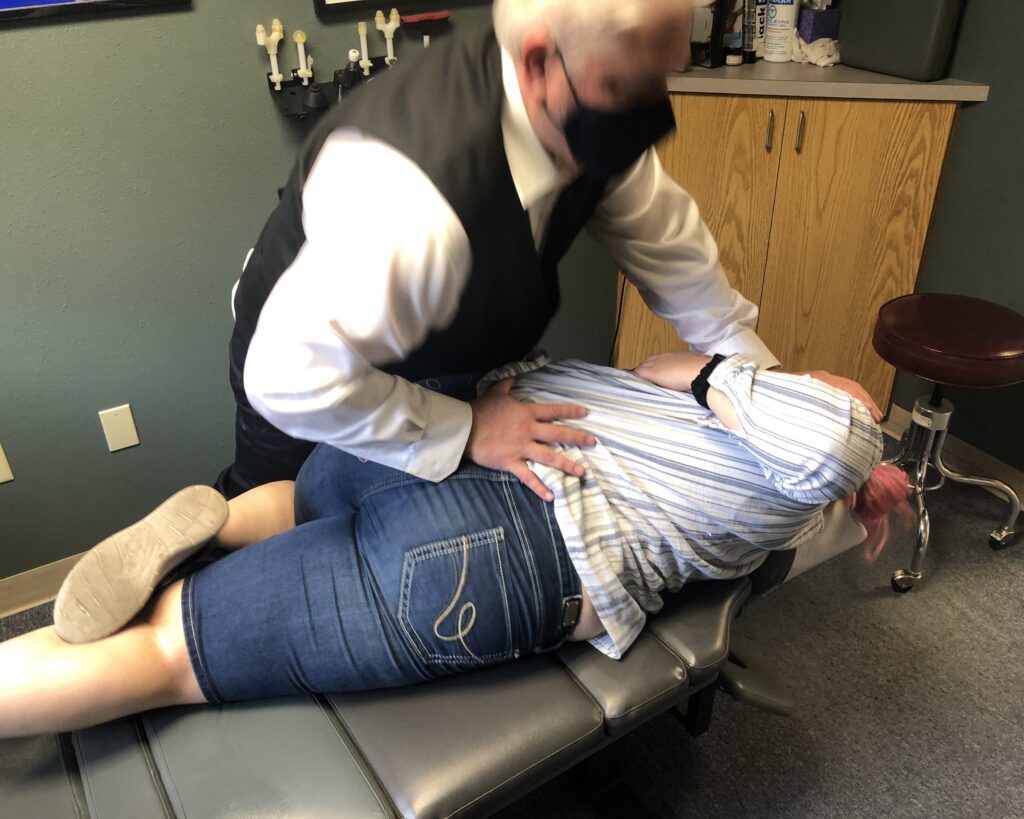
Spinal and pelvic adjustments form the foundation of chiropractic care for hip pain. These specific, controlled movements help restore proper alignment to the pelvis and lower spine, which in turn normalizes the forces acting on the hip joint. When the pelvis sits level and moves correctly, the hips can function as they were designed to.
Adjustments to the hip joint itself may also be appropriate. The hip can develop restrictions in its capsule or lose normal joint play, even without obvious injury. Gentle mobilization and adjustment techniques help restore this mobility, reducing friction and irritation within the joint.
Research suggests that manual therapy approaches, including chiropractic manipulation, can be effective for improving function and reducing pain in patients with hip osteoarthritis and other hip conditions. Evidence indicates that conservative, hands-on care offers a non-invasive option for many patients dealing with musculoskeletal hip pain.
At Kuns Chiropractic Clinic, care is individualized based on your specific presentation. Some patients benefit most from focused pelvic work, while others need more attention to spinal alignment or extremity adjustments. The treatment plan evolves as your body responds and function improves.
Beyond adjustments, Dr. Westley Kuns often incorporates therapeutic exercises and stretches designed to address muscle imbalances and strengthen supporting structures. Weak glutes, tight hip flexors, and poor core stability all contribute to hip dysfunction. Corrective exercises help reinforce the structural improvements achieved through adjustments.
Many patients notice improvements within the first few visits, but lasting change requires addressing patterns that may have developed over months or years. Consistency with care and following through with home recommendations significantly impact outcomes.
Practical Tips to Support Hip Health
While professional chiropractic care addresses the structural components of recurring hip pain, several lifestyle modifications can support your recovery and help prevent future flare-ups.
Mind Your Sitting Posture
Prolonged sitting in poor positions is one of the most common contributors to hip problems. When you sit, keep both feet flat on the floor with knees at about hip level. Avoid crossing your legs, which rotates the pelvis and creates asymmetrical stress. If you sit for work, stand and move for a few minutes every 30-45 minutes to prevent your hip flexors from becoming chronically shortened.
Sleep Position Matters
If you sleep on your side, place a pillow between your knees to keep your pelvis aligned and reduce stress on the upper hip. This simple modification can make a significant difference in morning stiffness and overnight discomfort. Back sleepers may benefit from a pillow under the knees to maintain the natural curve of the lower back.
Choose Supportive Footwear
Your feet are the foundation of your entire kinetic chain. Worn-out shoes with collapsed arches or unsupportive footwear can alter your gait and create compensations that travel up through the hips. Replace athletic shoes regularly and choose daily footwear that provides adequate arch support and cushioning.
Move Mindfully
Pay attention to how you move during daily activities. When bending to pick something up, hinge at the hips rather than rounding your back. When standing from a chair, engage your glutes and push through your heels rather than pulling with your hip flexors. These small adjustments reduce unnecessary stress on the hip joint.
Stay Active with Low-Impact Exercise
Movement is essential for hip health, but high-impact activities can aggravate existing problems. Walking, swimming, cycling, and yoga provide cardiovascular benefits and maintain joint mobility without excessive pounding. Focus on activities that feel good and don’t increase your pain during or after exercise.
Strengthen Your Glutes
Weak gluteal muscles are epidemic in our sedentary culture, and they play a critical role in hip stability. Simple exercises like bridges, clamshells, and lateral leg raises can activate and strengthen these important stabilizers. Dr. Westley Kuns can recommend specific exercises tailored to your needs during your visit to Kuns Chiropractic Clinic.
Address Tightness Appropriately
While stretching can be beneficial, aggressive stretching of already irritated tissues may worsen inflammation. Gentle, sustained stretches for the hip flexors, piriformis, and hamstrings can help maintain flexibility. Focus on consistency rather than intensity, and never stretch into sharp pain.
When to See a Chiropractor for Hip Pain
Knowing when to seek professional evaluation can prevent a minor issue from becoming a chronic problem. Several indicators suggest it’s time to consult with a chiropractor about your hip pain.
If your hip pain has persisted beyond a few weeks despite rest and home care, professional assessment is warranted. Acute pain from overexertion typically improves within days to a couple of weeks. Pain that lingers or worsens suggests an underlying mechanical issue that needs attention.
Recurring episodes are a clear signal that something isn’t resolving on its own. If you’ve experienced multiple flare-ups of hip pain over months or years, the pattern indicates a root cause that hasn’t been addressed. This is exactly the scenario where chiropractic care can be most beneficial.
Pain that limits your daily activities deserves evaluation. If you’re modifying how you move, avoiding certain activities you enjoy, or struggling with basic tasks like walking or climbing stairs, don’t wait for the problem to worsen. Early intervention often leads to faster, more complete recovery.
When pain spreads beyond the hip itself—into the groin, buttock, thigh, or lower back—it may indicate involvement of multiple structures or referred pain from spinal or pelvic dysfunction. This complexity benefits from professional assessment to identify all contributing factors.
However, certain symptoms require immediate medical attention rather than chiropractic care. Seek emergency evaluation if you experience severe pain following trauma, inability to bear weight on the leg, visible deformity, signs of infection (fever, redness, warmth), or sudden onset of severe pain without clear cause. Hip pain accompanied by numbness in the groin or loss of bowel or bladder control requires urgent medical evaluation.
For the vast majority of mechanical hip pain—the kind that comes and goes, worsens with activity, and doesn’t involve trauma or red flags—chiropractic care offers a conservative, effective approach. Patients throughout Gresham have found that addressing the biomechanical root causes provides relief that lasts.
Treatment Approaches: A Comparison
| Approach | How It Works | Best For | Limitations |
|---|---|---|---|
| Rest & Ice | Reduces inflammation and allows tissue recovery | Acute flare-ups, temporary symptom relief | Doesn’t address underlying biomechanical causes; pain often returns |
| Pain Medication | Blocks pain signals or reduces inflammation | Short-term pain management | Only masks symptoms; potential side effects; doesn’t correct mechanical problems |
| Stretching/Exercise | Improves flexibility and strengthens supporting muscles | Maintaining mobility, preventing future issues | May not address joint restrictions or alignment; can aggravate if done incorrectly |
| Chiropractic Care | Corrects spinal and pelvic misalignments affecting hip mechanics | Recurring pain from biomechanical dysfunction | Requires multiple visits for lasting change; not appropriate for fractures or infections |
| Physical Therapy | Exercise-based rehabilitation and manual therapy | Post-surgical recovery, specific movement retraining | May not address spinal or pelvic alignment issues contributing to hip pain |
Myths vs. Facts About Hip Pain
Myth: Hip Pain Is Just Part of Getting Older
Fact: While age-related changes occur in all joints, pain is not an inevitable part of aging. Many people maintain healthy, pain-free hips well into their senior years. Recurring hip pain usually indicates a mechanical problem that can be addressed, regardless of age. Proper alignment and function can significantly improve quality of life at any stage.
Myth: Rest Is the Best Treatment for Hip Pain
Fact: While rest can help during acute flare-ups, prolonged inactivity often worsens hip problems by allowing muscles to weaken and joints to stiffen. Appropriate movement and activity, combined with correction of underlying mechanical issues, typically leads to better outcomes than extended rest alone. The key is addressing why the pain occurred in the first place.
Myth: If the Pain Goes Away, the Problem Is Solved
Fact: Temporary relief doesn’t mean the underlying cause has been corrected. Many people experience cycles of pain and relief because the biomechanical dysfunction remains. True resolution requires addressing the structural imbalances that create abnormal stress on the hip. This is why so many patients see their pain return after initially feeling better.
Myth: You Need an X-Ray or MRI Before Seeking Chiropractic Care
Fact: Most cases of recurring hip pain don’t require advanced imaging before beginning conservative care. Dr. Westley Kuns can perform a thorough examination to determine if chiropractic care is appropriate and will refer for imaging if specific concerns arise. Many mechanical issues that respond well to chiropractic adjustment won’t show up on standard imaging anyway.
Myth: Chiropractic Adjustments Are Dangerous for Hip Problems
Fact: When performed by a qualified, licensed chiropractor, adjustments are a safe, conservative treatment option for most musculoskeletal hip pain. Research indicates that serious adverse events from chiropractic manipulation are extremely rare. Dr. Westley Kuns uses techniques appropriate for each patient’s specific condition and comfort level, ensuring safe, effective care.
Final Thoughts from Kuns Chiropractic Clinic
Recurring hip pain doesn’t have to be something you just live with or manage indefinitely with medication. Understanding that biomechanical imbalance is the primary driver of chronic hip problems empowers you to seek care that addresses the root cause rather than just the symptoms. When your pelvis, spine, and hips are properly aligned and moving correctly, the stress on your hip joints normalizes, muscles can function efficiently, and the cycle of recurring pain can finally be broken.
Here in Gresham, Dr. Westley Kuns and the team at Kuns Chiropractic Clinic have helped countless patients find lasting relief from hip pain by taking this comprehensive, biomechanical approach. If you’re tired of temporary solutions and ready to address what’s really causing your hip pain to keep coming back, we’re here to help. Your body has an remarkable ability to heal when given the right support and proper alignment. Taking that first step toward understanding and correcting the underlying problem can make all the difference in getting back to the active, comfortable life you deserve.
Frequently Asked Questions
How long does it take for chiropractic care to help recurring hip pain?
Many patients notice some improvement within the first few visits, but addressing long-standing biomechanical imbalances typically requires consistent care over several weeks. The timeline depends on how long the problem has existed, your overall health, and your adherence to recommendations. Dr. Westley Kuns will discuss realistic expectations during your initial evaluation at Kuns Chiropractic Clinic.
Can chiropractic care help hip arthritis?
While chiropractic care cannot reverse arthritis, research suggests it can help improve function and reduce pain by optimizing joint mechanics and reducing stress on arthritic joints. Proper pelvic and spinal alignment can decrease the abnormal wear that accelerates arthritis progression. Many patients with hip arthritis find that regular chiropractic care helps them stay more active and comfortable.
Is it normal for hip pain to switch sides?
Pain that alternates between hips often indicates a pelvic or spinal problem rather than an issue isolated to one hip joint. When the pelvis or lower spine is misaligned, it can create asymmetrical stress that shifts as your body compensates. This pattern is actually a strong indicator that biomechanical correction could provide significant relief.
Will I need chiropractic care forever for hip pain?
The goal of chiropractic care is to correct the underlying problem so your body can maintain proper function on its own. Many patients transition from corrective care to periodic maintenance visits that help prevent future issues. Some people choose ongoing wellness care to maintain optimal function, while others only return if symptoms begin to recur. The approach depends on your individual goals and response to care.
What’s the difference between hip pain and sciatica?
Hip pain typically involves discomfort in the joint itself, groin, or outer hip and buttock area, often worsened by weight-bearing or certain movements. Sciatica involves nerve pain that typically radiates from the lower back down the back of the leg, often with sharp, shooting, or burning sensations. However, these conditions can occur together, and sometimes what feels like hip pain is actually referred pain from the lower back or sacroiliac joint.
Can poor posture really cause hip pain?
Absolutely. Poor posture—especially prolonged sitting with rounded shoulders and forward head position—creates compensatory changes throughout the spine and pelvis. Over time, these postural distortions alter how forces distribute through your hips, leading to uneven wear, muscle imbalances, and chronic pain. Addressing posture is often a critical component of resolving recurring hip issues.
TL;DR – Key Takeaways
- The number one reason hip pain keeps coming back is biomechanical imbalance—misalignments in the pelvis, spine, or surrounding joints that create abnormal stress on the hip.
- Treating only the symptoms with rest or medication provides temporary relief but doesn’t correct the underlying mechanical dysfunction, which is why the pain returns.
- Chiropractic care addresses recurring hip pain by restoring proper alignment to the pelvis and spine, normalizing the forces acting on the hip joint.
- Supporting hip health requires attention to sitting posture, sleep position, footwear, and maintaining strength in the glutes and core stabilizers.
- Recurring pain, pain that limits daily activities, or symptoms that have persisted beyond a few weeks are all good reasons to seek evaluation at Kuns Chiropractic Clinic in Gresham, Oregon.