
You might be surprised to learn that spinal adjustments could play a role in easing your stress levels. By realigning your spine, these adjustments can potentially reduce nerve pressure and improve communication between your brain and body. This process may lower cortisol levels, the hormone often associated with stress. Many people report feeling calmer and more balanced following treatment, but what does the research say about the connection between spinal health and emotional well-being? The answers may challenge your perceptions of stress relief.
Understanding Stress and Its Effects
Stress is a common experience that affects nearly everyone at some point in their lives. You might feel it from work demands, personal relationships, or financial pressures. Understanding stress is essential for managing it effectively.
When you encounter stress, your body reacts with a "fight or flight" response. This triggers hormones like adrenaline and cortisol, which prepare you to face challenges. While this response can be beneficial in short bursts, chronic stress can wreak havoc on your mental and physical health.
You might notice that stress impacts your mood, causing irritability, anxiety, or even depression. On a physical level, it can lead to headaches, digestive issues, and fatigue. You may find that your sleep suffers, leaving you feeling more exhausted and less able to cope with daily challenges.
Stress can also weaken your immune system, making you more susceptible to illness. Moreover, stress often manifests in how you carry your body. You might tense your muscles, leading to discomfort and pain, especially in your neck and shoulders. This tension can create a vicious cycle—you feel stressed, your body reacts, and the physical discomfort increases your stress levels further.
Recognizing these effects is the first step toward managing stress. You can empower yourself by identifying triggers and learning effective coping strategies. Taking proactive steps toward stress management can improve your overall well-being, making it easier to navigate life's ups and downs.
The Role of Chiropractic Care
Chiropractic care plays an essential role in managing the physical effects of stress on your body. When you experience stress, your muscles can tense up, leading to discomfort and pain. Chiropractors focus on your spine and nervous system, which are vital for overall health. By ensuring your spine is aligned, they can help reduce tension and promote relaxation.
During a chiropractic session, the practitioner assesses your posture and movement. They'll identify areas of tension or misalignment that may be contributing to your stress-related symptoms. By addressing these issues, you may find improved mobility and a sense of relief. Regular chiropractic adjustments can help your body better handle stressors, both physical and emotional.
Another key aspect of chiropractic care is its emphasis on holistic wellness. Chiropractors often provide guidance on lifestyle changes, such as exercise, nutrition, and stress management techniques. By adopting a more balanced lifestyle, you can enhance the benefits of your chiropractic treatments and create a stronger foundation for coping with stress.
Additionally, chiropractic care can improve sleep quality, which is often disrupted by stress. Better sleep allows your body to recover and rejuvenate, further mitigating the effects of stress.
As you incorporate chiropractic adjustments into your routine, you may notice a positive impact on your overall well-being, leading to a calmer, more centered life.
How Spinal Adjustments Work
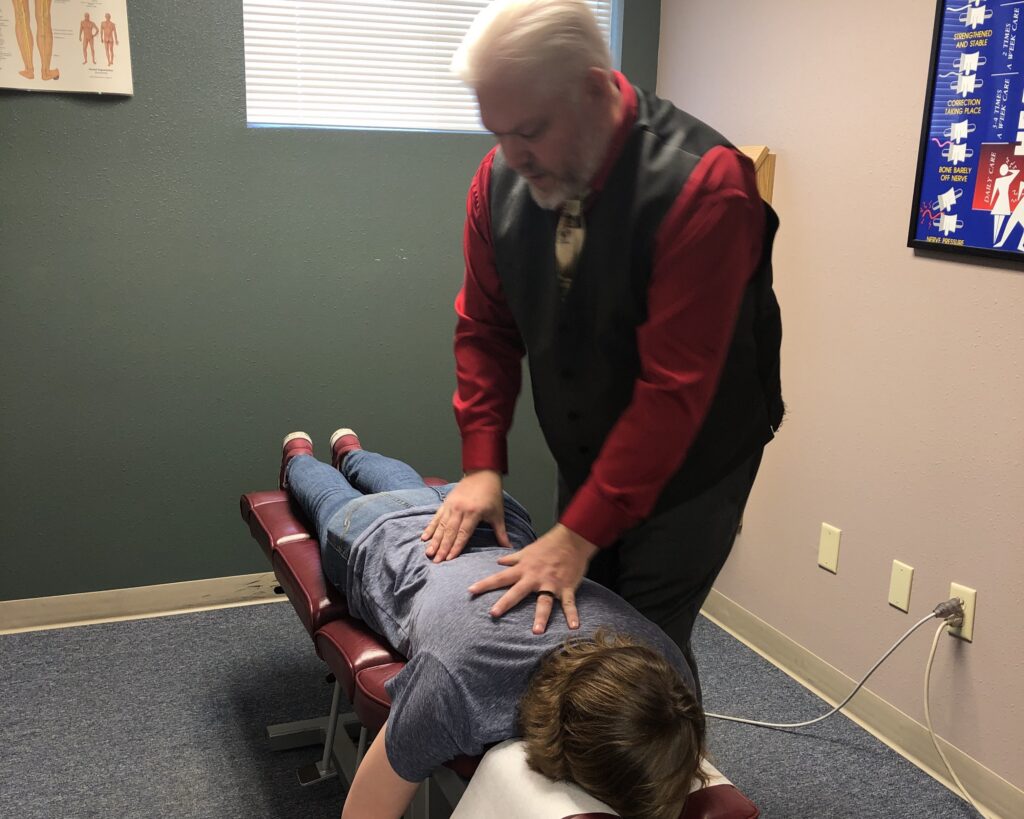
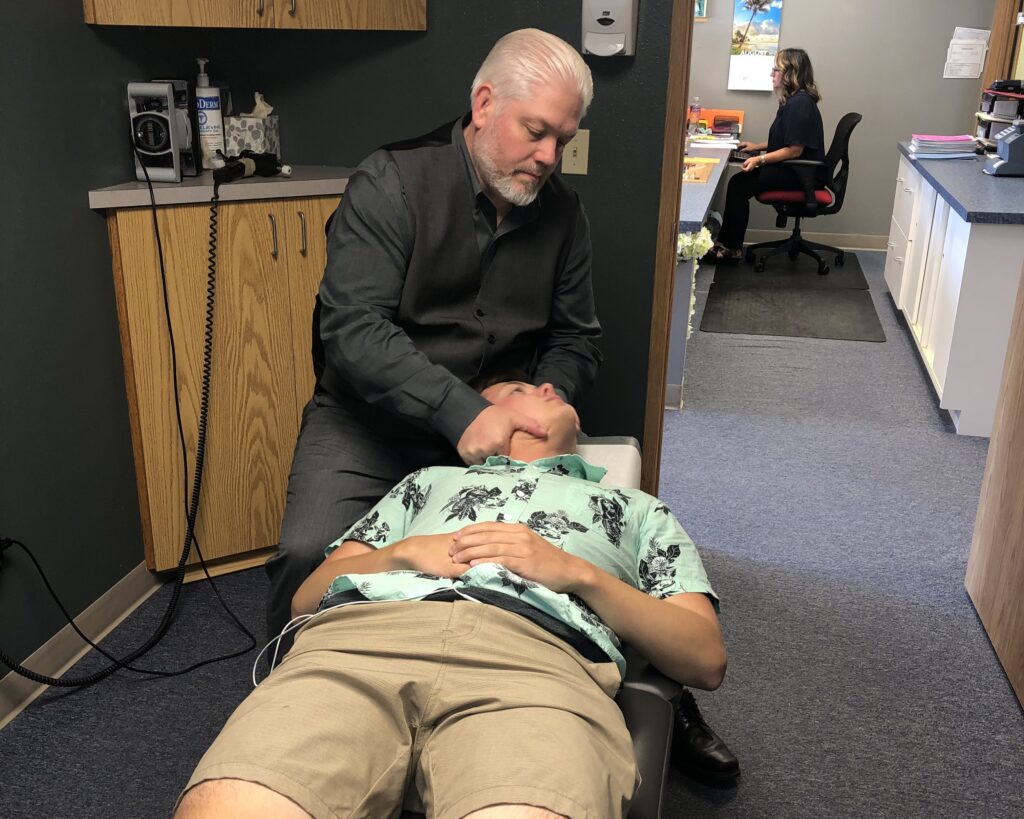
When you receive a spinal adjustment, the chiropractor applies controlled force to specific joints in your spine, helping to restore proper alignment and function. This process typically involves using the chiropractor's hands or a specialized instrument to manipulate your spine gently.
By targeting misaligned vertebrae, the adjustment can help relieve pressure on nerves and improve your overall mobility.
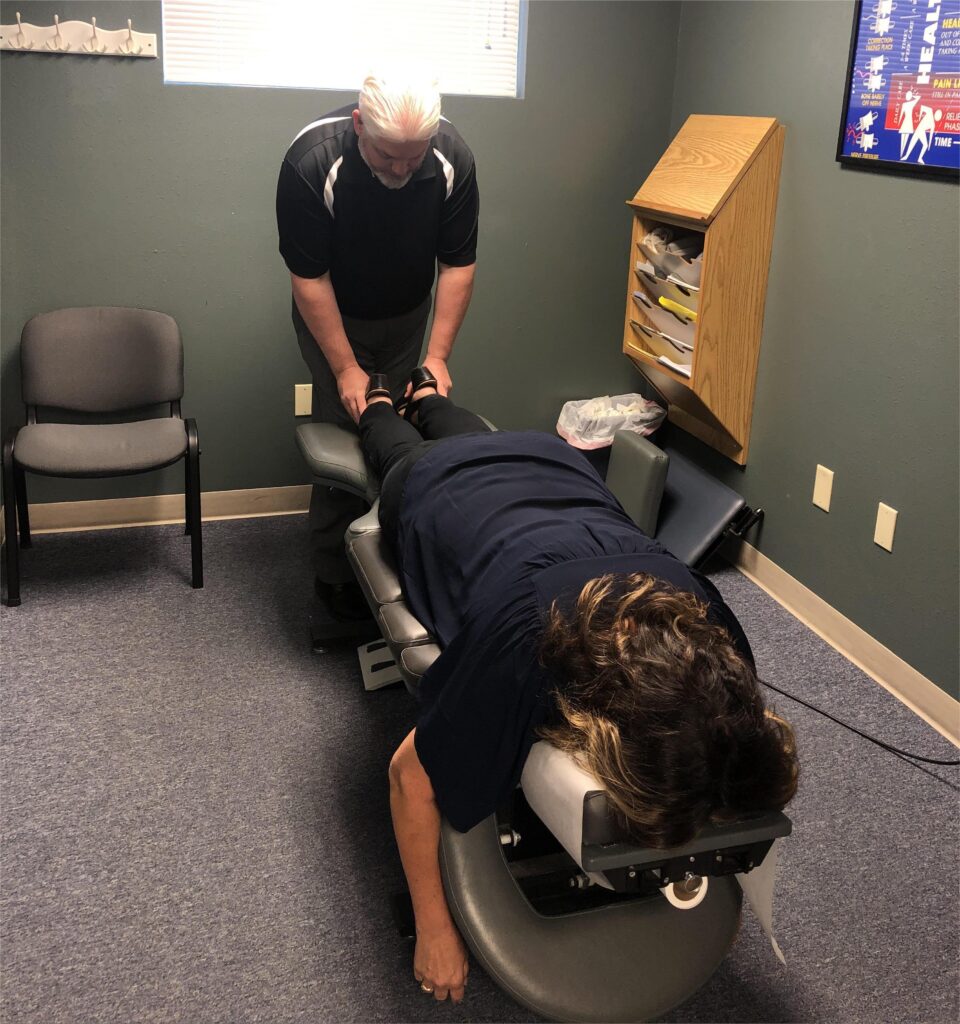
As the adjustment occurs, your chiropractor may guide you into various positions to enhance the effectiveness of the manipulation. You might feel a pop or click during the adjustment, which is a normal response caused by gas bubbles released from the joint. This isn't painful and often indicates that the joint has moved back into its proper position.
After the adjustment, you may experience immediate relief or a sense of relaxation. This is due to the improved blood flow and the release of tension in the surrounding muscles.
Your nervous system also benefits, as spinal adjustments can enhance communication between your brain and body, promoting a healthy response to stress.
Chiropractors often recommend follow-up visits to maintain alignment and monitor your progress. They may also provide guidance on exercises or stretches to support your spine and overall health.
Regular adjustments can help keep your spine aligned and functioning effectively, contributing to your overall well-being. By understanding how spinal adjustments work, you can appreciate their potential impact on both your physical health and your stress levels.
Connection Between Spine and Stress
Your spine plays an essential role in how your nervous system responds to stress.
When you experience physical tension, adjustments can help release that buildup and restore balance.
Understanding this connection can empower you to manage stress more effectively.
Nervous System Response
The spine plays an essential role in how your nervous system responds to stress. It acts as a conduit for nerve signals traveling between your brain and body. When you experience stress, your body enters a fight-or-flight mode, triggering a cascade of responses that prepare you for action. If your spine is misaligned, it can disrupt these signals, leading to heightened stress and anxiety.
Your nervous system is divided into two key components: the sympathetic and parasympathetic systems. The sympathetic system revs you up during stressful situations, while the parasympathetic system calms you down afterward. If your spine isn't in proper alignment, the communication between these systems can falter. You may find it harder to relax and recover after stressors.
Regular spinal adjustments can help restore proper alignment, allowing your nervous system to function effectively. By improving communication between your brain and body, these adjustments may enhance your ability to manage stress.
Physical Tension Relief
Physical tension often builds up in response to stress, and this tension can manifest in your muscles, leading to discomfort and pain. When you're stressed, your body tends to tighten up, especially around the neck, shoulders, and back.
This physical response can create a cycle where stress leads to tension, and tension, in turn, increases your stress levels.
Spinal adjustments can help break this cycle. By realigning your spine, a chiropractor can alleviate pressure on nerves and muscles, promoting relaxation. This adjustment can restore your body's balance, reducing the physical symptoms of stress and allowing you to feel more at ease.
In addition, spinal adjustments may improve your overall posture. Better posture can reduce muscle strain and create a sense of well-being, making it easier to manage stress.
When your body is free from tension, you might find it easier to focus on what truly matters, rather than getting caught up in stressors.
Studies Supporting Chiropractic Benefits
Research consistently shows that chiropractic adjustments can lead to significant benefits for your overall well-being.
Studies reveal a reduction in stress hormones and improvements in emotional health after treatments.
Understanding these findings can help you appreciate how chiropractic care might enhance your quality of life.
Scientific Research Findings
Numerous studies highlight the positive effects of chiropractic care on stress relief and overall well-being. Research shows that spinal adjustments can greatly impact your mental state, allowing you to feel more relaxed and centered.
Here are three key findings that support these benefits:
- Reduced Anxiety Levels: A study published in the Journal of Chiropractic Medicine found that patients receiving chiropractic adjustments reported lower anxiety levels compared to those who didn't. Regular visits can help you manage daily stressors more effectively.
- Improved Sleep Quality: Research in the Journal of Manipulative and Physiological Therapeutics indicated that individuals who received chiropractic care experienced better sleep patterns. When you sleep better, your body can better cope with stress.
- Enhanced Mood: A study showed that chiropractic patients often reported improved mood and emotional well-being after treatment. By addressing physical discomfort, chiropractic care can help lift your spirits.
These findings underscore how chiropractic adjustments not only alleviate physical tension but also contribute to your mental well-being.
Stress Hormone Reduction
Chiropractic care can markedly influence your body's stress hormone levels, particularly cortisol. Studies show that spinal adjustments can lead to significant reductions in cortisol production.
When you receive chiropractic care, it helps improve your body's alignment, which can enhance nervous system function. This improvement may directly impact hormone regulation, promoting a more balanced physiological response to stress.
Research indicates that patients undergoing chiropractic treatments often report lower cortisol levels after their sessions. These reductions can lead to a greater sense of calm and relaxation, making it easier for you to manage daily stressors.
Additionally, chiropractic adjustments may help alleviate physical tension in your body, which can further contribute to lower stress hormone levels.
Enhanced Emotional Well-being
Studies show that spinal adjustments can greatly enhance your emotional well-being. When you visit a chiropractor, you're not just addressing physical issues; you're also supporting your mental health.
Here are three key benefits you might experience:
- Reduced Anxiety: Regular adjustments can help decrease anxiety levels, allowing you to feel more relaxed and at ease in daily life.
- Improved Mood: Many patients report feeling happier and more balanced after spinal adjustments, thanks to the release of endorphins and other feel-good hormones.
- Better Sleep: With less stress and anxiety, you may find that your sleep quality improves, leading to a more refreshed and positive outlook each day.
Chiropractic care targets the nervous system, which plays an essential role in emotional regulation.
By aligning your spine, you can enhance nerve function and promote overall health. This approach not only alleviates physical discomfort but also fosters emotional resilience.
Patient Experiences and Testimonials
For many individuals, experiencing spinal adjustments can be a transformative journey. You might find that after just a few sessions, your stress levels begin to drop, and your overall mood improves. Patients often share stories of how spinal adjustments helped them feel lighter and more in control of their lives.
One patient described walking into the chiropractor's office feeling overwhelmed and anxious, only to leave feeling a sense of calm wash over her.
You may also hear about the physical benefits that accompany the emotional relief. Many people report a reduction in tension headaches and neck pain after receiving adjustments, which contributes to a clearer mind.
A frequent visitor to the clinic mentioned that the adjustments not only eased his back pain but also allowed him to think more clearly, helping him tackle daily stressors more effectively.
Testimonials often highlight the importance of the chiropractor-patient relationship. You might feel more at ease when your chiropractor takes the time to listen and understand your unique needs.
A patient once said that their chiropractor's supportive approach made them feel genuinely cared for, which enhanced the overall experience.
It's common for individuals to share that they've regained a sense of balance in their lives through regular spinal adjustments. You may find comfort in knowing that countless others have walked a similar path, discovering a renewed sense of well-being while managing stress more effectively.
Other Stress Relief Methods
When it comes to managing stress, a variety of methods can complement spinal adjustments and enhance your overall well-being. These techniques can help you find balance and peace in your life.
Here are three effective stress relief methods you might want to contemplate:
- Mindfulness Meditation: Practicing mindfulness helps you stay present and reduces anxiety. By focusing on your breath or observing your thoughts without judgment, you can create a sense of calm and clarity. Just a few minutes a day can make a significant difference.
- Regular Exercise: Physical activity releases endorphins, the body's natural mood lifters. Whether you prefer a brisk walk, yoga, or hitting the gym, find an activity that you enjoy. Incorporating exercise into your routine can help alleviate stress and improve your overall health.
- Deep Breathing Techniques: Simple deep breathing exercises can quickly reduce tension and promote relaxation. Try inhaling deeply through your nose, holding for a few seconds, and then exhaling slowly through your mouth. Doing this for a few minutes can clear your mind and lower your stress levels.
When to Consider Chiropractic Care
Chiropractic care can be a valuable option if you're experiencing persistent discomfort, tension, or stress that affects your daily life. If you're often feeling tightness in your neck or back, struggling with headaches, or battling fatigue due to stress, it might be time to reflect on visiting a chiropractor. These professionals focus on aligning your spine and improving your overall bodily function, which can greatly influence your stress levels.
You should also think about chiropractic care if you've tried other stress relief methods without lasting success. Techniques like yoga, meditation, or massage may provide temporary relief, but if stress keeps creeping back, it could signify an underlying issue that chiropractic adjustments may help address.
Additionally, if you find yourself frequently feeling irritable or overwhelmed, your body may be reacting to physical tension.
Another sign it might be time for chiropractic care is if your stress manifests physically, such as in muscle tightness or joint pain. These symptoms can create a vicious cycle, where stress leads to physical discomfort, which in turn increases your stress levels. Chiropractic adjustments can break this cycle.
Lastly, if you spend long hours sitting at a desk or have a physically demanding job, your spine may be taking a toll. Regular chiropractic visits can help maintain your spinal health, improve posture, and promote relaxation.
Ultimately, if stress is interfering with your quality of life, seeking chiropractic care could be a wise step towards relief.
Conclusion
To sum up, spinal adjustments can be a valuable tool in managing your stress. By realigning your spine and reducing nerve pressure, chiropractic care promotes better communication within your body, helping you feel calmer and more balanced. If you're feeling overwhelmed or tense, consider trying chiropractic adjustments to enhance your overall well-being. Remember, taking care of your spine might just be the key to reducing stress and improving your quality of life.